
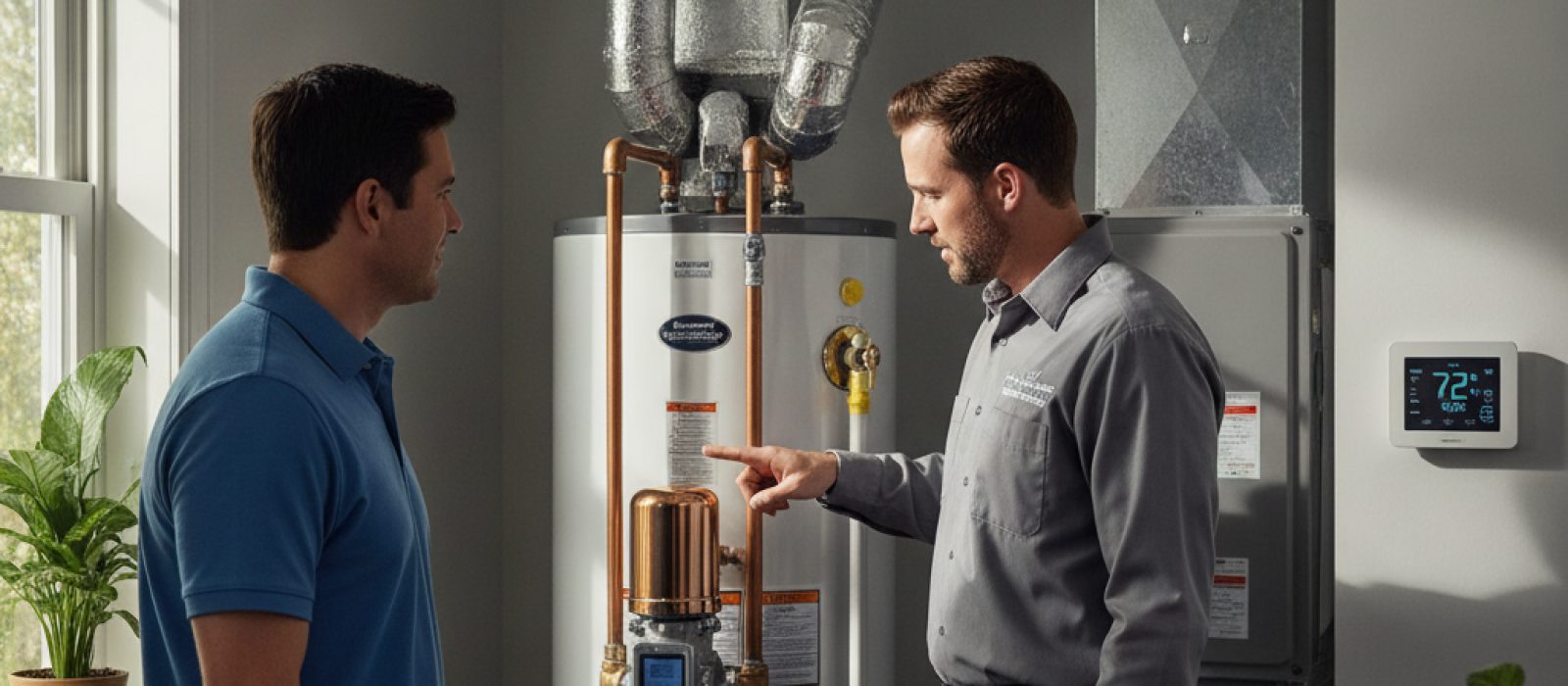
Hot Water Recirculating Pumps: How They Work and What They Cost
Learn how hot water recirculating pumps provide instant hot water, the different installation types, and the factors that influence overall project costs.
3 min read

HVAC systems are complex mechanical, electrical, and chemical networks that require specific knowledge to operate safely. While some routine upkeep tasks are designed for homeowner intervention, attempting complex repairs without proper training can result in personal injury, voided equipment warranties, or permanent damage to the unit. This guide outlines the clear line between manageable DIY tasks and those that necessitate professional HVAC services.
Homeowners can significantly extend the lifespan of their equipment by focusing on preventative maintenance. These tasks do not involve opening the sealed components of the system or interacting with high-voltage electricity.
Any task involving the internal components of the furnace, air handler, or outdoor condenser should be left to a licensed professional. Attempting to bypass these safety protocols often leads to hazardous conditions.
Refrigerant systems are pressurized and sealed. If a system is low on refrigerant, it indicates a leak, not a need for a top-off. Handling refrigerant requires specialized certification, as these chemicals are strictly regulated. Professional technicians use gauges to verify pressures and electronic leak detectors to pinpoint the exact source of a failure.
HVAC equipment often runs on high-voltage electricity or utilizes natural gas. Working with these energy sources carries the risk of fire, explosion, or electrocution. If you smell gas, hear clicking without ignition, or notice charred wires, turn off the system at the breaker and contact a professional immediately. Never attempt to bypass a limit switch or a pressure control device, as these are critical safety features.
If you notice uneven temperatures throughout your home, the problem may lie within the ductwork. While you can check for obvious gaps or loose tape, extensive modifications or professional Air Duct Cleaning requires specialized equipment like high-powered vacuums and rotary brushes. Improperly sealed ducts or poorly designed registers can lead to significant energy loss and indoor air quality issues that DIY sealing kits cannot resolve.
Most manufacturers require proof of professional maintenance to keep a warranty valid. DIY efforts, while beneficial for day-to-day operation, do not replace the comprehensive check performed during a professional Maintenance & Tune-up. During these visits, technicians inspect electrical connections, capacitors, and heat exchangers—components that, if failing, pose significant safety risks. Skipping these professional inspections can result in a denied warranty claim when a major component eventually fails.
The primary goal of DIY maintenance is to keep the system clean and clear of obstructions. Once a task requires tools beyond a screwdriver or a filter replacement, the risk-to-reward ratio shifts significantly. Professional technicians carry insurance, possess the correct diagnostic tools, and have the training to identify subtle signs of wear that a visual inspection by a homeowner might miss. When in doubt, prioritize system longevity and personal safety by contacting a qualified technician.
Learn how hot water recirculating pumps provide instant hot water, the different installation types, and the factors that influence overall project costs.
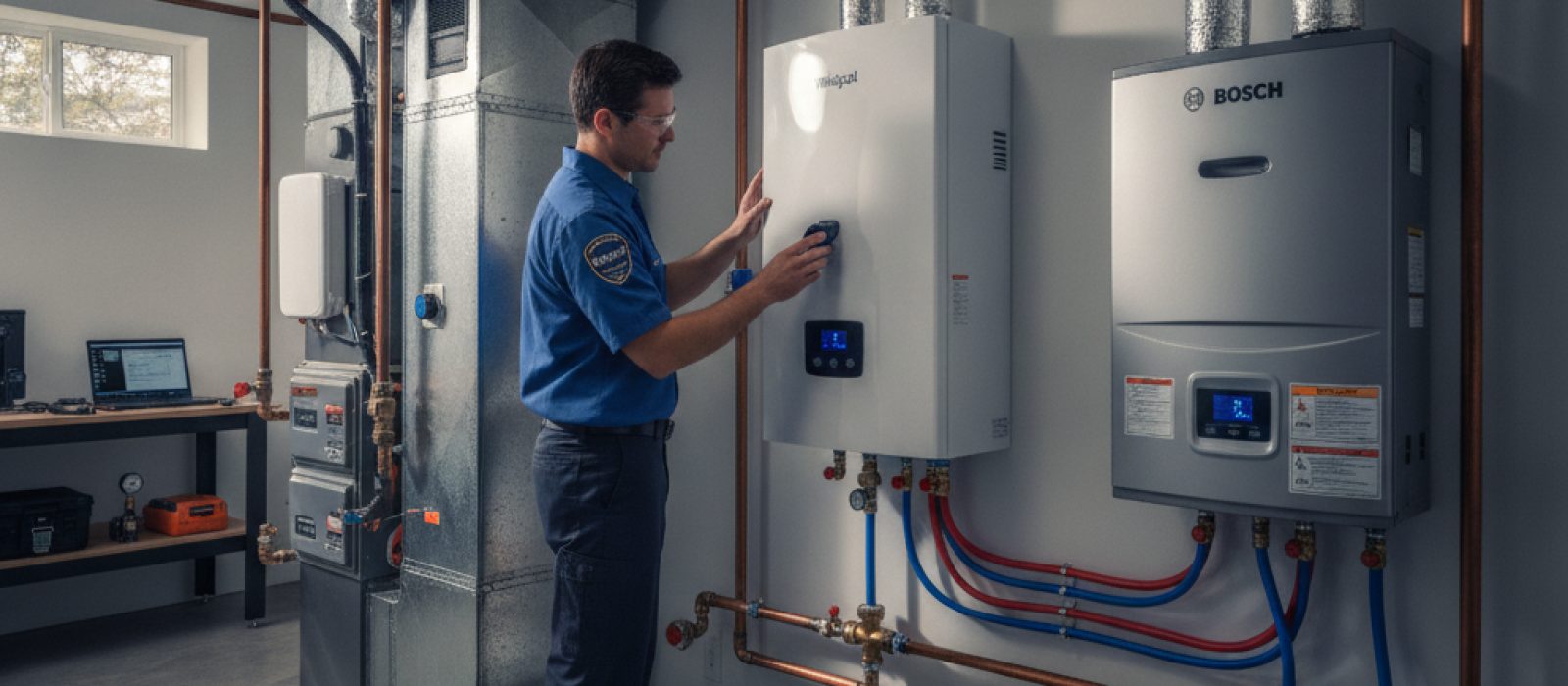
A practical guide to understanding the operational differences, maintenance needs, and common troubleshooting steps for Whirlpool and Bosch water heaters.
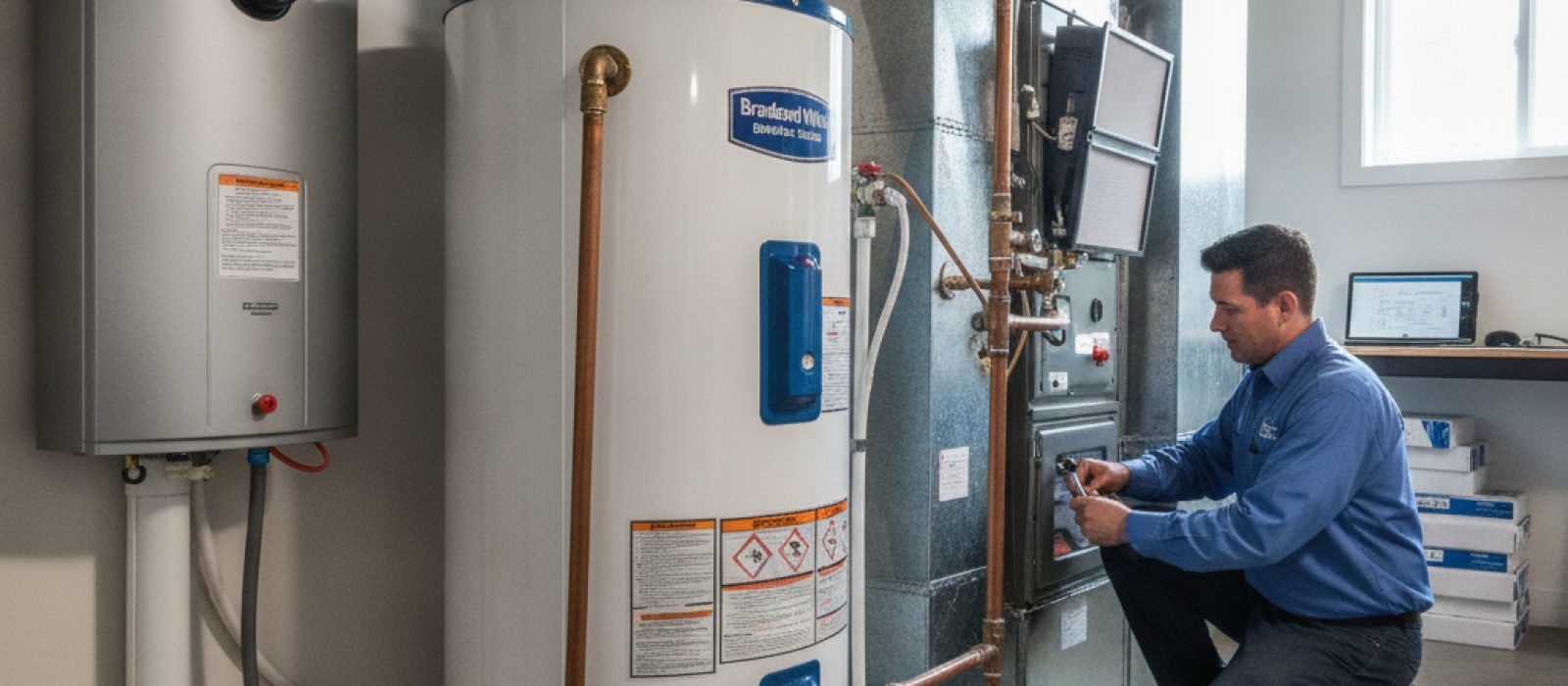
Learn how to choose between 40 and 75-gallon Bradford White water heaters and understand which model fits your home's hot water demands.
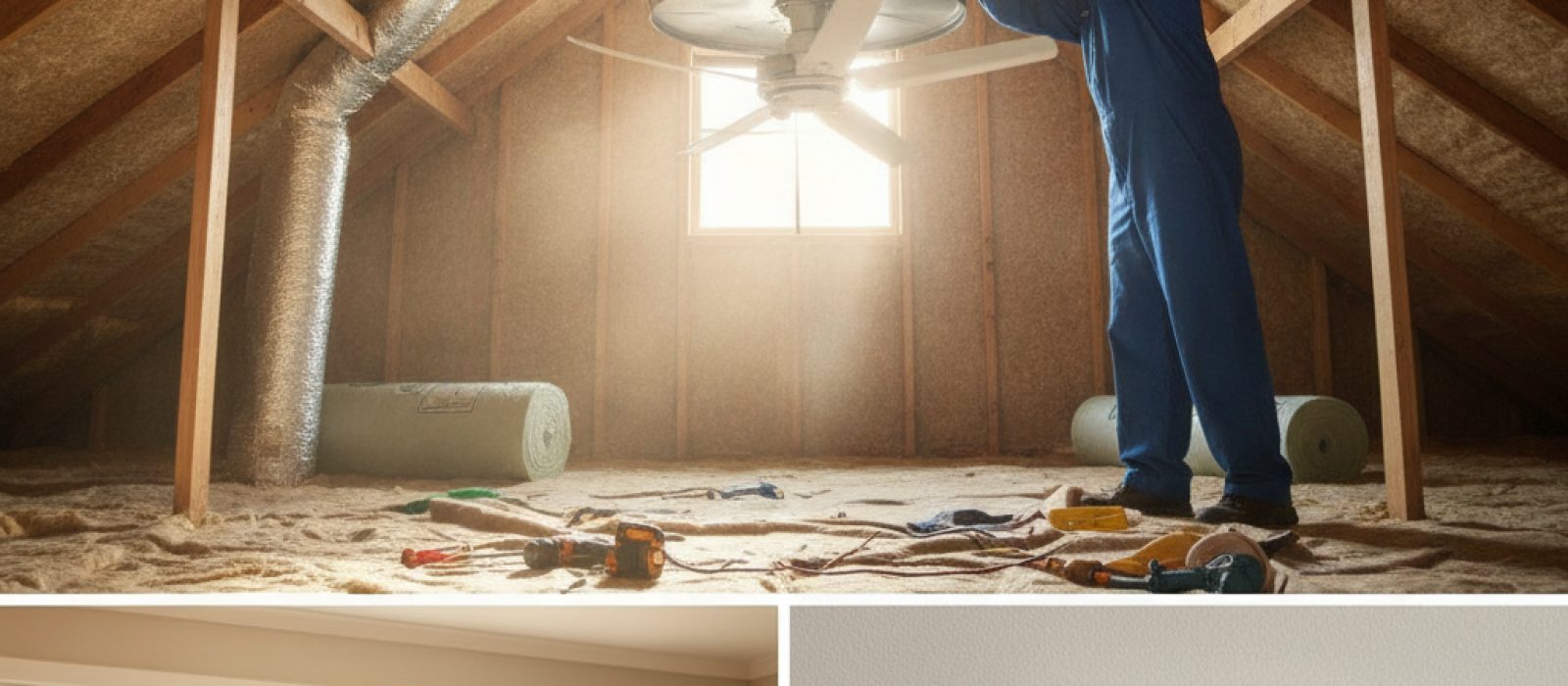
Learn how attic fans manage thermal buildup, the factors influencing installation costs, and the critical mistakes to avoid for a balanced home system.
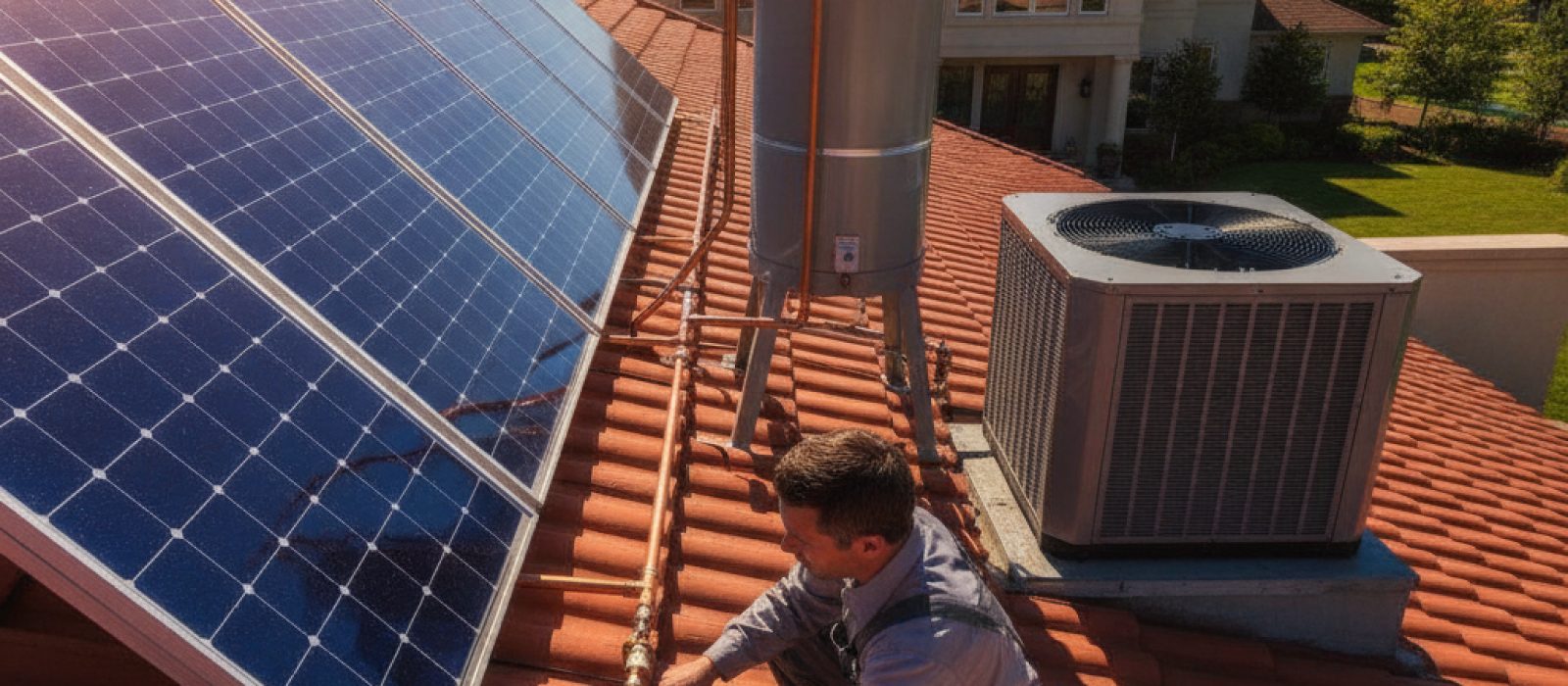
Understand the mechanics, efficiency benefits, and practical considerations of installing a solar-powered water heating system in your home.
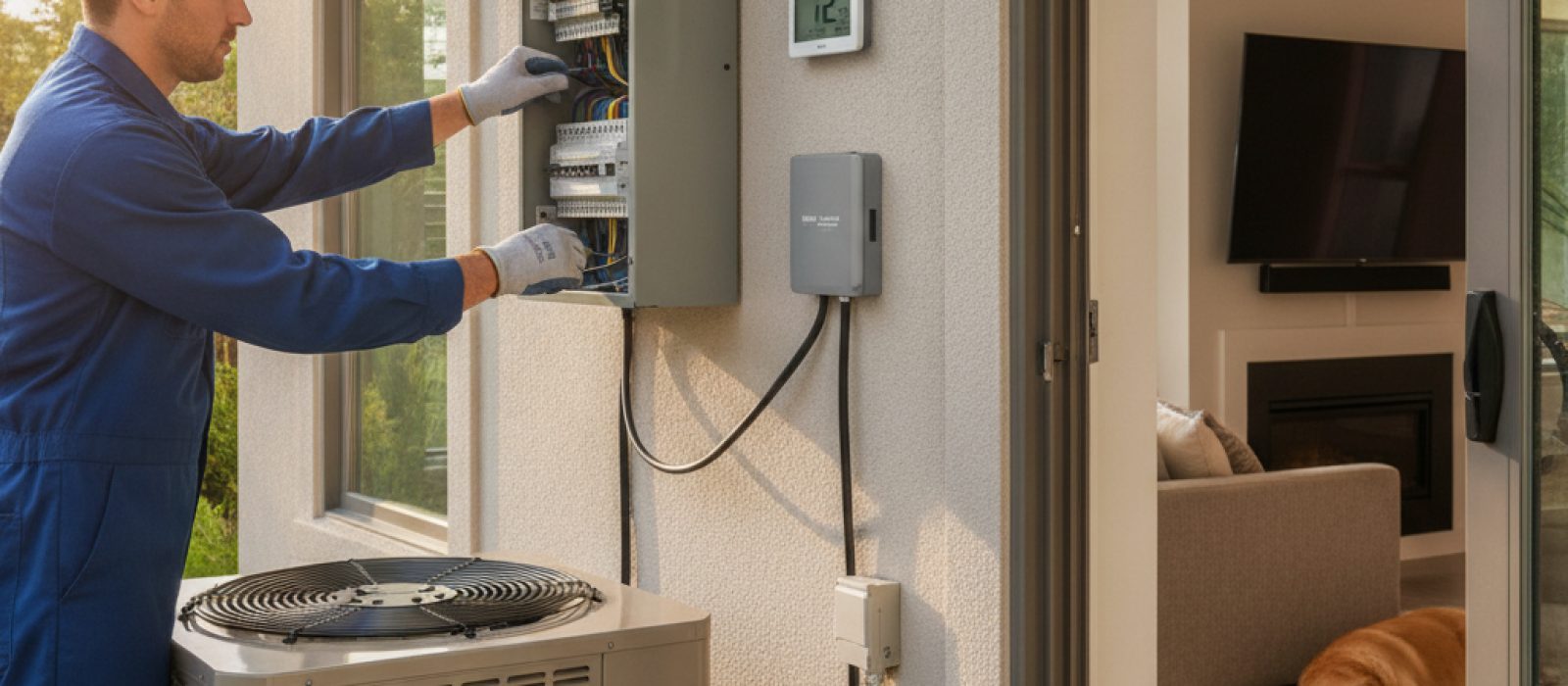
Learn how whole-house surge protectors safeguard sensitive HVAC equipment and home electronics from damaging power spikes and electrical surges.
Be the first to comment.