
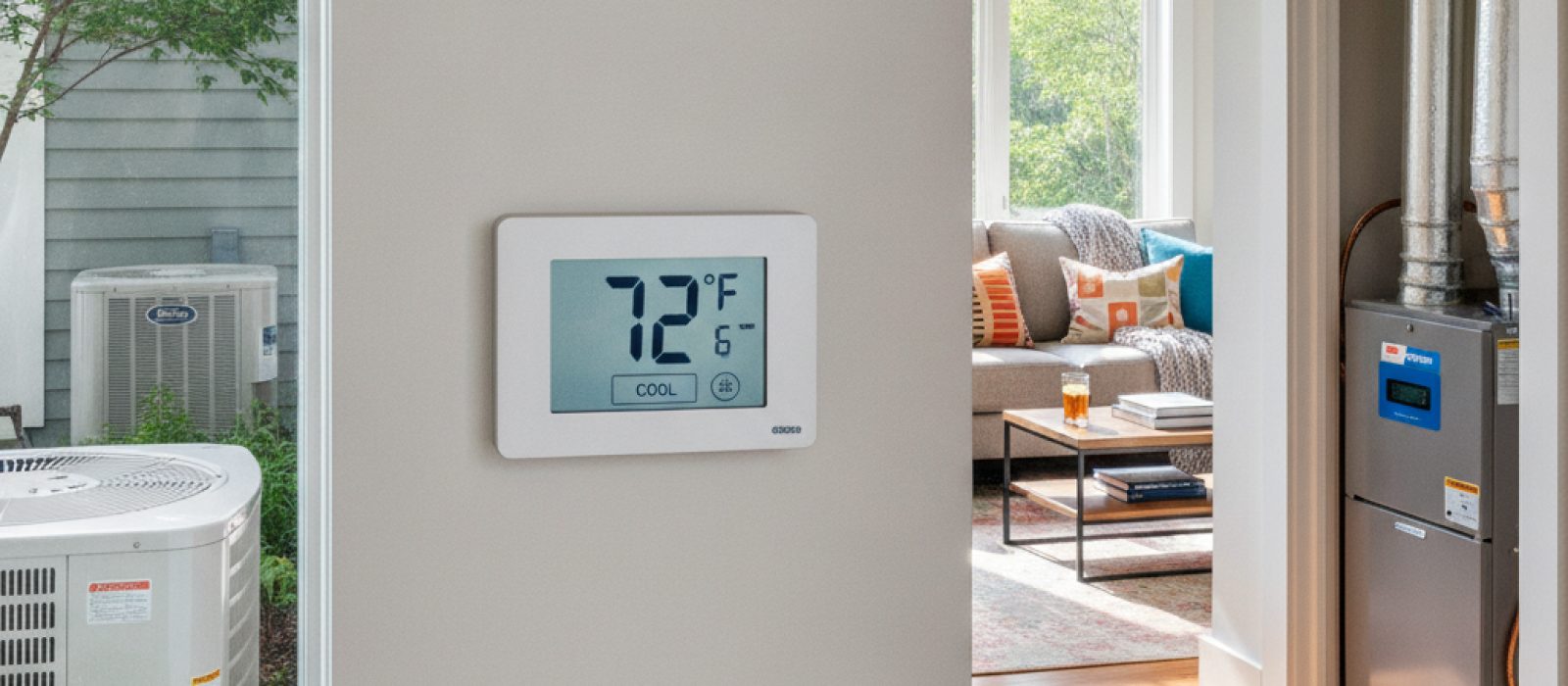
York, Ruud, Bryant and American Standard HVAC: Brand Overview
A guide to understanding the cooling technology and reliability of four major HVAC manufacturers for U.S. homeowners.
3 min read

Many homeowners ask, "Do AC myths save money?" The short answer is no; in fact, many popular energy-saving hacks end up costing you more in repairs and utility bills. When you rely on outdated advice or household rumors, you risk overworking your cooling system and sacrificing your indoor comfort. Understanding how your air conditioner actually functions is the first step toward true efficiency and lower monthly expenses.
A common misconception is that a larger air conditioner will cool your home faster and therefore run less, saving you money. In reality, an oversized unit is one of the most inefficient choices you can make. If an AC is too large for your square footage, it will perform "short cycling," meaning it turns on and off rapidly. This prevents the system from properly dehumidifying your home, leading to a clammy, uncomfortable environment, and it places excessive wear and tear on the compressor, which can lead to premature system failure.
It seems logical to close vents in spare bedrooms or storage areas to save energy, but modern central HVAC systems are designed to balance airflow throughout the entire home. Closing vents increases the static pressure within your ductwork. This causes the blower motor to work harder, can lead to duct leaks, and may actually force the system to cycle more frequently. To truly save energy, keep your vents open and clear of furniture.
While it is true that you shouldn't keep your house at 68 degrees while you are on vacation, turning the unit off entirely during a hot day can be counterproductive. When the house gets extremely hot, your AC has to work much harder to pull the heat out of the walls, floors, and furniture once you return. It is far more efficient to set your thermostat a few degrees higher than your comfort level while away, allowing the unit to maintain a baseline temperature rather than playing "catch-up" for hours.
Ceiling fans are a fantastic tool for comfort, but they do not lower the actual temperature of a room. They work by creating a wind-chill effect on your skin, which makes you feel cooler. If you leave a fan running in an empty room, you are wasting electricity without gaining any benefit. Always remember to turn fans off when you leave the space.
If you want to reduce your cooling costs, focus on proven strategies rather than myths:
By ignoring these common myths and focusing on regular maintenance and smart usage, you will extend the life of your equipment and keep your home comfortable all summer long.
A guide to understanding the cooling technology and reliability of four major HVAC manufacturers for U.S. homeowners.
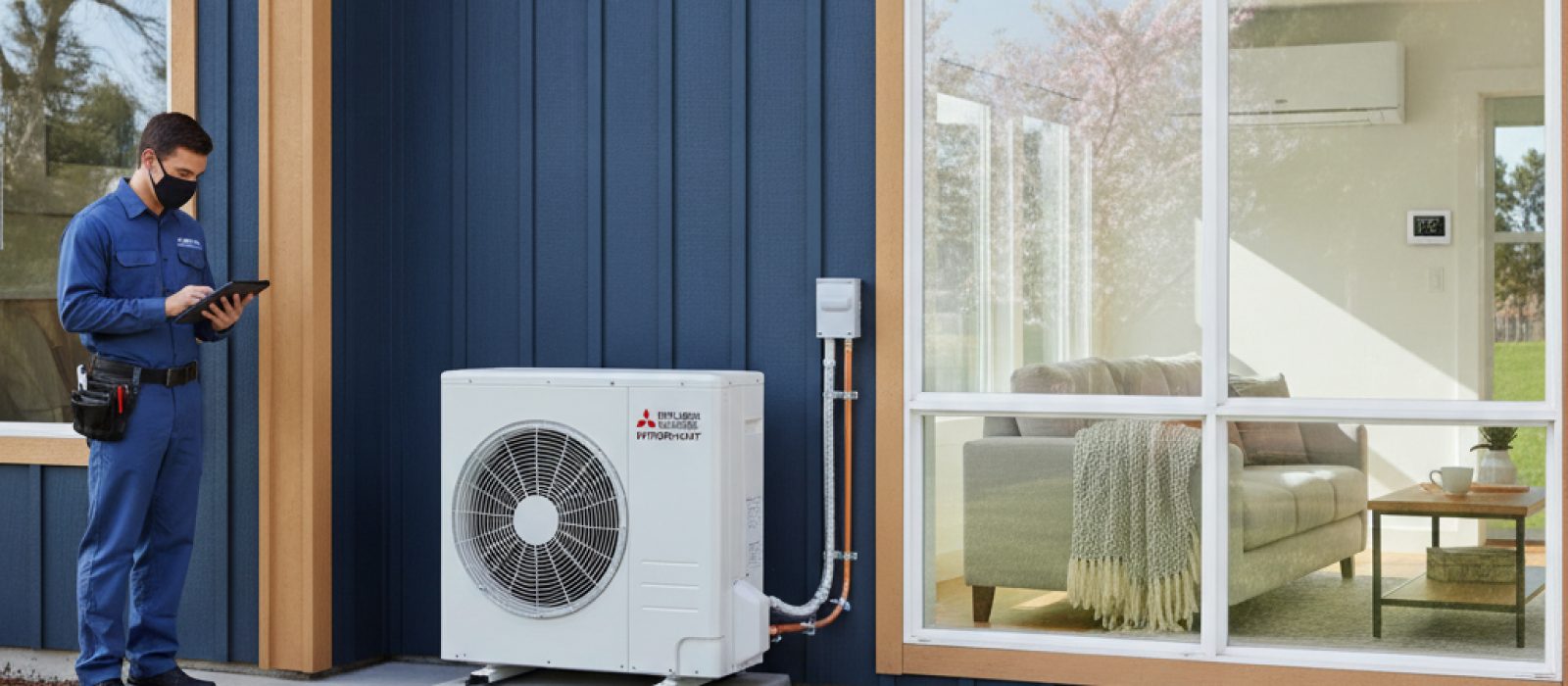
A comprehensive look at Mitsubishi mini-split technology and Hyper-Heat performance for year-round climate control in U.S. homes.
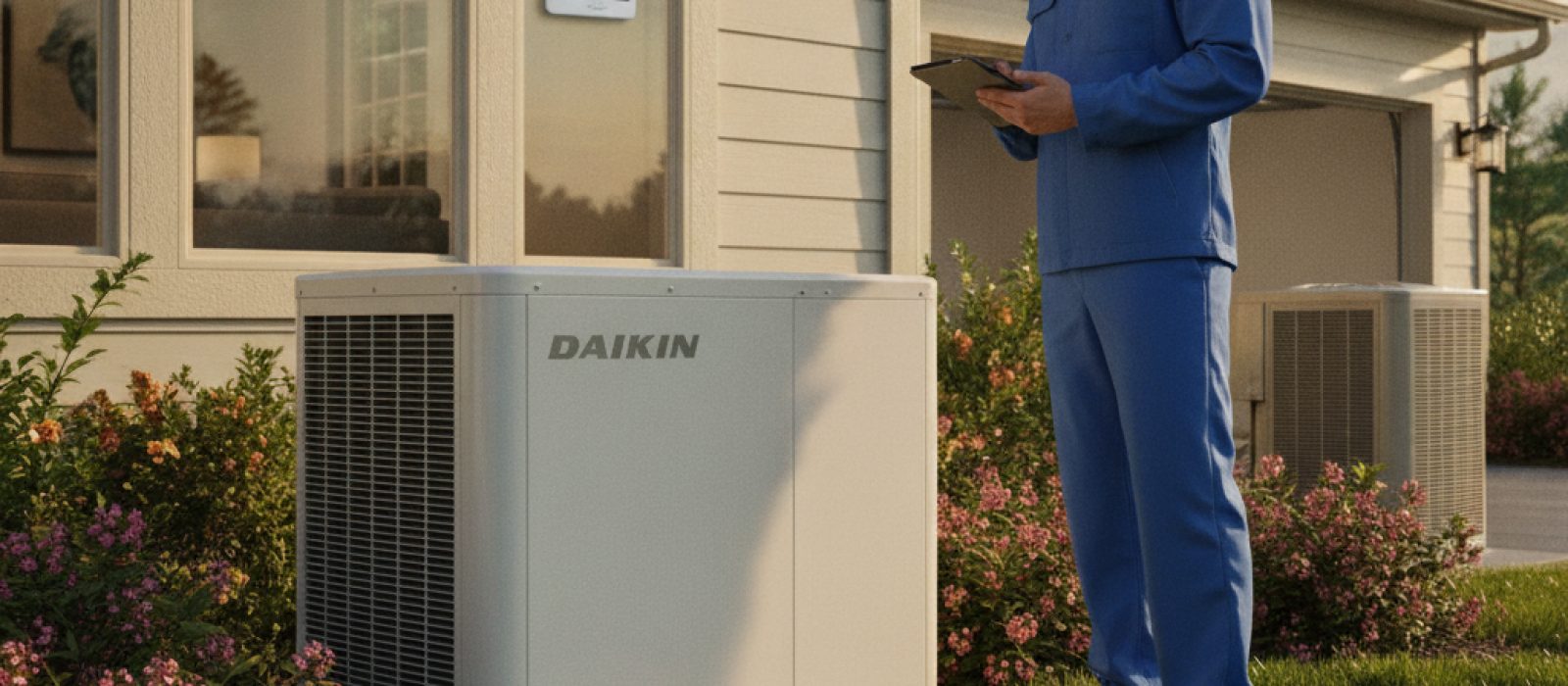
A comprehensive guide to understanding Daikin HVAC systems, including model tiers, standard maintenance requirements, and factory warranty coverage.
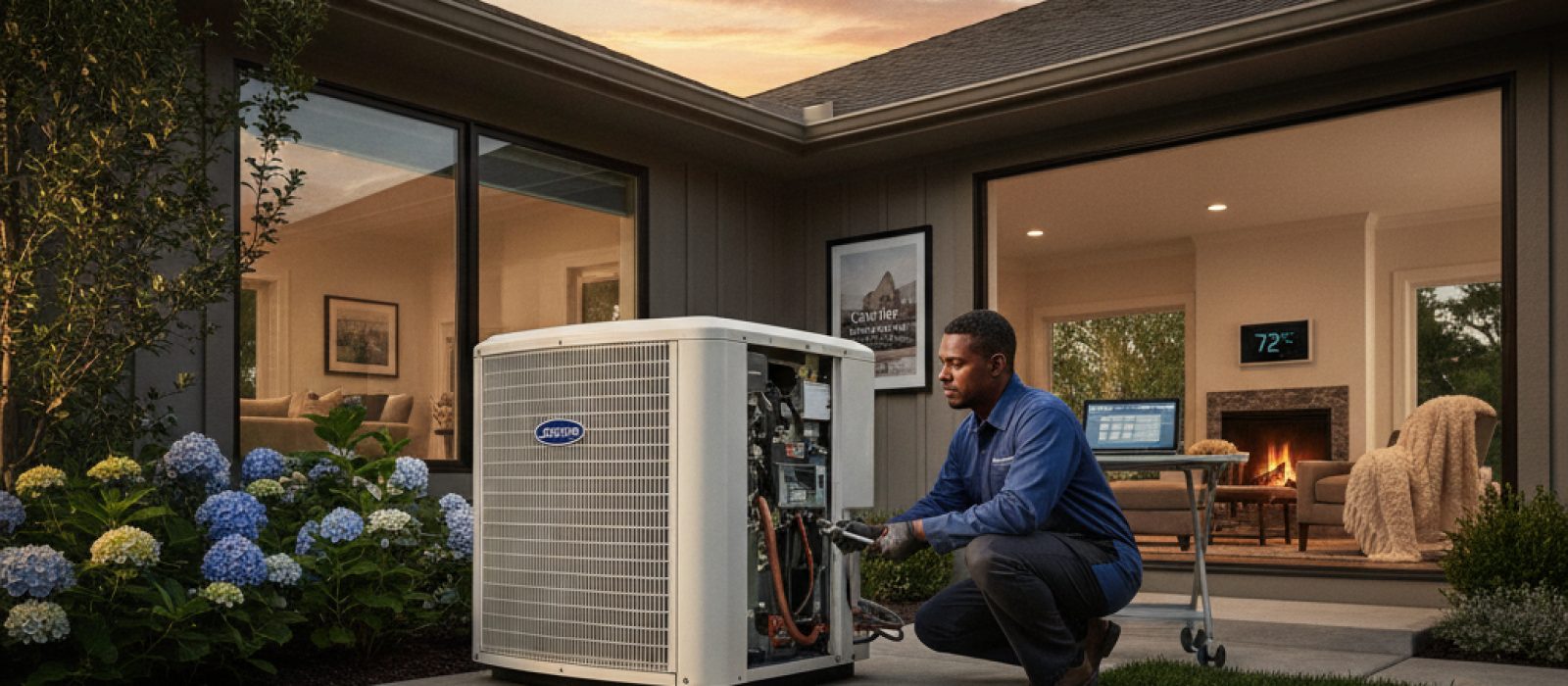
A comprehensive guide to understanding Carrier air conditioning systems, efficiency ratings, installation factors, and maintenance requirements.
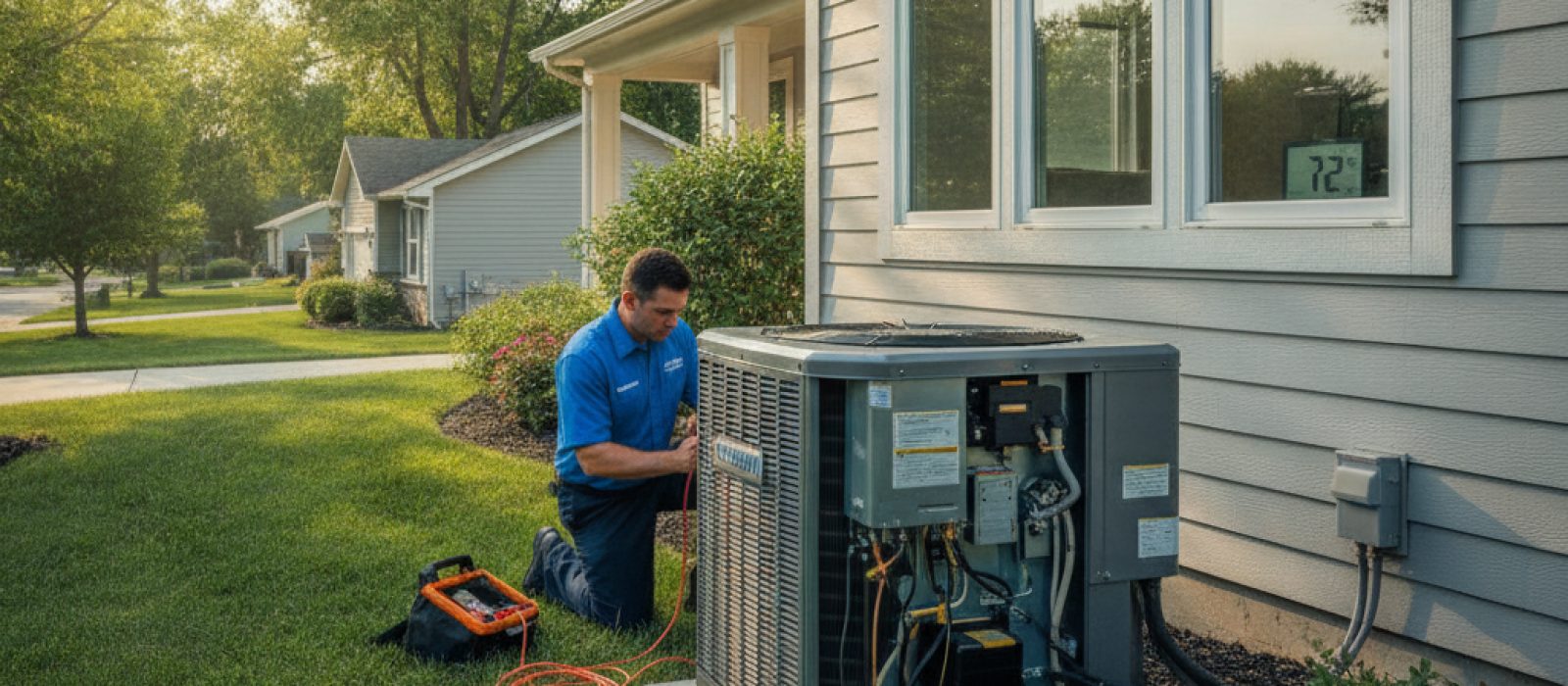
An objective look at Goodman HVAC systems, covering performance, longevity, and what homeowners should know before choosing a budget-friendly cooling solution.
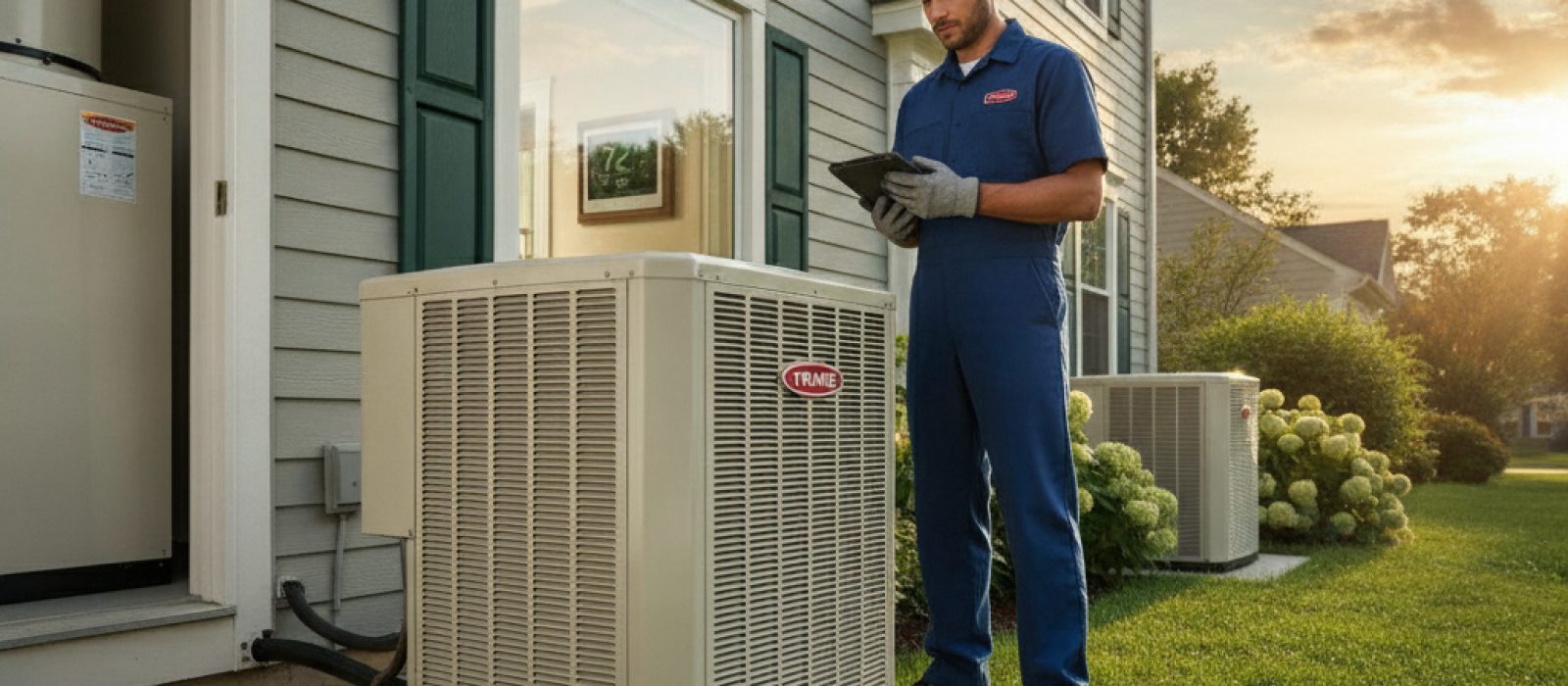
A guide to understanding Trane residential cooling systems, including component integration and maintenance requirements for homeowners.
Be the first to comment.