
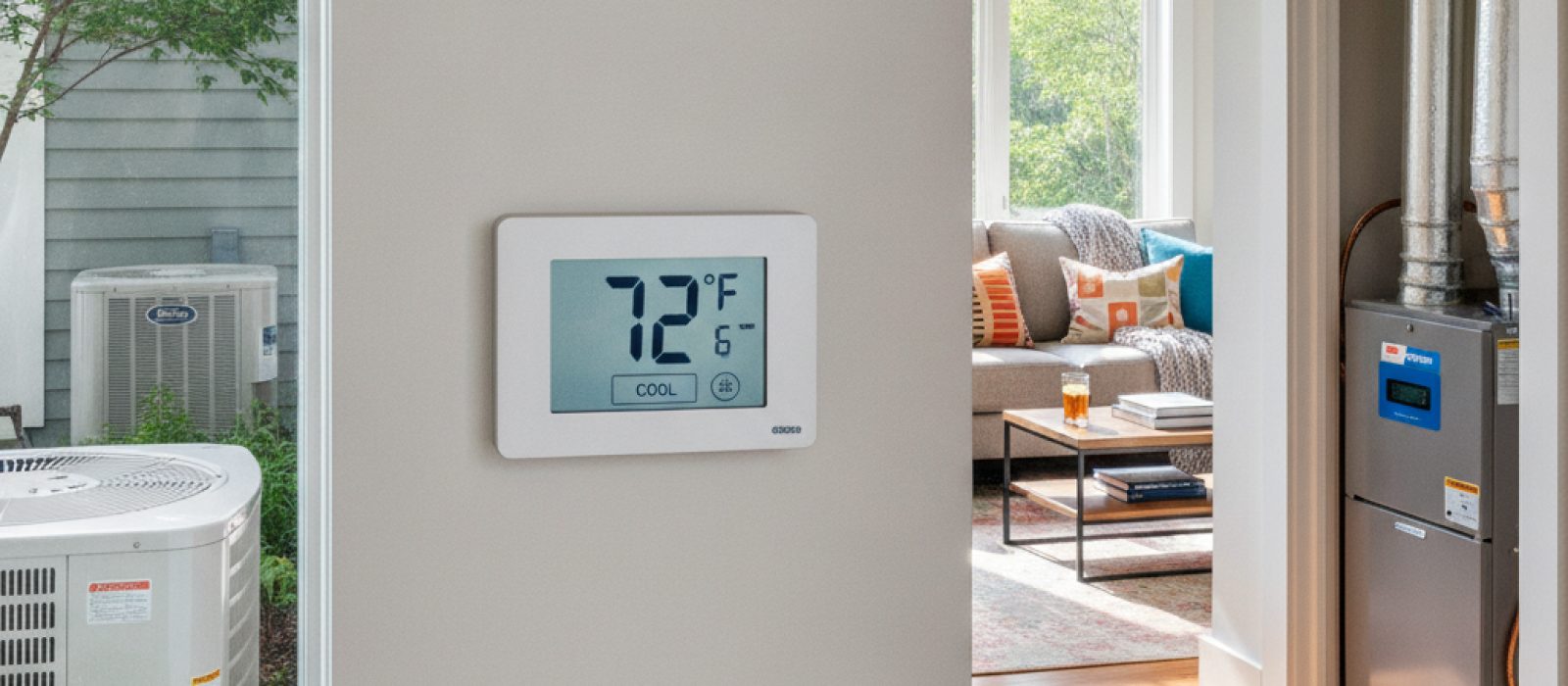
York, Ruud, Bryant and American Standard HVAC: Brand Overview
A guide to understanding the cooling technology and reliability of four major HVAC manufacturers for U.S. homeowners.
3 min read

An AC hard start kit is an electrical component, consisting of a capacitor and a relay, designed to provide an extra boost of power to your air conditioner's compressor during the initial startup phase. By delivering this high-torque surge, the kit helps the motor reach its full operating speed more quickly, reducing the amount of time the compressor spends in the energy-intensive startup state.
Every time your air conditioner cycles on, the compressor requires a significant amount of electricity to overcome inertia and begin pumping refrigerant. In a perfect electrical environment, the motor spins up smoothly. However, over time, or due to factors like aging components, fluctuating voltage, or high outdoor temperatures, the compressor may struggle to start. This is often referred to as a "hard start" condition, where the motor draws excessive current for too long, leading to heat buildup and unnecessary stress on your electrical system.
By installing a hard start kit, you are essentially giving your HVAC system a helping hand. Here is how this component improves overall efficiency:
Not every air conditioner requires a hard start kit. Modern, high-efficiency systems often come with startup-assist technology integrated into their design. However, you might consider adding one if you notice:
While the hardware itself is relatively straightforward, installing a hard start kit involves working with high-voltage capacitors that can hold a dangerous electrical charge even after the power is disconnected. Because of these safety risks and the need to correctly match the kit's capacity to your specific compressor's requirements, this is a job best left to a licensed HVAC professional. A technician will ensure the kit is compatible with your specific model to avoid damaging the compressor, which could lead to expensive repairs.
A hard start kit is a tool for optimization, but it is not a cure-all for a failing system. If your air conditioner is struggling to start, it could also be a symptom of a failing capacitor, a dirty condenser coil, or a refrigerant leak. Always consult with a professional to diagnose the root cause before assuming a hard start kit is the solution. Regular maintenance remains the most effective way to ensure your AC runs efficiently for years to come.
A guide to understanding the cooling technology and reliability of four major HVAC manufacturers for U.S. homeowners.
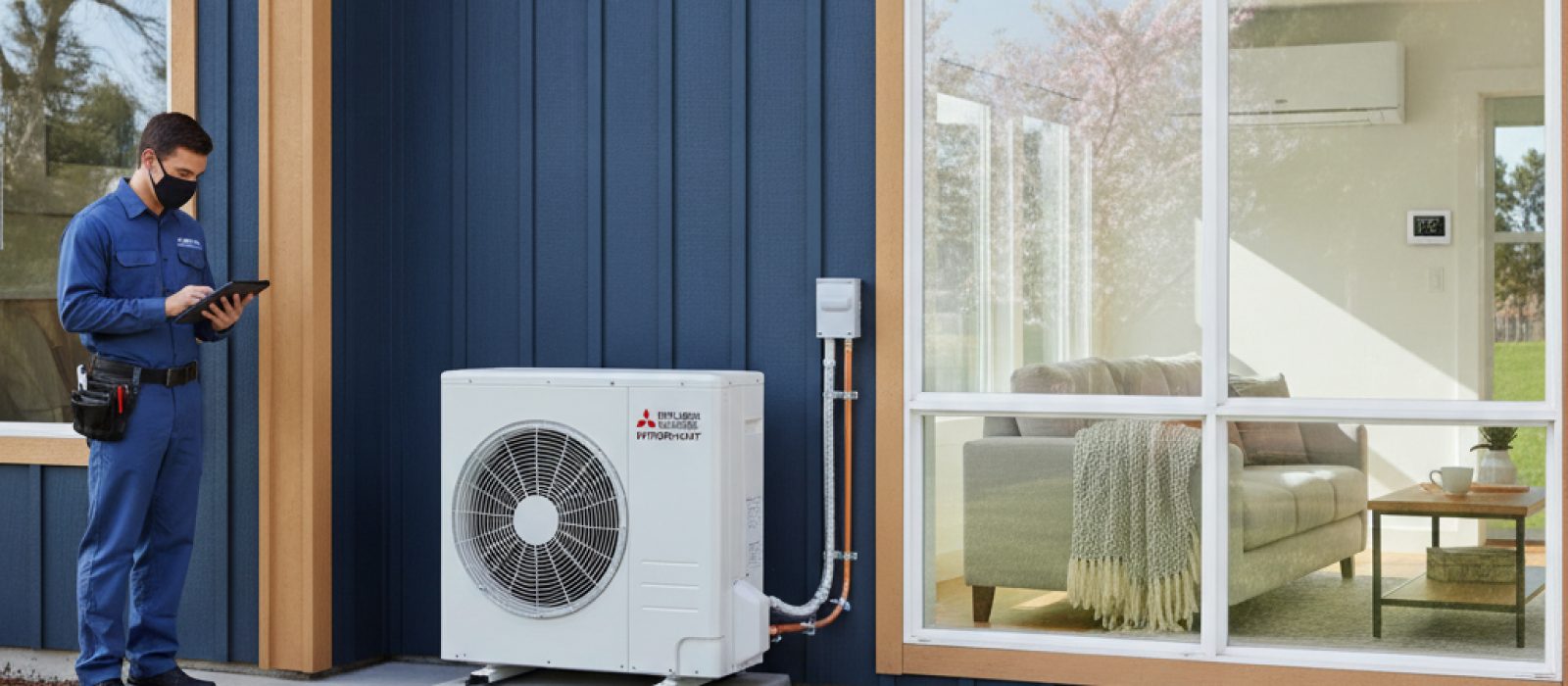
A comprehensive look at Mitsubishi mini-split technology and Hyper-Heat performance for year-round climate control in U.S. homes.
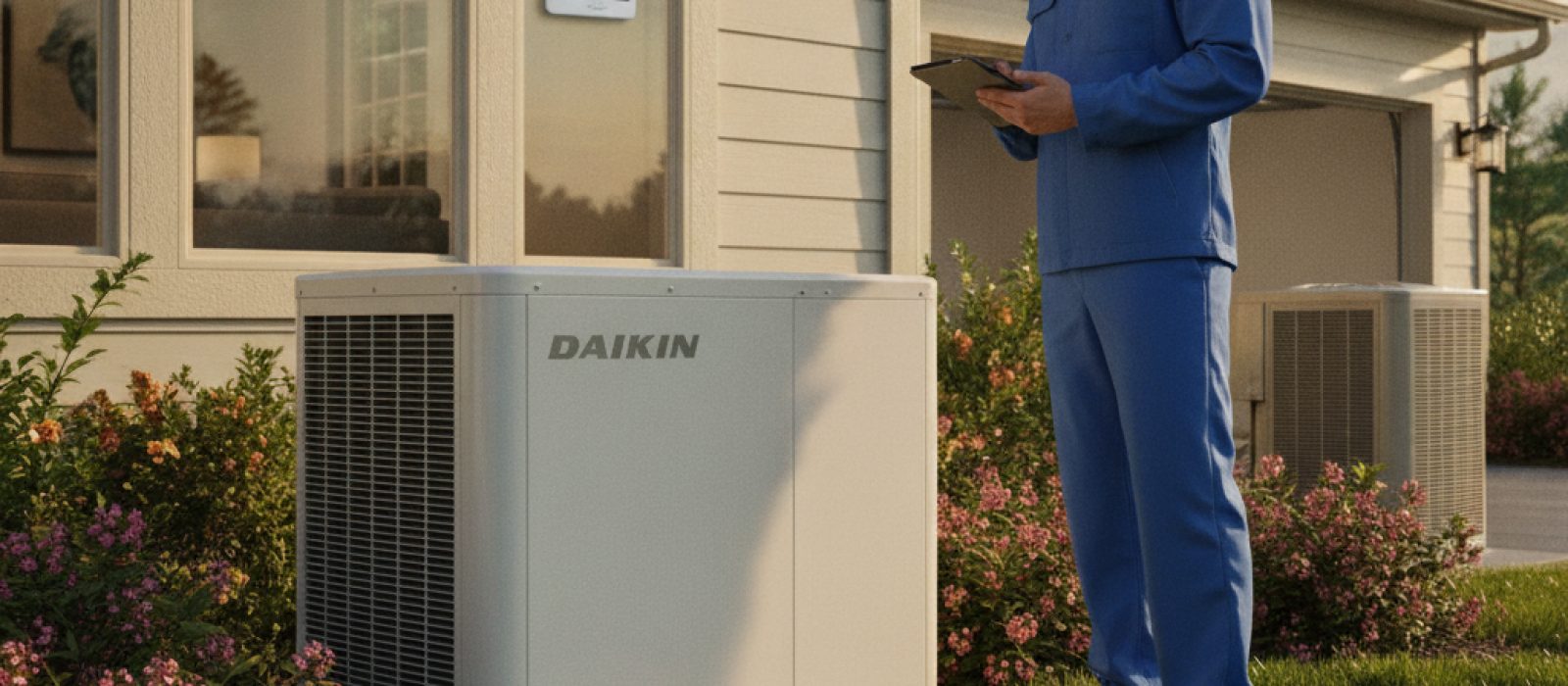
A comprehensive guide to understanding Daikin HVAC systems, including model tiers, standard maintenance requirements, and factory warranty coverage.
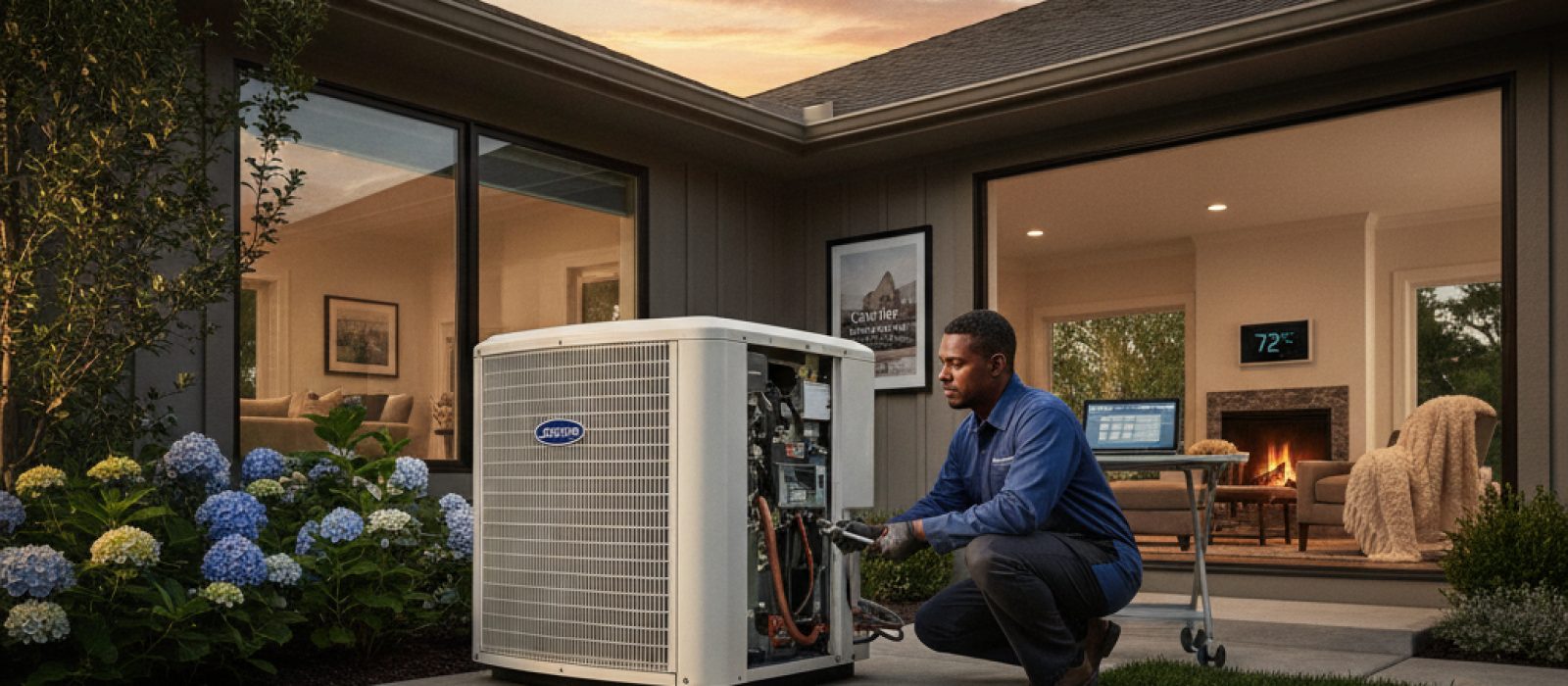
A comprehensive guide to understanding Carrier air conditioning systems, efficiency ratings, installation factors, and maintenance requirements.
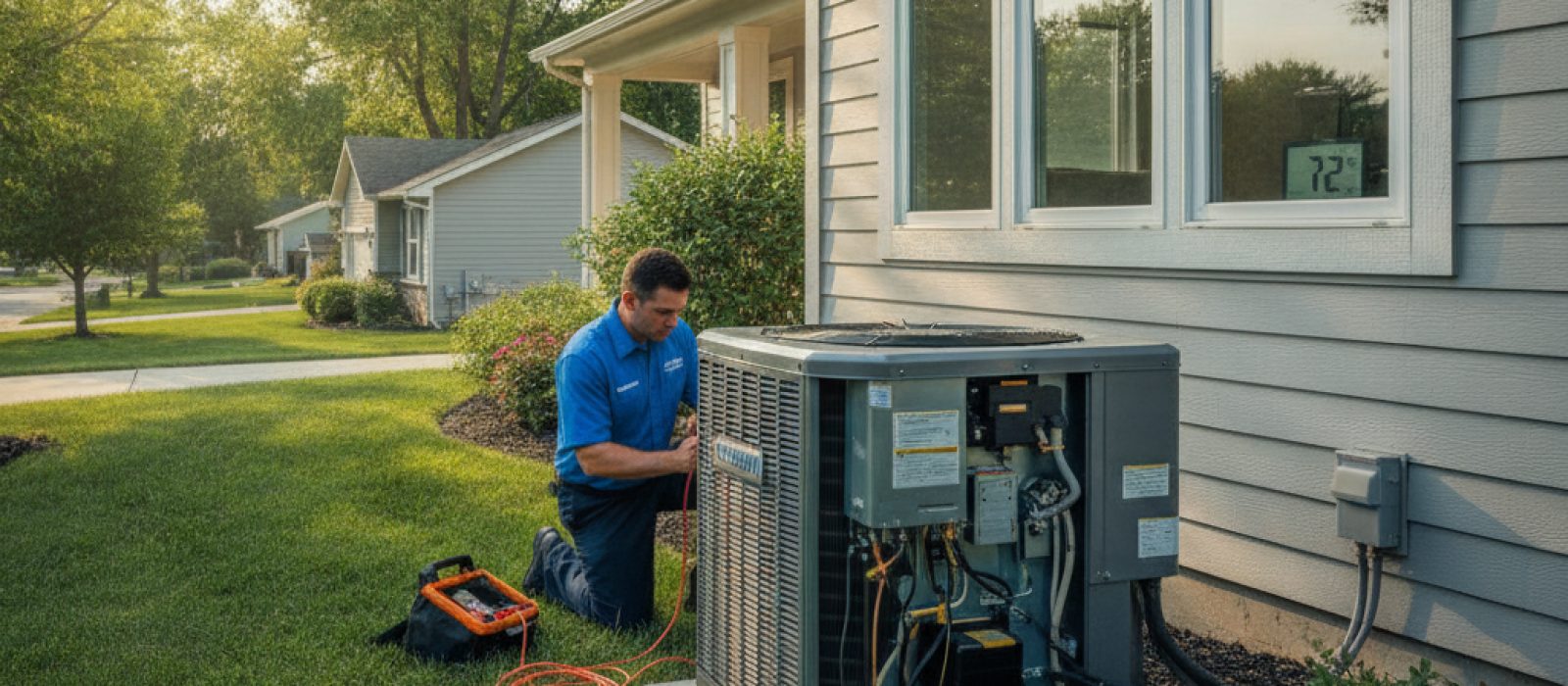
An objective look at Goodman HVAC systems, covering performance, longevity, and what homeowners should know before choosing a budget-friendly cooling solution.
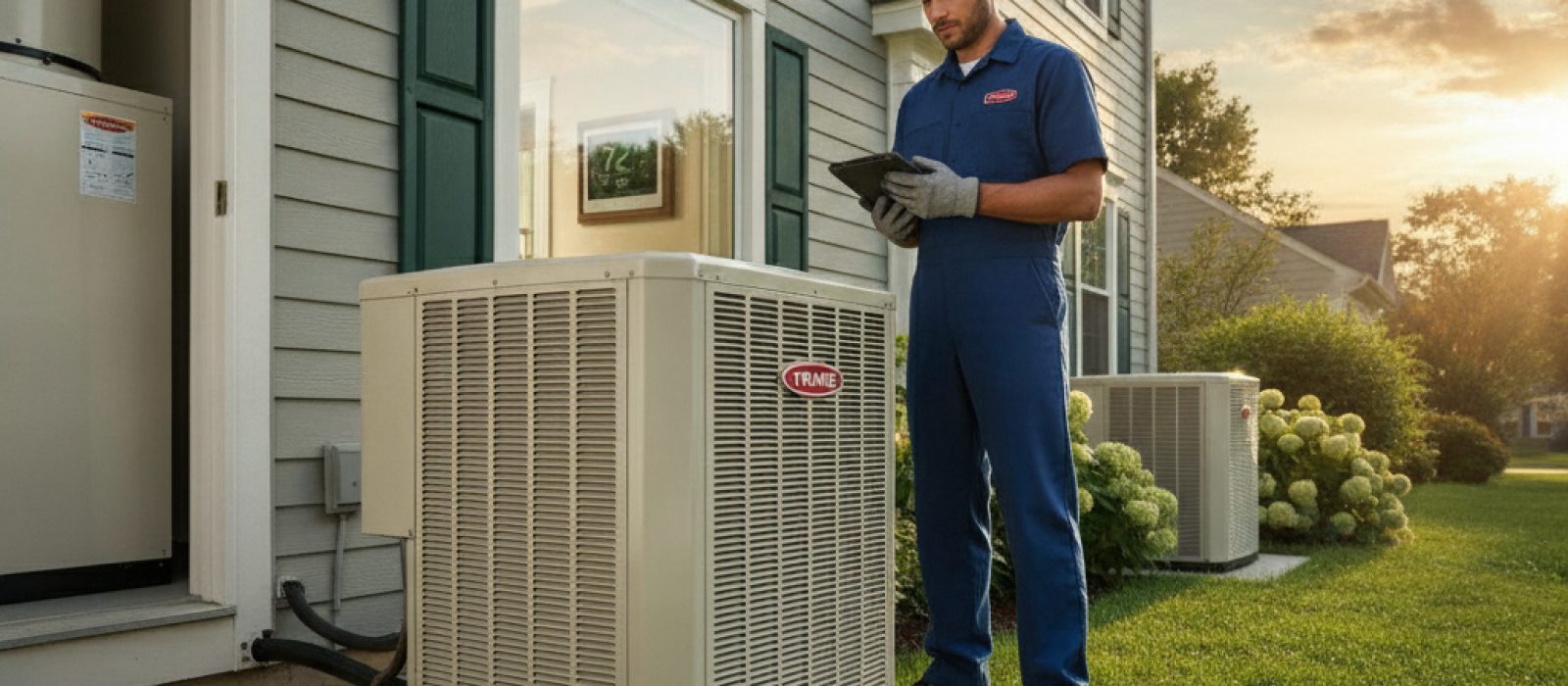
A guide to understanding Trane residential cooling systems, including component integration and maintenance requirements for homeowners.
Be the first to comment.