
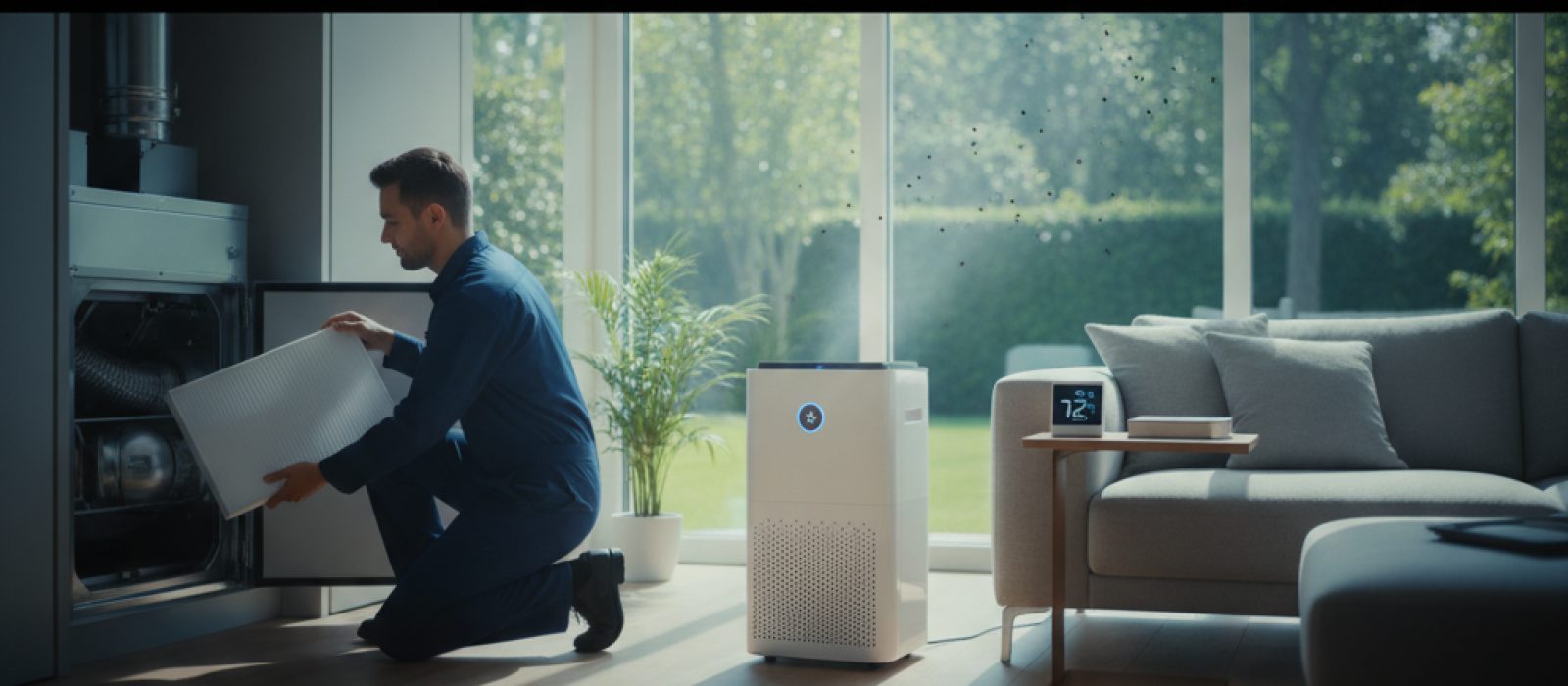
HEPA Air Cleaners for Allergies: What Actually Works
Learn how HEPA air cleaners function, their limitations in home environments, and how to effectively manage indoor air quality for allergy relief.
4 min read

Dust mites thrive in environments characterized by moderate temperatures and high relative humidity. Because HVAC systems regulate these exact conditions, they often serve as the primary environmental control center for these microscopic organisms. Understanding how your system interacts with airborne particles is essential for effective Indoor Air Quality management.
Dust mites do not live inside the air ducts themselves, as the interior of metal ductwork is generally too dry and lacks a food source. However, the airflow generated by your system acts as a distribution mechanism, lifting mite waste and skin cells from carpets, upholstery, and bedding and circulating them throughout the home. By optimizing your system's filtration and airflow, you can capture these allergens before they settle in new areas.
Dust mites struggle to survive when relative humidity consistently stays below 50 percent. Since an oversized air conditioner can short-cycle—cooling the space quickly without removing sufficient moisture—it often leaves the air feeling damp and creates a haven for mites. Ensuring your cooling equipment is properly sized is a fundamental step in allergen reduction.
If your home experiences high humidity despite a functional cooling system, consider professional evaluation for a whole-home dehumidifier. These units integrate directly with your ductwork, providing precise moisture control that prevents the damp conditions mites require to reproduce. Maintaining a dry environment is the most effective chemical-free method for long-term population control.
The air filter is your first line of defense against circulating allergens. Standard filters are designed primarily to protect the blower motor and evaporator coil from large debris, but they often allow smaller particles like mite waste to pass through. Upgrading to a filter with a higher efficiency rating can trap a greater percentage of these microscopic particles.
Consult your equipment manual or a professional to ensure your blower motor can handle a high-efficiency filter without restricting airflow. If the filter is too dense, it may cause the system to struggle, potentially leading to long-term wear. Regular Maintenance & Tune-up visits ensure that your system remains clean and that airflow is optimized to support higher-grade filtration.
Over time, dust and debris can accumulate in the return air vents and the immediate vicinity of the air handler. If the return side of your system is not properly sealed, the blower may draw in dust from wall cavities or crawl spaces, introducing new allergens into the living area. Air Duct Cleaning can help remove large-scale accumulations that contribute to the overall dust load in your home.
It is important to note that duct cleaning is not a substitute for source control. If your home has significant dust mite populations in furniture or textiles, cleaning the ducts will only provide a temporary reprieve. Focus on controlling the moisture and dust levels in the living space first, then utilize duct services to ensure the distribution system remains clean.
Modern homes are built to be airtight for energy efficiency, which is excellent for utility bills but can trap allergens inside. If you have concerns about stagnant air, consider the benefits of a mechanical ventilation system. These systems exchange stale indoor air for filtered outdoor air without losing significant energy, effectively diluting the concentration of indoor allergens.
If you suspect that your current system is underperforming or contributing to poor air quality, professional Heating Services can identify blockages or leaks that might be exacerbating the issue. A properly sealed and balanced system ensures that air is filtered through the intended pathways rather than being pulled from dusty, unconditioned areas of the home.
While homeowners can handle routine filter changes and basic housekeeping, certain tasks require specialized tools and technical expertise. If you notice persistent odors, inconsistent temperatures, or visible mold growth near the evaporator coil, contact a qualified technician. Electrical Services or deep system cleanings should never be attempted by an untrained individual, as these tasks involve high-voltage components and delicate internal sensors.
Regular inspections are the most effective way to identify issues before they impact your health. By keeping your equipment in peak operating condition, you ensure that the system functions as an air purification tool rather than a vehicle for allergen distribution.
Learn how HEPA air cleaners function, their limitations in home environments, and how to effectively manage indoor air quality for allergy relief.
Learn to identify common indoor pollutants and discover practical, effective strategies to improve the air quality within your home.
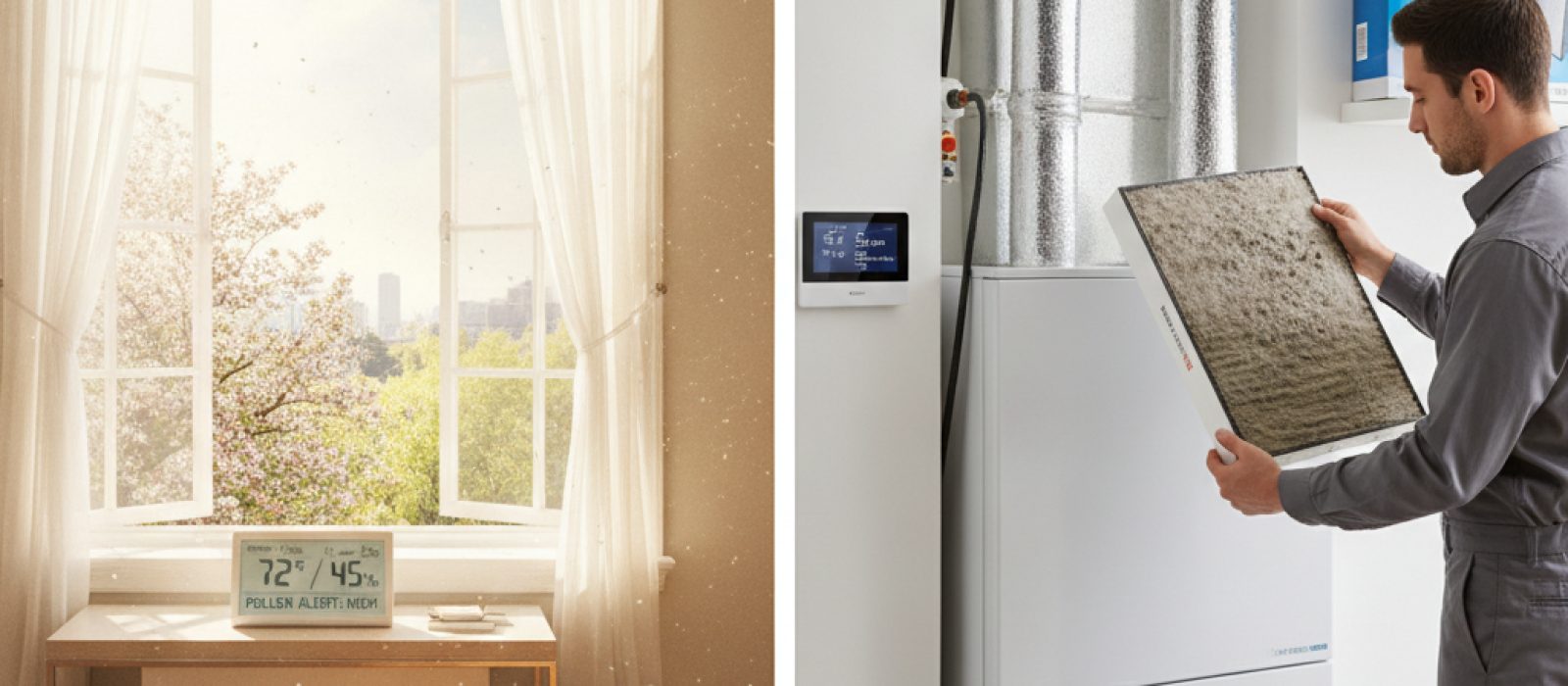
Learn the balance between natural ventilation and mechanical filtration to maintain optimal indoor air quality in your home.
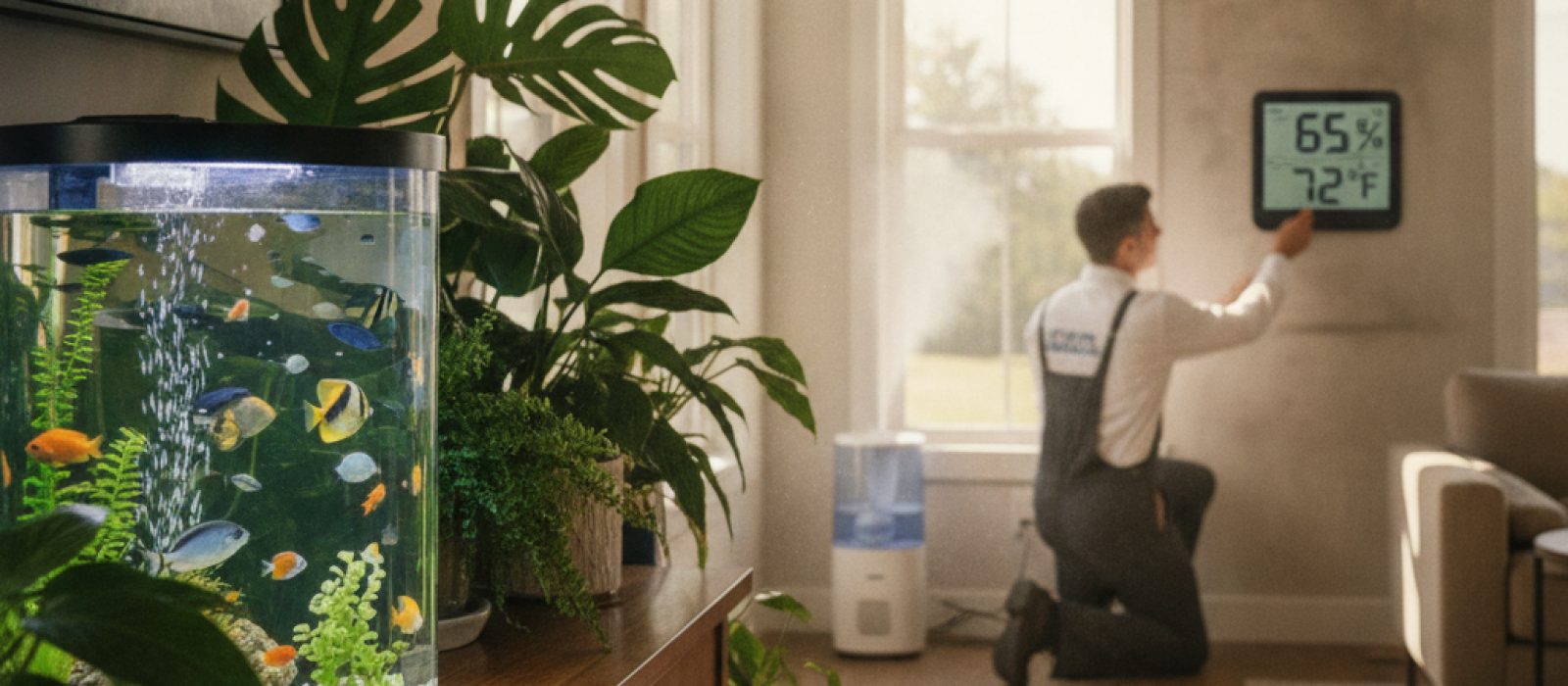
Learn how common household features like aquariums and plants impact indoor air quality and how to manage the resulting humidity levels effectively.
Discover how holiday traditions impact your home's indoor air quality and learn practical steps to maintain a healthy breathing environment this winter.
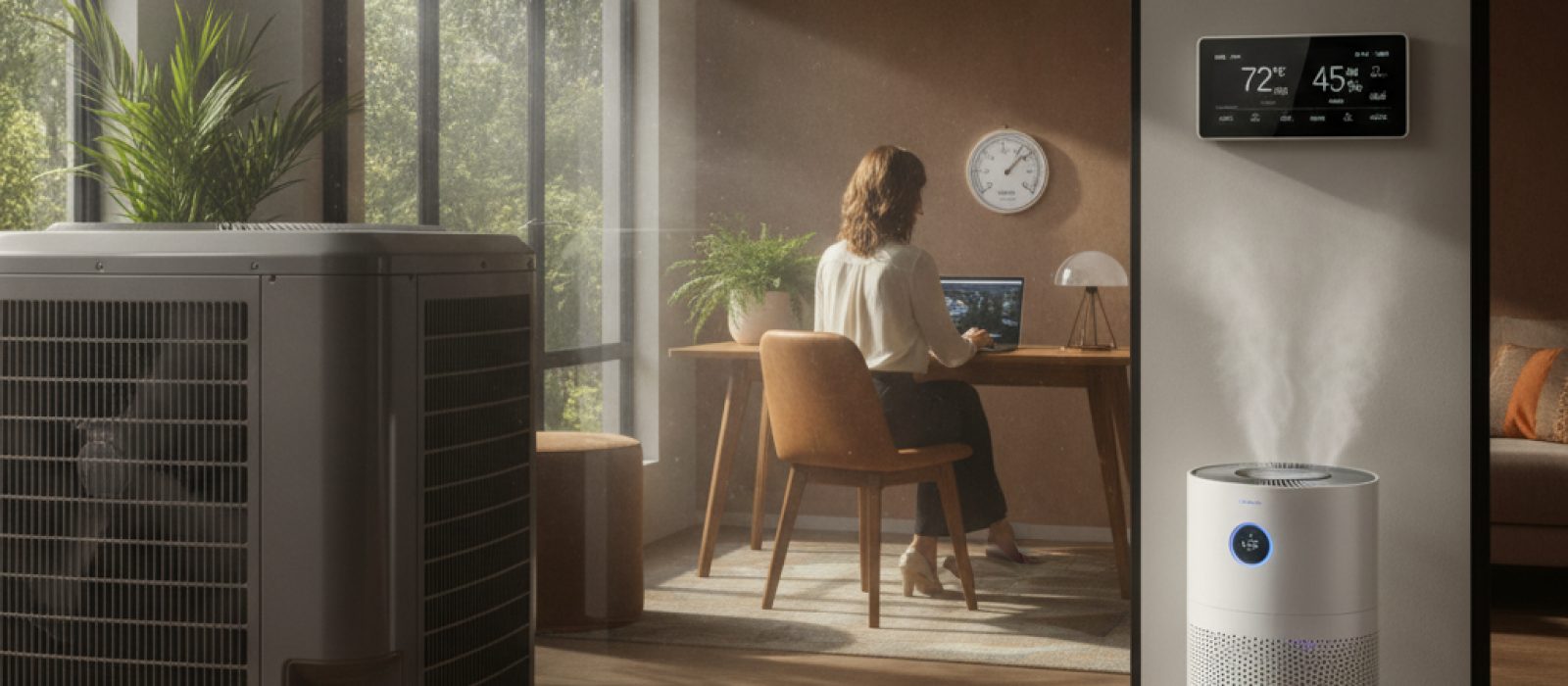
Improve productivity and health by optimizing the indoor air quality of your home office through ventilation, filtration, and humidity control.
Be the first to comment.