
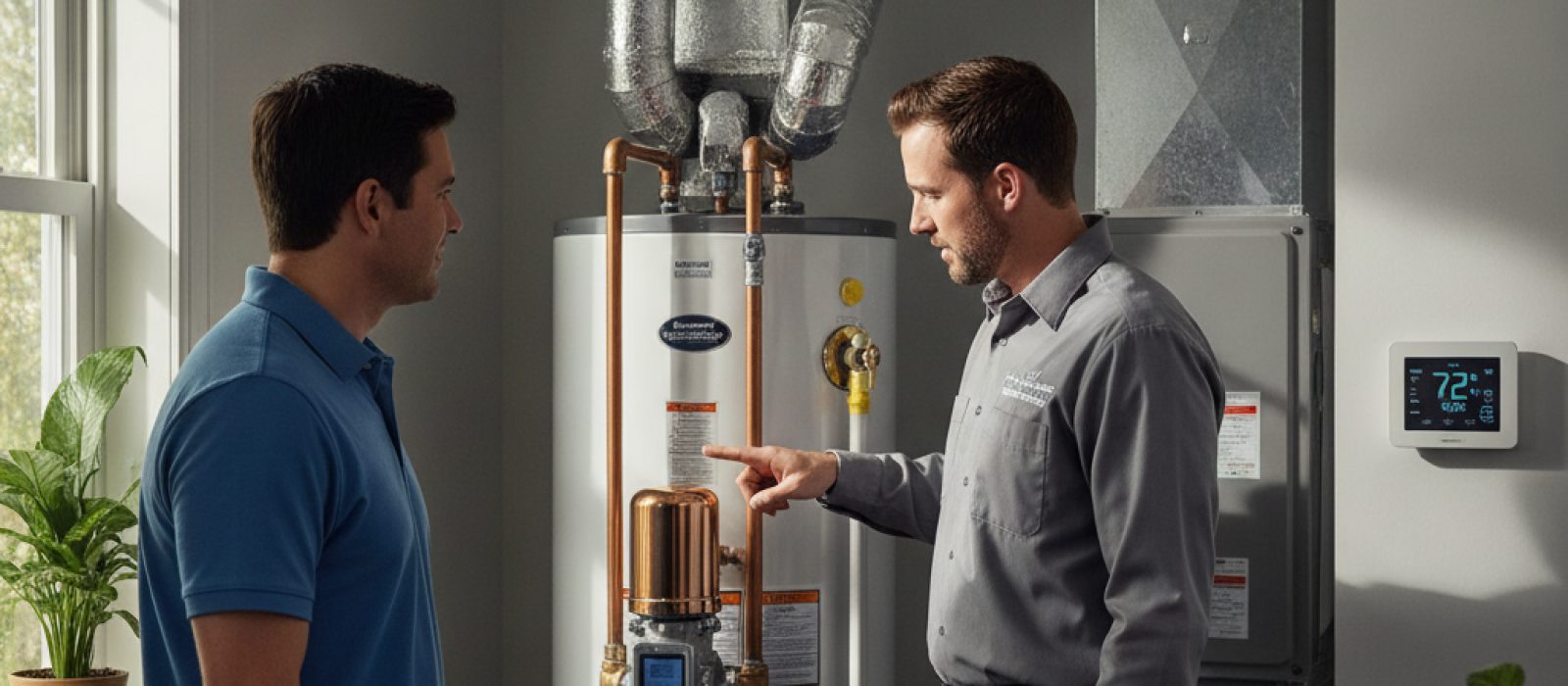
Hot Water Recirculating Pumps: How They Work and What They Cost
Learn how hot water recirculating pumps provide instant hot water, the different installation types, and the factors that influence overall project costs.
3 min read

The ENERGY STAR label is a government-backed symbol for energy efficiency. When applied to heating and cooling equipment, it signifies that the system meets specific criteria established by environmental agencies. These requirements prioritize high-performance components that consume less electricity or fuel while maintaining or exceeding standard comfort levels. For homeowners, this label serves as a baseline indicator that a system has been vetted for its ability to reduce utility consumption without sacrificing performance.
It is important to recognize that the label does not represent a single universal standard for all machines. Instead, the criteria change based on the type of equipment, such as air conditioners, furnaces, or heat pumps. Because heating and cooling needs vary significantly across different climate zones, the label often accounts for regional performance requirements. Understanding these nuances helps homeowners distinguish between a baseline efficient unit and a high-performance system designed for specific environmental conditions.
The ENERGY STAR designation is heavily reliant on established efficiency metrics. For cooling systems, this is typically represented by the Seasonal Energy Efficiency Ratio (SEER2), while heating systems use metrics like the Annual Fuel Utilization Efficiency (AFUE) or Heating Seasonal Performance Factor (HSPF2). A system must achieve a rating higher than the federal minimum to qualify for the label.
However, a high efficiency rating is only effective if the equipment is correctly matched to the home. An oversized unit with an ENERGY STAR label may cycle on and off too frequently, leading to uneven temperatures and increased wear on internal components. Proper sizing is the most critical factor in achieving the advertised efficiency. This is why professional load calculations are essential before investing in new equipment.
Even the most efficient equipment will fail to meet its energy-saving potential if it is installed incorrectly. The label assumes that the unit is part of a balanced system. If your ductwork is leaky or poorly insulated, the high-efficiency furnace or air conditioner will work harder than necessary to compensate for lost air. Homeowners often benefit from professional Ductwork Services to ensure the distribution system can support the new, efficient hardware.
Furthermore, proper integration with a smart thermostat is often necessary to realize the full benefits of ENERGY STAR equipment. These systems communicate with the thermostat to modulate output, providing consistent comfort while reducing energy spikes. Integrating these controls is a standard part of modern Energy Efficient Solutions, ensuring that your home environment remains stable while minimizing waste.
Achieving the efficiency promised by the ENERGY STAR label requires consistent upkeep. High-efficiency systems often feature advanced sensors and complex blower motors that are sensitive to debris and airflow restrictions. Neglecting routine care, such as changing filters or cleaning coils, can cause a high-efficiency system to operate at the same performance level as a standard, less-expensive unit.
Scheduling regular Maintenance and Tune-up visits ensures that the internal components remain calibrated. During these visits, a technician can verify that the refrigerant levels are correct and that the electrical connections are secure. For systems that utilize advanced heat exchange technology, keeping the coils clean is vital to maintaining the heat transfer efficiency that earned the unit its label in the first place. Without this maintenance, the return on investment for an ENERGY STAR-rated system diminishes significantly over time.
Before purchasing new equipment, evaluate your current system's age and performance. If your existing setup is aging, Heating Services professionals can help determine if a high-efficiency replacement is the right choice for your specific layout. Not every home requires the highest tier of efficiency to see a reduction in utility costs; the best choice is often the one that perfectly matches the thermal requirements of your living space.
Additionally, consider the climate in your area. Systems that excel in mild, humid climates may have different performance profiles than those designed for extreme cold. The ENERGY STAR label provides a reliable starting point for research, but it should not replace a professional assessment of your home's unique HVAC demands. By prioritizing proper sizing and installation, you ensure that the equipment works as intended for its entire service life.
Learn how hot water recirculating pumps provide instant hot water, the different installation types, and the factors that influence overall project costs.
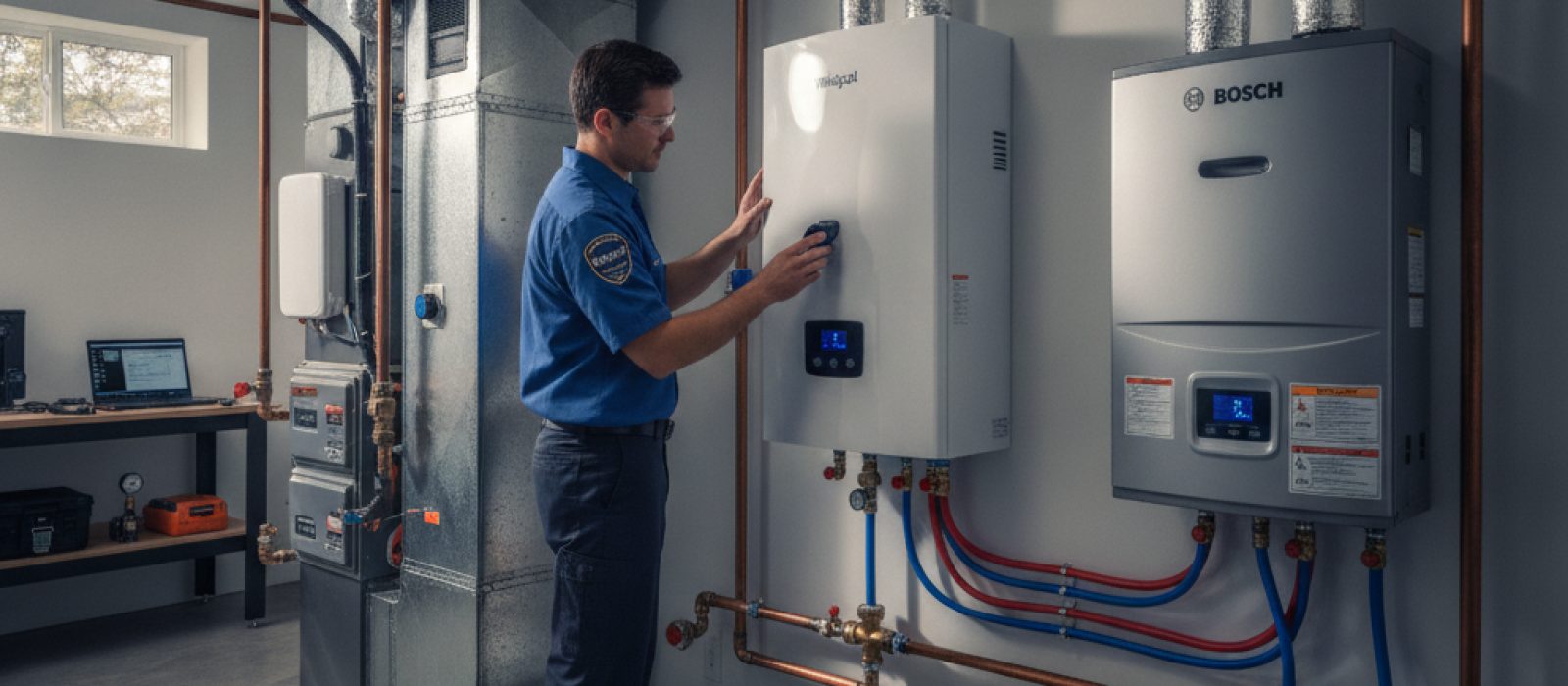
A practical guide to understanding the operational differences, maintenance needs, and common troubleshooting steps for Whirlpool and Bosch water heaters.
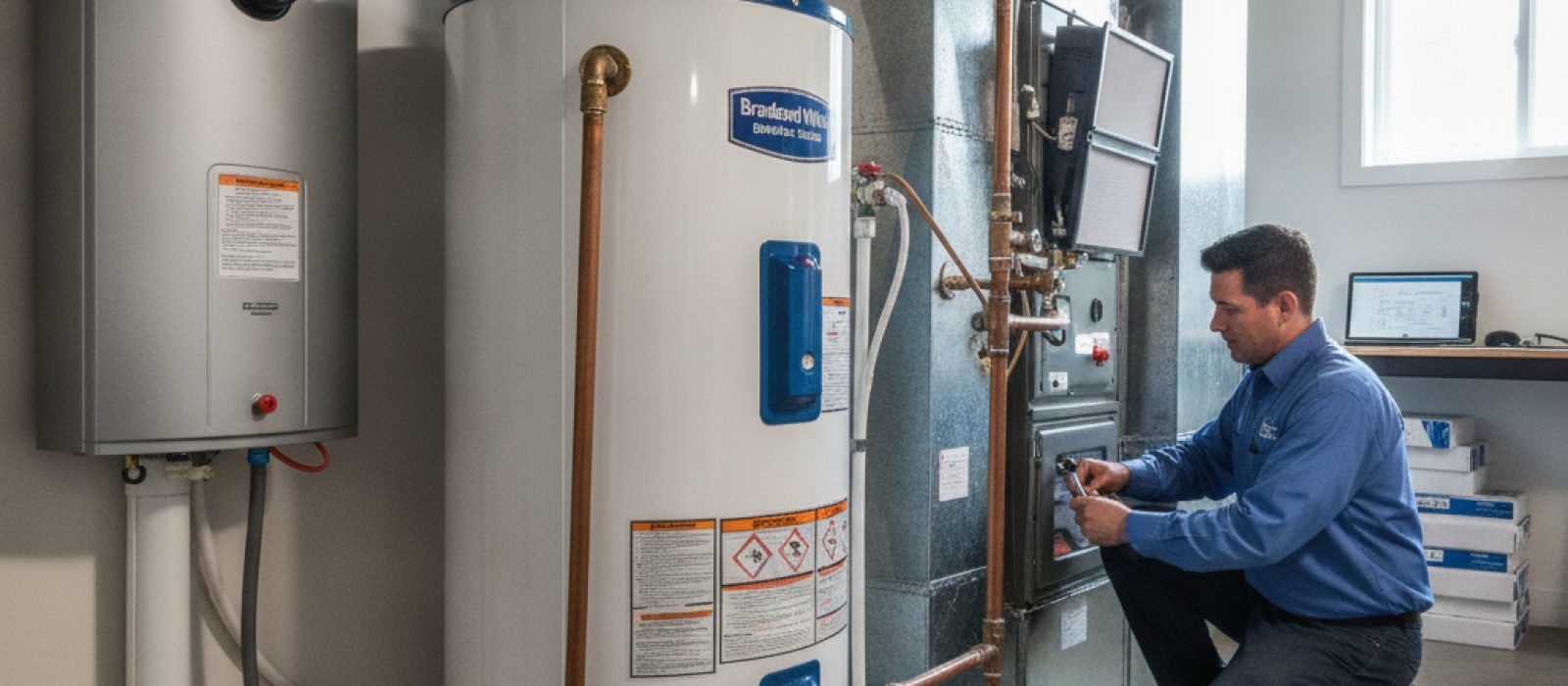
Learn how to choose between 40 and 75-gallon Bradford White water heaters and understand which model fits your home's hot water demands.

Learn how attic fans manage thermal buildup, the factors influencing installation costs, and the critical mistakes to avoid for a balanced home system.
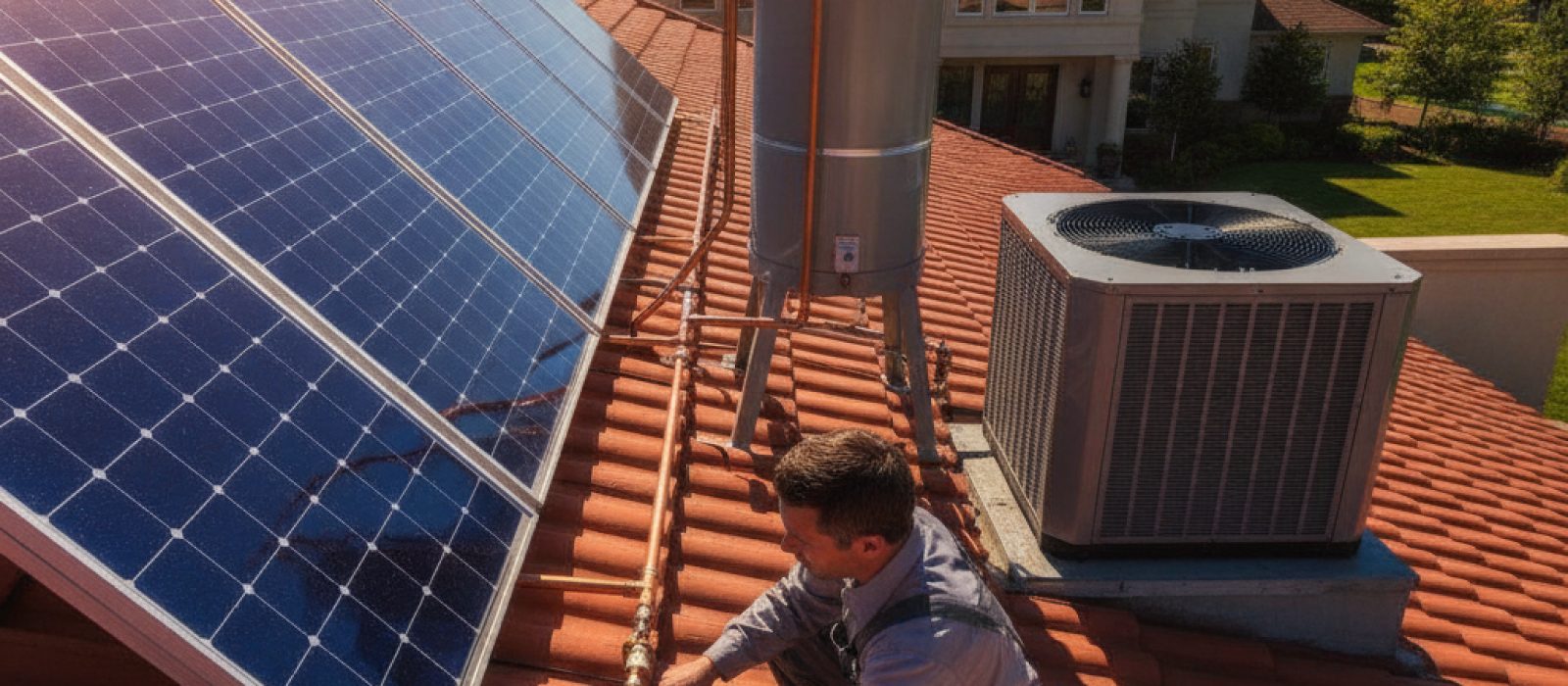
Understand the mechanics, efficiency benefits, and practical considerations of installing a solar-powered water heating system in your home.
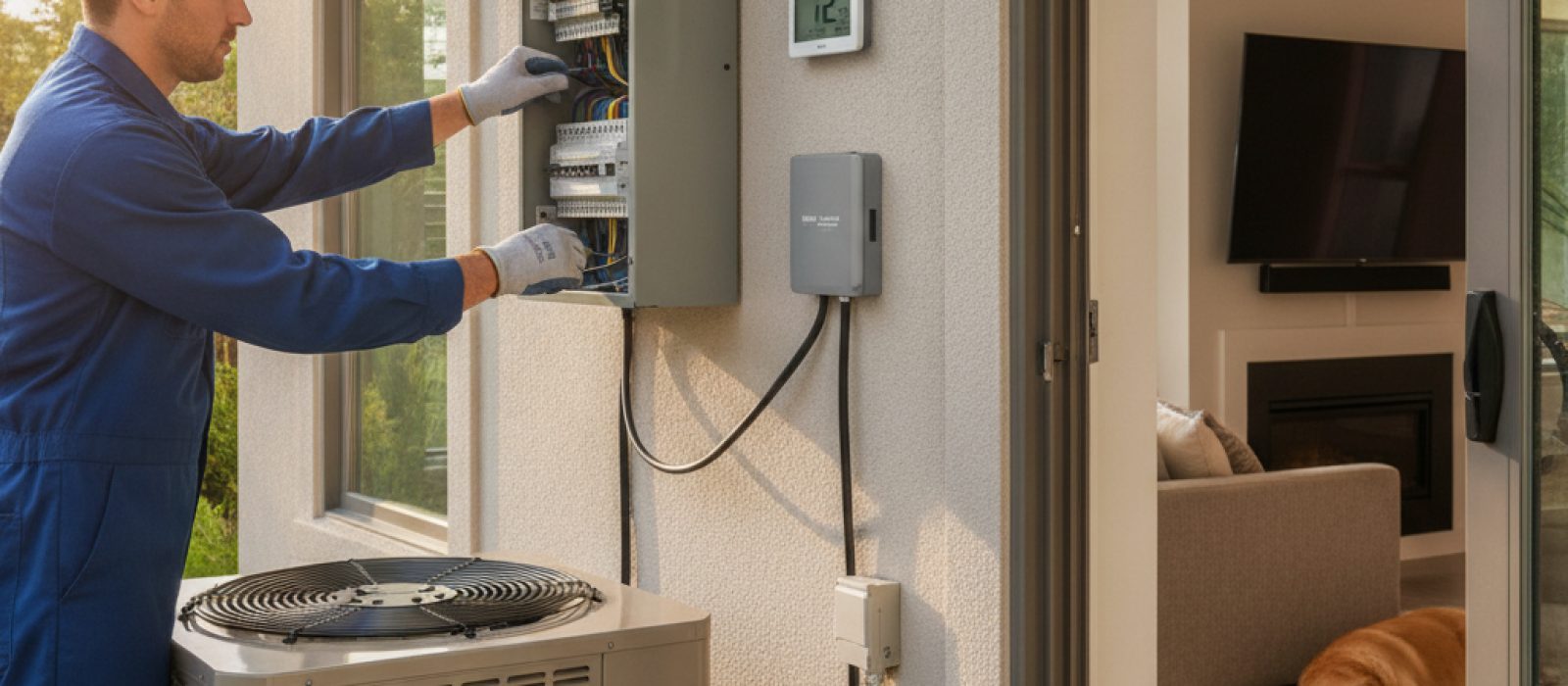
Learn how whole-house surge protectors safeguard sensitive HVAC equipment and home electronics from damaging power spikes and electrical surges.
Be the first to comment.