
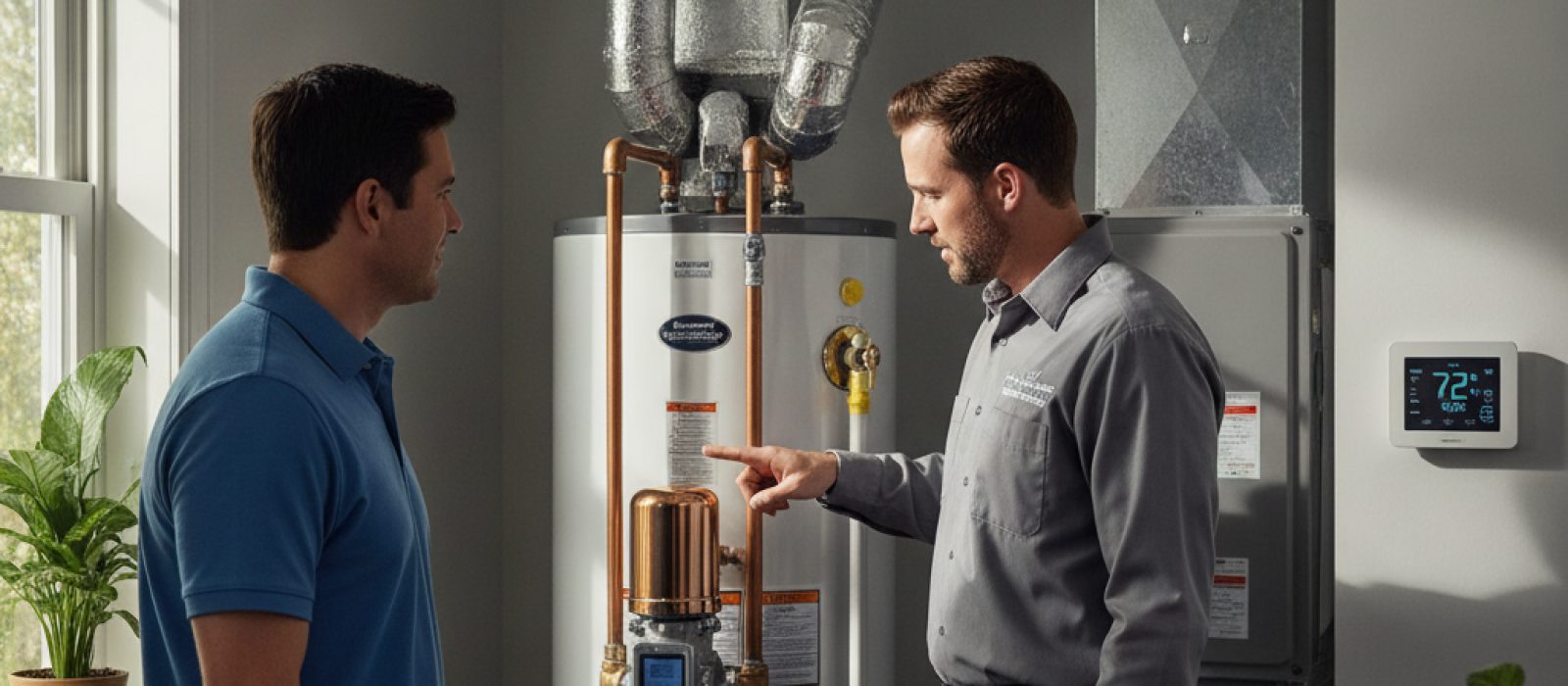
Hot Water Recirculating Pumps: How They Work and What They Cost
Learn how hot water recirculating pumps provide instant hot water, the different installation types, and the factors that influence overall project costs.
4 min read

Moving into a new apartment often involves adjusting to a pre-existing climate control system that may feel mysterious. Renters frequently have limited access to the core mechanical components of their HVAC setup, but there are several practical steps to take to ensure personal comfort and system efficiency. This guide outlines the boundaries between routine tenant maintenance and the responsibilities that fall under the purview of property management.
While apartment management is generally responsible for major repairs, the daily operation of the system often rests with the occupant. Proper care of the equipment within your reach can prevent minor inconveniences from escalating into service calls.
Air filters are the first line of defense for both your indoor air quality and the longevity of the HVAC unit. If your apartment has a return vent with a removable grille, check the filter status every month. If the filter is gray, clogged with dust, or physically damaged, it is time for a replacement. Consult your lease or management office to determine if they provide replacements or if you are responsible for purchasing them. Using the wrong size or an overly restrictive filter can strain the blower motor, leading to performance issues.
System performance relies on consistent airflow. Ensure that furniture, curtains, and rugs are not blocking supply registers or return vents. When air cannot circulate freely, the system must work harder to reach the set temperature, which increases energy consumption and puts unnecessary stress on the blower. Keep the area around your thermostat clear of heat-producing electronics or lamps, as these can trick the sensor into reading the room as warmer than it actually is.
Certain HVAC issues require professional intervention. Attempting to repair electrical components, refrigerant lines, or gas-fired equipment without proper licensing is dangerous and often violates lease agreements. Notify management immediately if you notice:
These symptoms may indicate a need for professional Maintenance & Tune-up or more extensive diagnostics. If you suspect an issue with your Thermostat Services, document the behavior—such as the thermostat screen going blank or the device failing to communicate with the furnace—before submitting a maintenance request.
Many apartment complexes utilize centralized systems, such as a boiler or a large chiller plant that serves the entire building. In these environments, you may not have the ability to switch between heating and cooling at will. During seasonal transitions, buildings often perform a "changeover" where the entire system is switched from one mode to the other. If your unit seems stuck in heating mode during an unseasonably warm spring day, it is likely a building-wide limitation rather than a defect in your specific apartment.
Beyond temperature control, managing the air you breathe is a vital aspect of apartment living. If you struggle with seasonal allergies or dust, consider the role of Indoor Air Quality. While you cannot install a whole-home purification system, you can reduce pollutants by keeping windows closed during high-pollen days and regularly dusting surfaces. If the air in your unit feels excessively stagnant, inquire with management about the schedule for professional Air Duct Cleaning, as dust buildup in common ventilation shafts can affect individual units.
Even if you do not pay for heating or cooling directly through your electricity bill, optimizing your energy usage is a responsible habit. Use heavy curtains or blinds to block direct sunlight during the hottest parts of the day to reduce the load on your air conditioner. In the winter, ensure windows are fully latched to prevent drafts. If you find that your apartment remains consistently uncomfortable despite these efforts, request that management inspect the weather stripping around doors and windows. In some cases, small adjustments to the building's infrastructure can significantly improve the efficacy of your Energy Efficient Solutions.
Learn how hot water recirculating pumps provide instant hot water, the different installation types, and the factors that influence overall project costs.
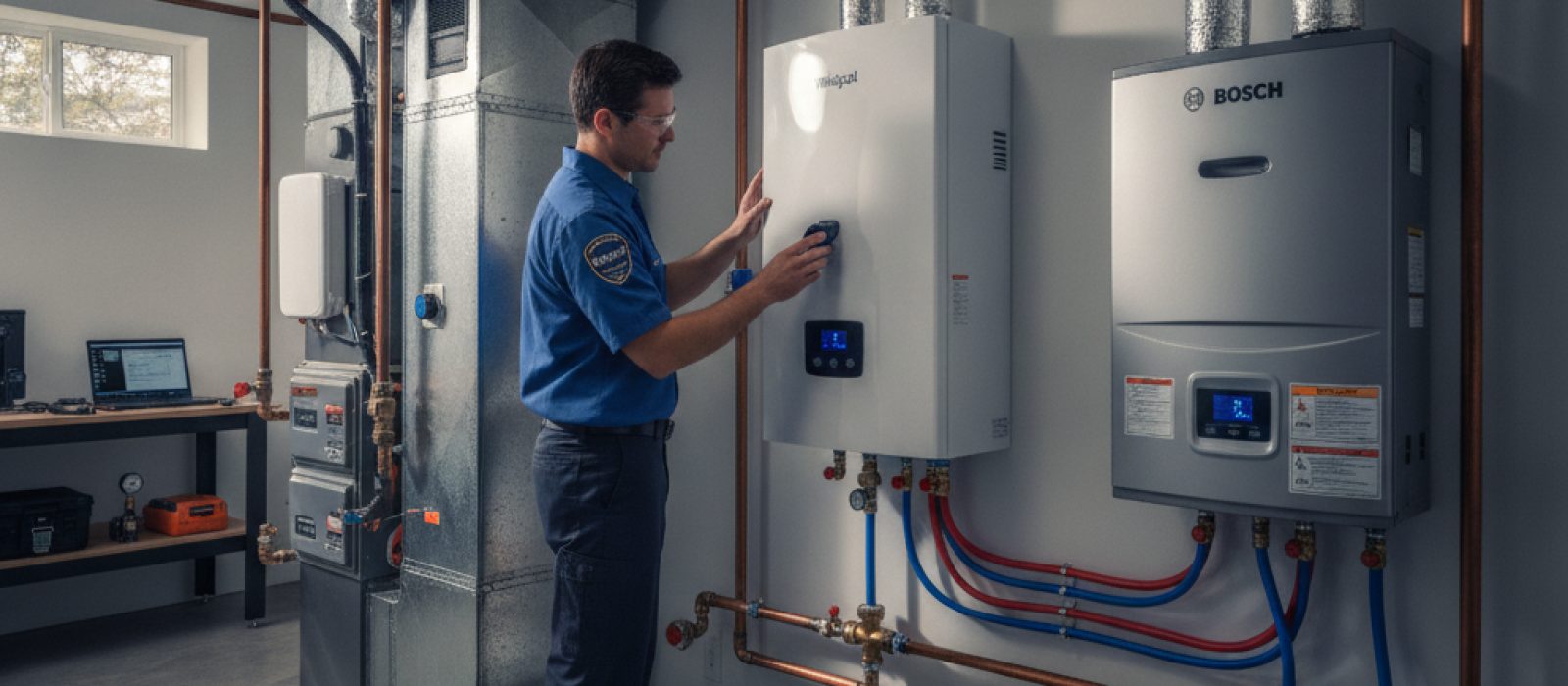
A practical guide to understanding the operational differences, maintenance needs, and common troubleshooting steps for Whirlpool and Bosch water heaters.
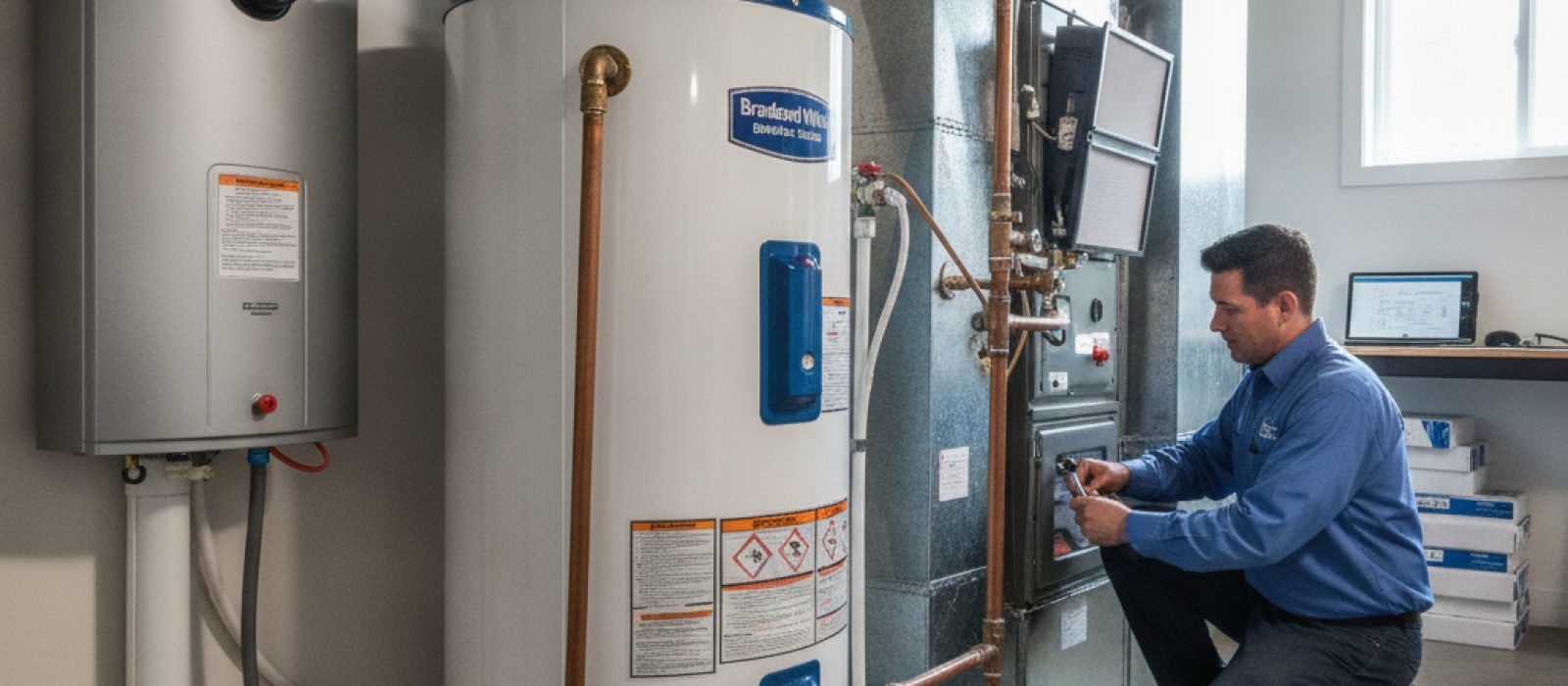
Learn how to choose between 40 and 75-gallon Bradford White water heaters and understand which model fits your home's hot water demands.
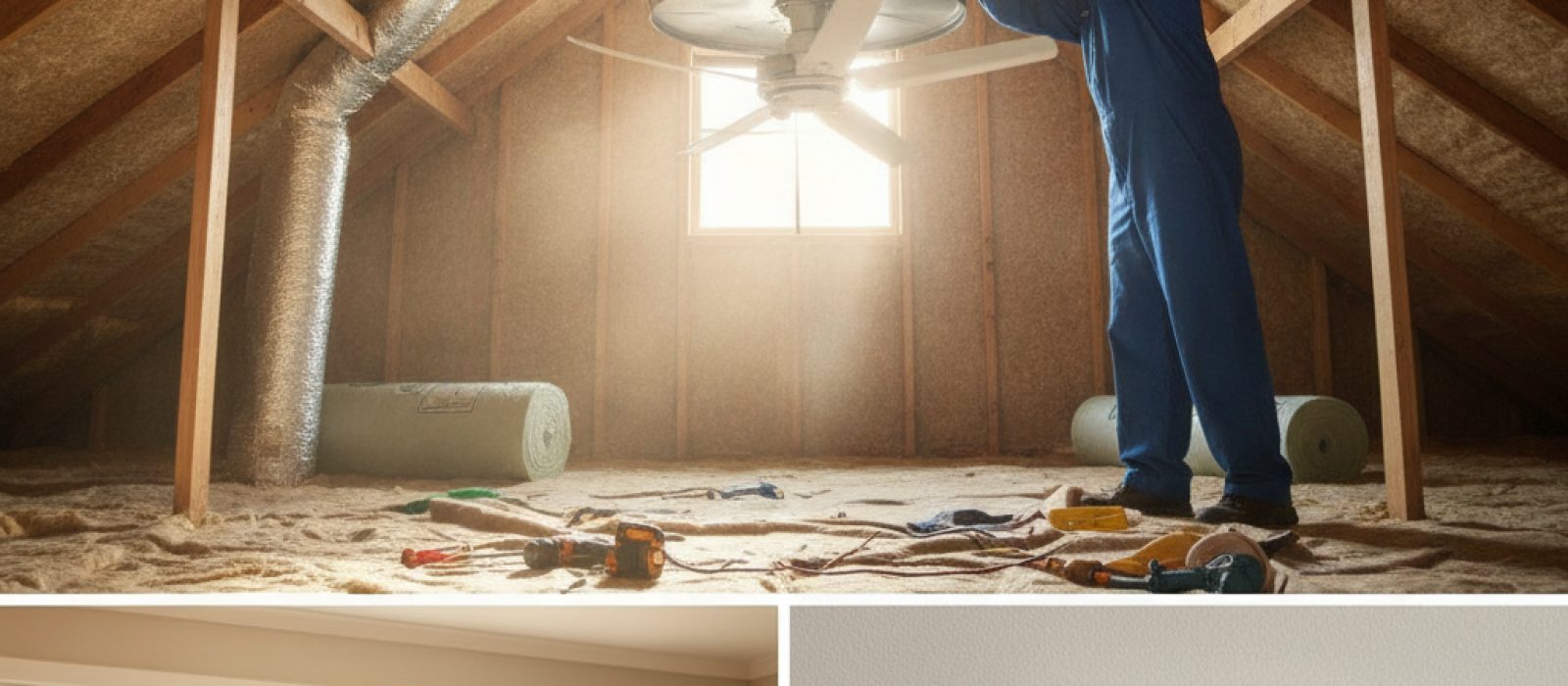
Learn how attic fans manage thermal buildup, the factors influencing installation costs, and the critical mistakes to avoid for a balanced home system.
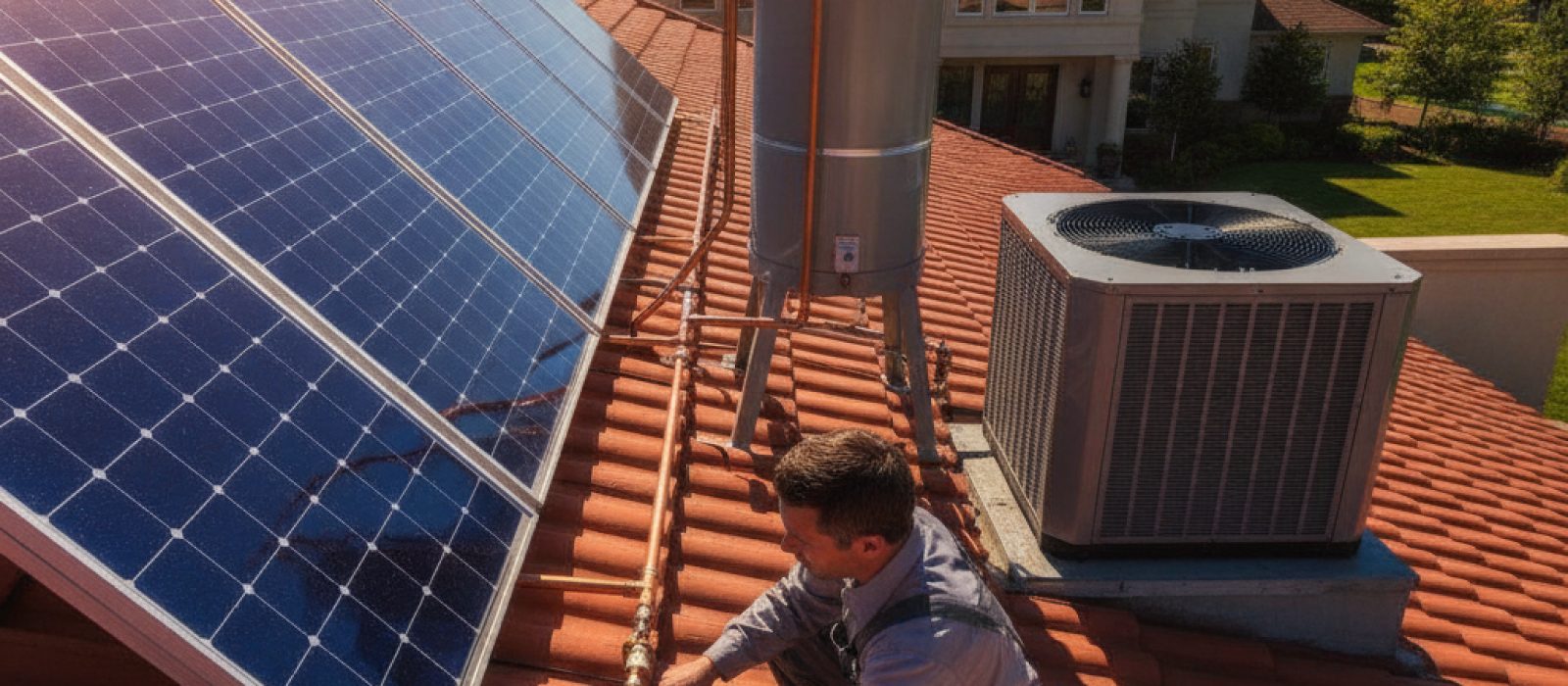
Understand the mechanics, efficiency benefits, and practical considerations of installing a solar-powered water heating system in your home.
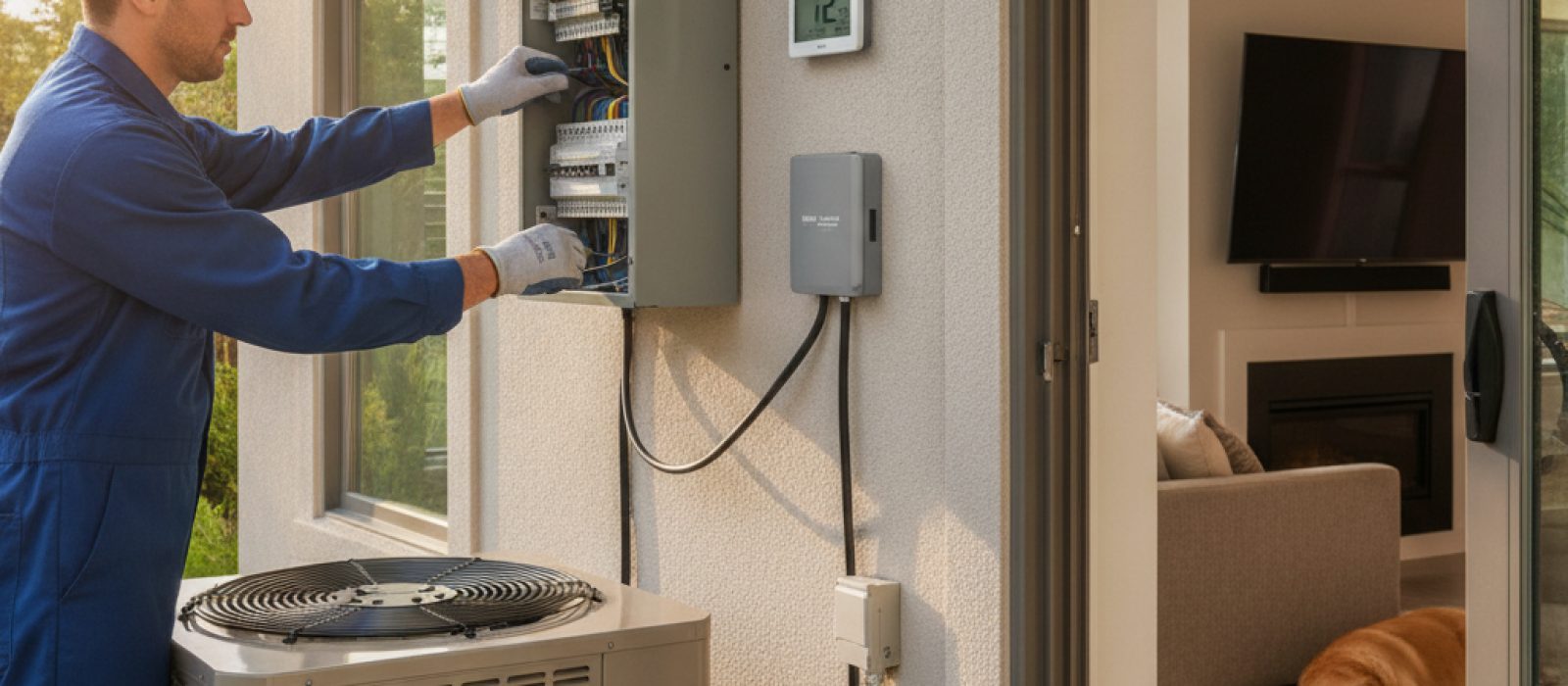
Learn how whole-house surge protectors safeguard sensitive HVAC equipment and home electronics from damaging power spikes and electrical surges.
Be the first to comment.