
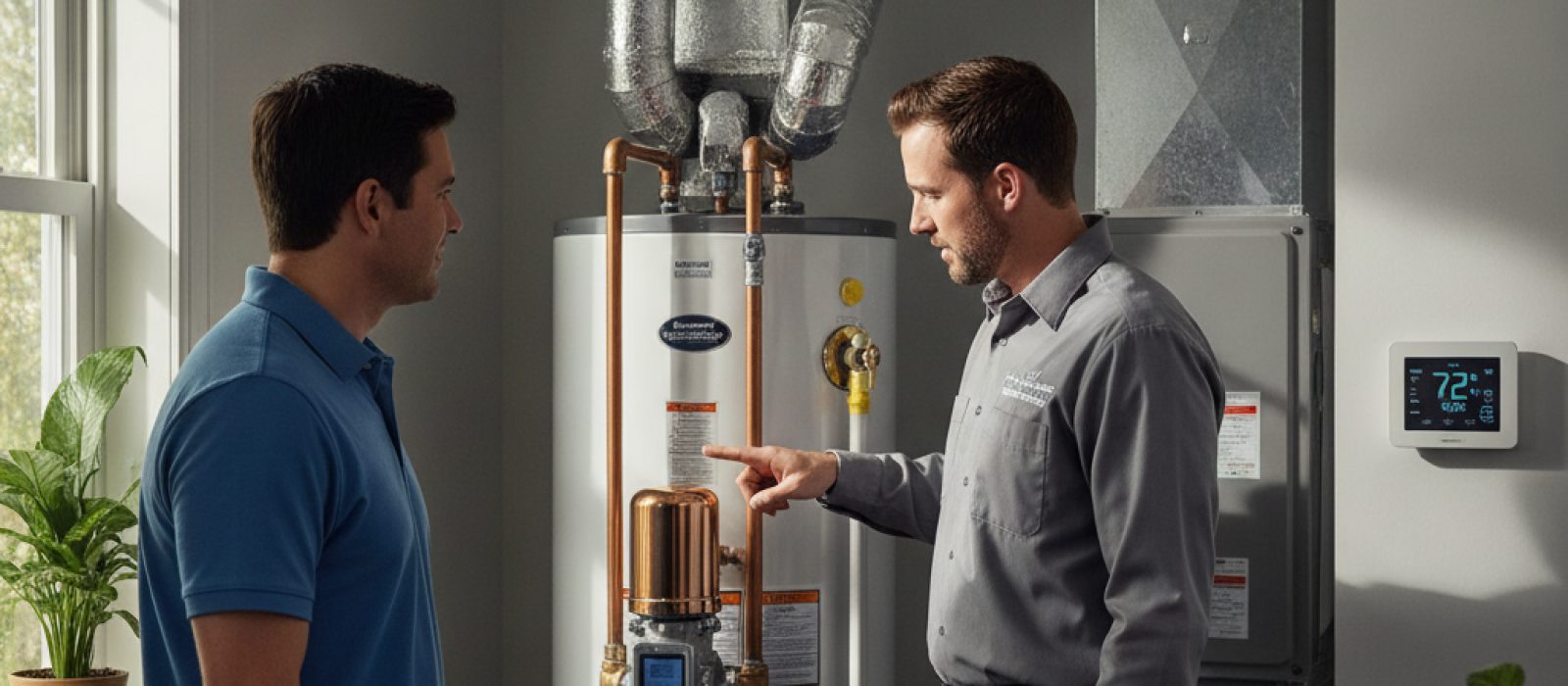
Hot Water Recirculating Pumps: How They Work and What They Cost
Learn how hot water recirculating pumps provide instant hot water, the different installation types, and the factors that influence overall project costs.
4 min read

Homeowners looking to upgrade their climate control systems have access to federal tax credits designed to incentivize the transition to high-efficiency electric heating and cooling. These credits directly reduce the amount of income tax owed, rather than acting as a simple deduction. This guide outlines how these financial mechanisms function, the eligibility requirements for equipment, and the practical steps for securing these benefits.
The primary federal incentive for residential heat pump installation falls under the Energy Efficient Home Improvement Credit. This provision allows homeowners to claim a percentage of the total project cost as a tax credit, subject to annual caps. The credit is intended to offset the initial investment required for modern, high-performance equipment.
To qualify, the installed heat pump must meet specific performance standards established by the government. These standards are typically based on efficiency ratings like the Seasonal Energy Efficiency Ratio (SEER2) and the Heating Seasonal Performance Factor (HSPF2). It is essential to confirm that the specific model selected meets these criteria before installation, as non-compliant units will not qualify for the credit.
Not every heat pump qualifies for the maximum credit amount. The system must be part of a primary residence and must be expected to remain in use for a certain period. Because standards are updated periodically to encourage higher performance, homeowners should consult with a qualified installer to verify that the equipment meets current requirements.
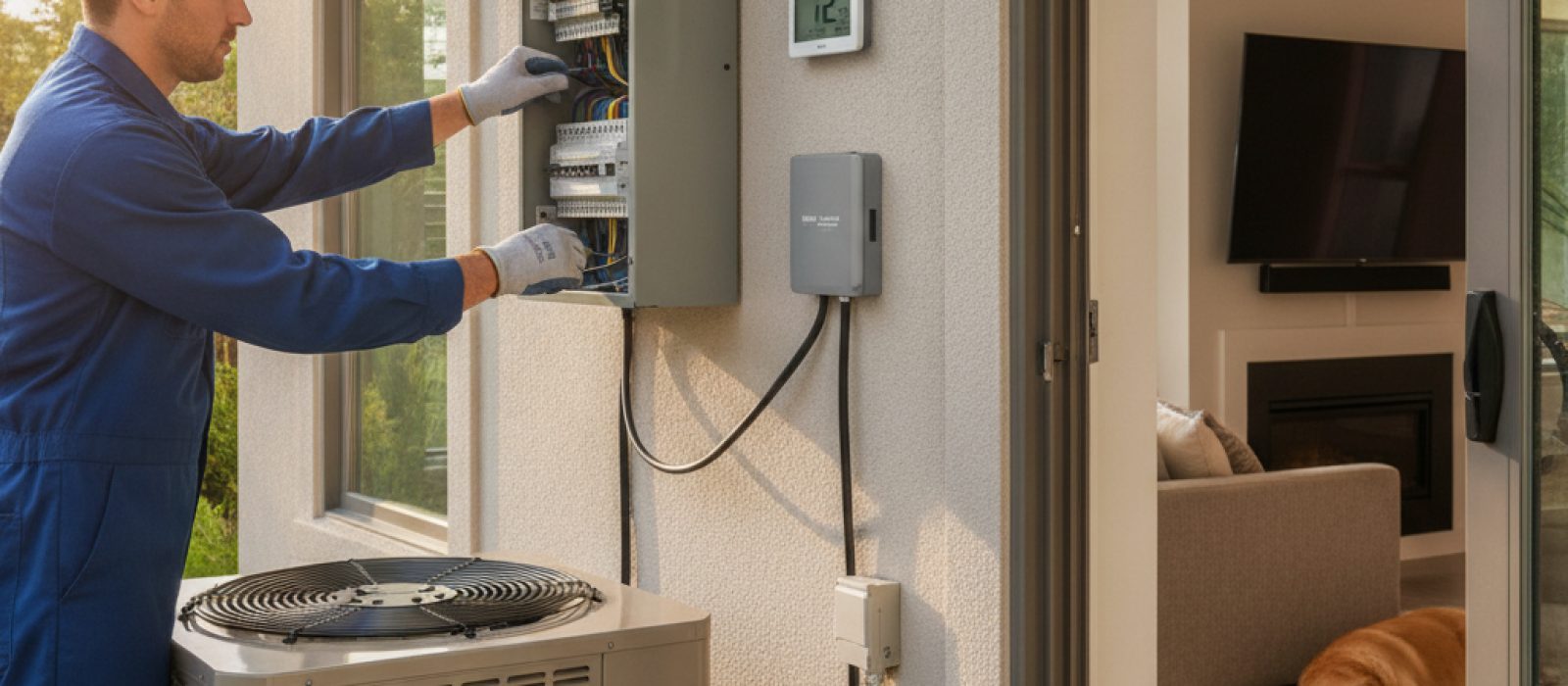
When planning an upgrade, consider how your existing infrastructure interacts with new technology. For example, some homes require Electrical Services to upgrade the panel or wiring to support a modern heat pump system. Ensuring the electrical infrastructure is compatible is a critical step that should be handled by a licensed professional to ensure safety and code compliance.
Securing the tax credit requires meticulous record-keeping. The Internal Revenue Service (IRS) requires documentation that proves the installed equipment meets the necessary efficiency standards. Homeowners should retain the following documents as part of their tax files:
Consulting with a tax professional or utilizing specialized tax software can help ensure that the credit is claimed correctly on the appropriate tax forms. Because these credits are non-refundable, they can only reduce a tax liability to zero, and any excess credit cannot be carried forward to future years in most cases.
Installing a heat pump is often part of a larger strategy to improve home comfort and lower utility bills. Many homeowners find that pairing a new heat pump with other Energy Efficient Solutions, such as improved insulation or air sealing, maximizes the effectiveness of the system. A well-sealed home prevents conditioned air from escaping, allowing the heat pump to operate within its most efficient range.
Additionally, if the new system is replacing an older furnace or air conditioner, it may be necessary to address the existing distribution system. Ductwork Services can ensure that the current duct layout is properly sized and free of leaks. Leaky ducts can significantly reduce the efficiency of any HVAC system, effectively negating the energy savings you hope to achieve with a high-efficiency heat pump.
While the financial incentive is a significant benefit, the long-term performance of a heat pump relies heavily on proper installation. Improperly sized or installed equipment can lead to premature mechanical failure, uneven heating or cooling, and increased energy consumption.
Homeowners should avoid attempting to install or modify refrigerant-based systems themselves. Handling refrigerants requires specialized certifications and equipment, and improper handling poses significant safety risks and environmental hazards. Always rely on professional Heat Pumps installation services to ensure the system is charged correctly, the airflow is balanced, and all electrical connections are secure.
Before committing to a specific system, perform a comprehensive assessment of your home's needs. A professional load calculation is necessary to determine the correct capacity for your climate and square footage. A system that is too large will cycle on and off too frequently, while a system that is too small will struggle to maintain comfortable temperatures during extreme weather.
Consider the timing of your installation. Scheduling work during the off-season for HVAC contractors can sometimes lead to more flexible appointment availability. Regardless of when you install, ensure that your contractor provides a detailed warranty and a maintenance plan. Regular Maintenance & Tune-up visits are vital to keeping your system running at peak efficiency and preserving the manufacturer's warranty, which is often a condition of long-term equipment performance.
Learn how hot water recirculating pumps provide instant hot water, the different installation types, and the factors that influence overall project costs.
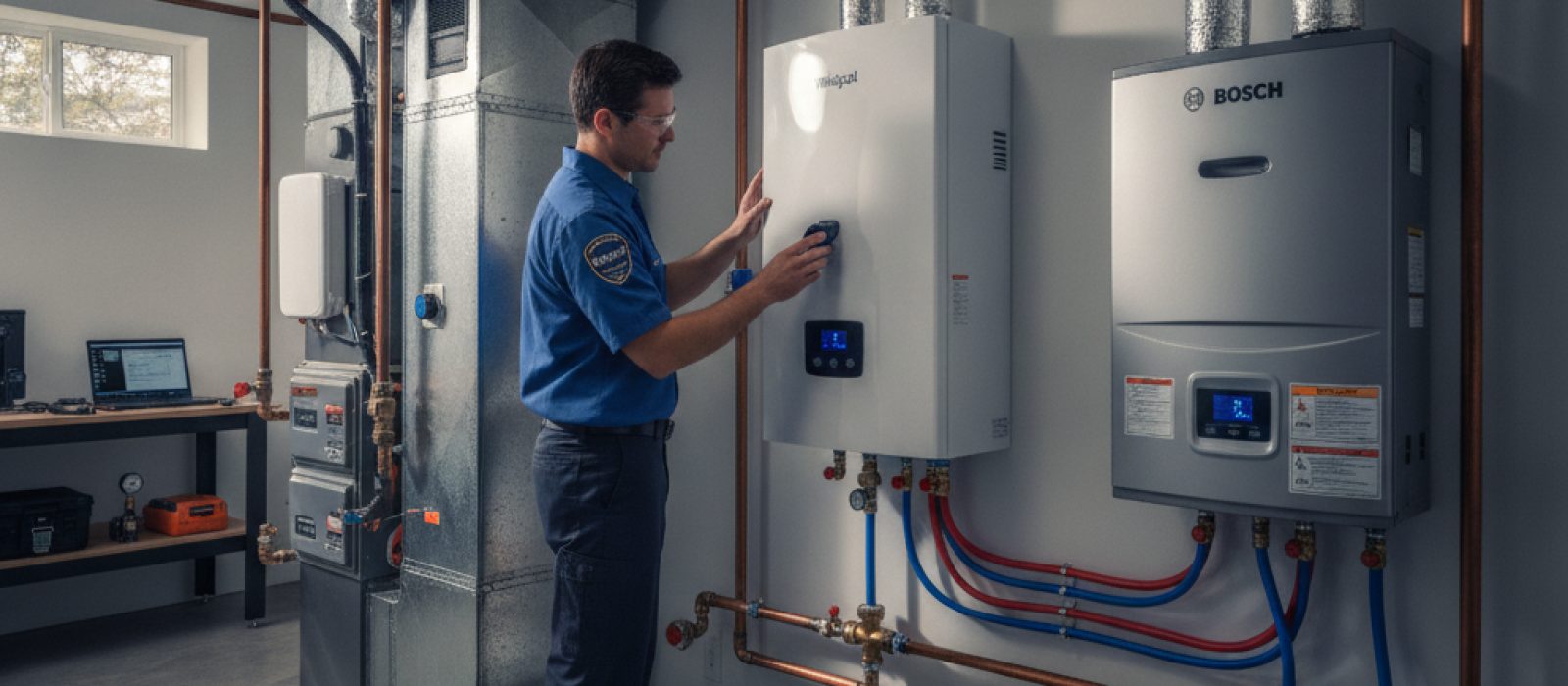
A practical guide to understanding the operational differences, maintenance needs, and common troubleshooting steps for Whirlpool and Bosch water heaters.
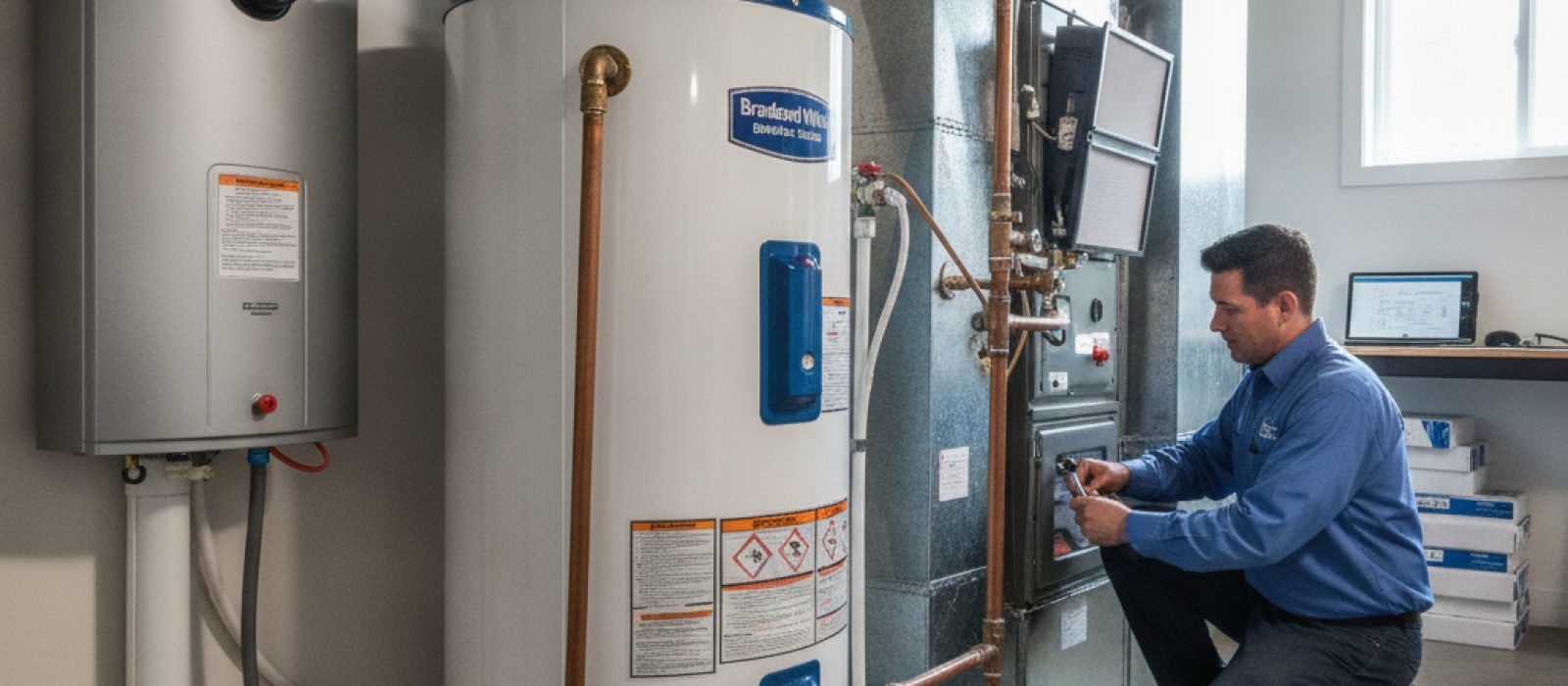
Learn how to choose between 40 and 75-gallon Bradford White water heaters and understand which model fits your home's hot water demands.

Learn how attic fans manage thermal buildup, the factors influencing installation costs, and the critical mistakes to avoid for a balanced home system.
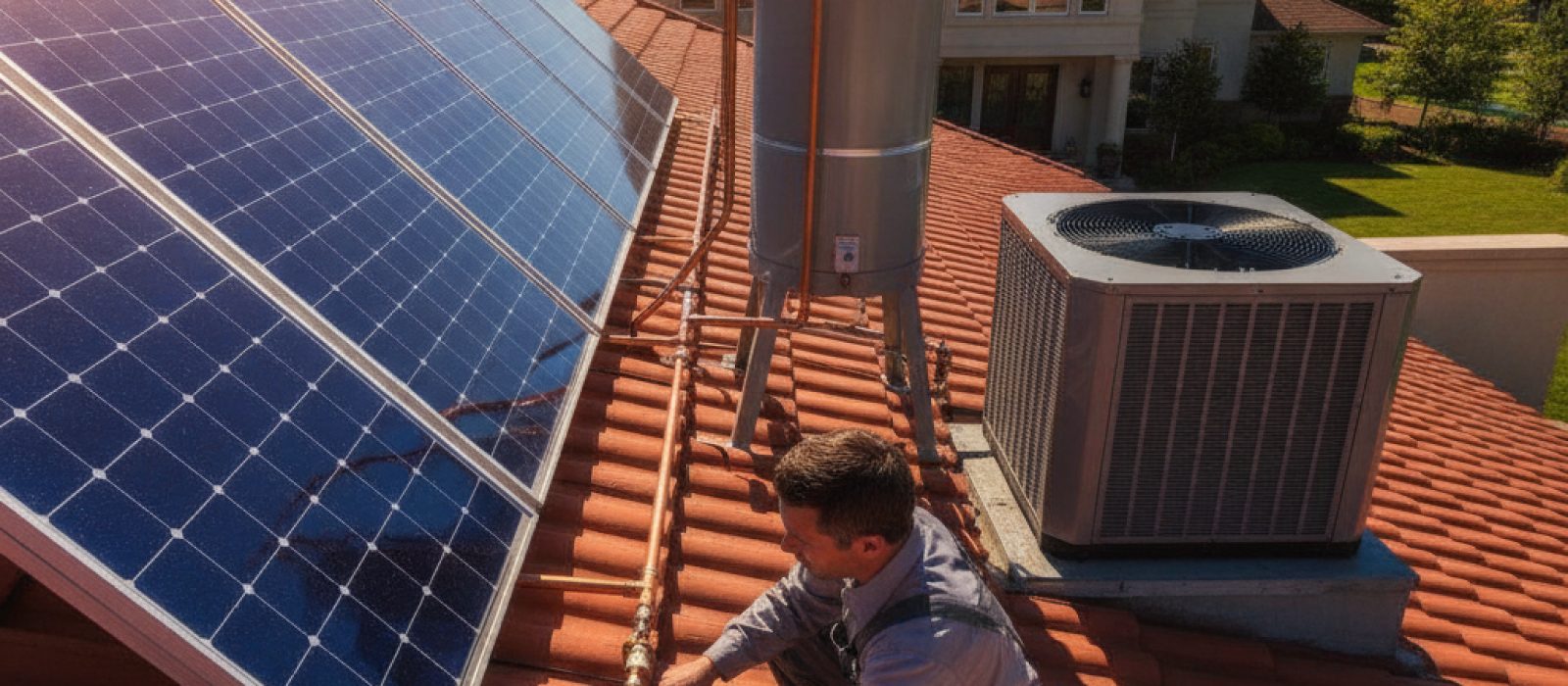
Understand the mechanics, efficiency benefits, and practical considerations of installing a solar-powered water heating system in your home.
Learn how whole-house surge protectors safeguard sensitive HVAC equipment and home electronics from damaging power spikes and electrical surges.
Be the first to comment.