
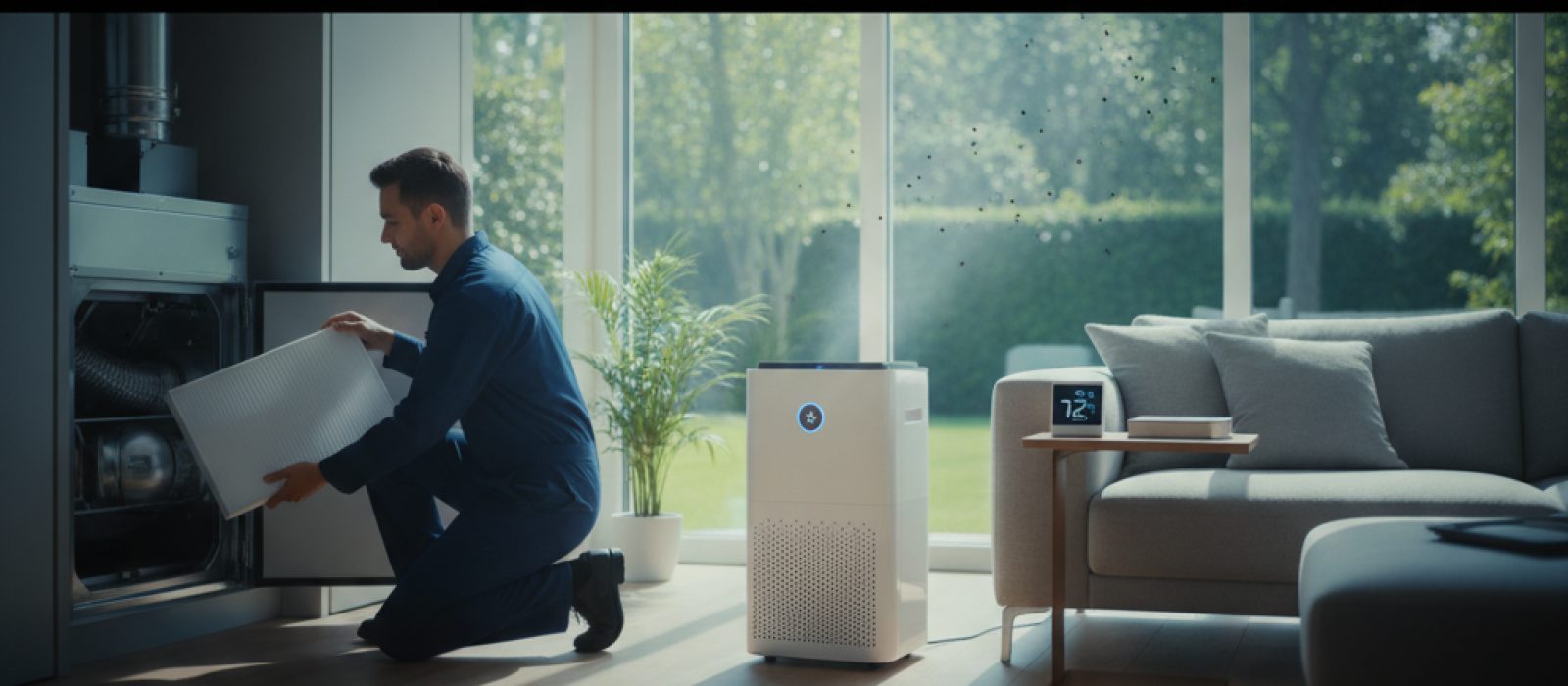
HEPA Air Cleaners for Allergies: What Actually Works
Learn how HEPA air cleaners function, their limitations in home environments, and how to effectively manage indoor air quality for allergy relief.
4 min read

When it comes to indoor air quality, homeowners often hear about HEPA filters. HEPA stands for High-Efficiency Particulate Air. These aren't just any filters; they are a standard defined by the U.S. Department of Energy. To qualify as HEPA, a filter must trap 99.97% of particles that are 0.3 microns in diameter. To put that into perspective, 0.3 microns is a size that’s incredibly difficult to capture, often referred to as the Most Penetrating Particle Size (MPPS). This efficiency means HEPA filters are exceptionally good at removing tiny airborne contaminants like:
Given their impressive capabilities, it's natural for homeowners to wonder if they can simply swap out their existing HVAC filter for a HEPA filter to enjoy cleaner air throughout their entire home.
This is where it gets a bit nuanced. The short answer for most standard residential HVAC systems is: no, not directly, and not without significant modifications. Here's why:
So, if you can't just pop a HEPA filter into your existing slot, what are your options for achieving whole-home HEPA-level air purification?
This is the most effective and recommended solution for residential HEPA filtration. A whole-home HEPA bypass system is a separate, dedicated air purification unit that is professionally installed alongside your existing HVAC system. Here's how it works:
These systems are designed to handle the high resistance of HEPA filters and are often installed with pre-filters to extend the life of the HEPA filter itself.
While not true HEPA, upgrading to a higher MERV (Minimum Efficiency Reporting Value) filter can significantly improve your indoor air quality without overtaxing your system. Most residential HVAC systems can safely handle filters with a MERV rating between 8 and 13. A MERV 13 filter, for example, is excellent at capturing:
Always check your HVAC system's manufacturer specifications or consult with a qualified HVAC technician to determine the maximum MERV rating your system can safely accommodate.
For targeted air purification in specific rooms (like bedrooms or living areas), a standalone portable HEPA air purifier is an excellent choice. These units are self-contained and draw air through their own HEPA filters, providing localized clean air without impacting your HVAC system.
Improving your home's indoor air quality is a worthwhile goal, especially for allergy sufferers or those concerned about airborne contaminants. However, it's crucial to approach filter upgrades and purification systems correctly to avoid damaging your HVAC system.
Before making any changes, we strongly recommend consulting with a trusted HVAC professional. An expert can:
While the allure of a simple HEPA filter swap is strong, understanding the technical limitations of your home's HVAC system is key to making informed decisions that protect your investment and genuinely improve your indoor air quality.
Learn how HEPA air cleaners function, their limitations in home environments, and how to effectively manage indoor air quality for allergy relief.
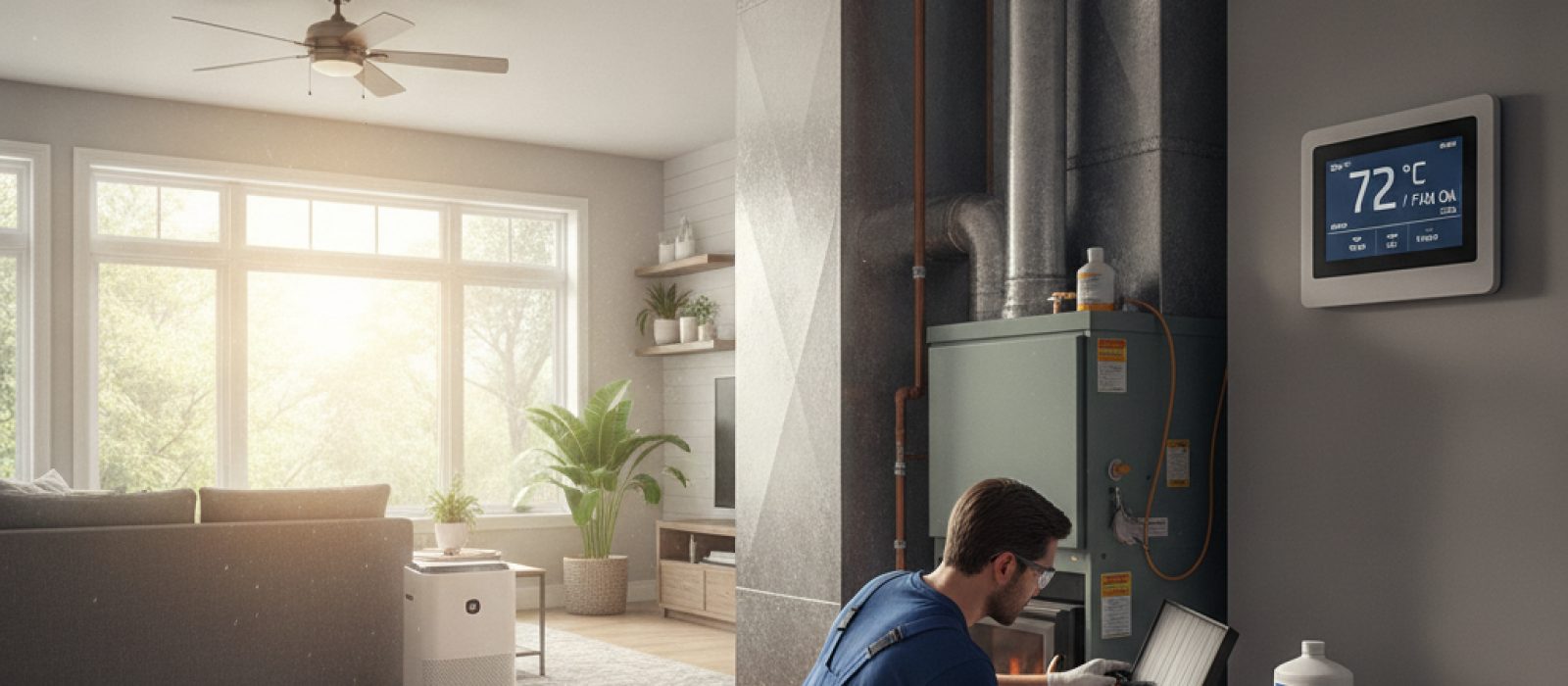
Learn to identify common indoor pollutants and discover practical, effective strategies to improve the air quality within your home.
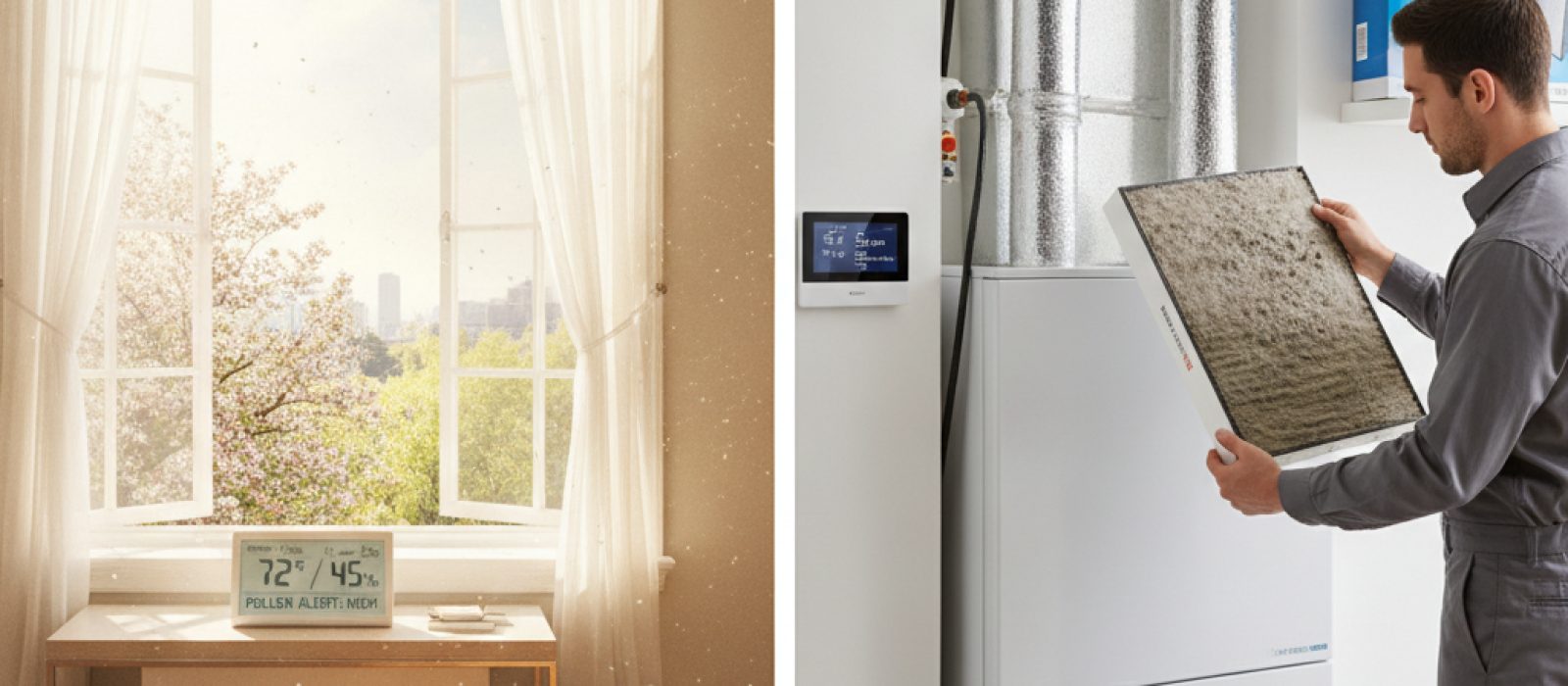
Learn the balance between natural ventilation and mechanical filtration to maintain optimal indoor air quality in your home.
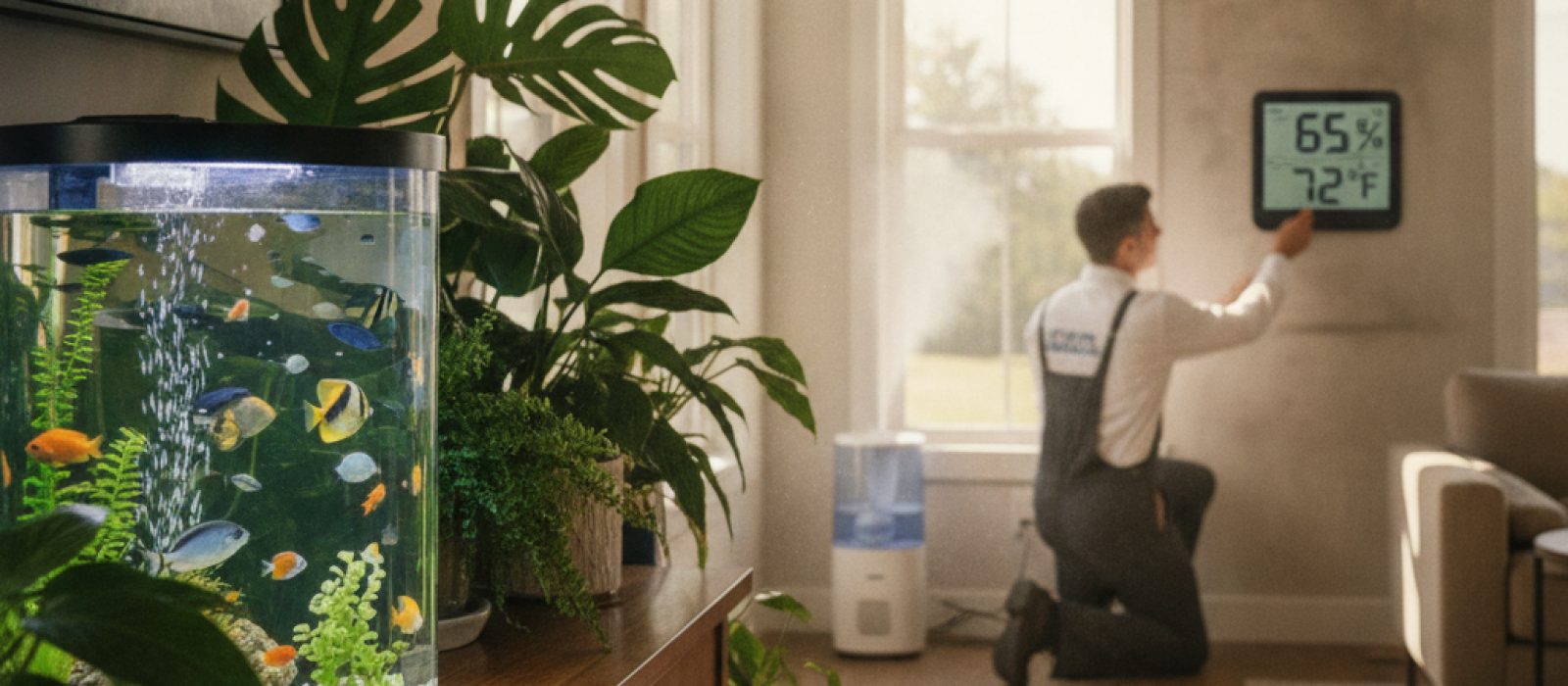
Learn how common household features like aquariums and plants impact indoor air quality and how to manage the resulting humidity levels effectively.
Discover how holiday traditions impact your home's indoor air quality and learn practical steps to maintain a healthy breathing environment this winter.
Improve productivity and health by optimizing the indoor air quality of your home office through ventilation, filtration, and humidity control.
Be the first to comment.