
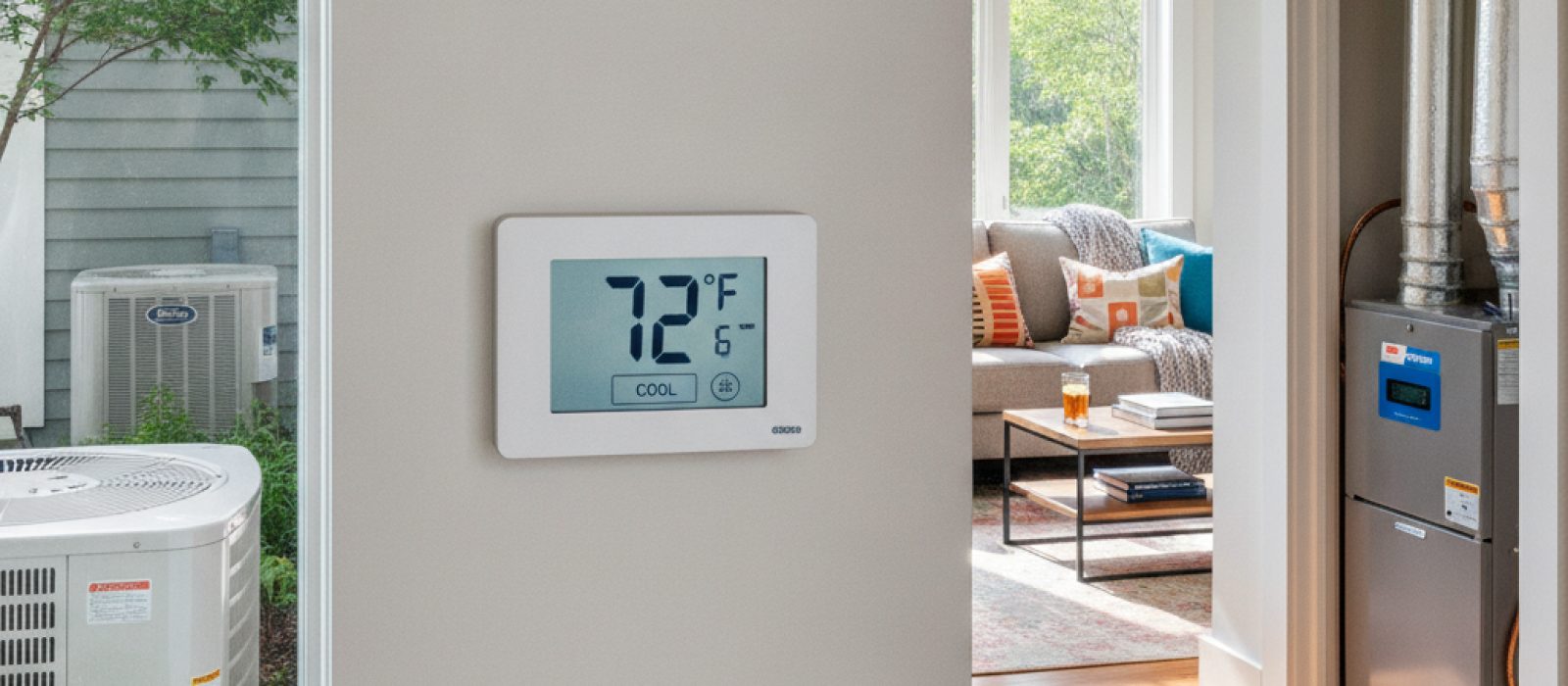
York, Ruud, Bryant and American Standard HVAC: Brand Overview
A guide to understanding the cooling technology and reliability of four major HVAC manufacturers for U.S. homeowners.
4 min read

Integrating modern cooling systems into historic properties requires a delicate balance between thermal comfort and architectural preservation. Older homes were often designed with passive cooling features like high ceilings, transoms, and cross-ventilation, which may no longer suffice in modern climate conditions. Retrofitting these structures involves navigating narrow wall cavities, fragile plaster, and the need to maintain the original visual character of the home.
Ductless mini-split systems are frequently the top choice for historic properties. These systems consist of an outdoor compressor connected to one or more indoor air-handling units via small, unobtrusive conduits. Because they require no bulky ductwork, they eliminate the need to compromise attic space or drop ceilings, which would otherwise destroy original moldings and architectural features.
Installation is relatively minimally invasive. A professional technician only needs to drill a small hole through the wall to connect the refrigerant lines and electrical wiring. This preservation-friendly approach makes them ideal for homes where structural modifications are strictly prohibited or undesirable.
When a homeowner desires whole-home cooling without the aesthetic impact of wall-mounted units, high-velocity systems offer a viable alternative. These systems utilize flexible, insulated tubing that is only a few inches in diameter. These small ducts can be threaded through existing wall cavities, floor joists, and attic spaces, often avoiding the need for major demolition.
The air is delivered through small, circular outlets that can be placed in floors, walls, or ceilings. These outlets are often small enough to be painted to match the surrounding decor, making them virtually invisible. Professional installers must be precise when routing these tubes to avoid damaging historic lath-and-plaster walls.
Retrofitting any cooling system must be paired with an assessment of the building envelope. Historic homes often suffer from air leakage, which forces cooling systems to work harder and reduces efficiency. Before installing a new system, consider professional Ductwork Services if existing vents are present, as leaky or poorly insulated ducts in older homes are a primary source of energy loss.
Additionally, focus on Indoor Air Quality during the retrofit. Older homes with tight-fitting windows and doors may trap dust, allergens, and moisture. Modern cooling systems can include filtration components that improve the air environment, but they must be properly sized to avoid short-cycling, which can lead to humidity issues in older, porous building materials.
Historic building materials, such as brick, stone, and wood, are highly susceptible to moisture damage. A poorly installed cooling system can create condensation pockets within wall cavities if the humidity levels are not managed correctly. Proper sizing is critical; an oversized unit will cool the space too quickly without removing sufficient humidity, potentially leading to mold or rot in historic framing.
Consulting with professionals who specialize in Maintenance & Tune-up services for vintage properties ensures that the equipment operates at peak efficiency. Regular inspections help catch potential moisture leaks before they impact the structural integrity of the home. Technicians experienced in historic retrofits understand the nuances of how these homes 'breathe' and can adjust settings to maintain a healthy indoor climate without over-stressing the building's original materials.
The visual impact of an HVAC system is not limited to the interior. Outdoor condensers can be eyesores in a historic garden or courtyard. Landscape screening, such as lattice panels or strategic plantings, can hide the equipment while ensuring adequate airflow. Never block the intake or exhaust of a unit, as this will force the compressor to work harder and shorten its lifespan.
If the exterior of the home is protected by local historic commissions, verify local ordinances before placing any equipment. Some jurisdictions require HVAC units to be placed in specific locations or screened from public view. Working with a contractor who understands these local regulations is essential for a smooth installation process.
Many historic homes have outdated electrical panels that cannot support the load of a modern central air or high-velocity system. Before finalizing any cooling plans, seek Electrical Services to verify that your current capacity is sufficient. Attempting to force a high-load HVAC system onto an old electrical service can lead to tripped breakers or significant fire risks. A professional electrician can determine if a service upgrade is necessary to safely power your new, efficient cooling system.
A guide to understanding the cooling technology and reliability of four major HVAC manufacturers for U.S. homeowners.
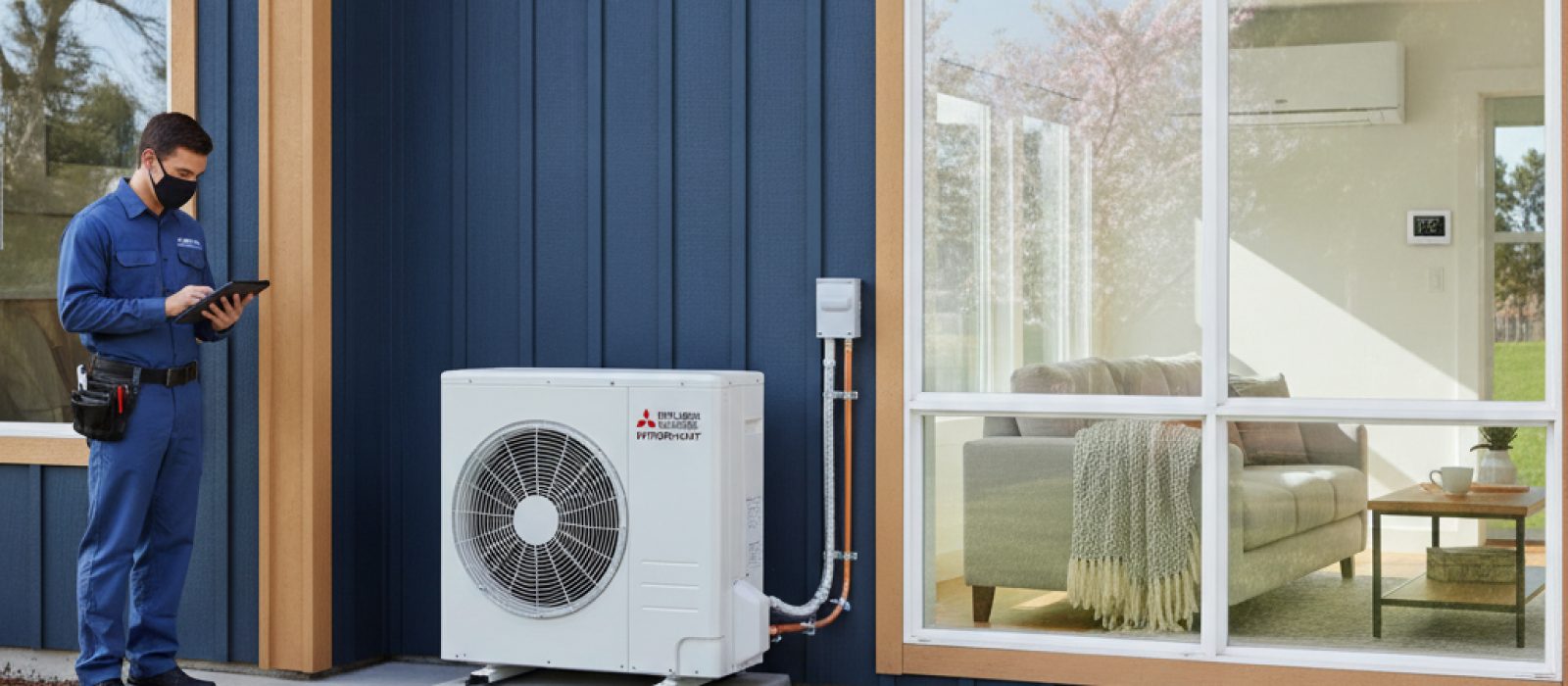
A comprehensive look at Mitsubishi mini-split technology and Hyper-Heat performance for year-round climate control in U.S. homes.
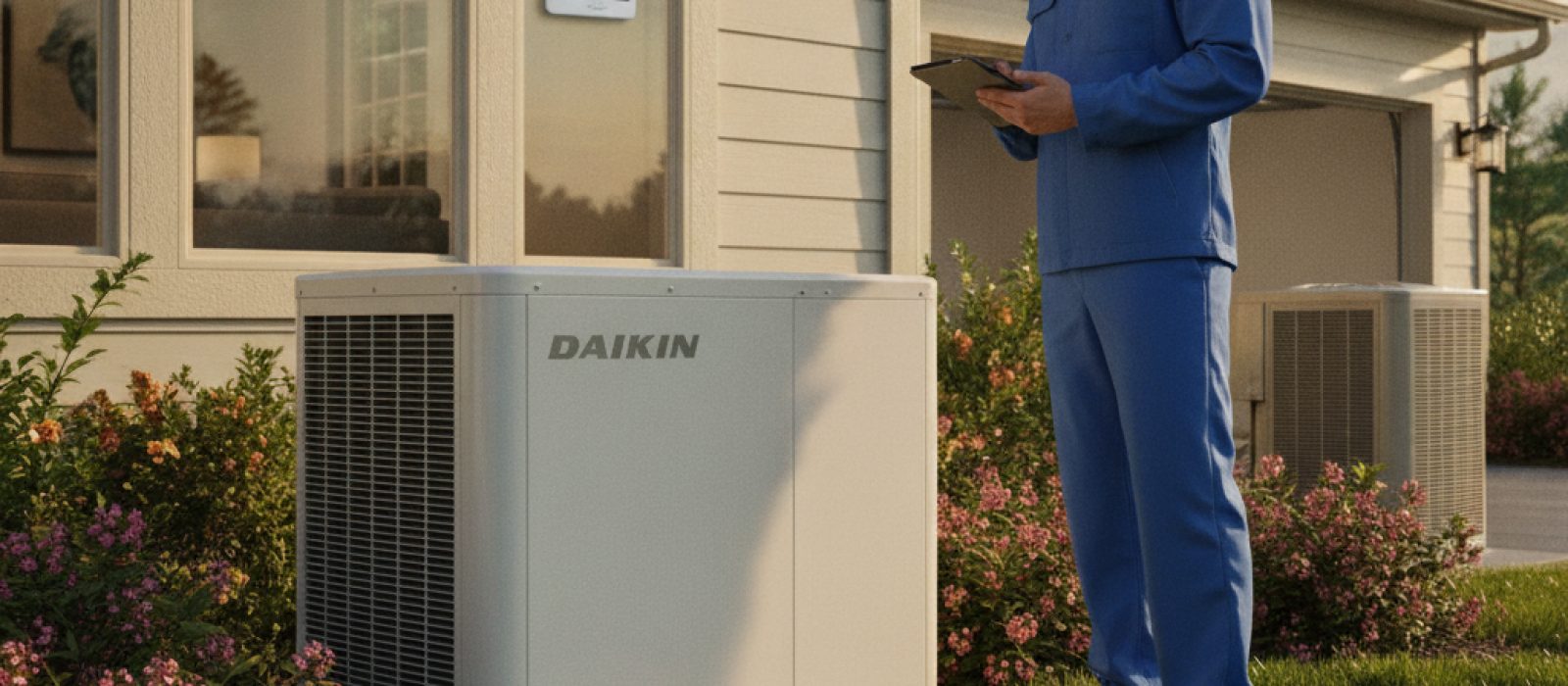
A comprehensive guide to understanding Daikin HVAC systems, including model tiers, standard maintenance requirements, and factory warranty coverage.
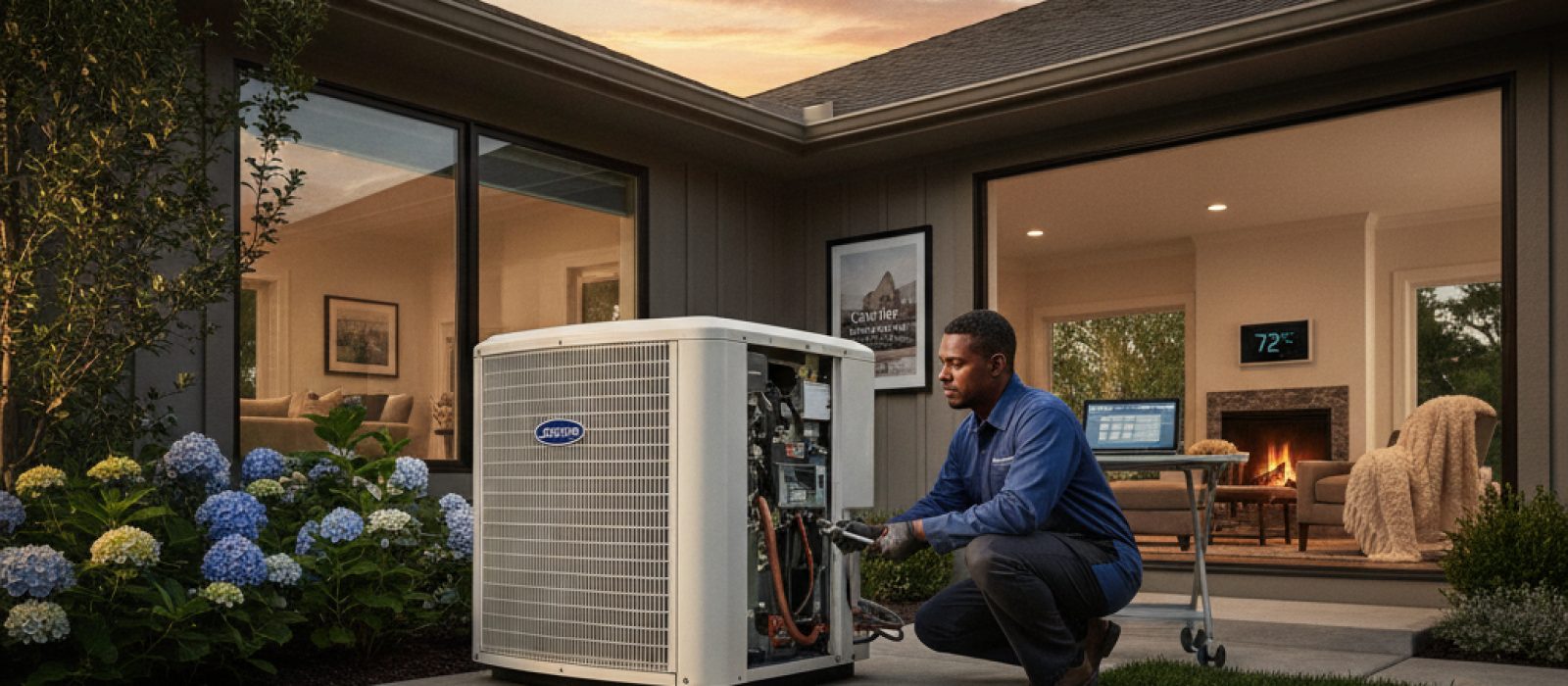
A comprehensive guide to understanding Carrier air conditioning systems, efficiency ratings, installation factors, and maintenance requirements.
An objective look at Goodman HVAC systems, covering performance, longevity, and what homeowners should know before choosing a budget-friendly cooling solution.
A guide to understanding Trane residential cooling systems, including component integration and maintenance requirements for homeowners.
Be the first to comment.