
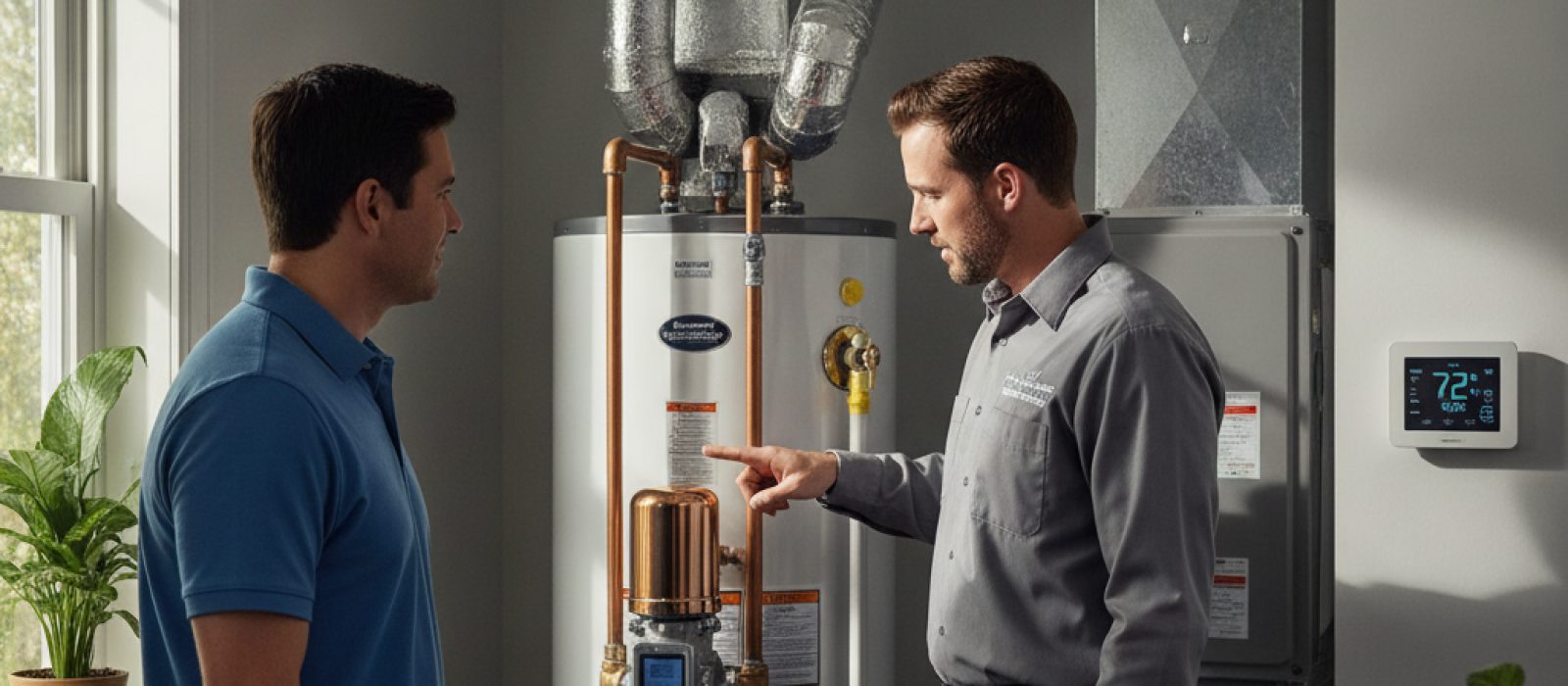
Hot Water Recirculating Pumps: How They Work and What They Cost
Learn how hot water recirculating pumps provide instant hot water, the different installation types, and the factors that influence overall project costs.
4 min read

Homeowners often confuse home warranties with HVAC service plans, yet these two options serve fundamentally different purposes. A home warranty is typically a broad contract that covers the repair or replacement of various home systems and appliances when they fail due to normal wear and tear. In contrast, an HVAC service plan is a targeted agreement focused exclusively on the longevity, efficiency, and performance of your heating and cooling equipment.
Understanding this distinction is vital for long-term budget planning. While a warranty acts as a safety net for unexpected mechanical failures, a service plan functions as a proactive strategy to prevent those failures from occurring in the first place.
Home warranties are generally structured to address catastrophic or sudden breakdowns. When a major component, such as a furnace blower motor or an air conditioner compressor, stops working, the warranty provider typically coordinates a repair or replacement through their network of contractors.
It is important to note that home warranties rarely cover pre-existing conditions or systems that have been poorly maintained. If a technician determines that a failure resulted from a lack of routine care, the claim is frequently denied.
An HVAC service plan is designed to bridge the gap between simple operation and system optimization. These plans are usually offered by local HVAC contractors and are tailored to the specific climate and equipment requirements of your property.
Regular Maintenance & Tune-up visits are the cornerstone of these plans. By ensuring that coils are cleaned, filters are replaced, and electrical connections are tightened, technicians can identify potential issues before they escalate into emergency situations. This proactive approach often extends the lifespan of the equipment significantly compared to systems that receive no professional oversight.
Maintenance is the most significant point of divergence between these two options. A home warranty contract often mandates that you prove proper maintenance has been performed if you file a claim. If you cannot produce records of professional Maintenance & Tune-up, the provider may void the coverage for that specific breakdown.
Conversely, an HVAC service plan is built around the schedule of maintenance. By participating in a plan, you maintain a documented history of system health. This documentation is not only useful for insurance purposes but also adds value to the home if you decide to sell the property, as it demonstrates that the systems have been professionally cared for.
A home warranty may be a practical choice for homeowners who have recently purchased a property with older appliances or systems where the history of care is unknown. It provides a level of financial predictability for those who are concerned about large, sudden repair costs.
However, users should be aware that they often have limited control over which technician is sent to perform the work. If you have a preferred local provider for your Furnace Services or AC Services, a home warranty might not allow you to utilize them, as most providers require the use of their own contracted vendors.
An HVAC service plan is often the preferred choice for homeowners who prioritize system efficiency and long-term reliability. Because these plans are provided by local experts, you build a relationship with a company that understands the specific configuration of your ductwork and equipment.
These plans frequently include priority scheduling for Emergency HVAC situations. During extreme weather events, when demand for technicians is highest, plan members are often moved to the front of the queue. Furthermore, many plans include discounts on parts or labor for non-covered repairs, providing additional savings over the life of the system.
When evaluating costs, look beyond the monthly or annual premium. For a home warranty, consider the cumulative cost of service call fees and the potential for denied claims due to maintenance disputes. For a service plan, consider the energy savings achieved through a well-maintained system.
A system that is cleaned and tuned regularly operates with less resistance, which often leads to lower monthly utility bills. When you factor in the reduced likelihood of needing Emergency HVAC repairs, the service plan often pays for itself through increased efficiency and the avoidance of costly, preventable breakdowns.
Before committing to either option, assess the age and condition of your current systems. If your heating and cooling equipment is nearing the end of its projected lifespan, a home warranty might offer a temporary cushion. If your equipment is relatively new and you intend to keep it for many years, an HVAC service plan is generally the superior choice for preserving its integrity.
Consult with a local professional to discuss the specific needs of your home. A technician can provide an honest assessment of whether your system is a good candidate for a service plan or if it requires more extensive repairs that might fall under the purview of a warranty claim. Always prioritize consistent professional care to ensure your home remains comfortable and efficient throughout the changing seasons.
Learn how hot water recirculating pumps provide instant hot water, the different installation types, and the factors that influence overall project costs.
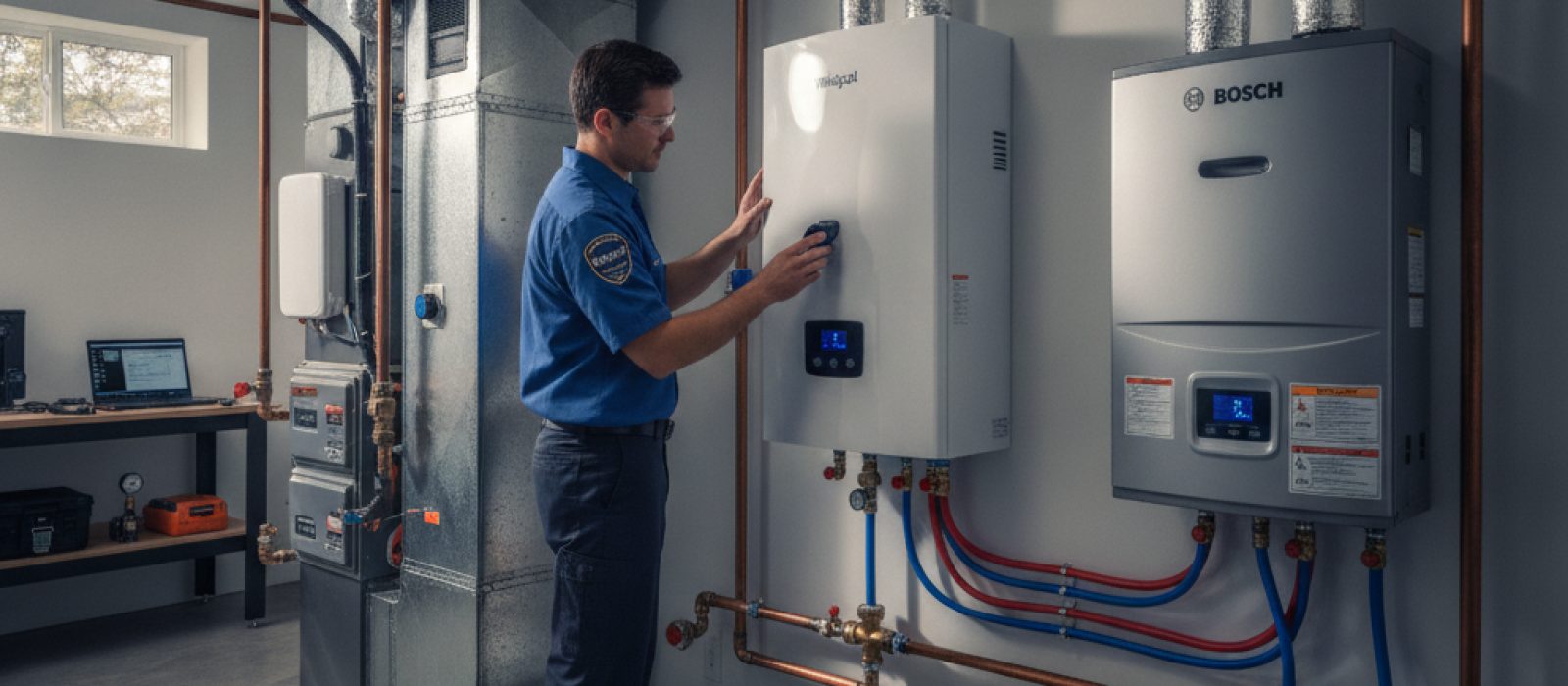
A practical guide to understanding the operational differences, maintenance needs, and common troubleshooting steps for Whirlpool and Bosch water heaters.
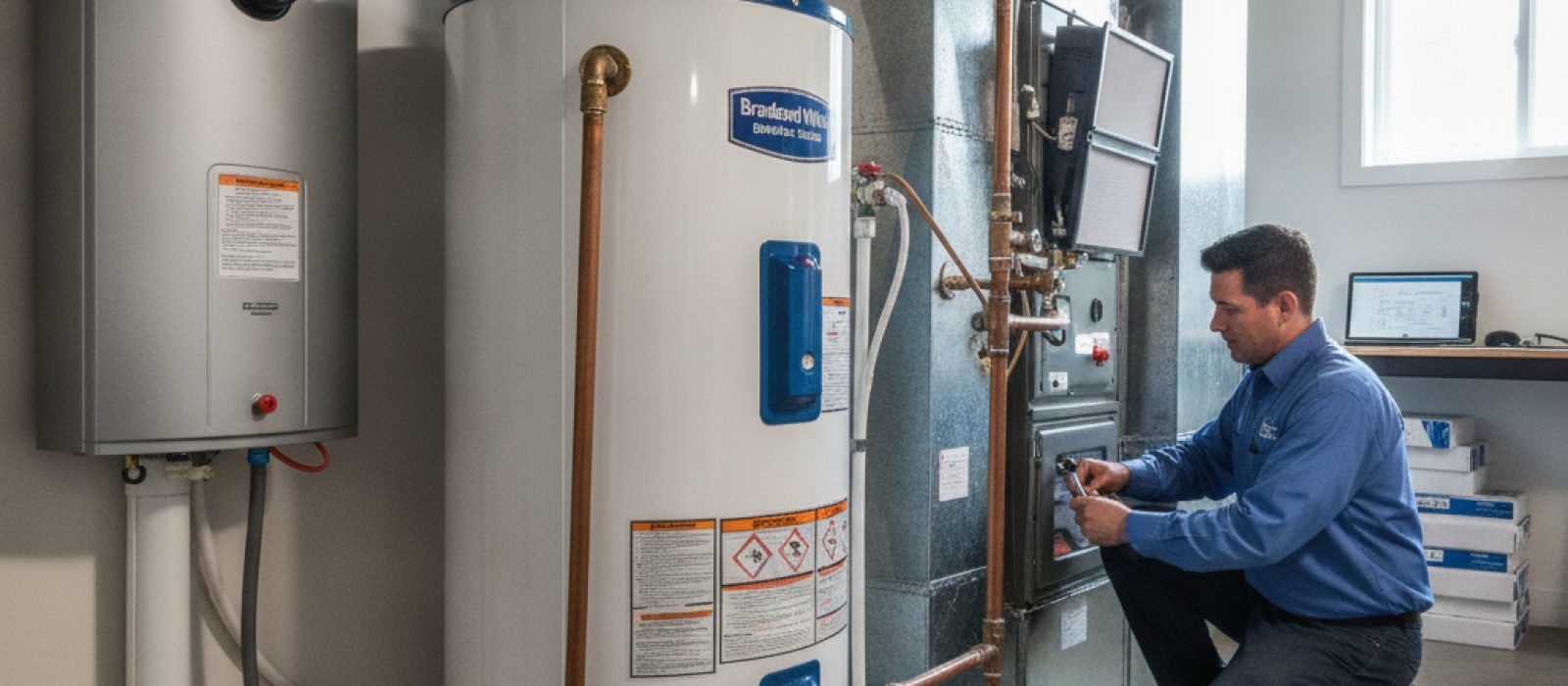
Learn how to choose between 40 and 75-gallon Bradford White water heaters and understand which model fits your home's hot water demands.
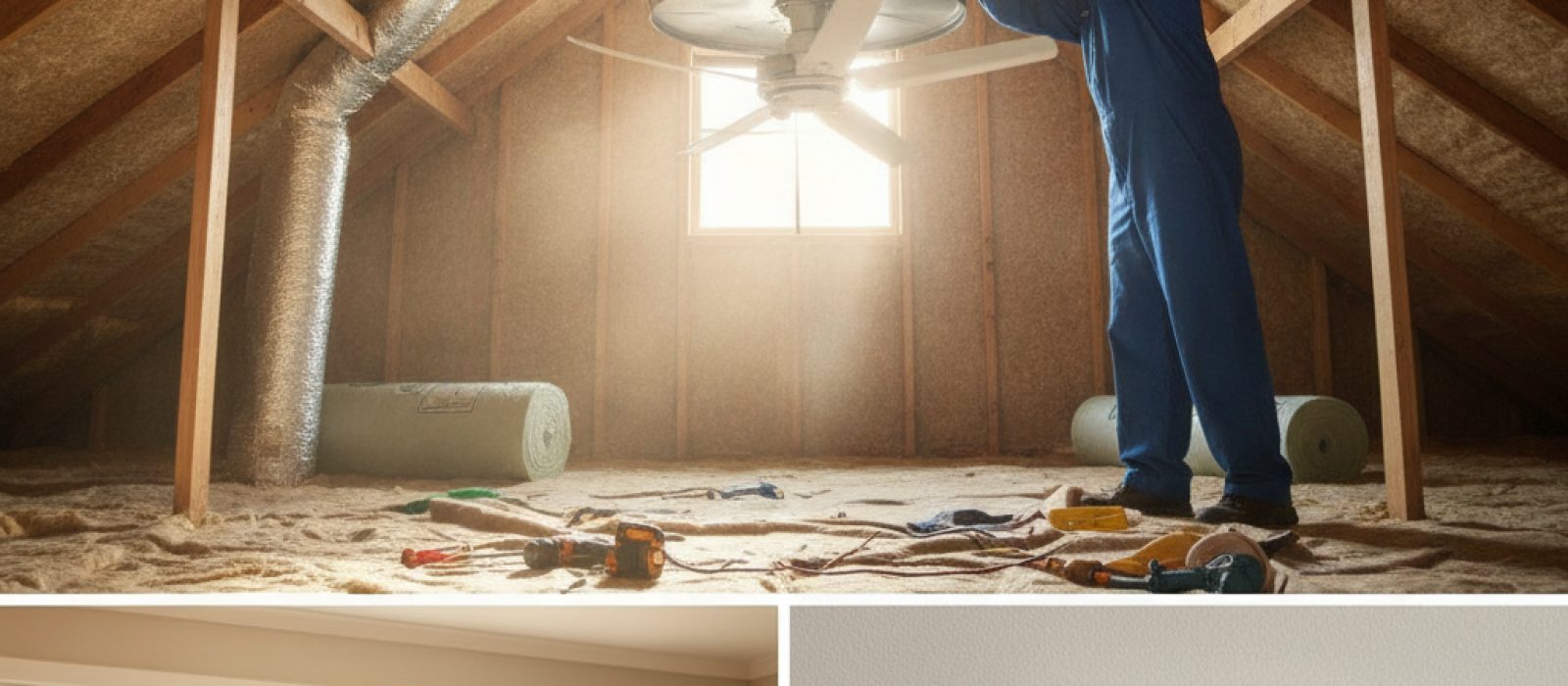
Learn how attic fans manage thermal buildup, the factors influencing installation costs, and the critical mistakes to avoid for a balanced home system.
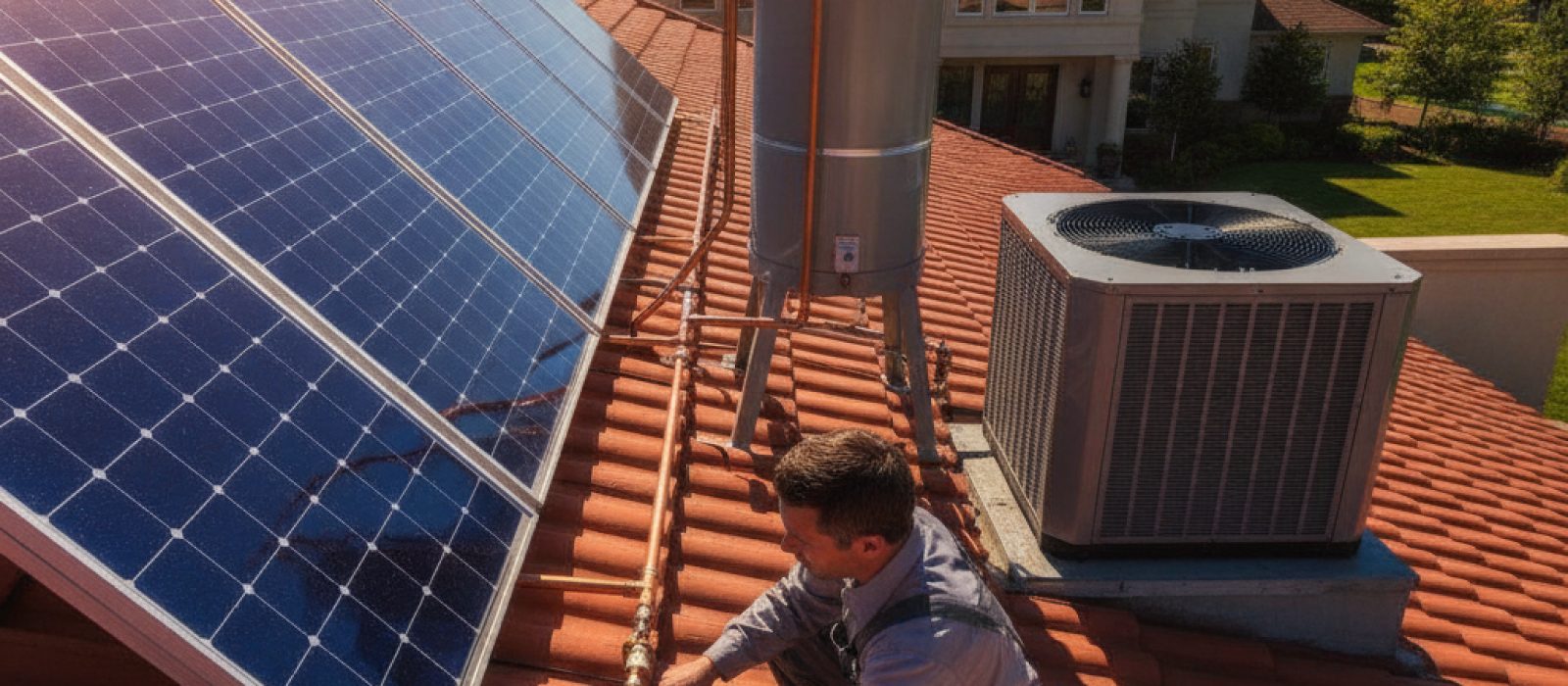
Understand the mechanics, efficiency benefits, and practical considerations of installing a solar-powered water heating system in your home.
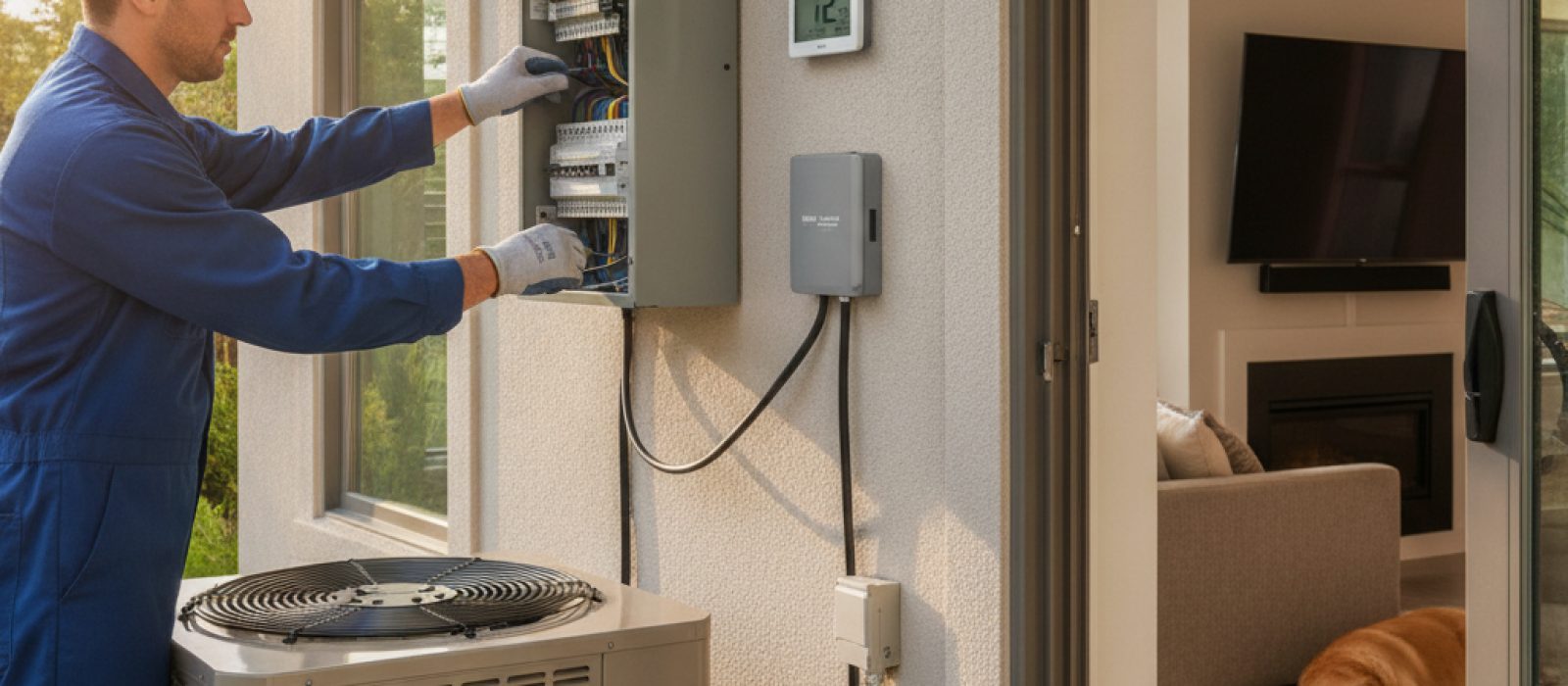
Learn how whole-house surge protectors safeguard sensitive HVAC equipment and home electronics from damaging power spikes and electrical surges.
Be the first to comment.