
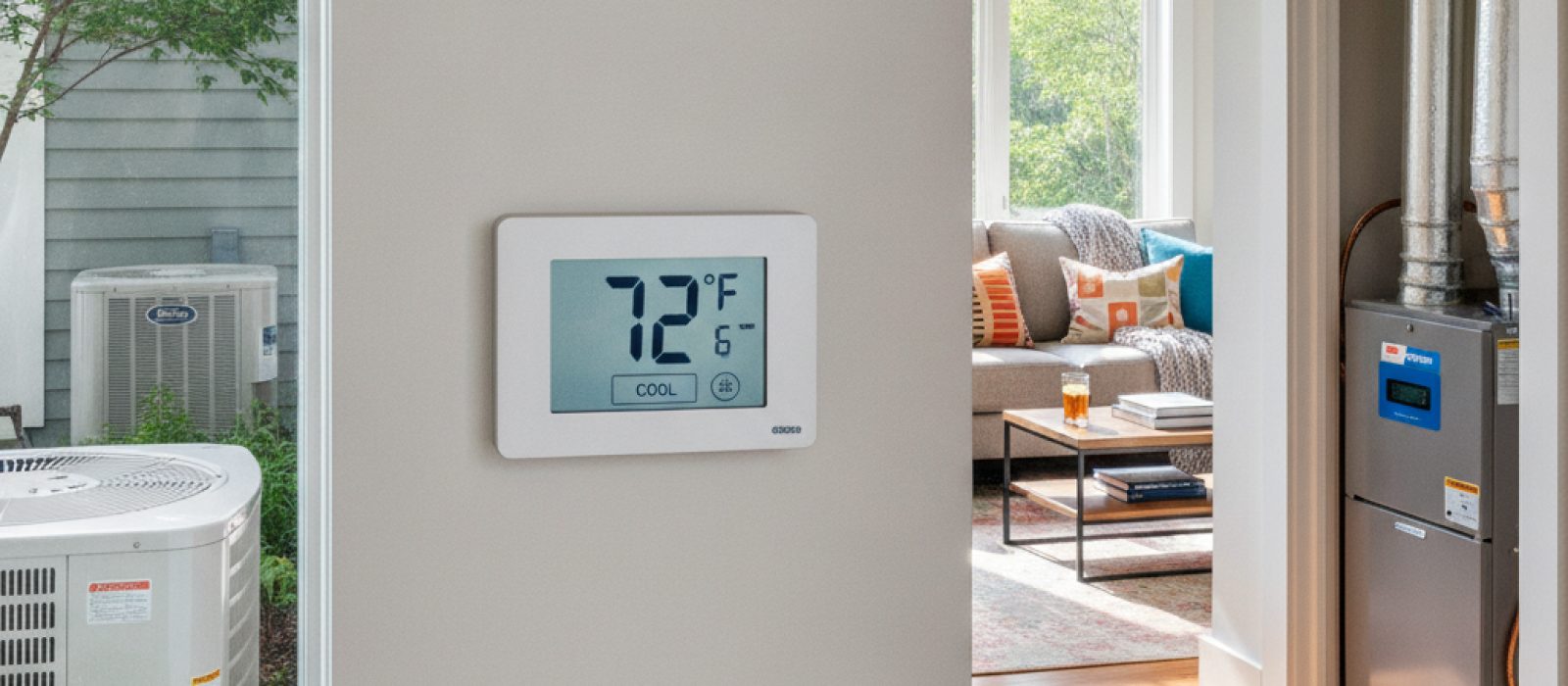
York, Ruud, Bryant and American Standard HVAC: Brand Overview
A guide to understanding the cooling technology and reliability of four major HVAC manufacturers for U.S. homeowners.
4 min read

In Florida, an air conditioning system does more than just lower the indoor temperature; it acts as a primary dehumidifier. As warm, moisture-laden air passes over the evaporator coil, the moisture condenses into liquid water, which is then collected and drained away. When outdoor humidity levels remain consistently high, your system must work significantly harder to reach a comfortable dew point inside the home.
This constant demand on the system affects both the longevity of components and the overall energy efficiency of the home. Understanding the balance between sensible cooling—temperature reduction—and latent cooling—moisture removal—is essential for any Florida homeowner looking to maximize system performance.
When an air conditioner struggles to keep up with the humidity, the symptoms often manifest in ways that go beyond simple temperature settings. Recognizing these signs early can prevent more significant damage to your home’s structure and your HVAC equipment.
Routine care is the most effective defense against the corrosive and strenuous effects of a humid environment. Consistent Maintenance & Tune-up visits ensure that the condensate drain lines remain clear, preventing water backups that can lead to internal system damage and biological growth.
Homeowners should prioritize replacing air filters on a strict schedule. A clogged filter restricts airflow, which causes the evaporator coil to become too cold. This can lead to the coil freezing over, which effectively halts all dehumidification and cooling processes until the ice melts.
If your home feels humid despite a well-functioning outdoor unit, the issue may reside within the distribution system. Leaky or poorly insulated ductwork can pull in hot, humid air from unconditioned spaces like attics or crawlspaces, immediately undoing the dehumidification work performed by the AC unit.
Professional Ductwork Services can identify these leaks and ensure that the cooled, dehumidified air reaches your living spaces as intended. Furthermore, checking for proper insulation on ducts prevents the exterior of the metal from sweating, which can lead to localized moisture issues within your walls or ceilings.
In cases where the humidity is extreme or the home design traps moisture, standard air conditioning may require support from specialized Indoor Air Quality equipment. Whole-home dehumidifiers can be integrated into your existing HVAC system to provide precise moisture control that operates independently of the cooling cycle.
These systems are particularly useful during the shoulder seasons in Florida, when the outdoor temperature is moderate but the humidity is high. By installing a dedicated dehumidifier, you can maintain a comfortable relative humidity level without needing to lower the temperature to an uncomfortable degree just to force the AC to run.
While homeowners can handle filter changes and basic vent cleaning, complex humidity issues often require a licensed technician. If you notice signs of internal corrosion, persistent electrical issues, or a failing condensate pump, contact a professional for AC Services immediately. Attempting to modify the refrigerant levels or electrical components without proper certification poses significant safety risks and can void equipment warranties.
Many modern systems offer advanced settings that allow for better humidity control. If your thermostat supports a "dehumidify" mode or allows for variable-speed blower adjustments, take advantage of these features. Lowering the fan speed can allow the air to remain in contact with the evaporator coil for a longer duration, which significantly improves moisture extraction efficiency.
Avoid the temptation to turn the thermostat to an extremely low temperature to "force" comfort. This practice often leads to short-cycling, where the unit turns on and off too rapidly to properly dehumidify the air, resulting in high energy bills and increased wear on the compressor.
A guide to understanding the cooling technology and reliability of four major HVAC manufacturers for U.S. homeowners.
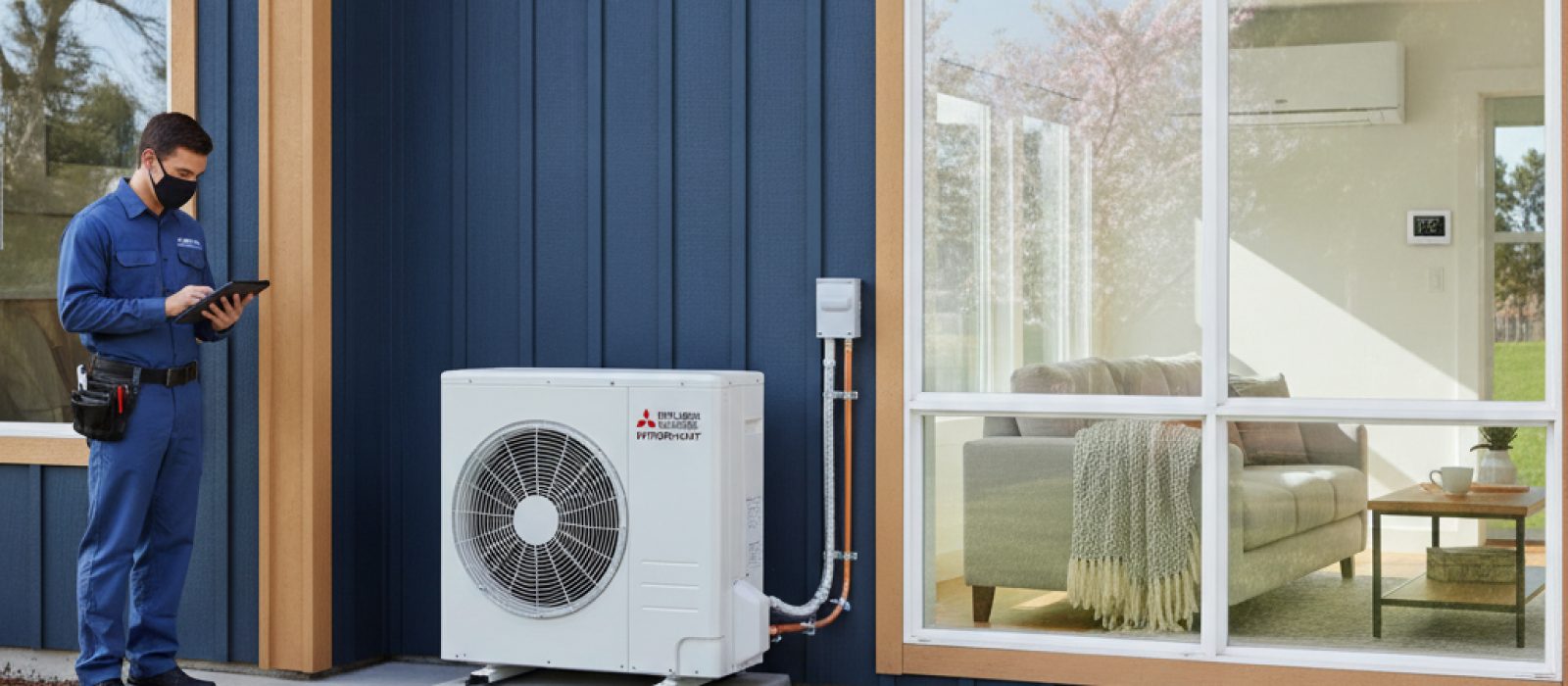
A comprehensive look at Mitsubishi mini-split technology and Hyper-Heat performance for year-round climate control in U.S. homes.
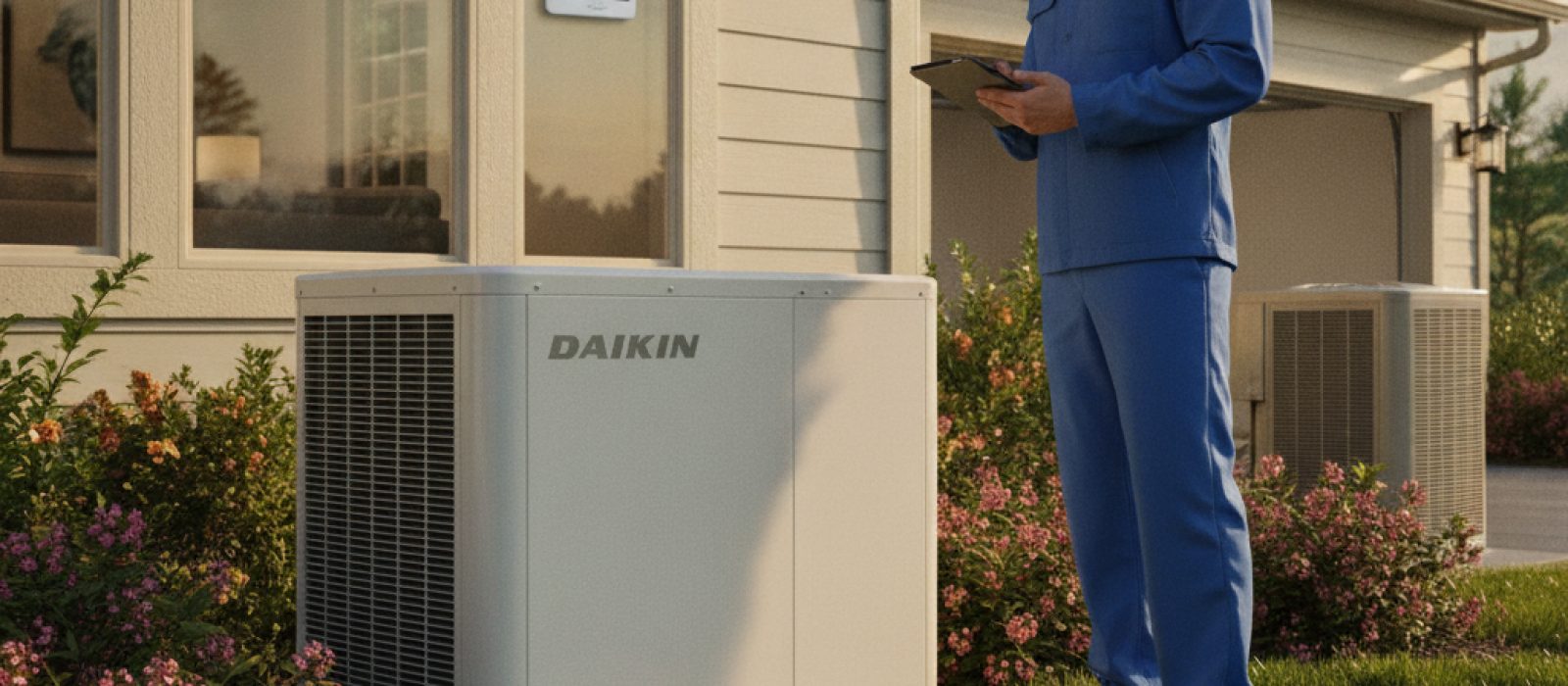
A comprehensive guide to understanding Daikin HVAC systems, including model tiers, standard maintenance requirements, and factory warranty coverage.
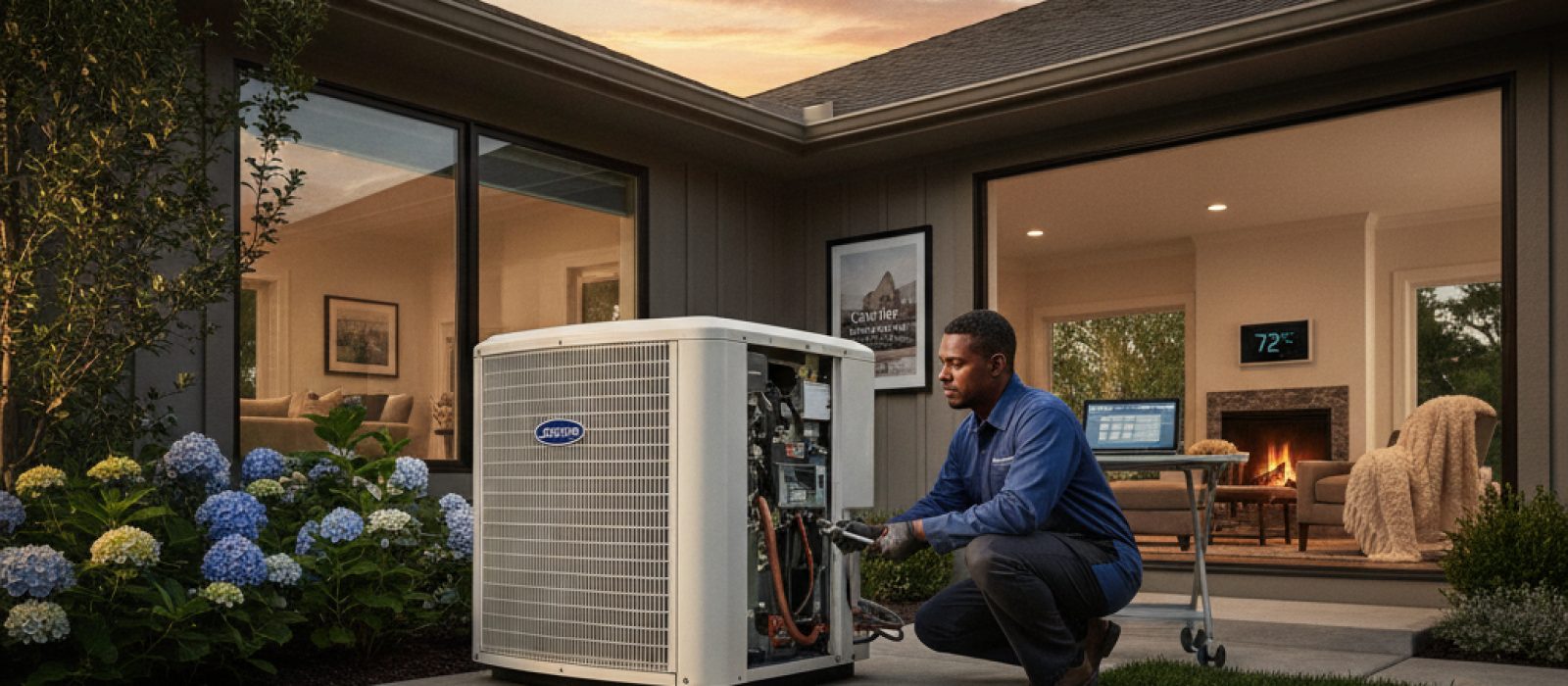
A comprehensive guide to understanding Carrier air conditioning systems, efficiency ratings, installation factors, and maintenance requirements.
An objective look at Goodman HVAC systems, covering performance, longevity, and what homeowners should know before choosing a budget-friendly cooling solution.
A guide to understanding Trane residential cooling systems, including component integration and maintenance requirements for homeowners.
Be the first to comment.