
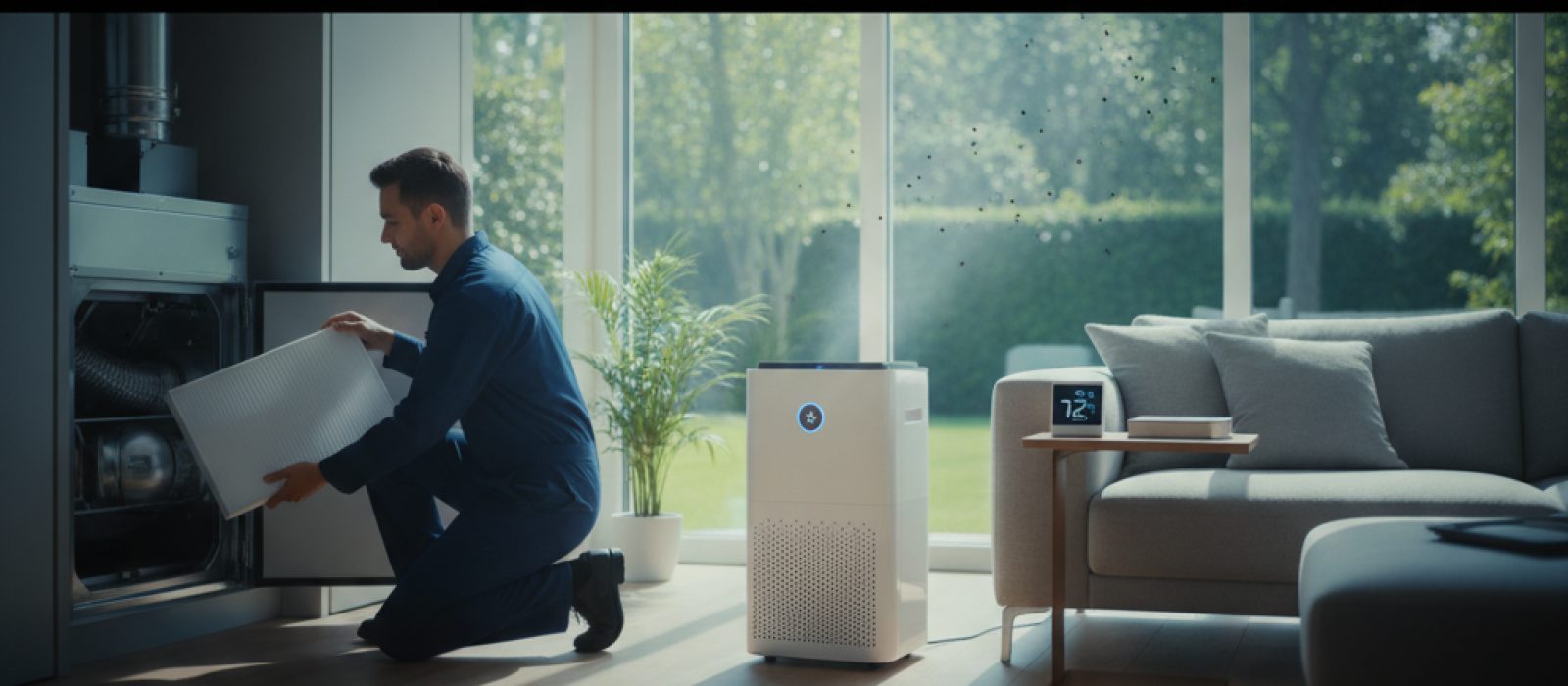
HEPA Air Cleaners for Allergies: What Actually Works
Learn how HEPA air cleaners function, their limitations in home environments, and how to effectively manage indoor air quality for allergy relief.
4 min read

Air duct cleaning costs in the U.S. fluctuate based on several technical variables related to your home's infrastructure. Professionals typically calculate estimates based on the size of the home, the number of vents, and the complexity of the ductwork layout. Systems that have not been serviced for many years may require more intensive labor, which directly impacts the final cost.
The type of ductwork material also plays a role in the cleaning process. Flexible ducting requires a more delicate approach compared to rigid sheet metal. If a technician discovers significant debris or mold growth, specialized equipment such as negative air machines or rotary brushes may be necessary to ensure the system is properly sanitized without causing damage.
Accessibility is a primary driver of service labor. If your HVAC system is located in a cramped crawlspace or an attic with limited clearance, the technician will require more time to navigate the area safely. Ductwork that is concealed behind finished walls or ceilings may also increase the scope of the project, as accessing these runs requires careful planning to avoid structural interference.
The number of furnaces and air handlers in your home will also influence the quote. A larger home with multiple systems effectively doubles the work required, as each independent air handling unit and its associated duct network must be addressed separately to ensure the entire home benefits from improved Indoor Air Quality.
Often, duct cleaning is bundled with other HVAC services to maximize efficiency. During an inspection, a professional might identify issues that go beyond simple dust accumulation. For instance, if you are already investing in a deep clean, it is a practical time to schedule Maintenance & Tune-up visits for your heating and cooling equipment to ensure all components are functioning optimally.
Technicians may also offer additional services such as dryer vent cleaning, which is a critical safety task often performed alongside ductwork maintenance. Addressing both at once can be more cost-effective than scheduling separate appointments. If the technician identifies signs of leaks or structural failure in the ducts, they may recommend specific Ductwork Services to seal gaps, which improves energy efficiency and prevents conditioned air from escaping into unconditioned spaces.
A reputable service provider follows a rigorous process to ensure the system is thoroughly cleaned. The procedure usually begins with a comprehensive inspection using specialized cameras to identify the extent of the buildup. This allows the homeowner to see the condition of the interior ducts before and after the service.
The cleaning itself involves a negative air pressure system that vacuums debris out of the ducts while brushes dislodge stubborn particles. This ensures that dust and allergens are captured by high-efficiency particulate air (HEPA) filters rather than being dispersed into the living space. Once the cleaning is complete, the technician should verify that all registers and return vents are reinstalled correctly and that the system is operating as expected.
Visible dust buildup on vent covers is a primary indicator that your system may need professional attention. However, more subtle signs include a noticeable increase in dust throughout the home shortly after cleaning surfaces, or a musty odor when the HVAC system is running. If household members experience unexplained respiratory irritation or allergy symptoms, it may be time to evaluate the state of your ducts.
It is important to differentiate between surface dust and deeper systemic issues. If you notice signs of pests or vermin, or if you suspect mold growth due to previous moisture intrusion, these are urgent concerns that require immediate professional assessment. In these instances, a standard cleaning may not be sufficient, and specialized remediation might be required to restore the safety of your home's air supply.
When researching service providers, prioritize companies that adhere to industry standards for air duct cleaning. Ask potential contractors about their methods and the equipment they use. Reliable professionals will be transparent about their pricing structure and will provide a detailed breakdown of what the service includes, such as whether they clean the blower motor and the evaporator coil, which are essential parts of the airflow path.
Avoid companies that offer extremely low, flat-rate pricing, as these are often "teaser" rates that escalate significantly once the technician arrives. A professional service should always include a thorough assessment of your specific system requirements. By focusing on quality and transparency, you ensure that your investment in your home's comfort and health provides lasting value.
Learn how HEPA air cleaners function, their limitations in home environments, and how to effectively manage indoor air quality for allergy relief.
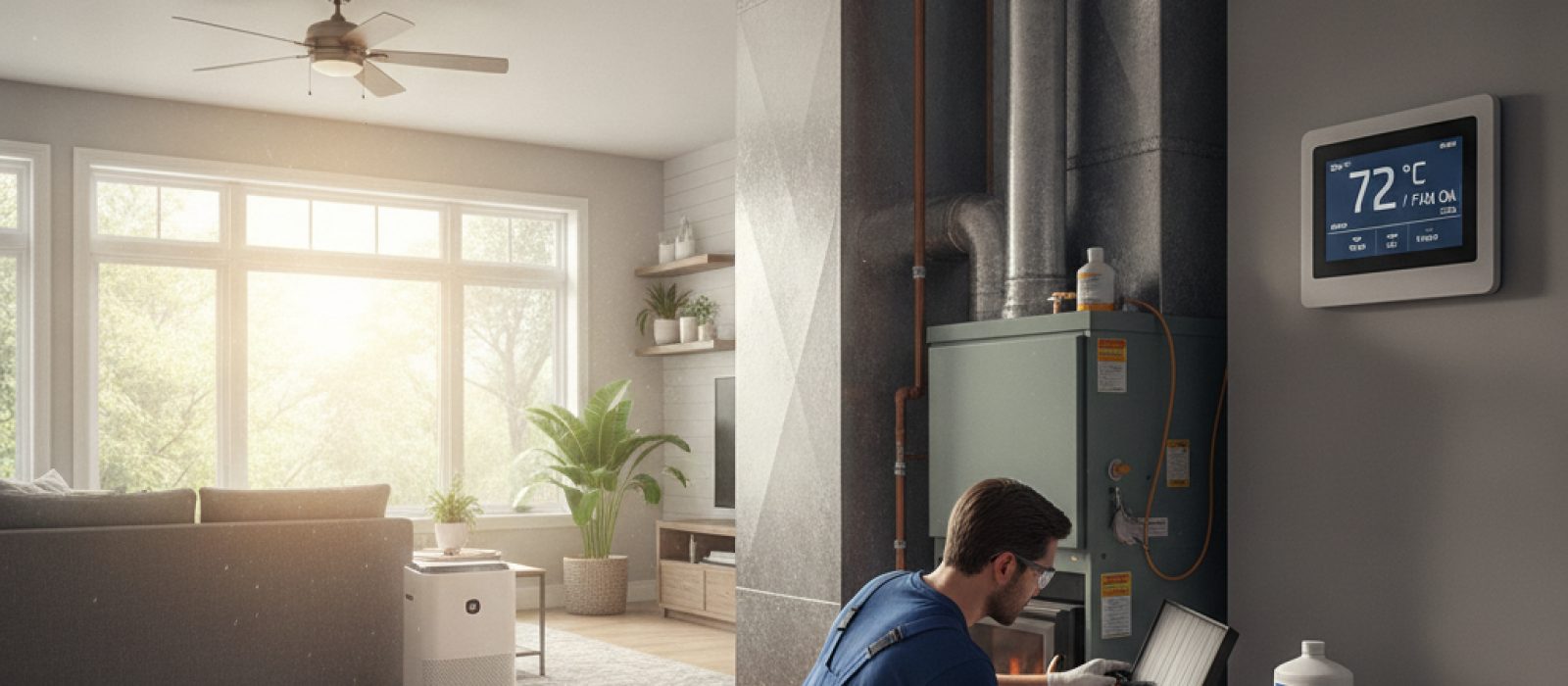
Learn to identify common indoor pollutants and discover practical, effective strategies to improve the air quality within your home.
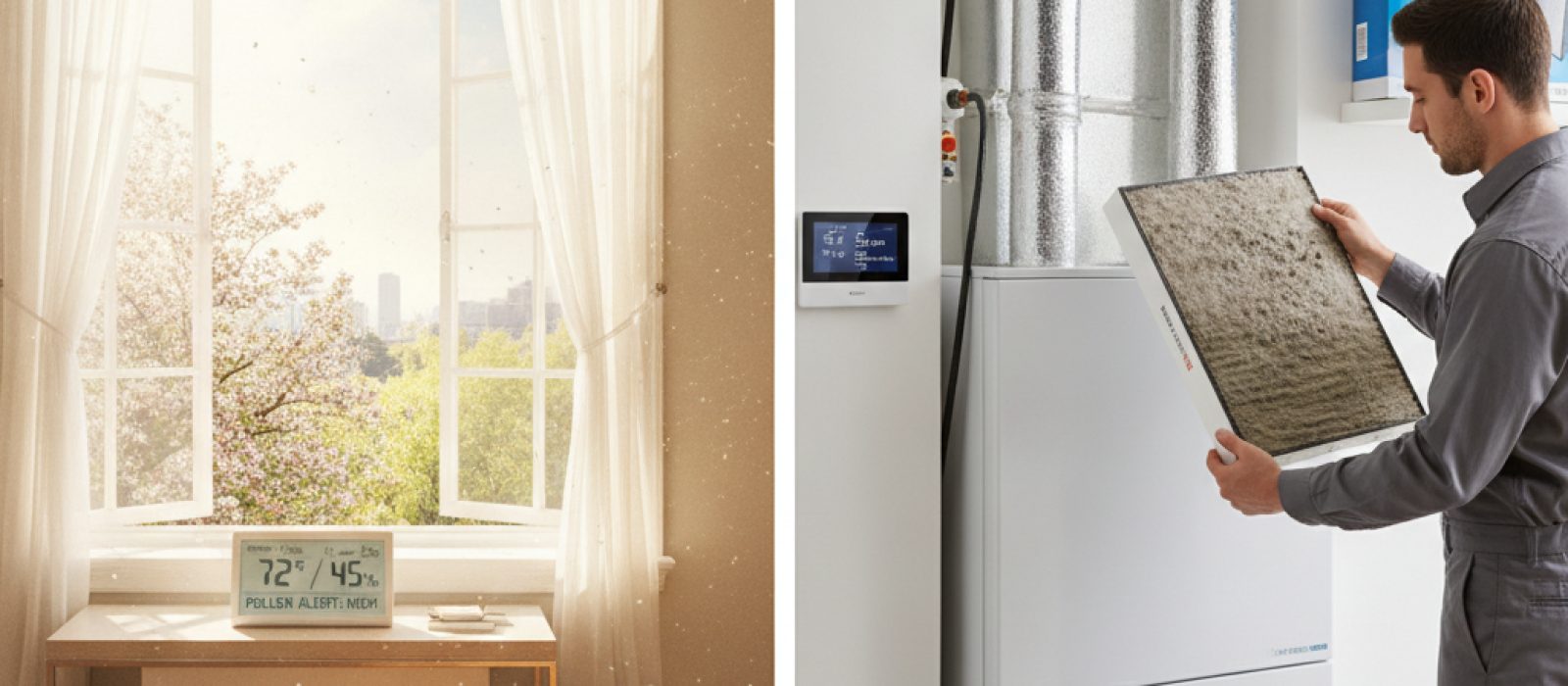
Learn the balance between natural ventilation and mechanical filtration to maintain optimal indoor air quality in your home.
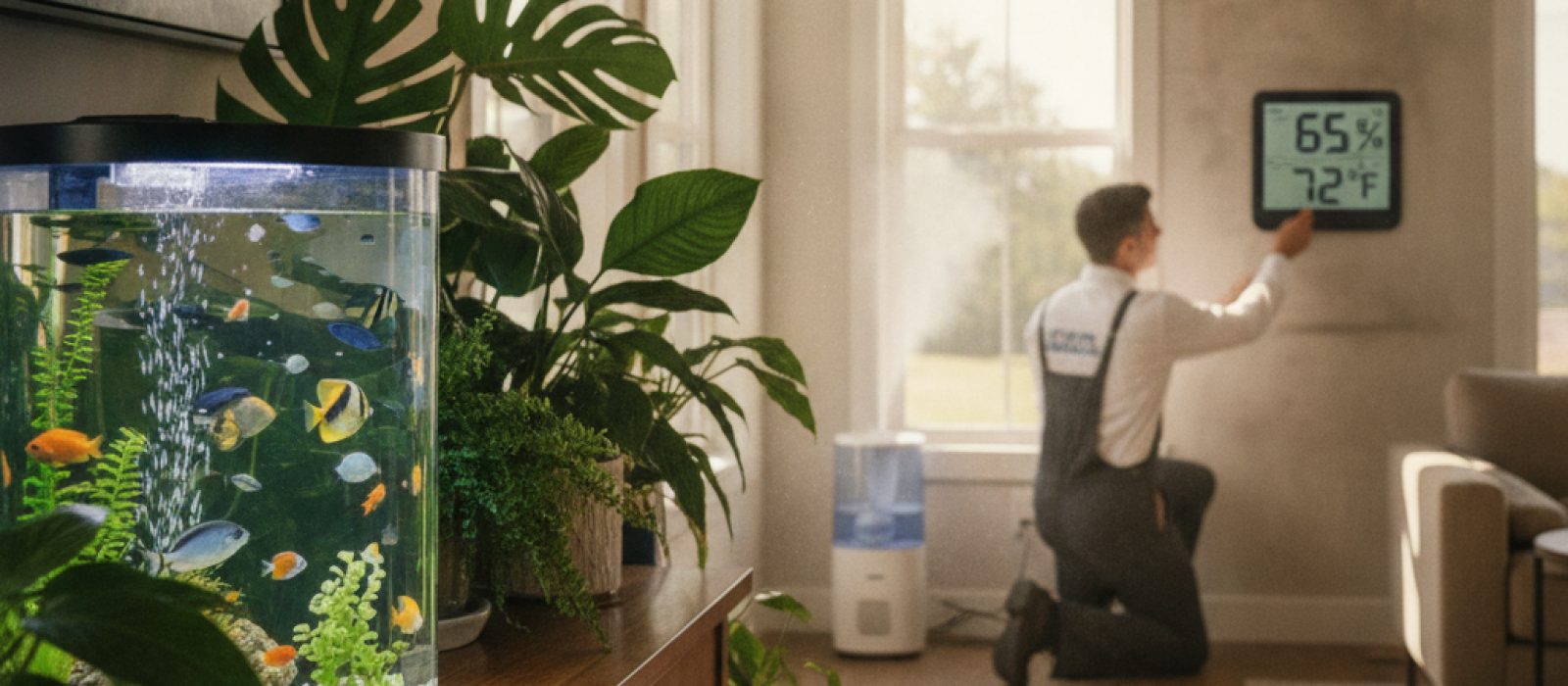
Learn how common household features like aquariums and plants impact indoor air quality and how to manage the resulting humidity levels effectively.

Discover how holiday traditions impact your home's indoor air quality and learn practical steps to maintain a healthy breathing environment this winter.
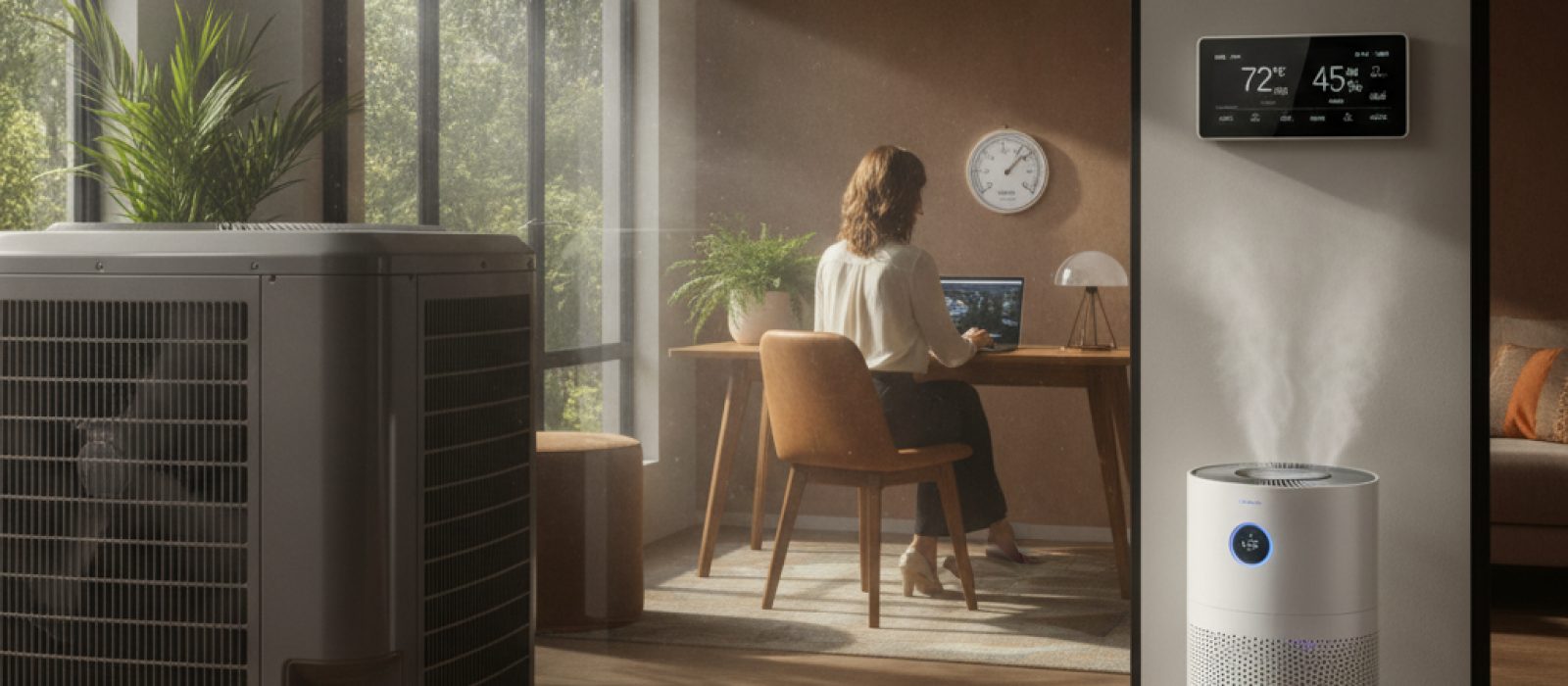
Improve productivity and health by optimizing the indoor air quality of your home office through ventilation, filtration, and humidity control.
Be the first to comment.