HVAC Service Fast

Humidity's Hidden Impact: Indoor Air Quality & Comfort

4 min read

Humidity's Hidden Impact: Indoor Air Quality & Comfort

The Unseen Factor: How Humidity Affects Your Home

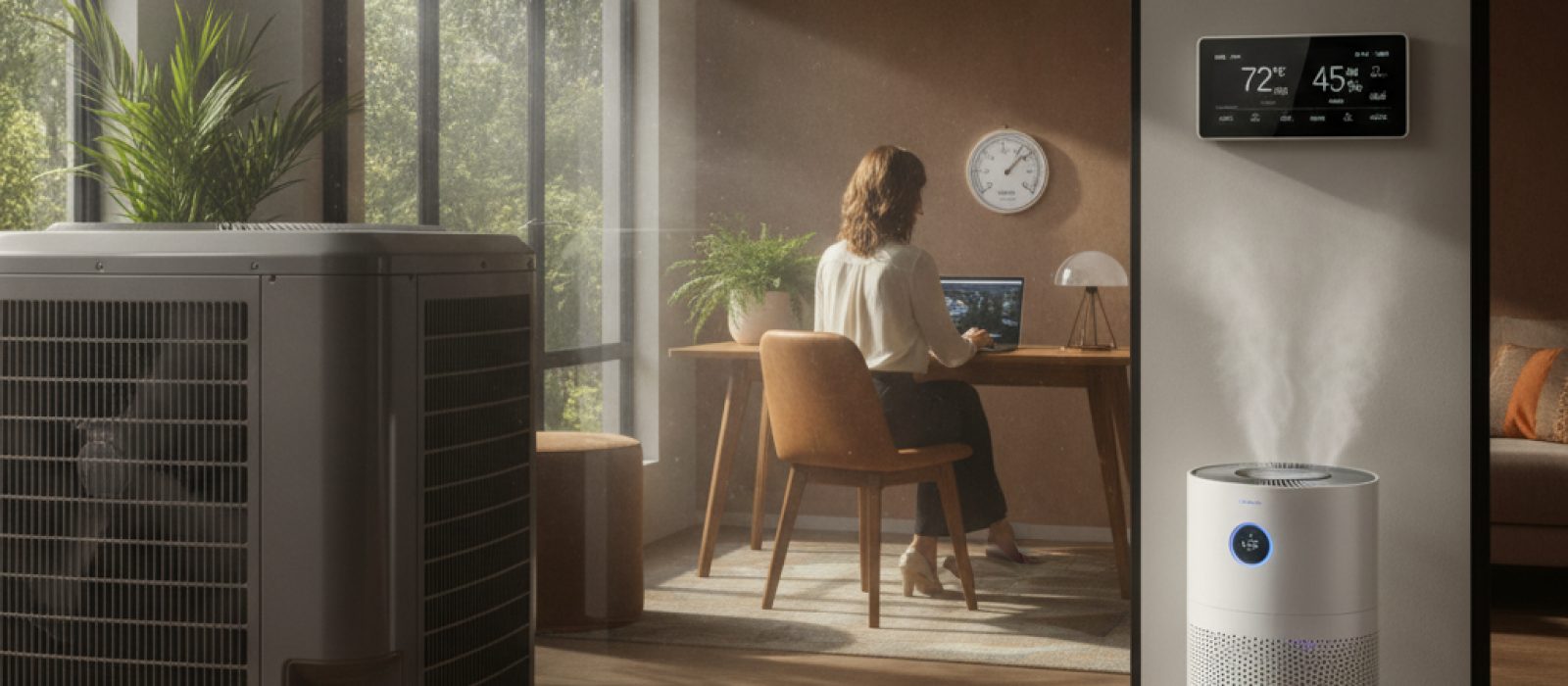
When you think about the comfort of your home, temperature is likely the first thing that comes to mind. We crank up the AC in summer and the heat in winter. But there's another, often overlooked, element playing a critical role in your indoor environment: humidity. Humidity, or the amount of moisture in the air, significantly impacts your indoor air quality, comfort, health, and even the structural integrity of your home. Understanding its effects and how to manage it is key to a truly comfortable and healthy living space.

The Goldilocks Zone: Ideal Humidity Levels

For most U.S. homes, the ideal indoor humidity level typically falls between 30% and 50%. This range is often referred to as the 'Goldilocks Zone' – not too high, not too low, but just right. Maintaining this balance is essential for various reasons:

  • Comfort: Balanced humidity prevents the air from feeling sticky and oppressive in summer, or dry and irritating in winter.
  • Health: Optimal humidity discourages the growth of mold and dust mites, while also helping to keep your respiratory system healthy.
  • Home Preservation: Proper humidity protects your wooden furniture, floors, and structural elements from warping, cracking, or developing mold.

When Humidity is Too High: The Sticky Situation

Excessive humidity, often a problem during warmer months or in poorly ventilated areas, can lead to a host of issues:

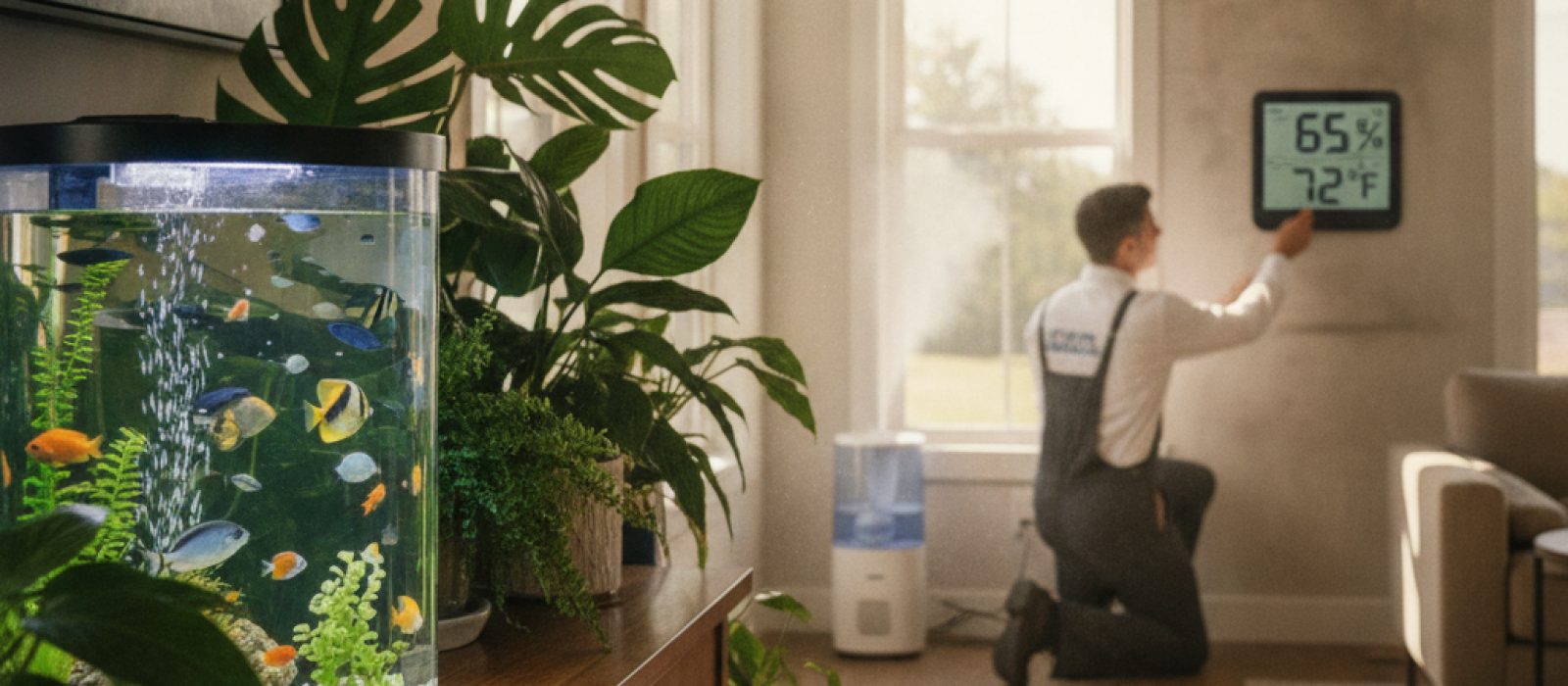
  • Discomfort: High humidity makes the air feel much warmer than it actually is, causing you to feel clammy and uncomfortable. Your AC might struggle to keep up, or you might set it lower than necessary, leading to higher energy bills.
  • Mold and Mildew Growth: Moisture is mold's best friend. High humidity creates an ideal breeding ground for mold and mildew on walls, ceilings, carpets, and even inside your HVAC system. This can lead to musty odors and trigger allergies or respiratory problems.
  • Dust Mites: These microscopic pests thrive in humid environments, exacerbating allergy and asthma symptoms for many individuals.
  • Pest Infestations: Certain pests, like cockroaches and silverfish, are attracted to damp conditions.
  • Damage to Your Home: Prolonged high humidity can cause wood to swell, paint to peel, and encourage rot in structural elements.

Solutions for High Humidity:

  • Dehumidifiers: Portable or whole-home dehumidifiers can effectively remove excess moisture from the air.
  • Proper Ventilation: Use exhaust fans in bathrooms and kitchens, and ensure your home is adequately ventilated.
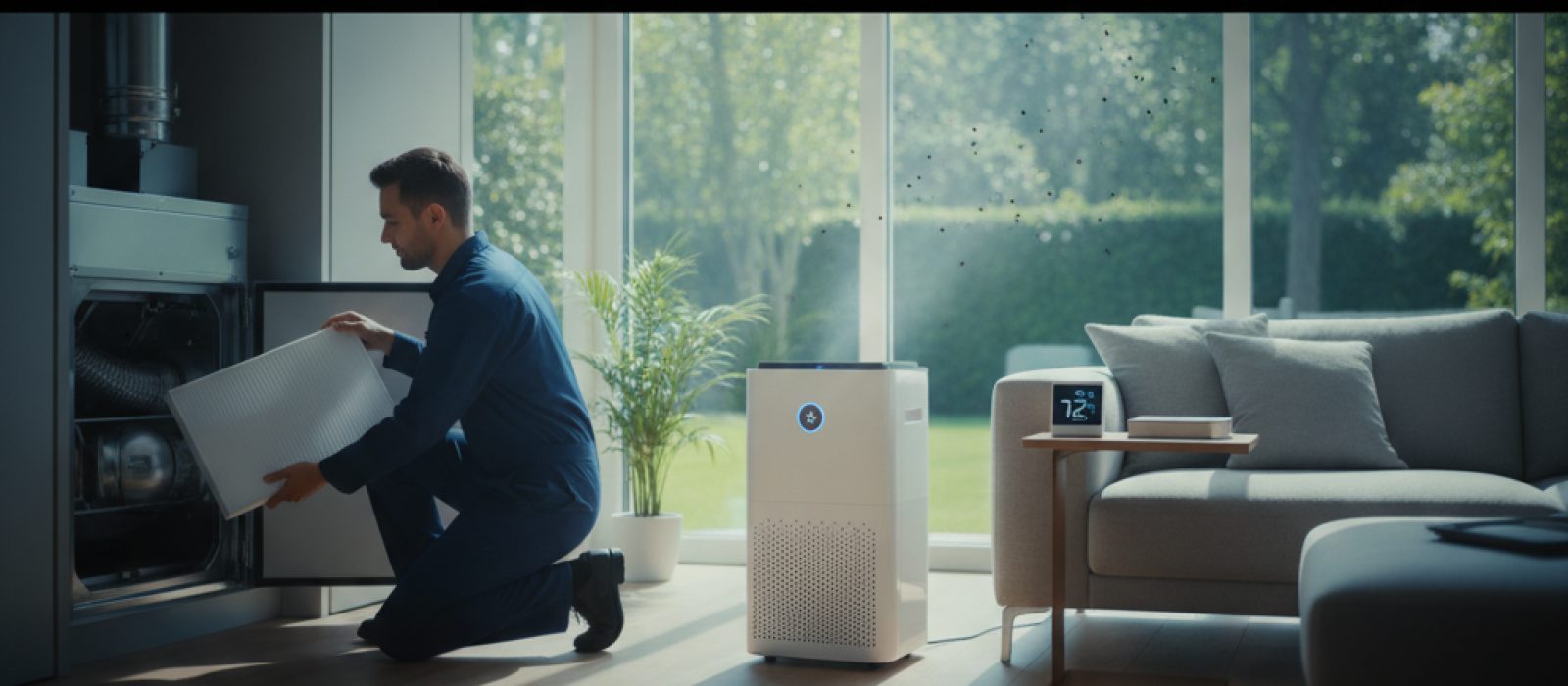
  • HVAC Maintenance: A well-maintained HVAC system, especially your air conditioner, plays a role in removing some humidity.
  • Fix Leaks: Repair any plumbing leaks or roof leaks promptly.

When Humidity is Too Low: The Dry Spell

On the flip side, excessively dry air, common during colder months when heating systems are running, presents its own set of problems:

  • Discomfort and Health Issues: Low humidity can dry out your skin, eyes, and nasal passages, leading to itching, irritation, and even nosebleeds. It can also make you more susceptible to colds and flu by drying out mucous membranes.
  • Static Electricity: Annoying static shocks are a common sign of dry air.
  • Damage to Your Home and Belongings: Dry air can cause wooden furniture, floors, and musical instruments to crack, warp, or shrink. It can also damage electronics.
  • Increased Heating Costs: Dry air feels cooler than humid air at the same temperature, often leading homeowners to set their thermostats higher, increasing energy consumption.

Solutions for Low Humidity:

  • Humidifiers: Portable room humidifiers or whole-home humidifiers can add essential moisture back into the air.
  • Seal Air Leaks: Prevent dry outdoor air from infiltrating your home by sealing drafts around windows and doors.
  • Indoor Plants: Some houseplants can naturally release moisture into the air.

Your HVAC System and Humidity Control

Your HVAC system plays a significant role in managing indoor humidity. While air conditioners naturally remove some moisture as they cool, they aren't always enough to maintain optimal levels, especially in very humid climates. This is where dedicated humidity control solutions come in.

Many modern HVAC systems can be integrated with whole-home humidifiers or dehumidifiers, allowing for precise, automated control of your home's moisture levels. These systems work in conjunction with your thermostat to keep humidity within your desired range, independently of temperature.

Take Control of Your Home's Air

Don't let humidity be the invisible force dictating your home's comfort and air quality. By understanding its impact and taking proactive steps to manage it, you can create a healthier, more comfortable, and more energy-efficient living environment. If you're experiencing persistent humidity issues, whether too high or too low, consider consulting with an HVAC professional. They can assess your home's specific needs and recommend the best whole-home solutions to achieve that perfect 'Goldilocks Zone' of indoor comfort.

#home comfort #HVAC #Indoor Air Quality #humidity #dehumidifier #humidifier

Frequently asked questions

What is the ideal indoor humidity level for a home?
For most U.S. homes, the ideal indoor humidity level typically falls between 30% and 50%, often referred to as the 'Goldilocks Zone'.
What are the problems associated with high indoor humidity?
High humidity can lead to discomfort, mold and mildew growth, dust mite infestations, pest problems, and damage to your home's structure and belongings.
How can I reduce high humidity in my home?
Solutions for high humidity include using dehumidifiers, ensuring proper ventilation, maintaining your HVAC system, and promptly fixing any leaks.
What issues can low indoor humidity cause?
Low humidity can cause dry skin, eyes, and nasal passages, increase susceptibility to illness, static electricity, damage to wooden items, and potentially higher heating costs.
How can I increase low humidity in my home?
To increase low humidity, you can use humidifiers, seal air leaks around windows and doors, and consider having certain indoor plants.
Does my HVAC system help control indoor humidity?
Yes, your HVAC system plays a significant role in managing indoor humidity, as air conditioners naturally remove some moisture from the air.

Related articles

Comments (0)

Be the first to comment.

Leave a comment

Security code

Comments are moderated before they appear.