
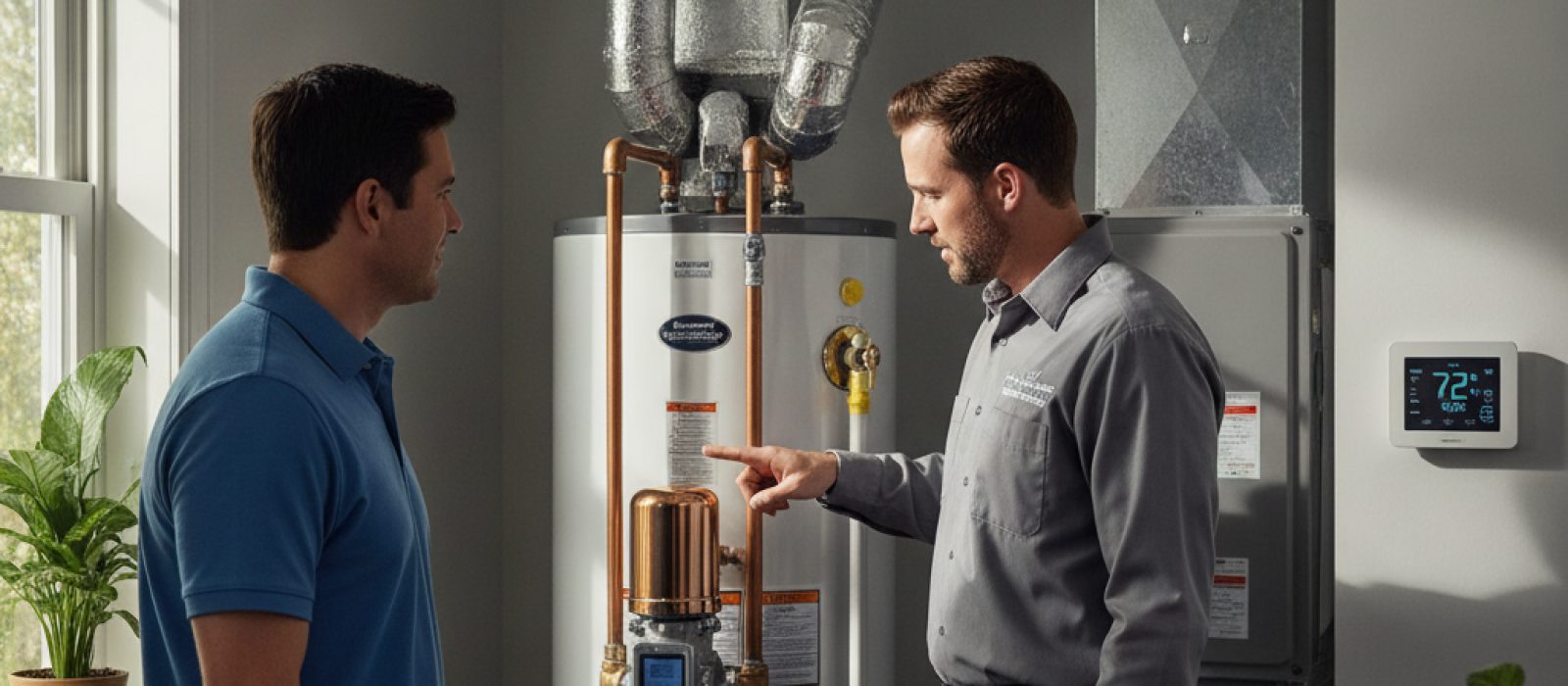
Hot Water Recirculating Pumps: How They Work and What They Cost
Learn how hot water recirculating pumps provide instant hot water, the different installation types, and the factors that influence overall project costs.
3 min read

Hurricane season demands proactive measures to ensure home comfort systems survive high winds, storm surges, and debris. Before a storm watch is issued, a thorough inspection of the exterior condenser unit is necessary. Remove loose items from the yard, such as patio furniture, potted plants, and children's toys, which can become dangerous projectiles during high winds. These items often cause significant damage to delicate aluminum fins, potentially requiring extensive Maintenance and Tune-up services if left unsecured.
Ensure the outdoor unit is securely anchored to its concrete pad. Over time, vibrations and ground shifting can loosen the mounting bolts that hold the unit in place. If the unit is not properly bolted down, heavy winds can shift the equipment, leading to damaged refrigerant lines or electrical connections. If you find the unit is unstable, contact a professional to assess the mounting hardware. Do not attempt to move or re-anchor the unit yourself, as this risks breaking the copper lines that circulate refrigerant.
Power surges and lightning strikes are common during tropical storms. If a hurricane warning is issued, consider turning off the thermostat and the dedicated circuit breaker for your HVAC system. This prevents the system from attempting to start during a power brownout or surge, which can fry the control board or compressor. Leaving the system off until the storm has passed and electrical power has stabilized protects sensitive electronic components.
If your area is prone to storm surge or flash flooding, the risk to your HVAC system increases significantly. If floodwaters reach the level of your outdoor condenser or indoor air handler, do not attempt to operate the system. Water-damaged electrical components are a major fire and shock hazard. Even after the water recedes, these components require professional inspection. A technician must evaluate the electrical integrity of the system before it is deemed safe to power back on.
Once the storm passes and it is safe to go outside, inspect your HVAC system for visible damage. Look for bent fins, debris lodged inside the cabinet, or signs of water intrusion. Clear away leaves, mud, and branches that may have accumulated around the unit. Proper airflow is essential for the system to function correctly, and obstructions can lead to overheating or system failure.
If the system fails to start or produces unusual noises, it may have sustained internal damage. Do not attempt to force the unit to run, as this often leads to more costly repairs. Schedule an appointment for Emergency HVAC services to have a professional diagnose the issue. If the unit was submerged in saltwater, the internal components are susceptible to rapid corrosion, which may necessitate a full system evaluation or replacement.
High humidity levels following a hurricane can quickly lead to mold growth if the HVAC system is disabled for an extended period. If power is restored but the system remains non-functional, use portable dehumidifiers to manage indoor moisture levels. Once the HVAC system is operational, prioritizing Indoor Air Quality by replacing air filters is crucial. Filters often become damp or clogged with debris during storms, which restricts airflow and forces the blower motor to work harder than necessary.
For homeowners in high-risk zones, professional assessments can identify vulnerabilities that standard maintenance might miss. Discussing the location and elevation of your system with a technician during your next routine visit can provide peace of mind. Some homeowners choose to install elevated stands for their outdoor units if they live in flood-prone areas. These adjustments help keep critical components above potential water lines, providing a layer of protection that significantly increases the lifespan of the equipment during extreme weather events.
Learn how hot water recirculating pumps provide instant hot water, the different installation types, and the factors that influence overall project costs.
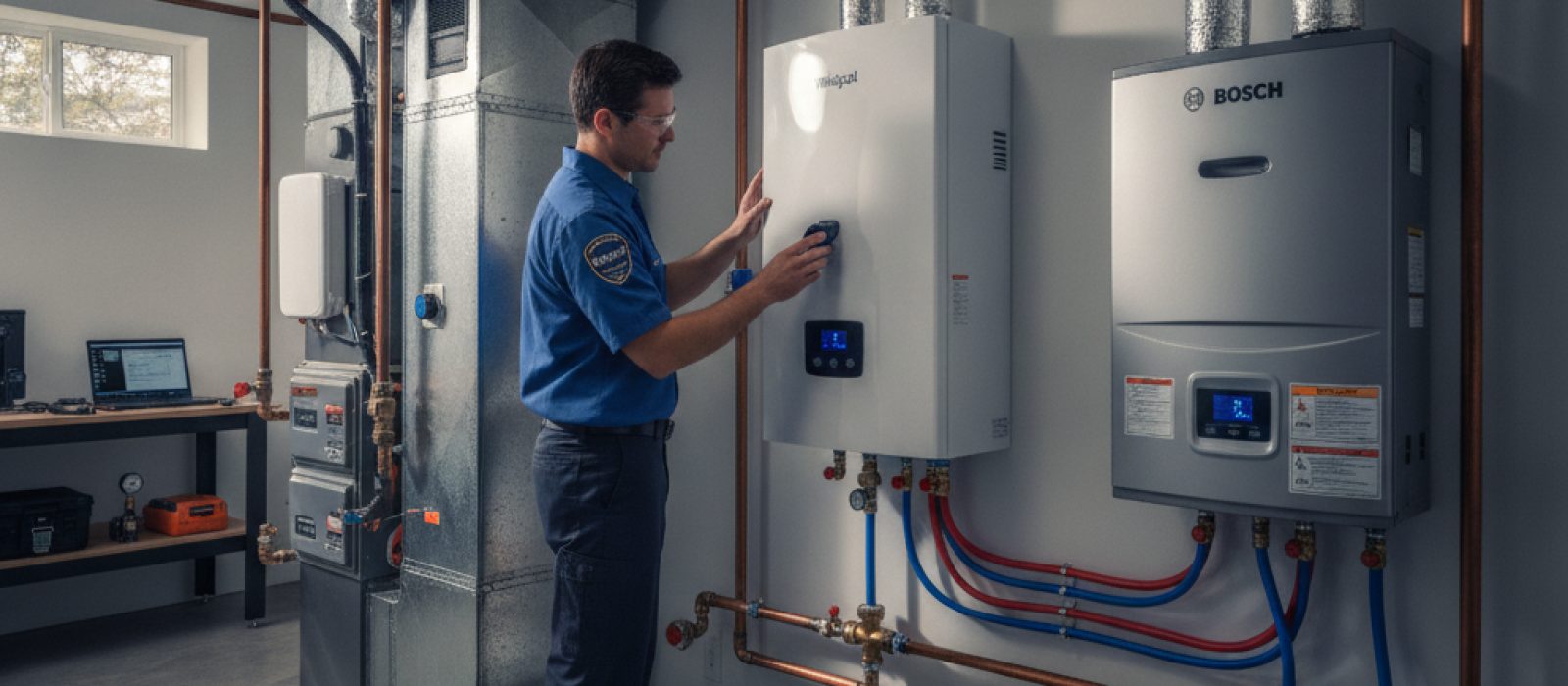
A practical guide to understanding the operational differences, maintenance needs, and common troubleshooting steps for Whirlpool and Bosch water heaters.
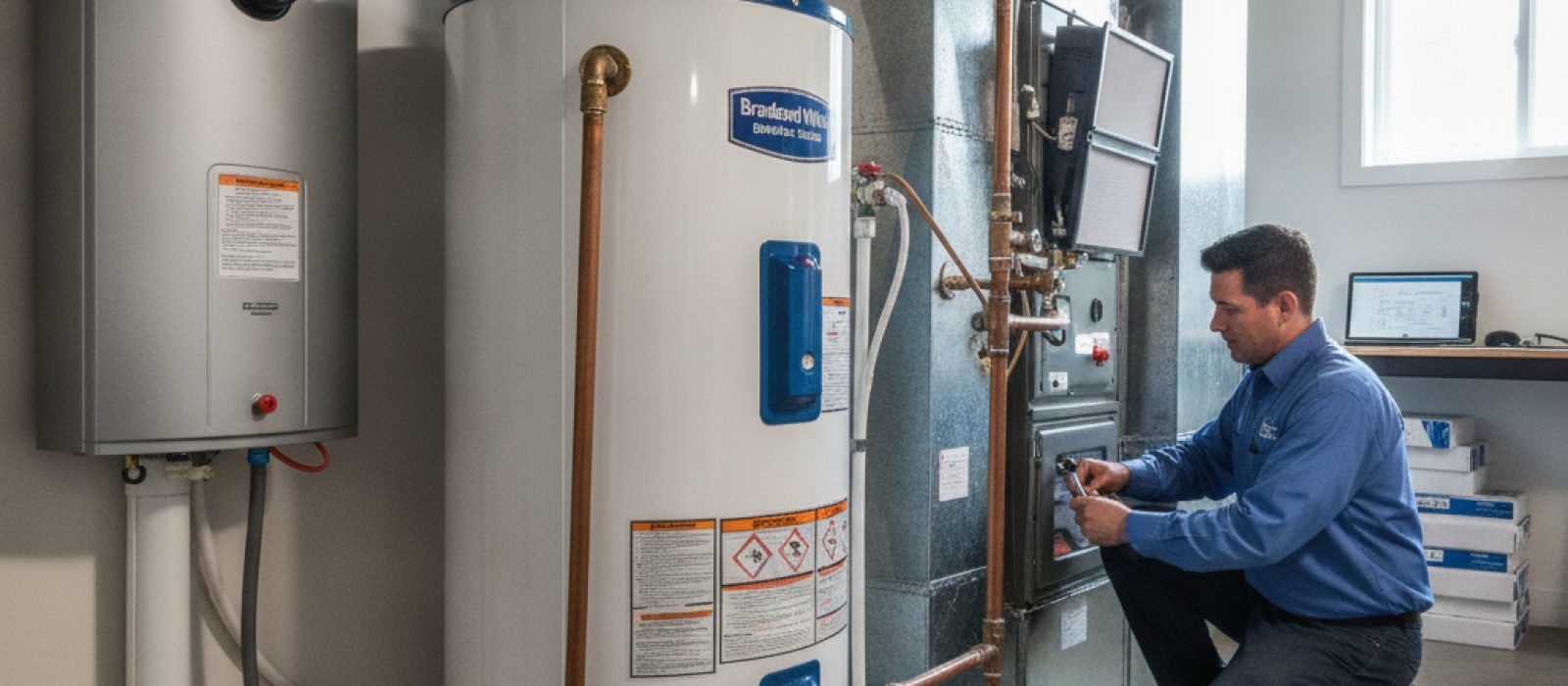
Learn how to choose between 40 and 75-gallon Bradford White water heaters and understand which model fits your home's hot water demands.
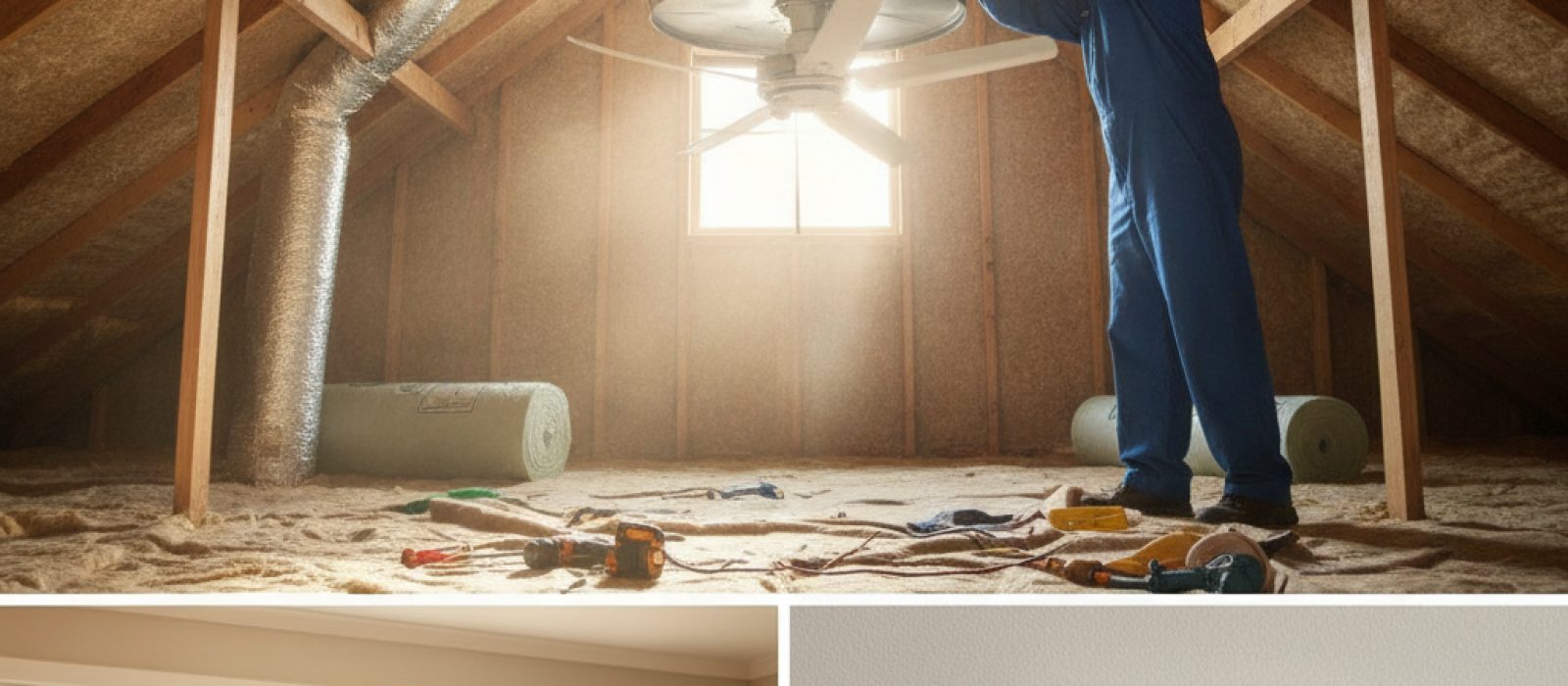
Learn how attic fans manage thermal buildup, the factors influencing installation costs, and the critical mistakes to avoid for a balanced home system.
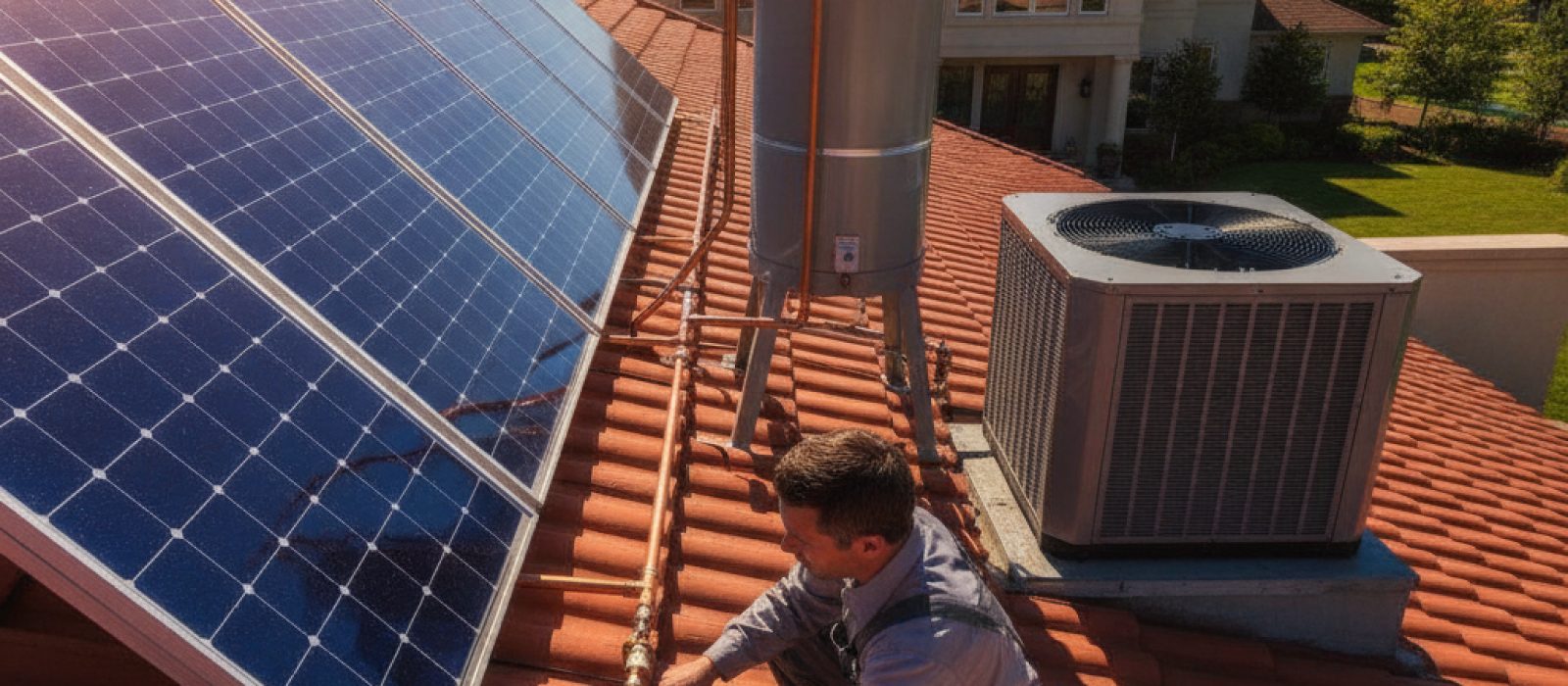
Understand the mechanics, efficiency benefits, and practical considerations of installing a solar-powered water heating system in your home.
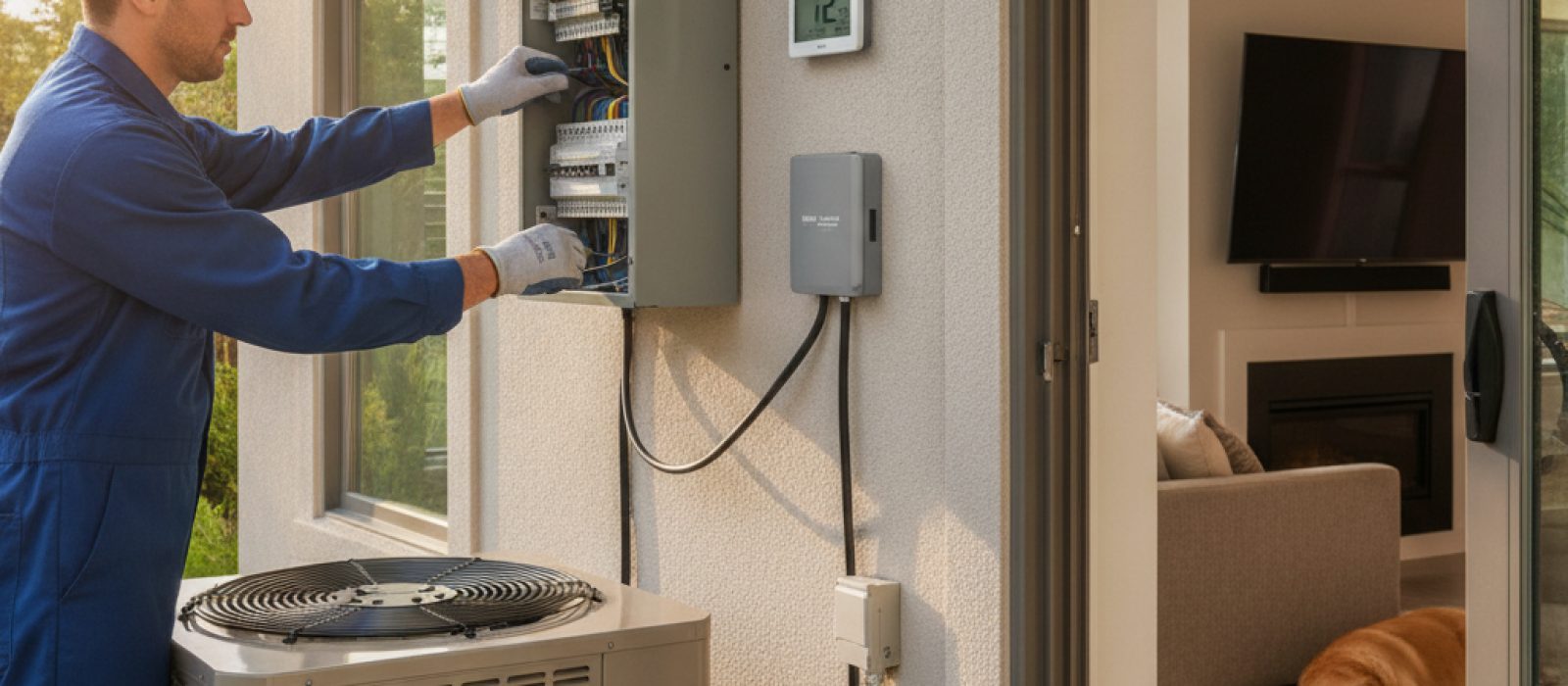
Learn how whole-house surge protectors safeguard sensitive HVAC equipment and home electronics from damaging power spikes and electrical surges.
Be the first to comment.