
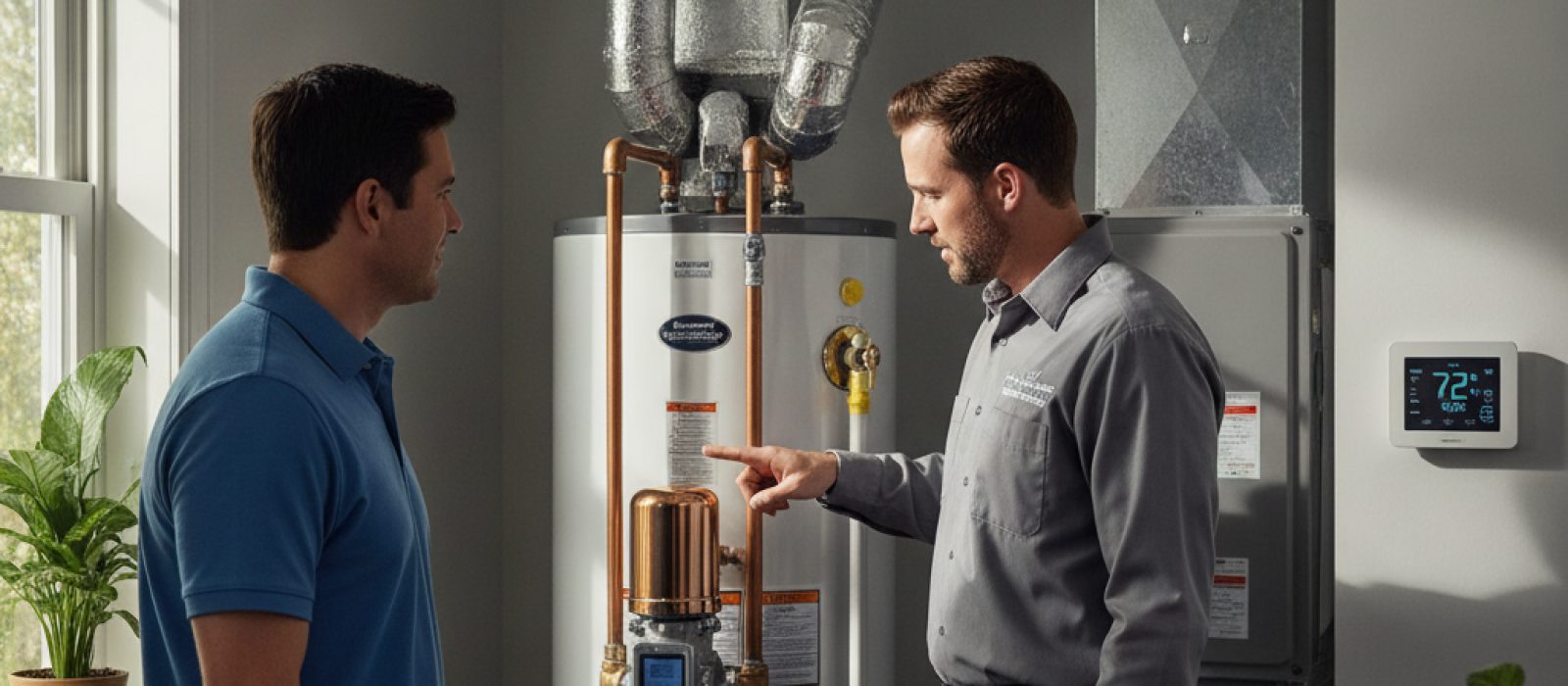
Hot Water Recirculating Pumps: How They Work and What They Cost
Learn how hot water recirculating pumps provide instant hot water, the different installation types, and the factors that influence overall project costs.
4 min read

Homeowners preparing their properties for sale often weigh the benefits of major mechanical upgrades against the potential return on investment. An HVAC system is a primary mechanical component that influences a home's overall desirability. While a new system rarely guarantees a dollar-for-dollar increase in the asking price, it serves as a critical factor in marketability, buyer confidence, and the negotiation process.
Prospective buyers prioritize move-in readiness. When a home features a modern, efficient heating and cooling unit, the buyer perceives less immediate risk of expensive repairs or high utility bills. This perceived value can be the difference between a property that sits on the market and one that receives competitive offers.
Before deciding whether to replace or repair, assess the current state of your equipment. A system that is nearing the end of its projected lifespan may become a point of contention during a home inspection. If the unit is inefficient, noisy, or prone to frequent breakdowns, it can negatively color a buyer's impression of the entire home.
Consider the following indicators that a replacement might be beneficial for resale:
Modern buyers are increasingly focused on the long-term cost of homeownership. Energy Efficient Solutions are high on the priority list for those looking to reduce their monthly carbon footprint and utility expenses. A high-efficiency system provides a tangible marketing advantage that agents can highlight in listing descriptions.
When a home is equipped with a modern, high-SEER rated air conditioner or a high-AFUE furnace, it demonstrates that the property has been maintained with an eye toward modern standards. This often signals to buyers that other areas of the home have also been managed with similar diligence.
The home inspection is frequently the stage where HVAC issues impact a sale most significantly. If an inspector identifies significant defects, the buyer may request a price reduction, a credit for future repairs, or even a full replacement of the unit before closing. Addressing these issues proactively through professional HVAC Services allows the seller to control the narrative rather than reacting to a post-inspection demand.
If the system is functioning but dated, documentation of regular service becomes essential. Providing records of routine inspections and air filter changes can reassure a buyer that the equipment has been well-maintained, even if it is not brand-new.
Home value is not solely tied to the furnace or outdoor condenser. The distribution system and Indoor Air Quality components play a vital role in how a home performs. If a prospective buyer notices dust buildup or restricted airflow, it may raise concerns about the integrity of the ventilation system.
Scheduling professional Ductwork Services can clear away years of debris, improving airflow and potentially uncovering hidden structural issues that could be addressed before they become hurdles during the sale. Similarly, highlighting a clean, well-functioning air filtration system can be a major selling point for families sensitive to allergens or those prioritizing a healthy home environment.
Determining whether to replace your HVAC system depends on the competitive nature of your local market. In a seller’s market where inventory is low, buyers may be more willing to overlook an aging system. However, in a buyer’s market, a modern, efficient system can serve as a key differentiator that sets your home apart from others in the neighborhood.
Before committing to a replacement, consult with a local real estate professional to understand what upgrades are expected in your specific price range. If the home is in a bracket where buyers expect premium features, a dated HVAC system may indeed stand out as a negative factor that warrants an upgrade.
Regardless of whether you choose to replace or maintain, ensure that all work is performed by licensed professionals. DIY attempts on complex systems can lead to safety hazards or code violations that may complicate the closing process. By focusing on maintenance and clear documentation, you provide peace of mind to buyers, which is often the most valuable asset during a real estate transaction.
Learn how hot water recirculating pumps provide instant hot water, the different installation types, and the factors that influence overall project costs.
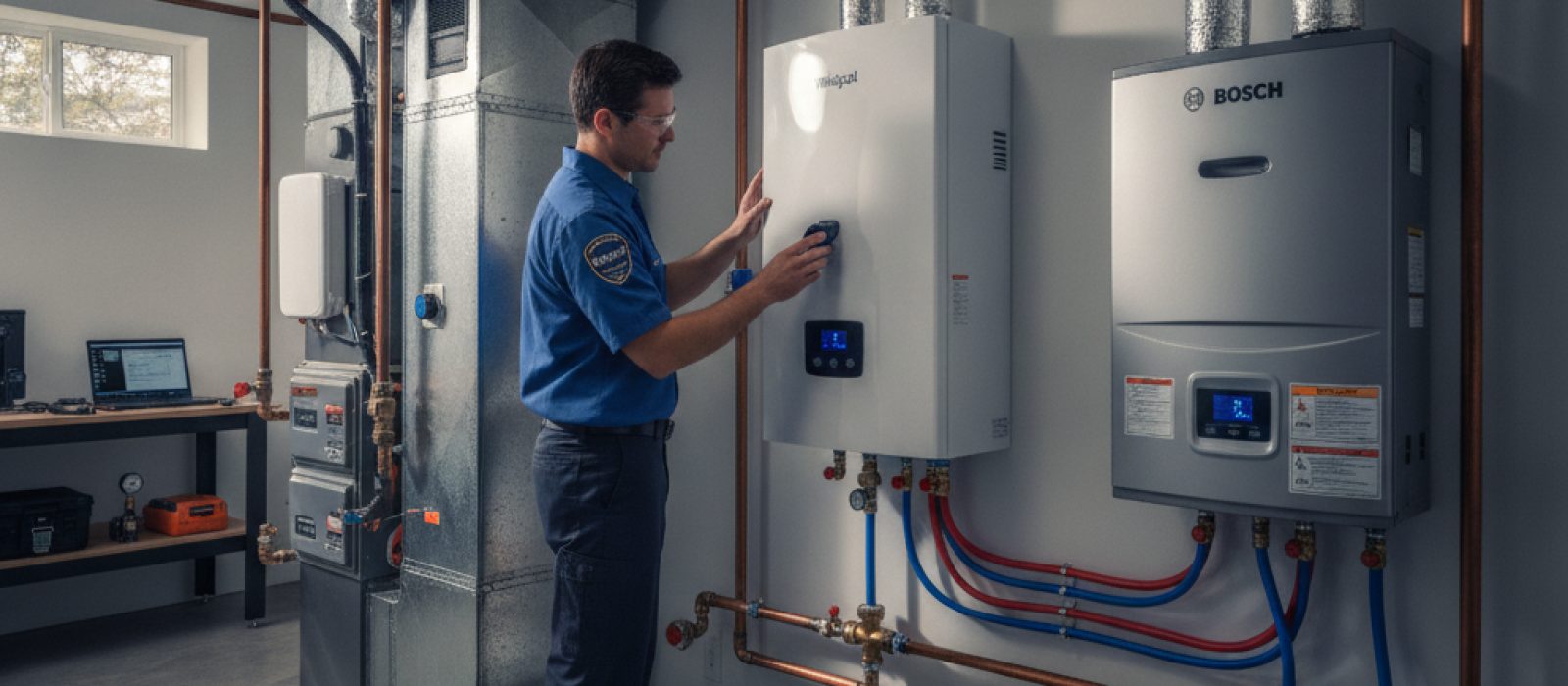
A practical guide to understanding the operational differences, maintenance needs, and common troubleshooting steps for Whirlpool and Bosch water heaters.
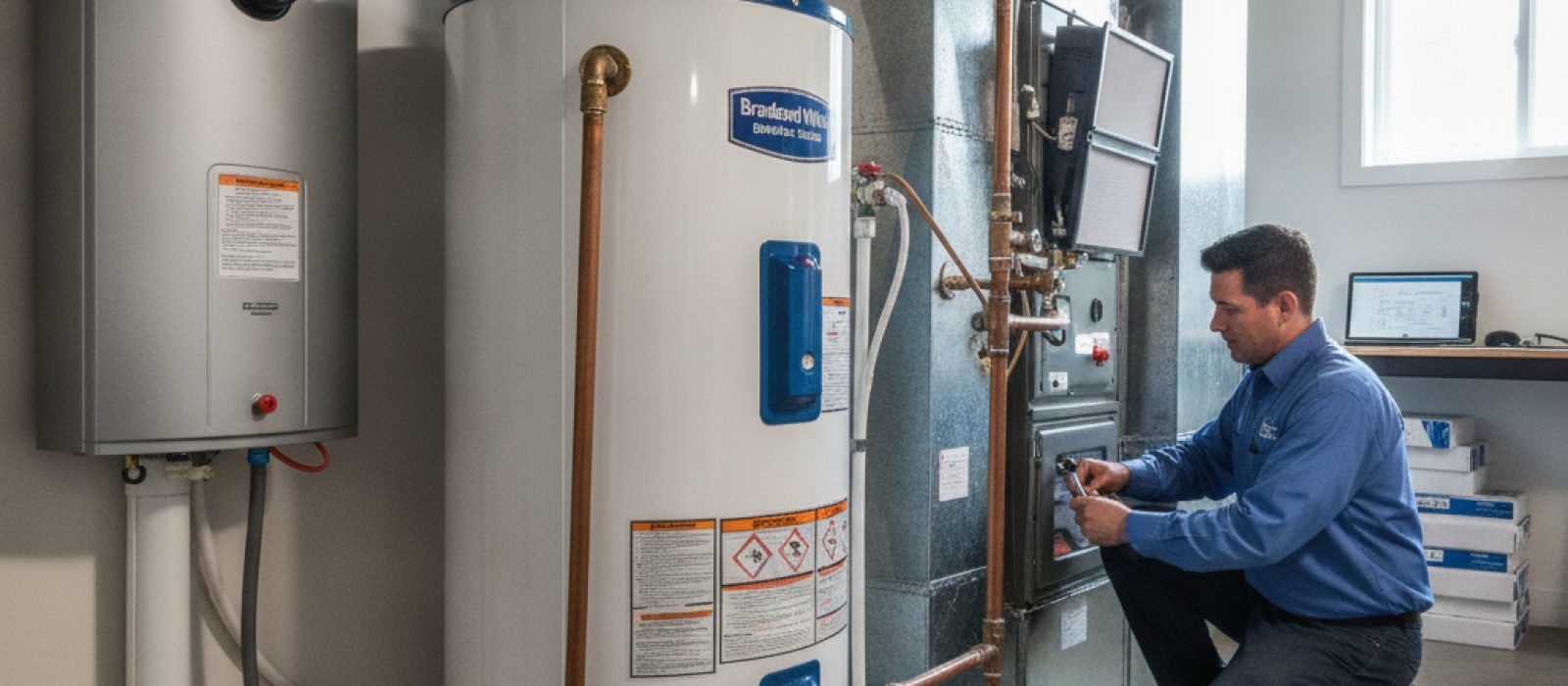
Learn how to choose between 40 and 75-gallon Bradford White water heaters and understand which model fits your home's hot water demands.
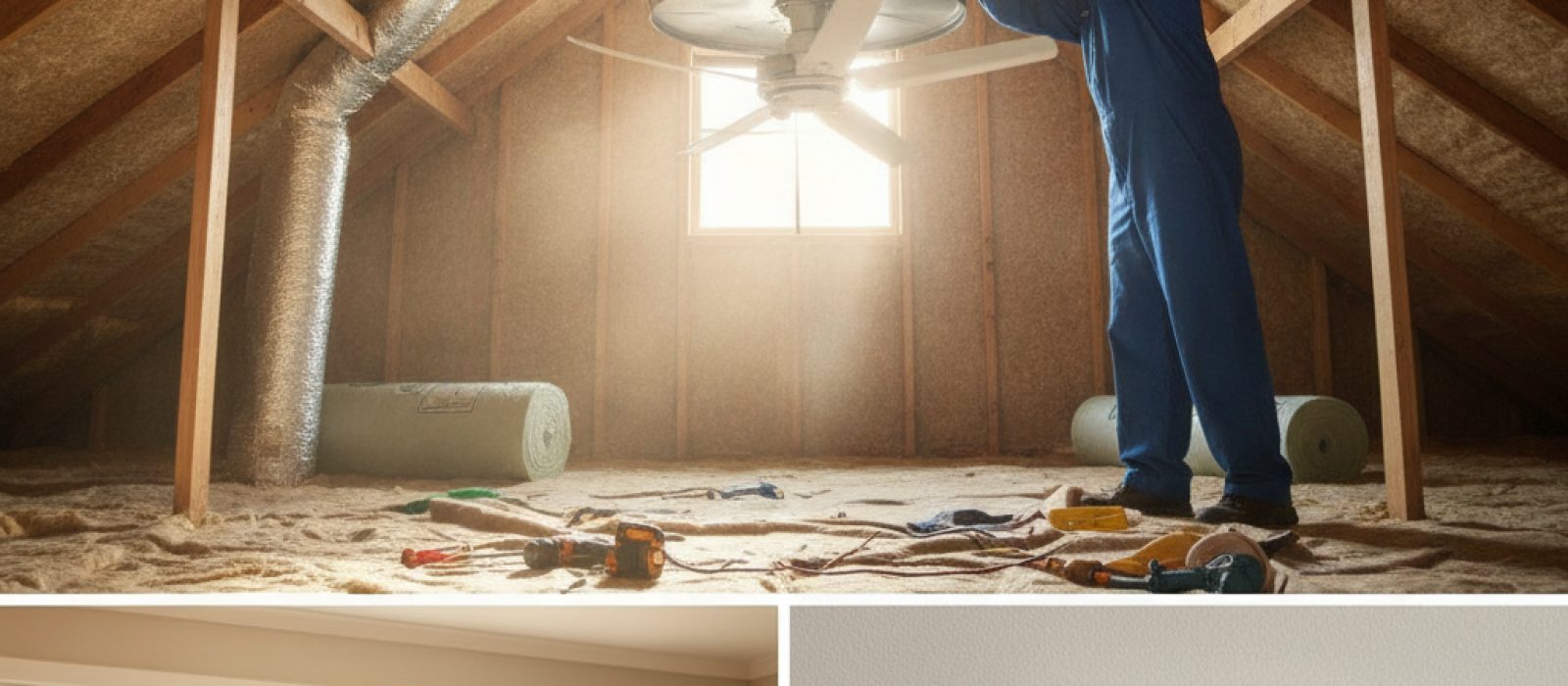
Learn how attic fans manage thermal buildup, the factors influencing installation costs, and the critical mistakes to avoid for a balanced home system.
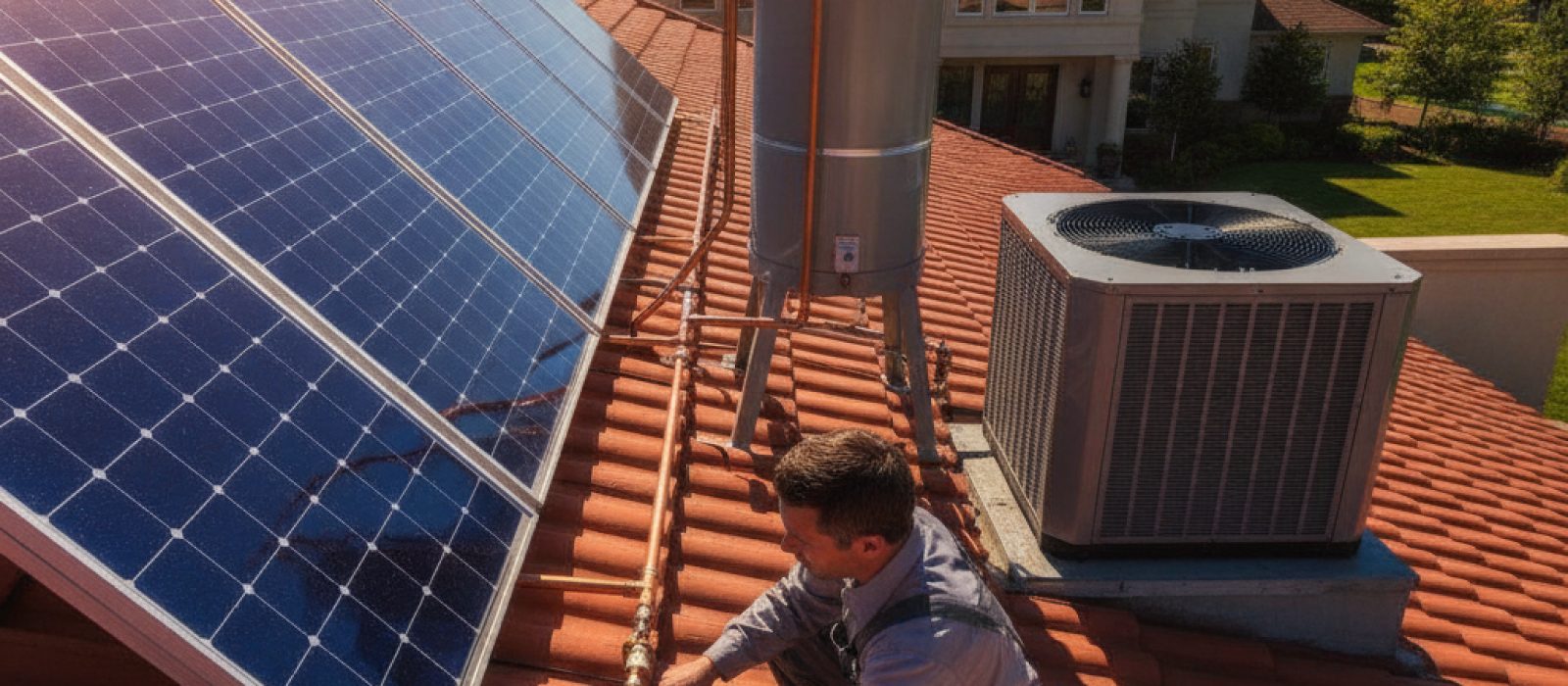
Understand the mechanics, efficiency benefits, and practical considerations of installing a solar-powered water heating system in your home.
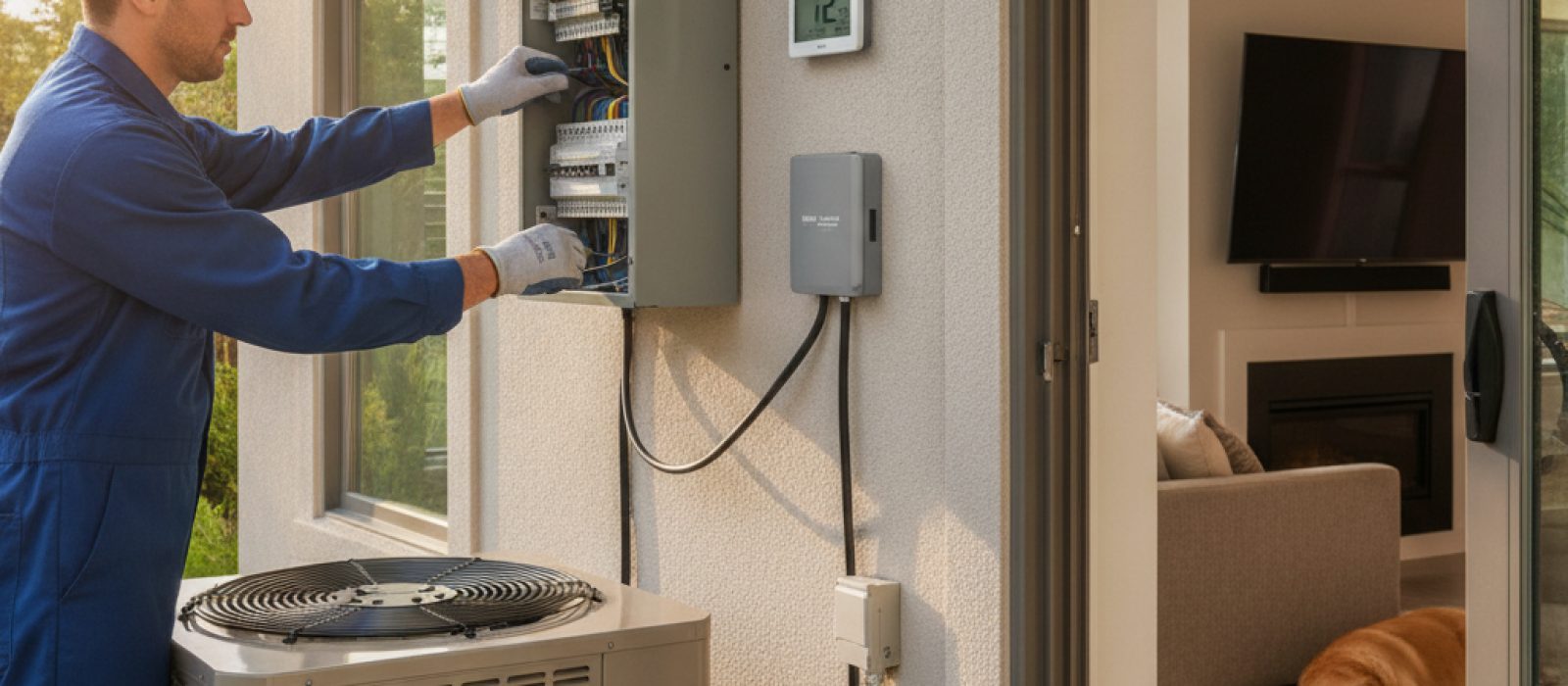
Learn how whole-house surge protectors safeguard sensitive HVAC equipment and home electronics from damaging power spikes and electrical surges.
Be the first to comment.