
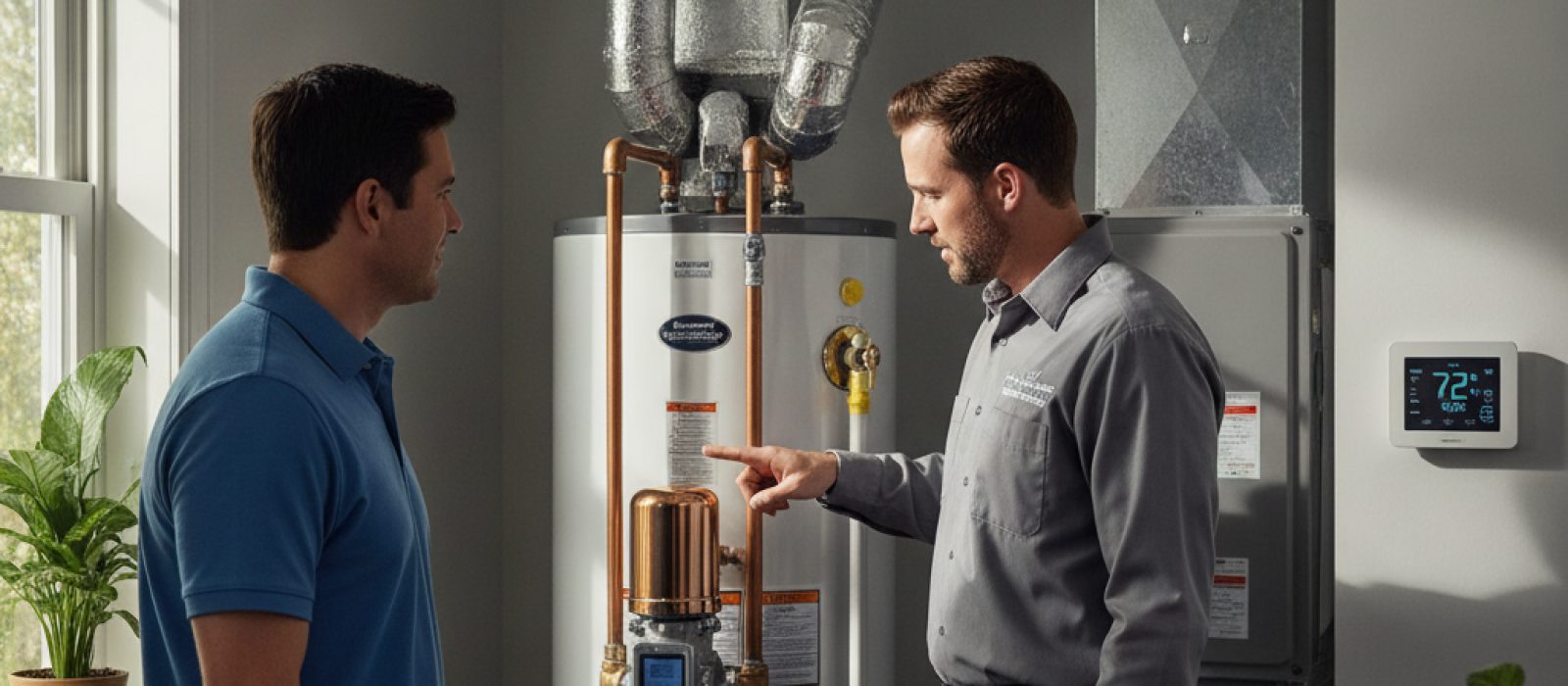
Hot Water Recirculating Pumps: How They Work and What They Cost
Learn how hot water recirculating pumps provide instant hot water, the different installation types, and the factors that influence overall project costs.
4 min read

Hiring an HVAC professional involves more than finding someone with the right tools. Because heating and cooling systems involve high-voltage electricity, pressurized refrigerants, and combustible fuel lines, state governments mandate specific licensing requirements to protect public safety. Verifying a contractor’s credentials prevents property damage, ensures compliance with local building codes, and guarantees that work is performed by individuals who have met rigorous training and testing standards.
HVAC licensing is not uniform across the United States. Regulations are determined at the state level, and in some jurisdictions, requirements are further refined by county or municipal ordinances. Some states require a statewide contractor license for all HVAC work, while others leave the oversight entirely to local building departments. This disparity makes it essential for homeowners to consult their specific state’s Department of Labor, Department of Professional Regulation, or Contractor Licensing Board.
For instance, some states categorize licenses based on the scope of work. A contractor might hold a restricted license for residential AC Services, while a more comprehensive license is required for Commercial HVAC installations. Always verify that the specific license held covers the exact type of equipment being serviced or installed.
Before allowing a technician to begin work, take proactive steps to confirm their legal standing. Most states provide an online portal where you can search for a contractor by name, business entity, or license number.
A license confirms a professional has met technical requirements, but insurance and bonding provide financial protection for the homeowner. Liability insurance covers damages to your property that may occur during a repair or installation, such as a slip-and-fall incident or accidental structural damage during Ductwork Services. Workers' compensation insurance protects the homeowner from liability should a technician be injured while working on your property.
Bonding is equally critical. A surety bond serves as a guarantee that the contractor will fulfill their contractual obligations. If a contractor fails to complete a job or violates building codes, the bond provides a mechanism for financial recourse. Always request a Certificate of Insurance (COI) directly from the contractor's insurance provider or ask to see a current copy before work begins.
Certain behaviors suggest a lack of professionalism or an attempt to bypass regulatory standards. Be wary of any contractor who exhibits the following traits:
Not every service call requires a deep dive into historical disciplinary records, but you should always verify credentials for major projects. This includes any task involving system replacement, major component repair, or complex Maintenance & Tune-up visits. When a technician arrives for a routine inspection, they should be able to present a company identification badge that corresponds to the licensed business entity. If you are ever in doubt, a quick call to the business office can confirm the identity of the technician assigned to your home.
If you are planning a significant upgrade, such as a new furnace or a high-efficiency heat pump, your local building department often serves as an additional layer of verification. Many municipalities require permits for these installations. The permit process itself acts as a vetting tool, as the building department will only issue permits to contractors who are properly licensed and insured in that jurisdiction. If a contractor suggests bypassing the permit process, this is a significant warning sign that they may not be authorized to perform the work.
Learn how hot water recirculating pumps provide instant hot water, the different installation types, and the factors that influence overall project costs.
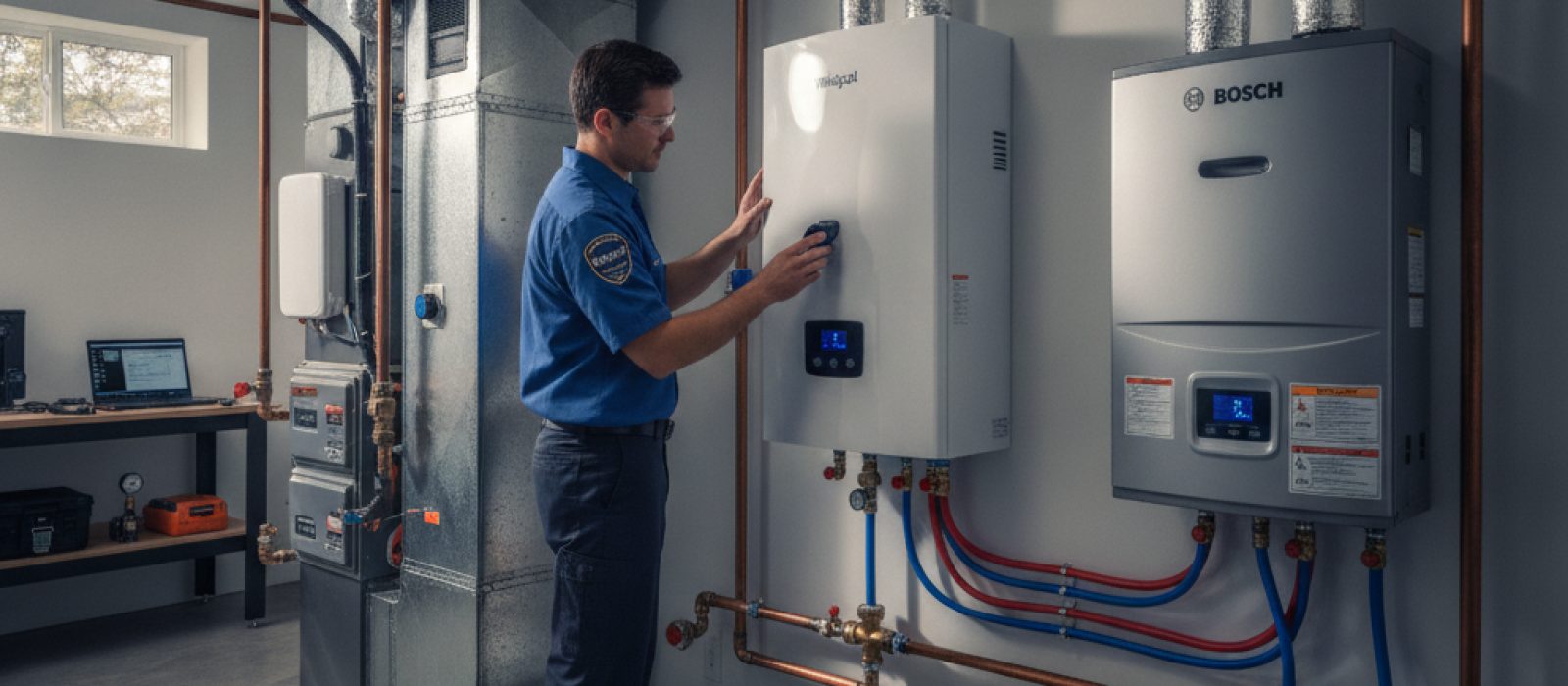
A practical guide to understanding the operational differences, maintenance needs, and common troubleshooting steps for Whirlpool and Bosch water heaters.
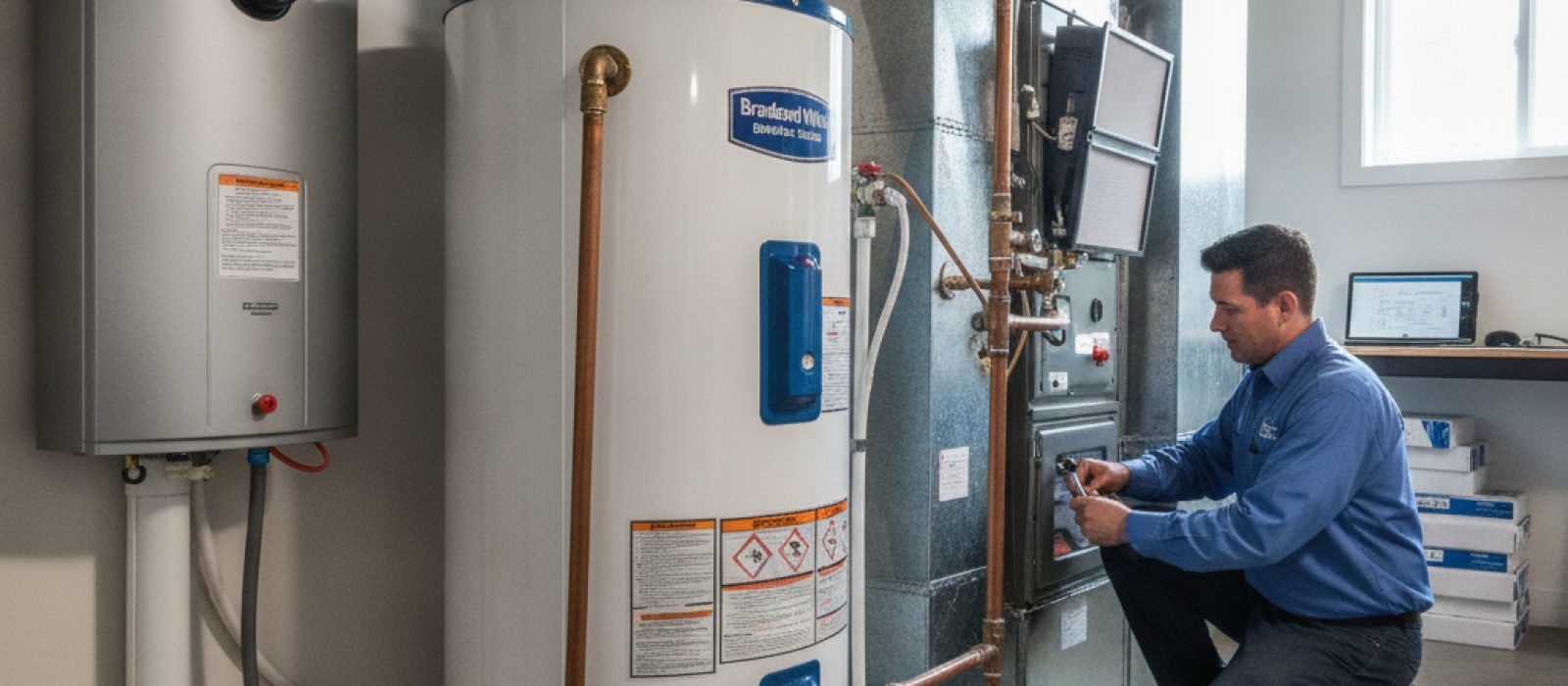
Learn how to choose between 40 and 75-gallon Bradford White water heaters and understand which model fits your home's hot water demands.
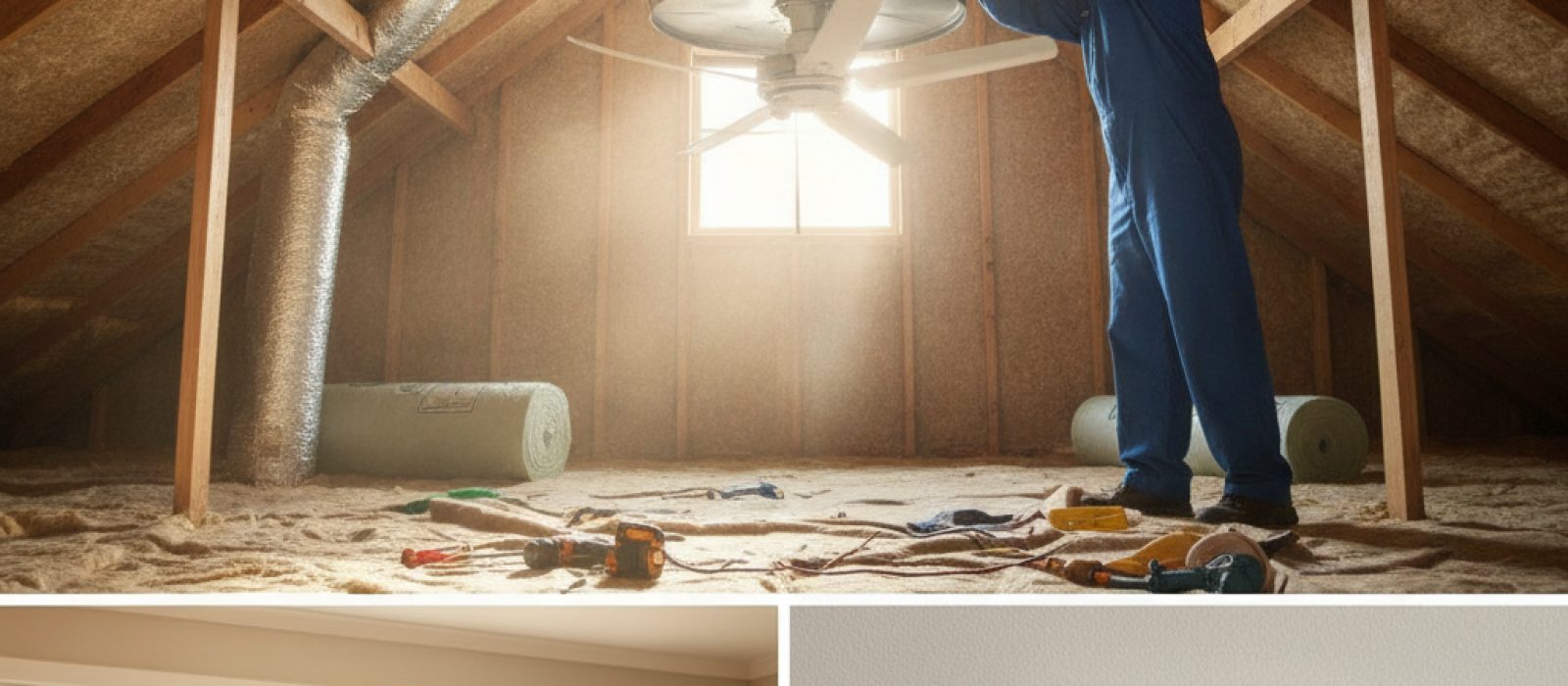
Learn how attic fans manage thermal buildup, the factors influencing installation costs, and the critical mistakes to avoid for a balanced home system.
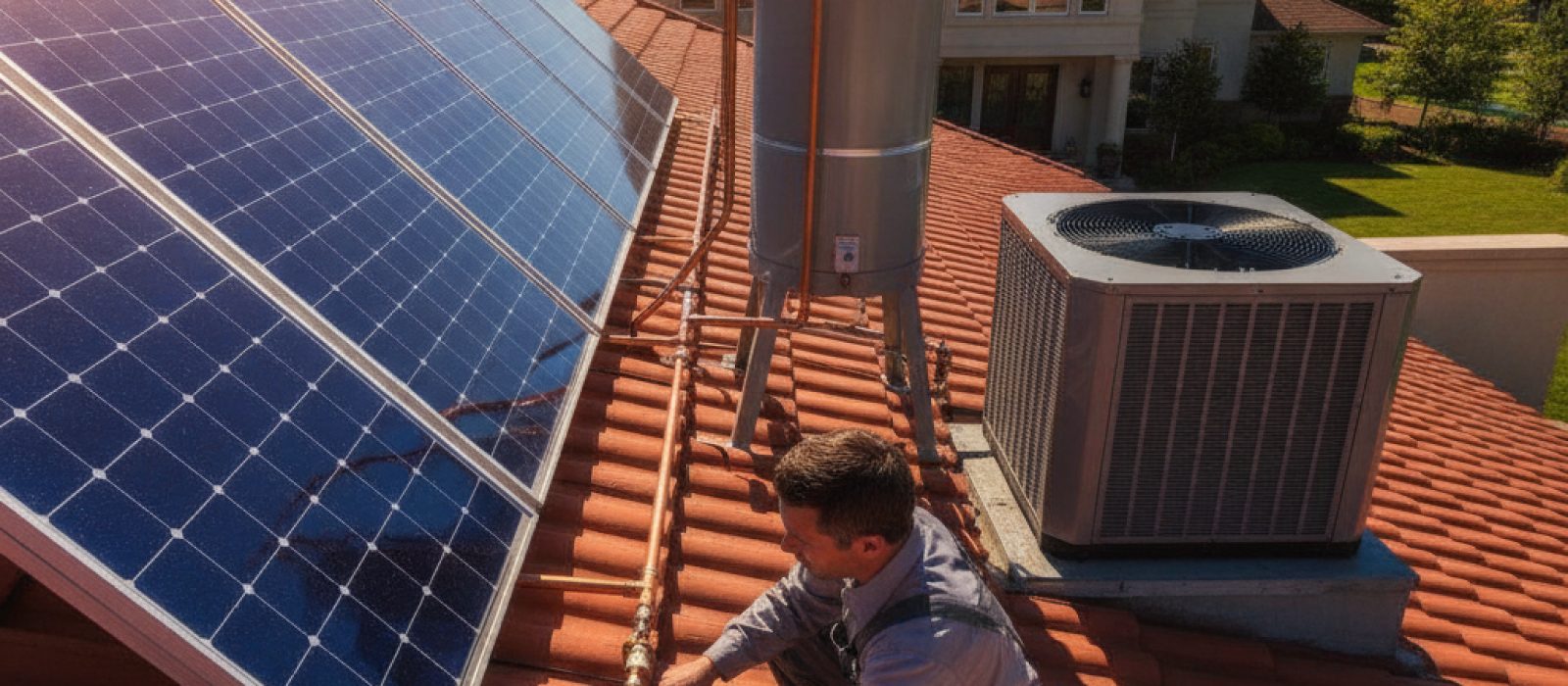
Understand the mechanics, efficiency benefits, and practical considerations of installing a solar-powered water heating system in your home.
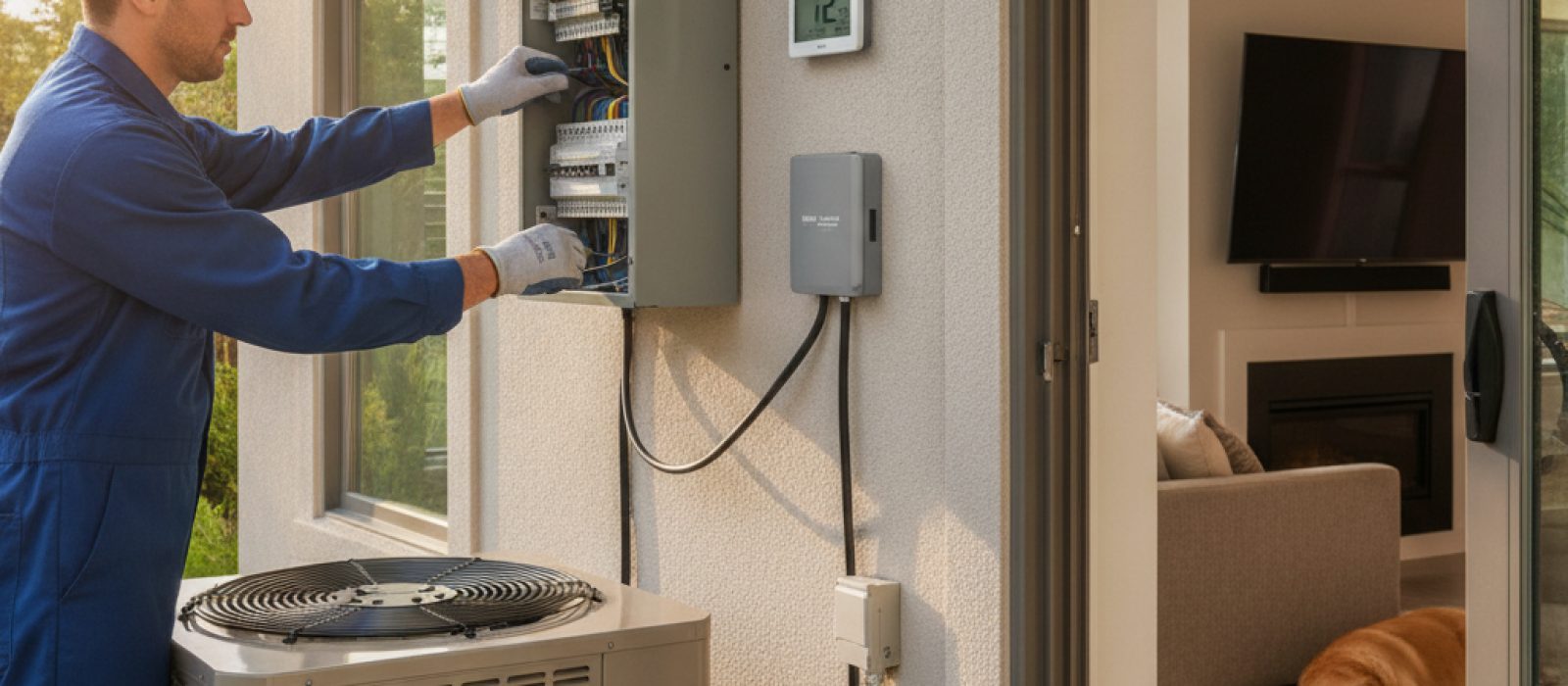
Learn how whole-house surge protectors safeguard sensitive HVAC equipment and home electronics from damaging power spikes and electrical surges.
Be the first to comment.