
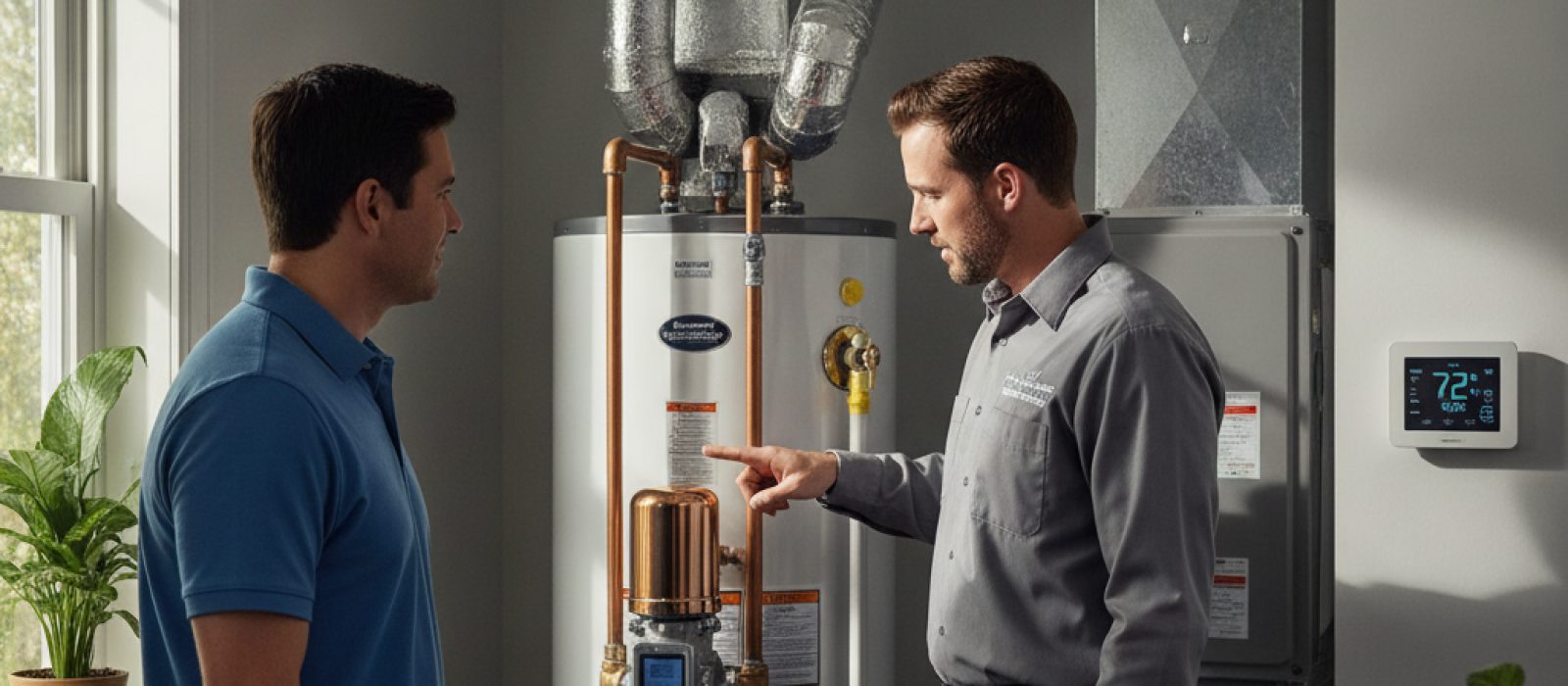
Hot Water Recirculating Pumps: How They Work and What They Cost
Learn how hot water recirculating pumps provide instant hot water, the different installation types, and the factors that influence overall project costs.
4 min read

Before planning the climate control for a home addition, the first step is determining if your existing system has the capacity to handle the extra square footage. HVAC systems are sized based on specific load calculations that account for the total volume of air, insulation levels, and window orientation. Adding space without verifying system capacity often leads to uneven temperatures and premature equipment failure.
A licensed technician should perform a Manual J load calculation to see if your current furnace or air conditioner can accommodate the increased load. If the existing system is already operating near its limit, extending ductwork might force the blower motor to work harder than designed, potentially shortening its lifespan. Consulting with experts in Furnace Services or AC Services can provide clarity on whether an equipment upgrade is necessary to maintain comfort throughout the home.
Extending existing ductwork involves physically tapping into your current supply and return lines to carry conditioned air into the new space. This approach is most feasible when the addition is located directly adjacent to existing trunk lines and has accessible attic or crawlspace areas for new duct runs.
However, this method is not always straightforward. You must consider the structural integrity of the home, as adding new duct runs may require cutting through load-bearing walls or joists. Additionally, long runs of ductwork can lead to pressure drops, meaning the air reaching the addition may be weaker than the air in the original rooms. Professional Ductwork Services are essential here to ensure that the new branches are properly balanced and sealed to prevent energy loss.
Ductless mini-split systems are often the preferred choice for home additions because they operate independently of your central system. These systems consist of an outdoor condenser connected to one or more indoor air-handling units mounted on the wall or ceiling. Because they do not rely on a network of ducts, they avoid the energy losses associated with leaky or poorly insulated ductwork.
Mini-splits offer zone-specific control, allowing homeowners to set a different temperature for the new room without affecting the rest of the house. This is particularly useful for home offices or guest suites that may not need to be conditioned 24/7. Installation is relatively non-invasive, requiring only a small three-inch hole in an exterior wall to connect the refrigerant lines, electrical wiring, and condensate drain.
Extending ductwork is generally labor-intensive due to the need for modifications to the existing framing and potential upgrades to the air handler. The cost varies by system and region, but it often involves significant demolition and patching if the new ducts cannot be easily hidden in closets or dropped ceilings.
Ductless systems are typically faster to install, which can reduce labor time. While the upfront cost for a high-efficiency mini-split can be higher than adding a few feet of sheet metal ducting, the long-term energy savings and the avoidance of complex structural work often make it the more economical choice for isolated additions. You should also consider that these units require periodic maintenance, which can be integrated into your regular Maintenance & Tune-up schedule to ensure peak performance.
When choosing between these two paths, consider the following variables:
If you find that the addition creates significant humidity issues, you might also look into Indoor Air Quality solutions, as modern, tightly sealed additions can sometimes trap moisture if ventilation is not properly addressed during the design phase.
Homeowners can safely handle basic tasks like replacing air filters or clearing debris around an outdoor condenser unit. However, any modification to the HVAC system—whether it involves cutting into ductwork, modifying refrigerant lines, or adjusting electrical circuits—requires a licensed professional. Improperly installed ducts can lead to mold growth from condensation, while mishandled refrigerant lines pose safety risks and are regulated by federal environmental standards.
Always verify that your contractor is insured and experienced in the specific type of installation you choose. Relying on professional guidance ensures that the addition remains compliant with local building codes and that the new space provides the same level of comfort as the original structure.
Learn how hot water recirculating pumps provide instant hot water, the different installation types, and the factors that influence overall project costs.
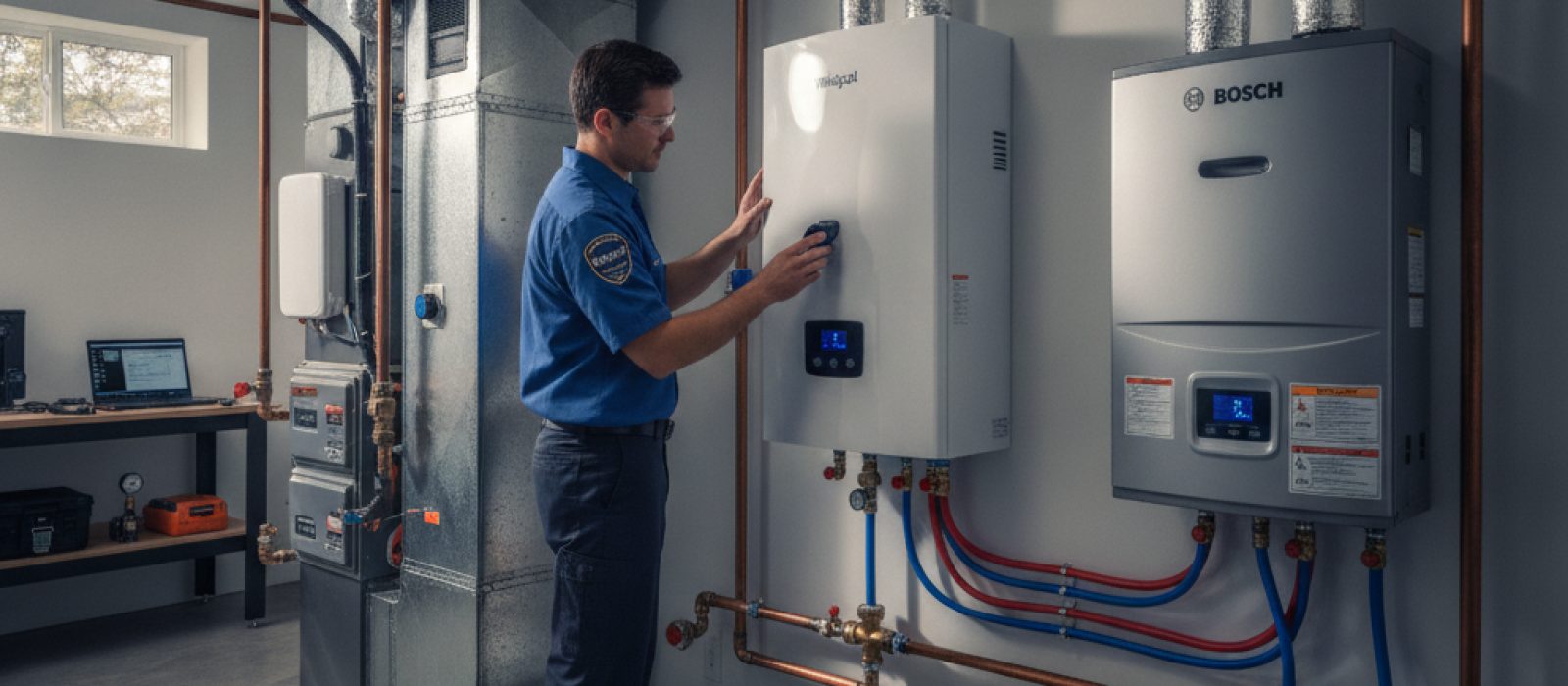
A practical guide to understanding the operational differences, maintenance needs, and common troubleshooting steps for Whirlpool and Bosch water heaters.
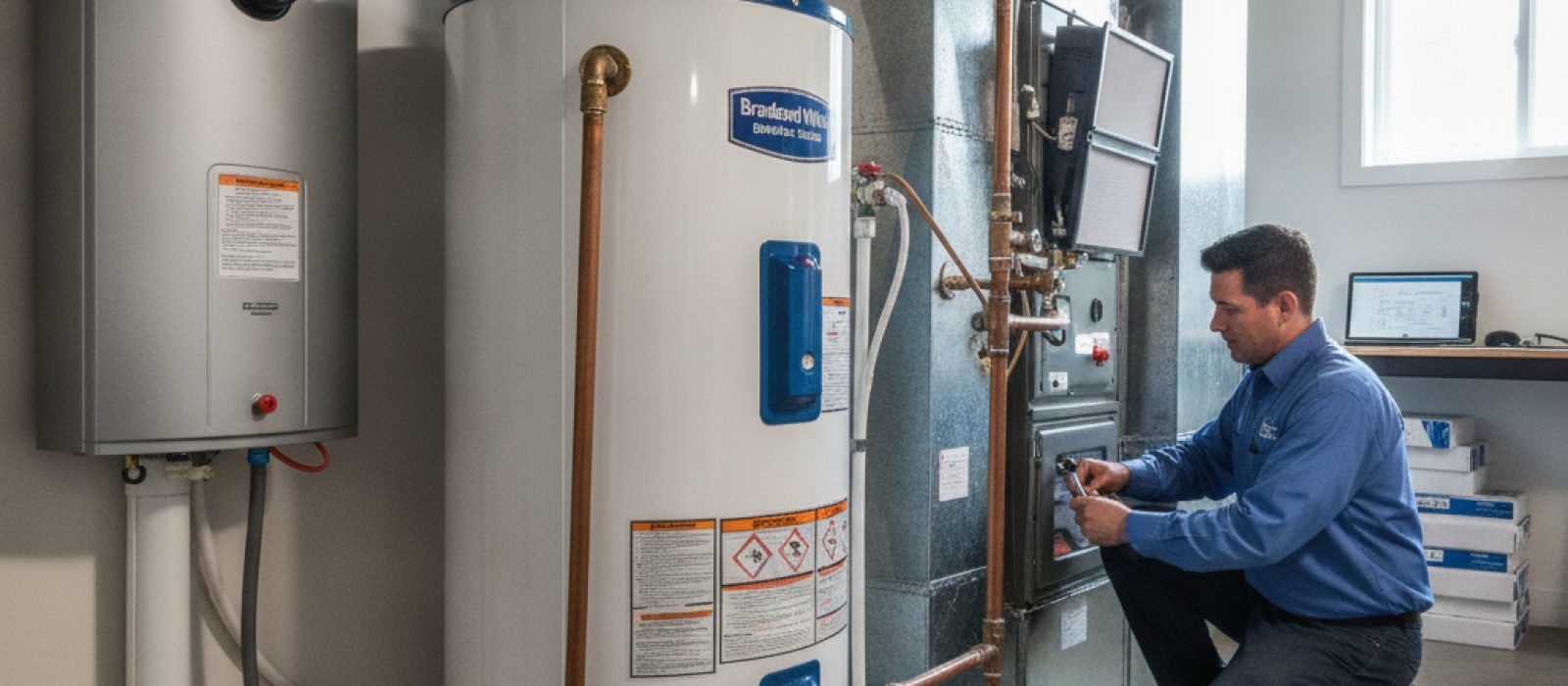
Learn how to choose between 40 and 75-gallon Bradford White water heaters and understand which model fits your home's hot water demands.

Learn how attic fans manage thermal buildup, the factors influencing installation costs, and the critical mistakes to avoid for a balanced home system.
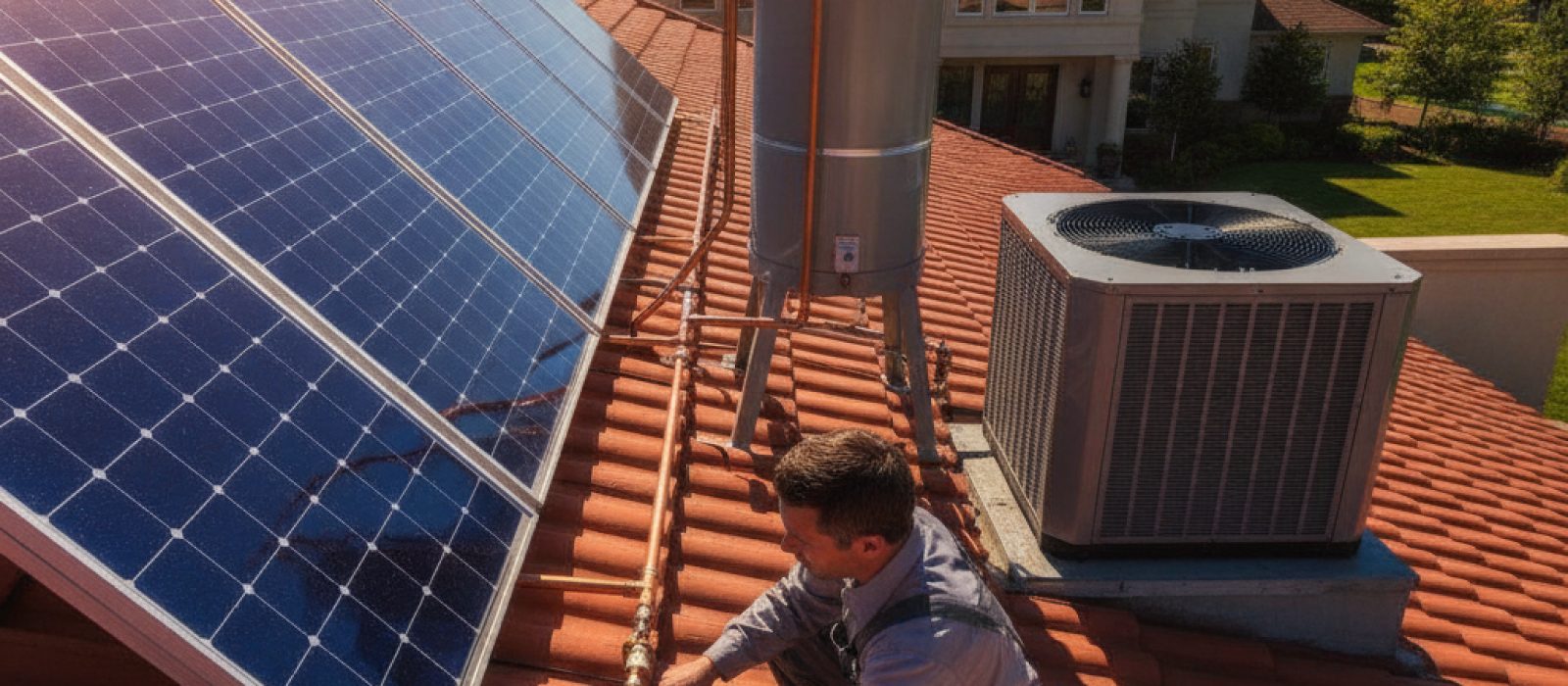
Understand the mechanics, efficiency benefits, and practical considerations of installing a solar-powered water heating system in your home.

Learn how whole-house surge protectors safeguard sensitive HVAC equipment and home electronics from damaging power spikes and electrical surges.
Be the first to comment.