
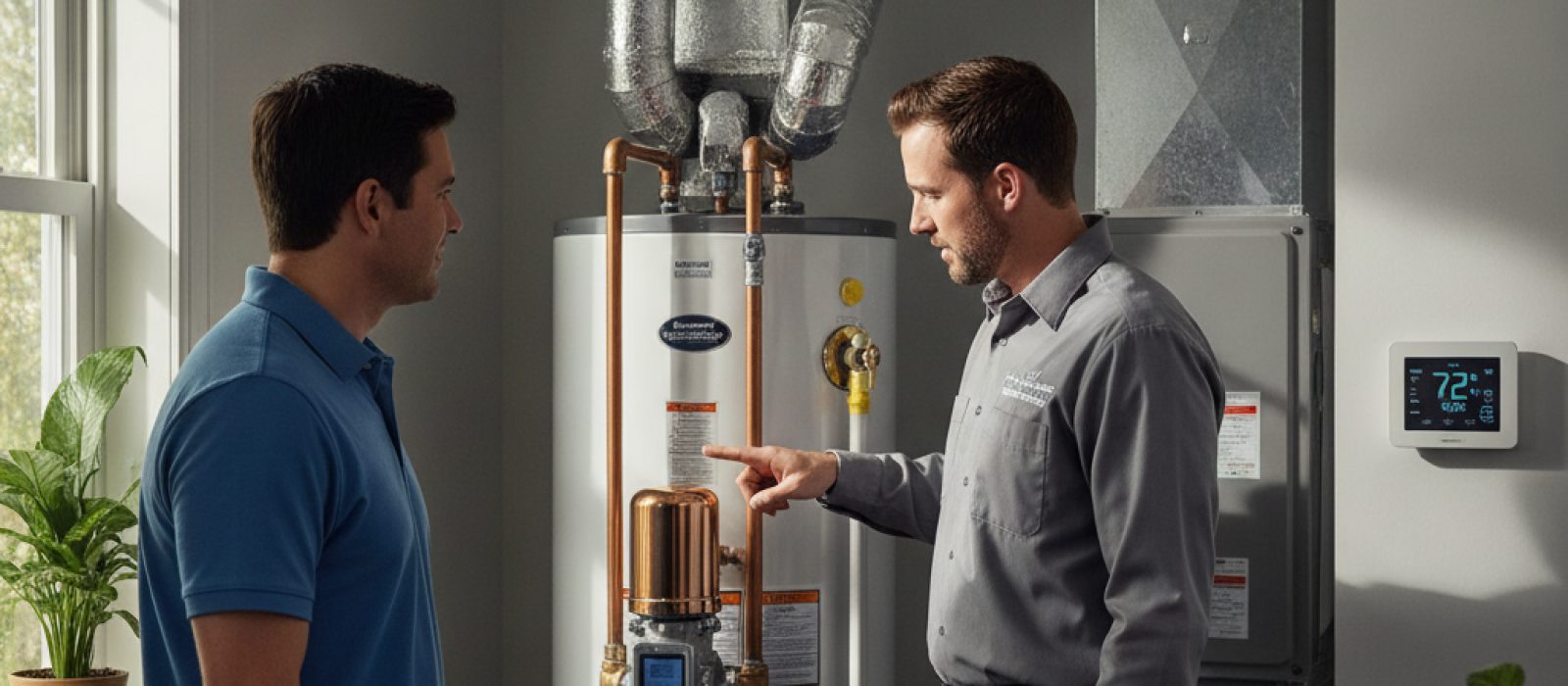
Hot Water Recirculating Pumps: How They Work and What They Cost
Learn how hot water recirculating pumps provide instant hot water, the different installation types, and the factors that influence overall project costs.
4 min read

When you're planning a home improvement project, especially one involving your heating, ventilation, and air conditioning (HVAC) system, you might hear the term “HVAC permit.” But what does that actually mean for you as a homeowner? Simply put, an HVAC permit is official authorization from your local government (city or county) that allows you to perform specific HVAC-related work on your property. It's a way for your municipality to ensure that the work being done meets safety standards, building codes, and zoning regulations.
Think of it as a stamp of approval that verifies your project is up to snuff. These permits aren't just bureaucratic red tape; they're a vital part of protecting your home, your family, and your investment. They ensure that installations are safe, efficient, and compliant with the latest industry standards, preventing potential hazards like gas leaks, electrical fires, or improper ventilation.
You might be tempted to skip the permit process to save time or money, but that can lead to significant headaches down the road. Here’s why HVAC permits are non-negotiable for certain projects:
Not every HVAC repair or maintenance task requires a permit. Generally, routine maintenance or minor repairs that don't alter the system's design or capacity won't need one. However, specific types of projects almost always do:
It's important to note that permit requirements can vary significantly from one municipality to another. What requires a permit in one city might not in an adjacent county. Always check with your local building department or, better yet, rely on a reputable HVAC contractor. They are familiar with local regulations and should handle the permit application process on your behalf.
Choosing a licensed and experienced HVAC contractor is your best defense against permit-related headaches. A trustworthy contractor will not only inform you when a permit is needed but will also handle the entire application process, including submitting plans, scheduling inspections, and ensuring all work meets code. They understand the nuances of local regulations, saving you time, stress, and potential legal issues. Don't hesitate to ask your contractor about permits during your initial consultation; it's a sign of a professional committed to quality and compliance.
Learn how hot water recirculating pumps provide instant hot water, the different installation types, and the factors that influence overall project costs.
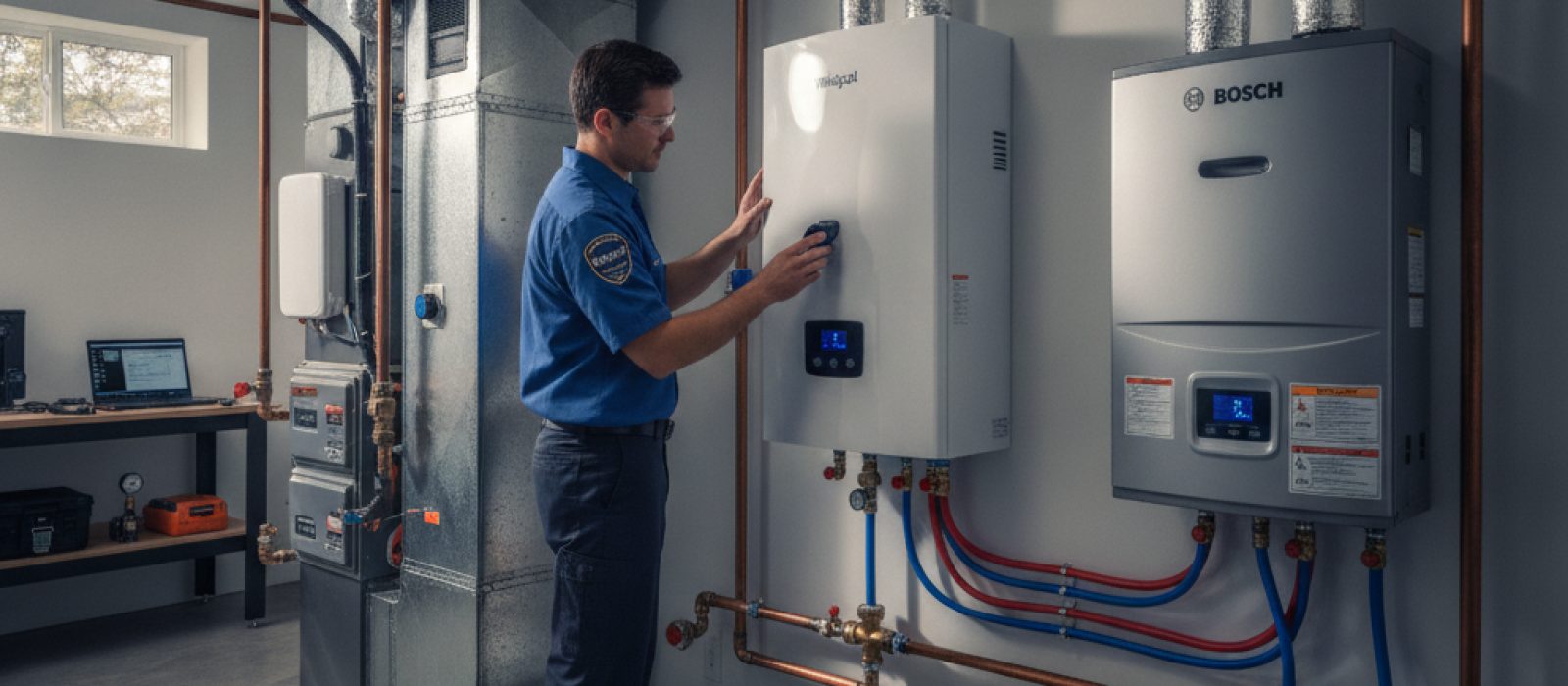
A practical guide to understanding the operational differences, maintenance needs, and common troubleshooting steps for Whirlpool and Bosch water heaters.
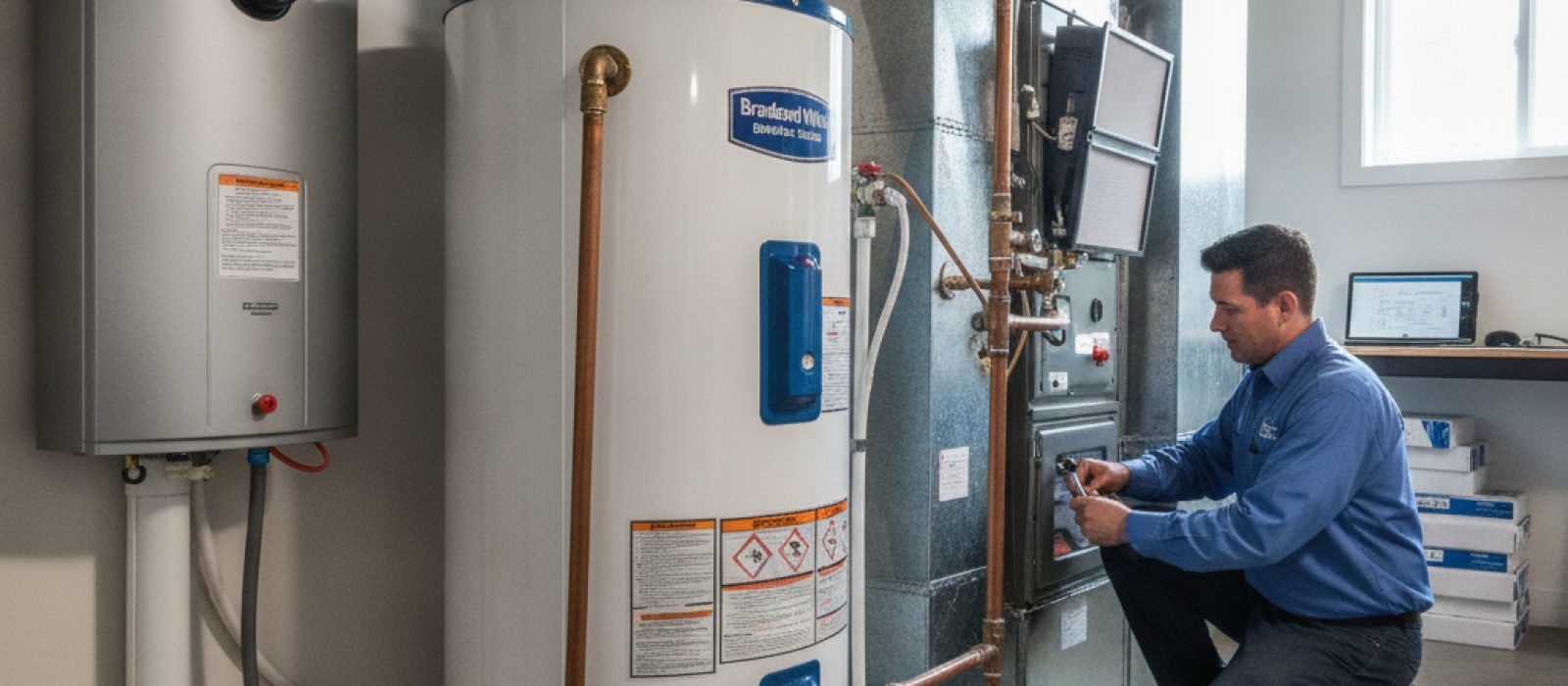
Learn how to choose between 40 and 75-gallon Bradford White water heaters and understand which model fits your home's hot water demands.

Learn how attic fans manage thermal buildup, the factors influencing installation costs, and the critical mistakes to avoid for a balanced home system.
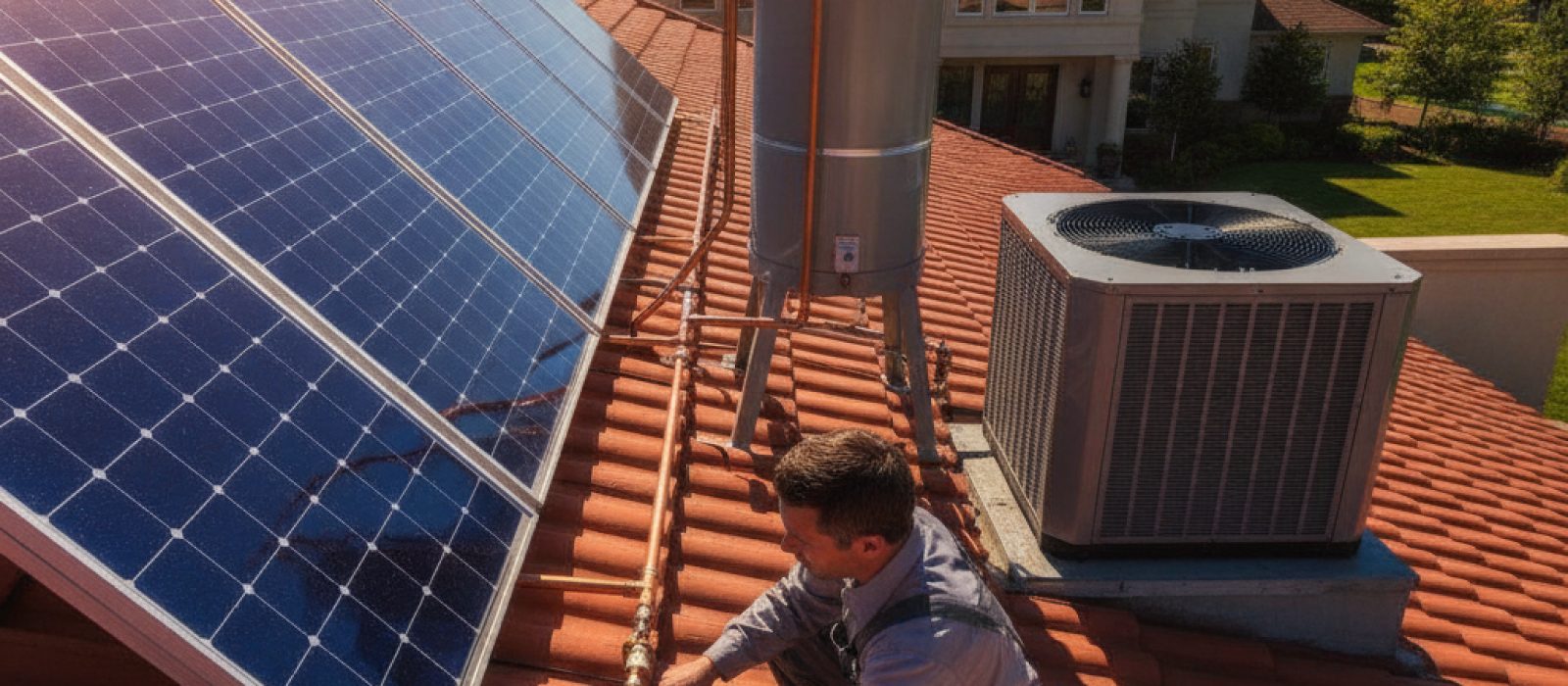
Understand the mechanics, efficiency benefits, and practical considerations of installing a solar-powered water heating system in your home.
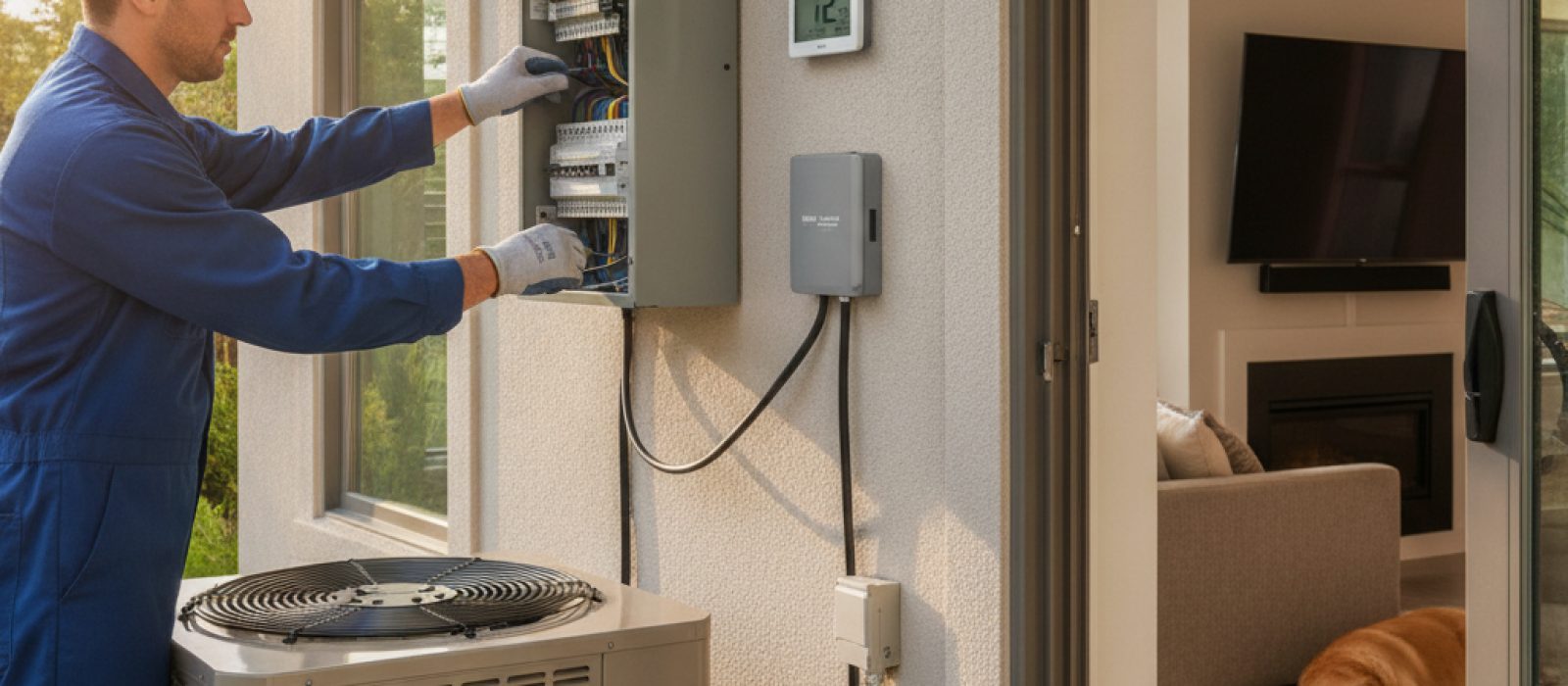
Learn how whole-house surge protectors safeguard sensitive HVAC equipment and home electronics from damaging power spikes and electrical surges.
Be the first to comment.