
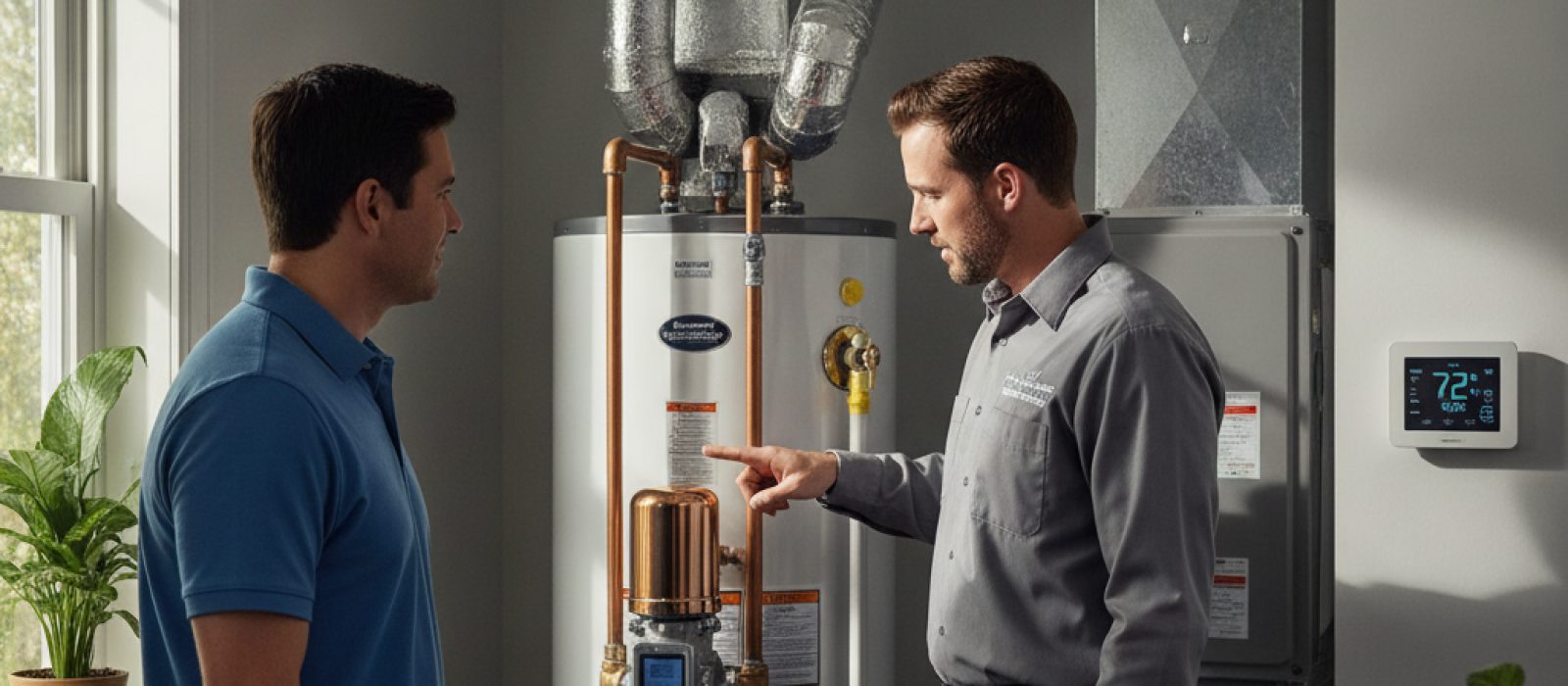
Hot Water Recirculating Pumps: How They Work and What They Cost
Learn how hot water recirculating pumps provide instant hot water, the different installation types, and the factors that influence overall project costs.
4 min read

Upgrading to high-efficiency climate control equipment often requires a significant upfront investment. Fortunately, various financial incentives exist to lower these costs, including federal tax credits, state-specific rebates, and local utility company programs. This guide outlines how to navigate these opportunities to ensure systems remain affordable while improving home comfort and efficiency.
The federal government provides tax credits for homeowners who install qualifying high-efficiency equipment. These credits are typically non-refundable and are claimed when filing annual income taxes. Unlike a rebate, which is often a direct payment or discount, a tax credit reduces the total amount of federal tax owed for the year the equipment was placed in service.
To qualify, equipment must meet specific energy performance standards. For example, high-efficiency heat pumps, central air conditioning units, and furnaces must meet or exceed the criteria established by the federal government for that specific tax year. Homeowners should request a Manufacturer Certification Statement from their HVAC installer, as this document serves as proof that the installed unit meets the necessary efficiency requirements.
Beyond federal tax credits, many states and local utility providers offer direct rebates. These programs are often designed to reduce peak demand on the electrical grid or to encourage the adoption of cleaner heating technologies. Because these programs are regional, the availability and amount of funding vary significantly depending on the utility provider and current state budget allocations.
Securing a rebate often requires documentation that must be collected before, during, and after the installation. It is critical to confirm eligibility before signing a contract with an HVAC company. If a system is installed before an application is approved or if the equipment does not meet the technical specifications of the program, the incentive may be denied.
Consulting with a licensed professional is the most reliable way to ensure the system meets local requirements. During a pre-installation consultation, ask the contractor if they are familiar with local utility rebate forms. Many contractors assist homeowners by providing the necessary technical data, such as AHRI certificates, which are frequently required to verify the efficiency rating of the new equipment.
Proper installation is not only vital for system performance but is often a prerequisite for receiving rebates. Utility companies frequently require proof that the system was installed by a licensed professional to ensure it operates at the rated efficiency. Improperly sized or poorly installed systems may fail to reach the energy-savings targets set by the incentive program.
If you are planning a full replacement, consider bundling your installation with other services that improve overall home performance. For example, addressing "Ductwork Services" or upgrading to a programmable or smart thermostat can sometimes qualify for additional utility incentives. Always verify if the incentive program requires a post-installation inspection or a specific verification form signed by the installer.
Maintaining a organized file for your HVAC project is essential. Keep copies of the following items in a single location:
For large-scale projects, such as a complete system overhaul involving "Heating Services" or "AC Services," ensure that the invoice clearly separates the cost of the equipment from the labor costs, as some programs only provide rebates based on the cost of the hardware.
Incentive programs occasionally reach their funding limits before the end of the year. It is advisable to submit applications as soon as the installation is complete. If a program is marked as "waitlist only" or "pending funding," proceed with caution and confirm whether your project will still qualify if the funds are exhausted.
Additionally, be wary of third-party websites that claim to offer "exclusive" rebates in exchange for personal data. Always verify incentive information through the official website of your utility provider or the Department of Energy. If an offer seems too good to be true or requires an upfront fee to access a "rebate," it is likely not a legitimate government or utility program.
Learn how hot water recirculating pumps provide instant hot water, the different installation types, and the factors that influence overall project costs.
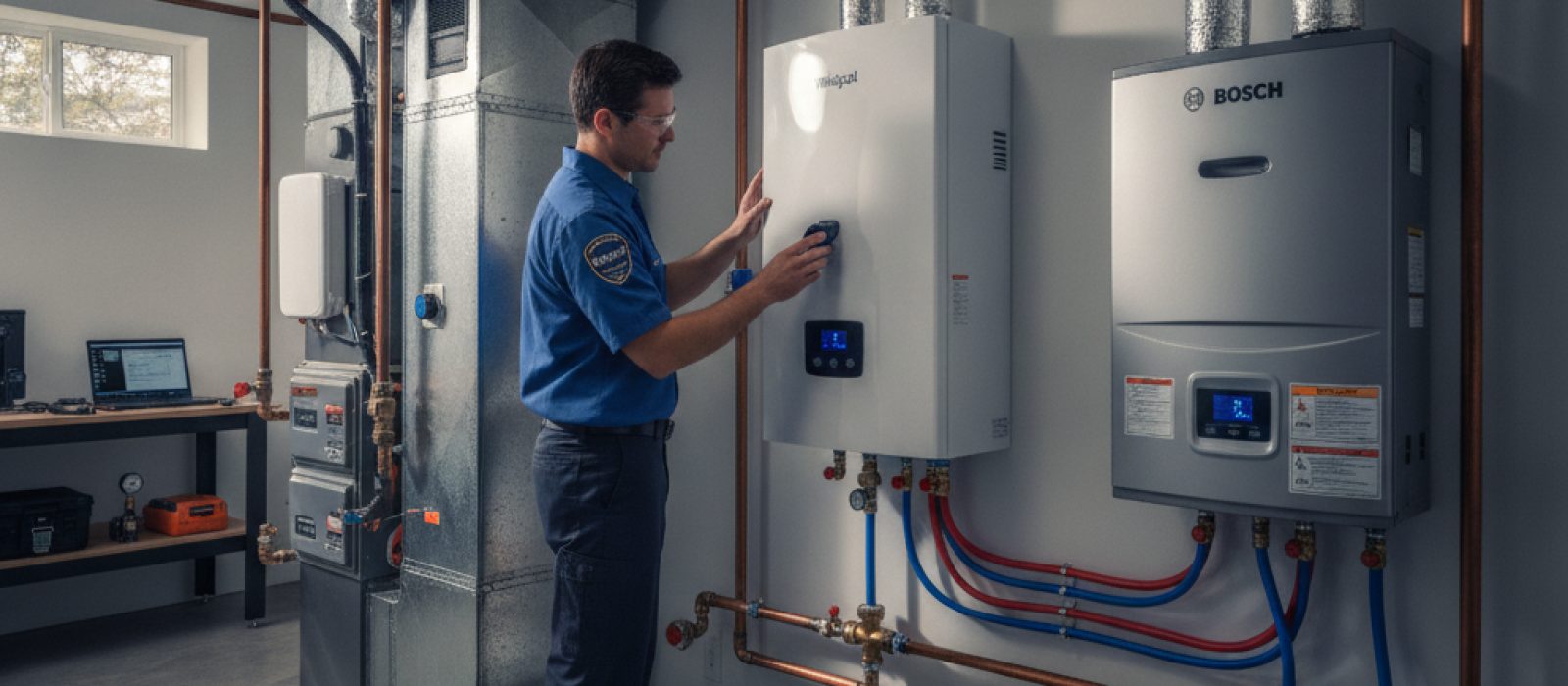
A practical guide to understanding the operational differences, maintenance needs, and common troubleshooting steps for Whirlpool and Bosch water heaters.
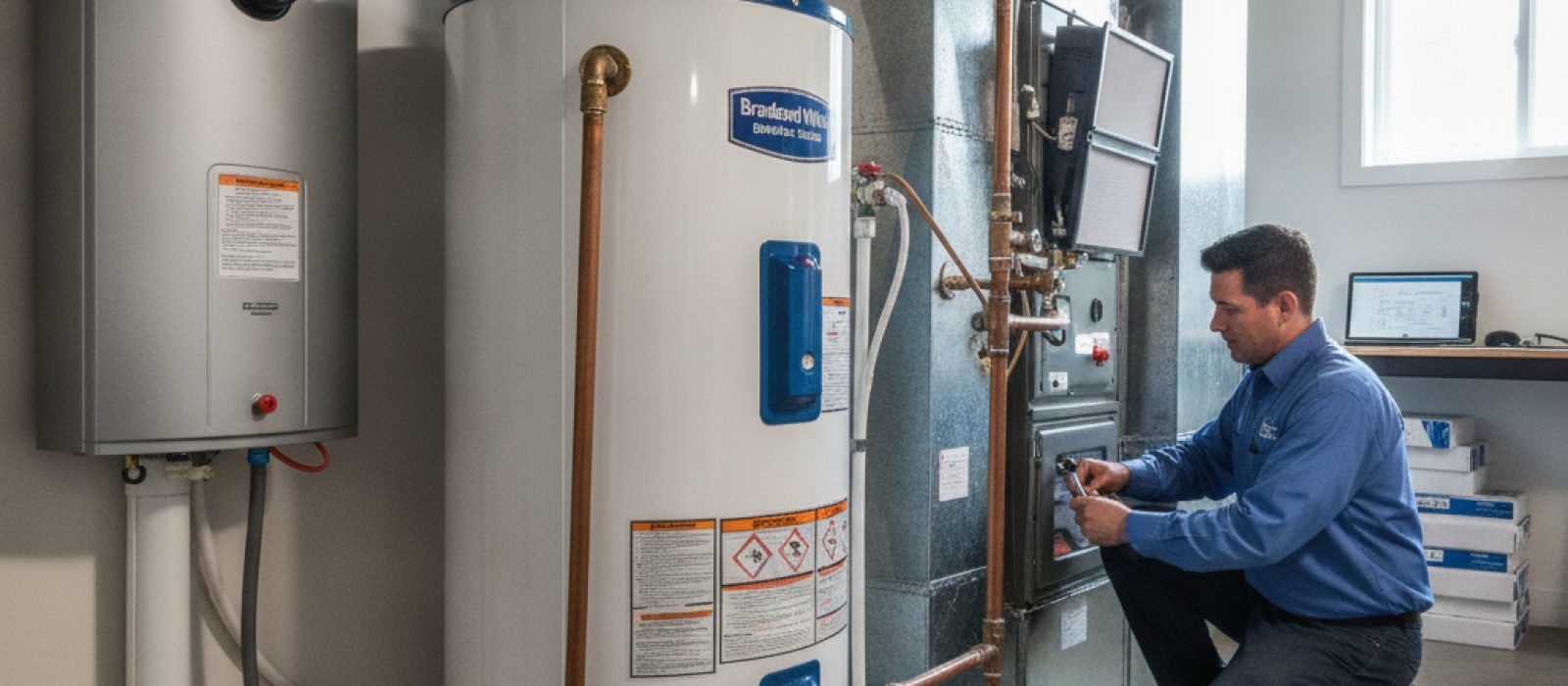
Learn how to choose between 40 and 75-gallon Bradford White water heaters and understand which model fits your home's hot water demands.
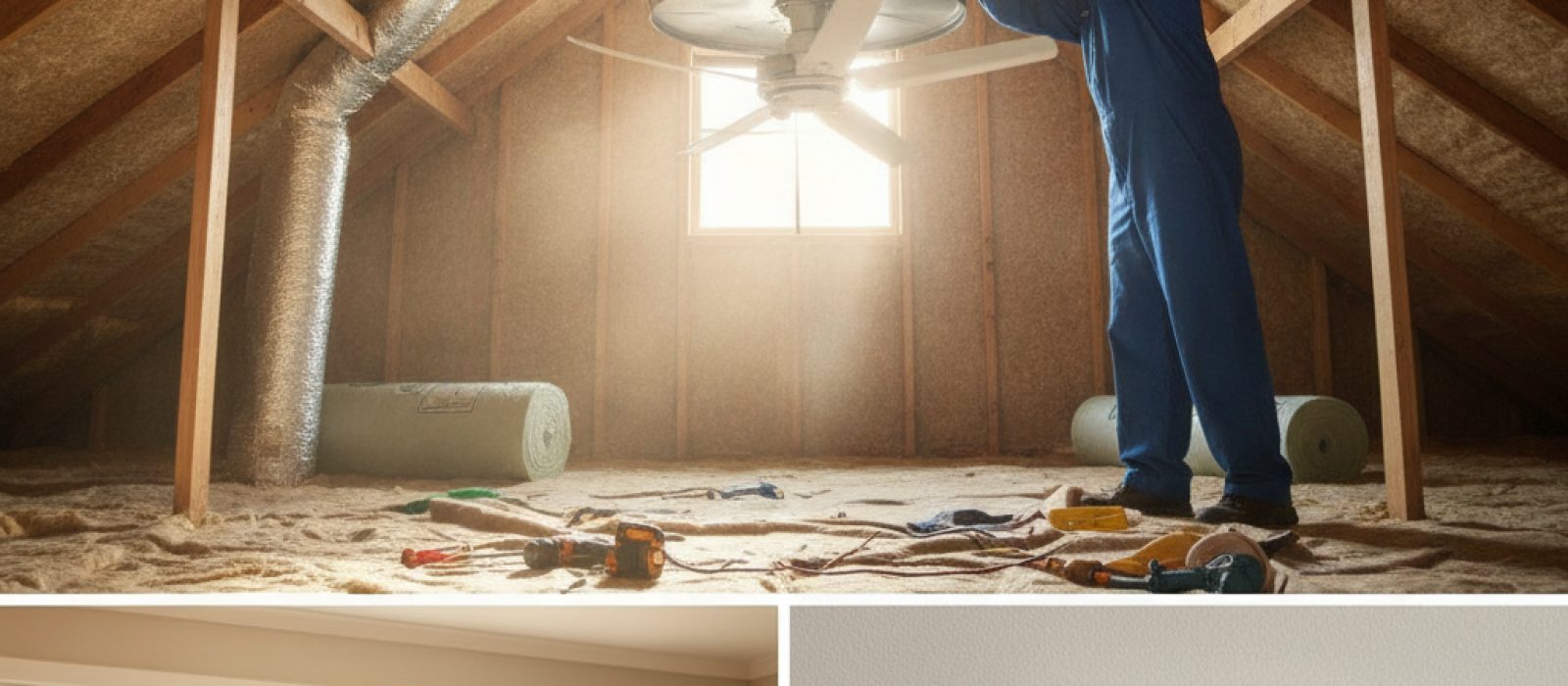
Learn how attic fans manage thermal buildup, the factors influencing installation costs, and the critical mistakes to avoid for a balanced home system.
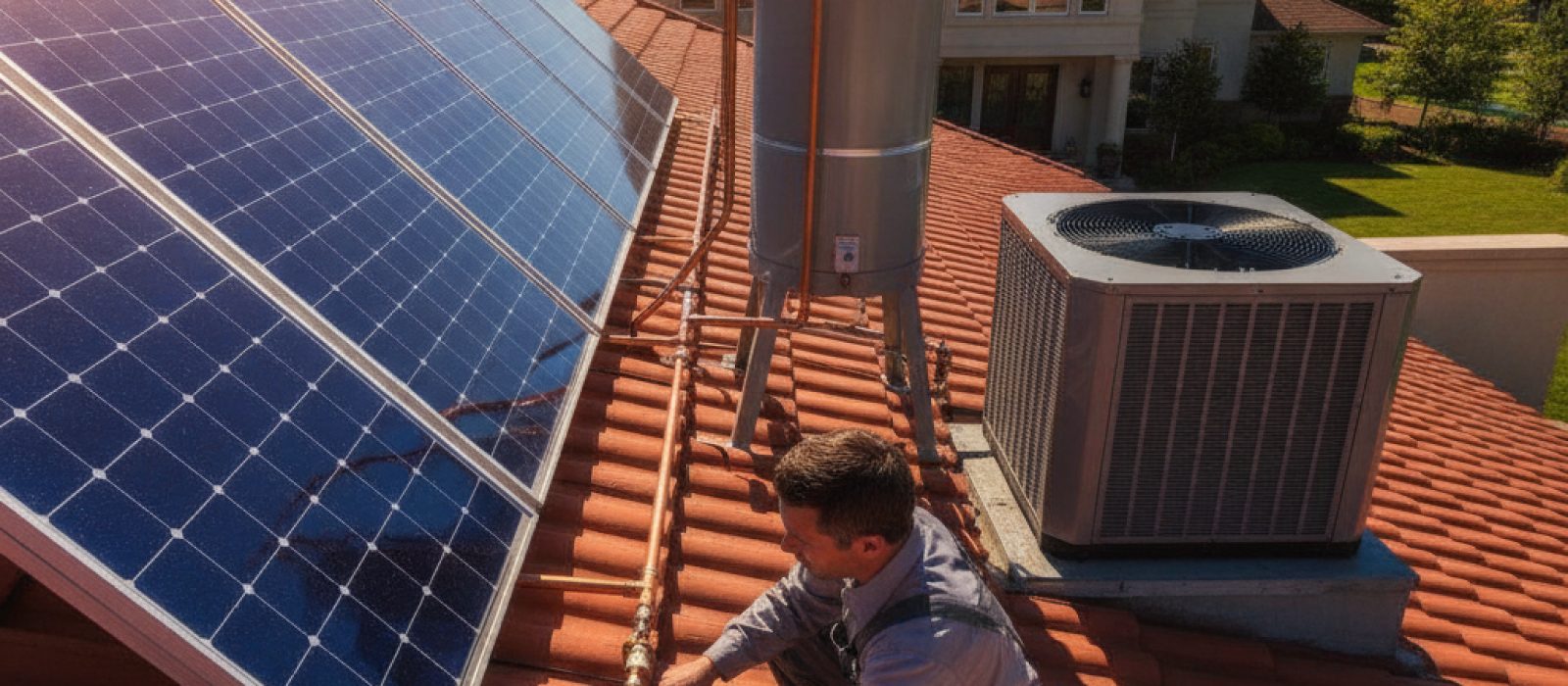
Understand the mechanics, efficiency benefits, and practical considerations of installing a solar-powered water heating system in your home.
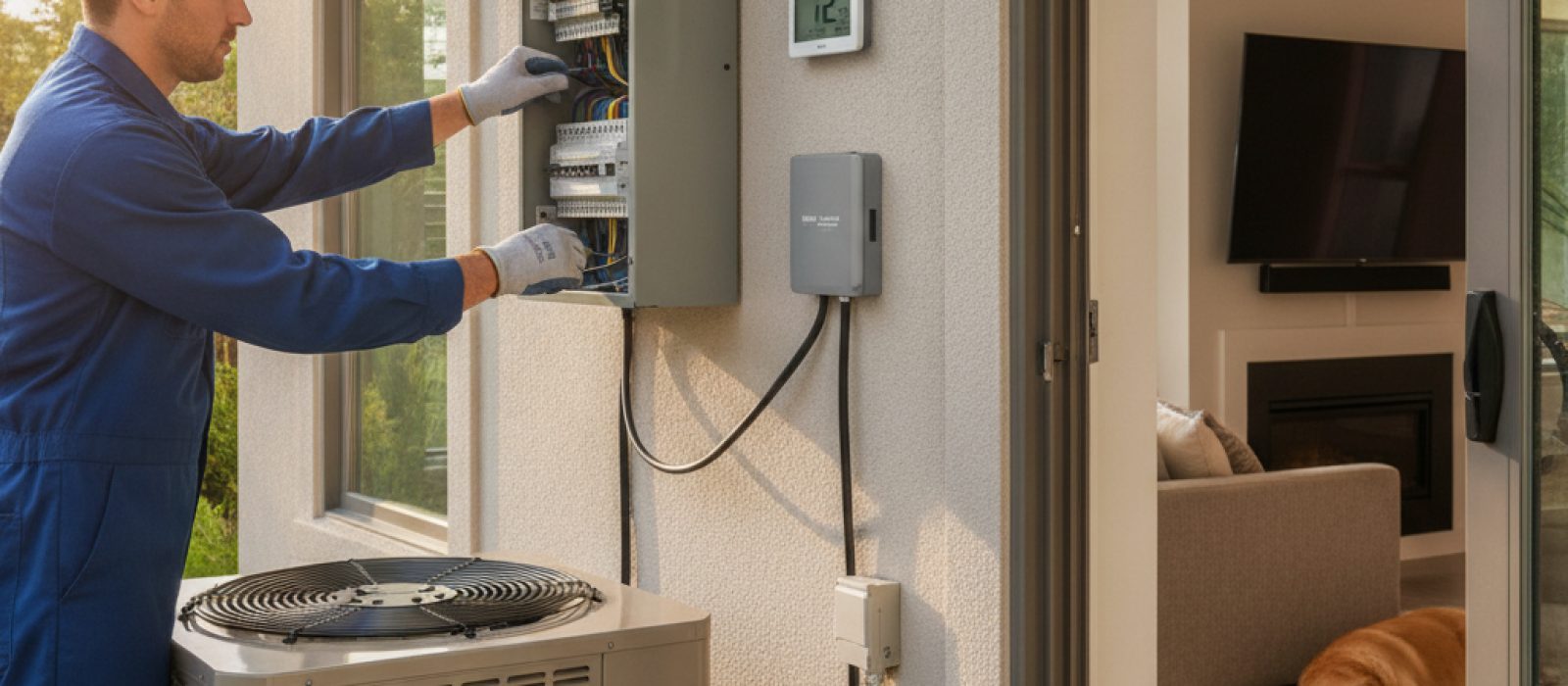
Learn how whole-house surge protectors safeguard sensitive HVAC equipment and home electronics from damaging power spikes and electrical surges.
Be the first to comment.