
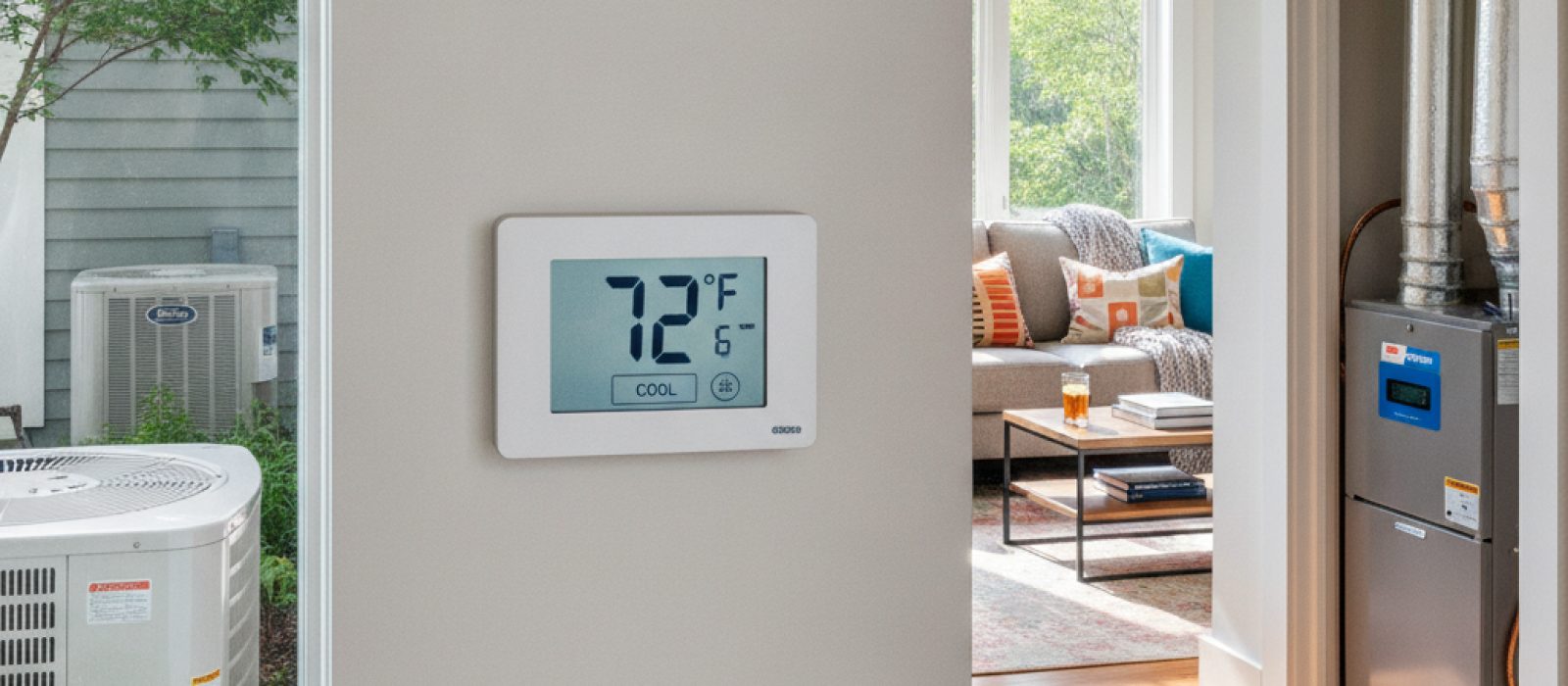
York, Ruud, Bryant and American Standard HVAC: Brand Overview
A guide to understanding the cooling technology and reliability of four major HVAC manufacturers for U.S. homeowners.
3 min read

When it comes to air conditioning, many homeowners mistakenly believe that bigger is always better. However, an oversized air conditioner is one of the most common installation errors, leading to a phenomenon known as "short cycling." Because the unit is too powerful for the square footage of your home, it cools the air rapidly and triggers the thermostat to shut the system off before it has completed a full cycle. This prevents the unit from properly dehumidifying your indoor air, leading to a clammy, uncomfortable home environment even when the temperature reads as "cool" on your thermostat.
Air conditioning is about more than just lowering the temperature; it is about moisture control. An AC system needs to run for extended periods to pull humidity out of the air as it passes over the evaporator coils. When a unit is oversized, it satisfies the temperature setpoint too quickly, leaving the moisture behind. This excess humidity can make your home feel muggy and may even lead to mold or mildew growth on surfaces and in your ductwork.
Beyond the discomfort of a humid home, an oversized unit imposes several hidden costs that can impact your wallet and your system's longevity:
If you suspect your system was improperly sized, pay attention to these warning signs:
To avoid these issues, professional HVAC technicians use a process called a "Manual J" load calculation. This is an industry-standard method that evaluates your home's specific needs, including insulation levels, window orientation, ceiling height, and local climate data. Never rely on a "rule of thumb" estimate based solely on square footage. An accurate load calculation ensures that your new system is perfectly matched to your home's unique thermal requirements, providing consistent comfort, better humidity control, and a longer lifespan for your equipment.
If you suspect your current system is not sized correctly, it is worth having a qualified technician evaluate your setup. While you cannot "resize" an existing unit, identifying the issue can help you make an informed decision when it comes time for a replacement.
A guide to understanding the cooling technology and reliability of four major HVAC manufacturers for U.S. homeowners.
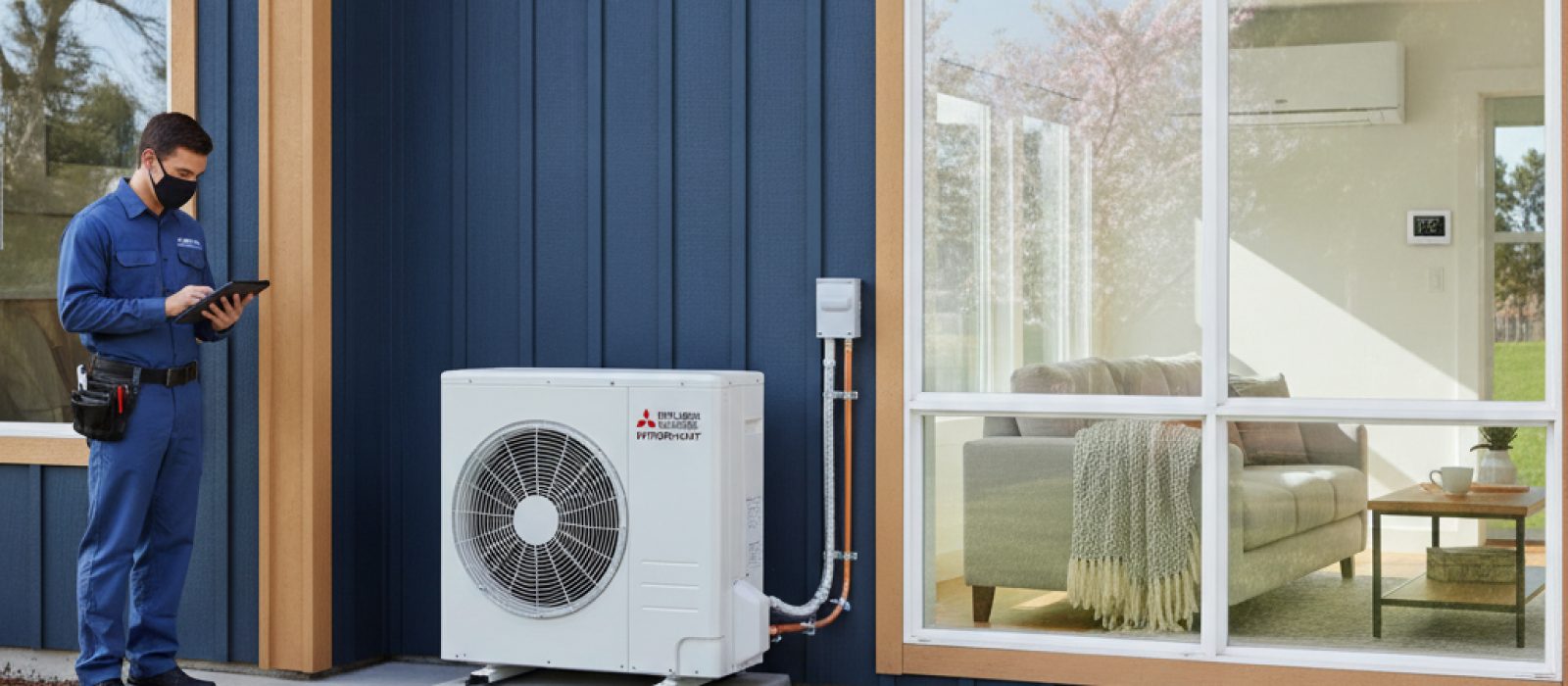
A comprehensive look at Mitsubishi mini-split technology and Hyper-Heat performance for year-round climate control in U.S. homes.
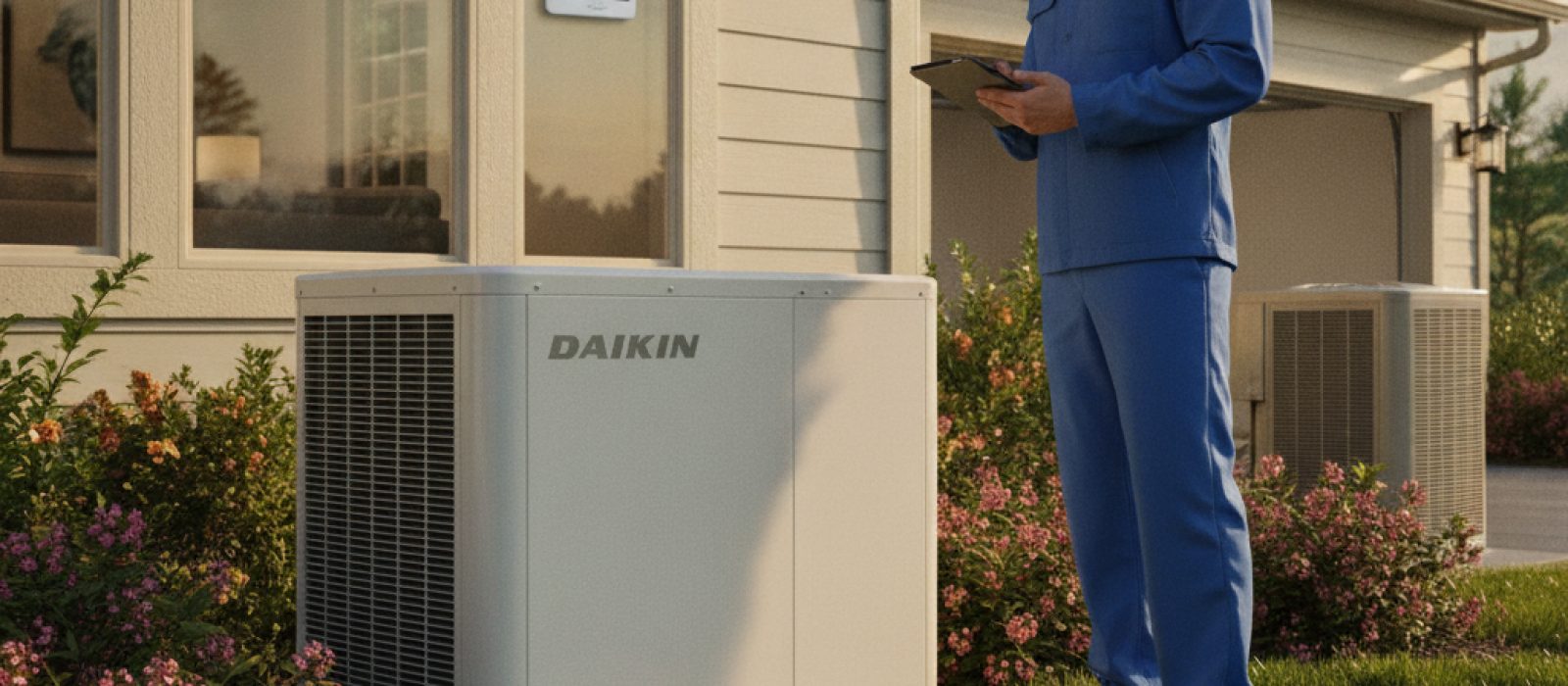
A comprehensive guide to understanding Daikin HVAC systems, including model tiers, standard maintenance requirements, and factory warranty coverage.
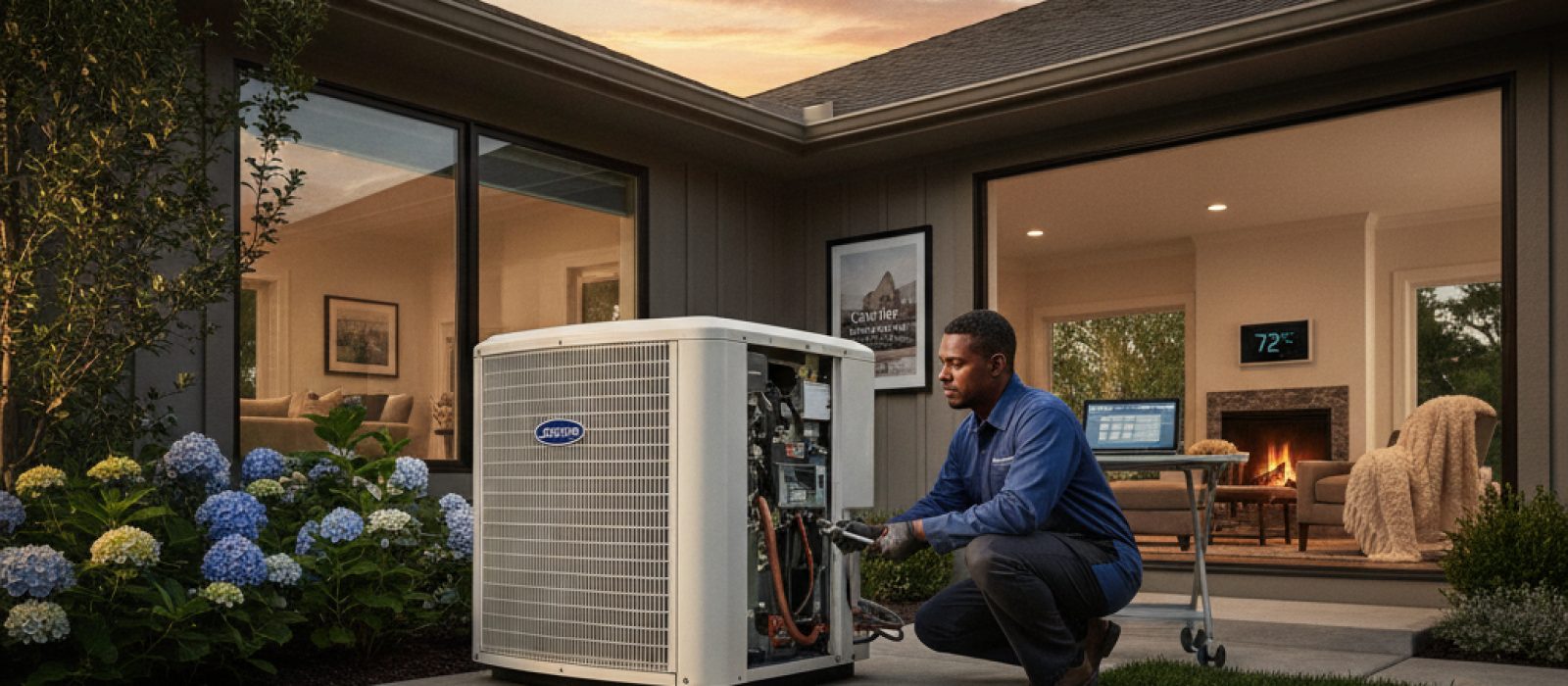
A comprehensive guide to understanding Carrier air conditioning systems, efficiency ratings, installation factors, and maintenance requirements.
An objective look at Goodman HVAC systems, covering performance, longevity, and what homeowners should know before choosing a budget-friendly cooling solution.
A guide to understanding Trane residential cooling systems, including component integration and maintenance requirements for homeowners.
Be the first to comment.