
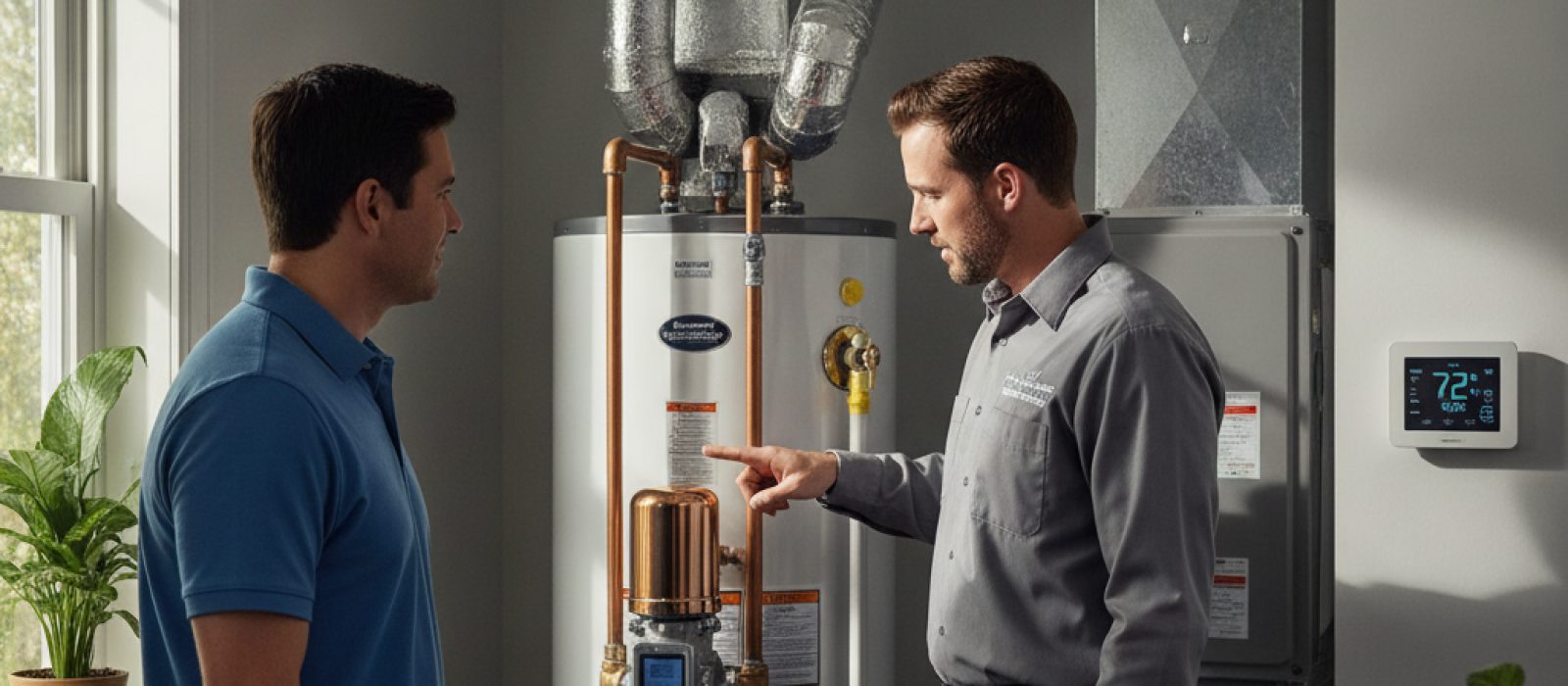
Hot Water Recirculating Pumps: How They Work and What They Cost
Learn how hot water recirculating pumps provide instant hot water, the different installation types, and the factors that influence overall project costs.
4 min read

Installing a ductless mini-split system involves more than just the price of the equipment itself. The total investment for a project is determined by a combination of hardware costs, labor requirements, and the specific demands of the home’s layout. Because ductless systems are modular, costs fluctuate based on the number of indoor units required, the cooling or heating capacity of the outdoor compressor, and the complexity of the refrigerant line routing.
Homeowners often find that the initial quote for a system is directly tied to its energy efficiency ratings and features. Systems with higher seasonal energy efficiency ratios (SEER2) or advanced inverter technology typically carry a higher upfront cost but may offer long-term savings on monthly utility bills. When evaluating quotes, consider that the complexity of the installation—such as whether lines must be run through finished walls or attics—significantly impacts the labor portion of the final bill.
The total cost of a mini-split project is rarely a flat rate. Several variables must be accounted for during the estimation process:
Ductless mini-splits are not considered a DIY project for the average homeowner. The process involves handling pressurized refrigerant, which requires specialized training and certification. Mishandling these components can lead to system leaks, voided manufacturer warranties, and potential safety risks.
Furthermore, proper sizing is critical. An oversized system will cycle on and off too frequently, leading to poor humidity control and premature wear. An undersized system will run constantly without ever reaching the desired temperature. A licensed technician performs a load calculation to determine the exact requirements for your space, ensuring the system operates efficiently. This level of precision is part of why professional Heat Pumps installation is essential for long-term reliability.
Once the system is installed, budgeting for ongoing care ensures the longevity of the equipment. Ductless systems require regular cleaning of the air filters, which homeowners can handle, and professional check-ups to inspect refrigerant lines and electrical connections. Integrating these systems into a regular Maintenance & Tune-up schedule helps identify minor issues before they necessitate expensive repairs.
During these professional visits, technicians check for proper drainage, as mini-splits produce condensate that must be effectively routed away from the home. If the drainage line becomes clogged, it can lead to water damage within the wall cavity where the unit is mounted. Consistent care from a professional ensures that the system maintains its peak performance, protecting the investment made during the initial installation.
When requesting quotes, look for detailed breakdowns that specify the equipment model numbers, the scope of the electrical work, and the length of the warranty provided. Be wary of estimates that seem significantly lower than others, as this may indicate the use of lower-efficiency equipment or the omission of necessary components like surge protection or specialized condensate pumps. Transparent contractors will explain why specific equipment is recommended for your home’s unique architecture and insulation levels. If you are also considering Indoor Air Quality improvements, discuss whether the system can integrate with air purification components, as this may be more cost-effective to install simultaneously rather than as a separate project later.
Avoid the temptation to choose a unit based solely on price without a formal load calculation. If the home has high ceilings, large window exposures, or poor insulation, the thermal load will be higher than in a standard room. A qualified installer will account for these factors to ensure the system does not struggle to maintain comfort. Investing in the right size unit upfront is the most effective way to avoid high energy bills and comfort issues down the road.
Learn how hot water recirculating pumps provide instant hot water, the different installation types, and the factors that influence overall project costs.
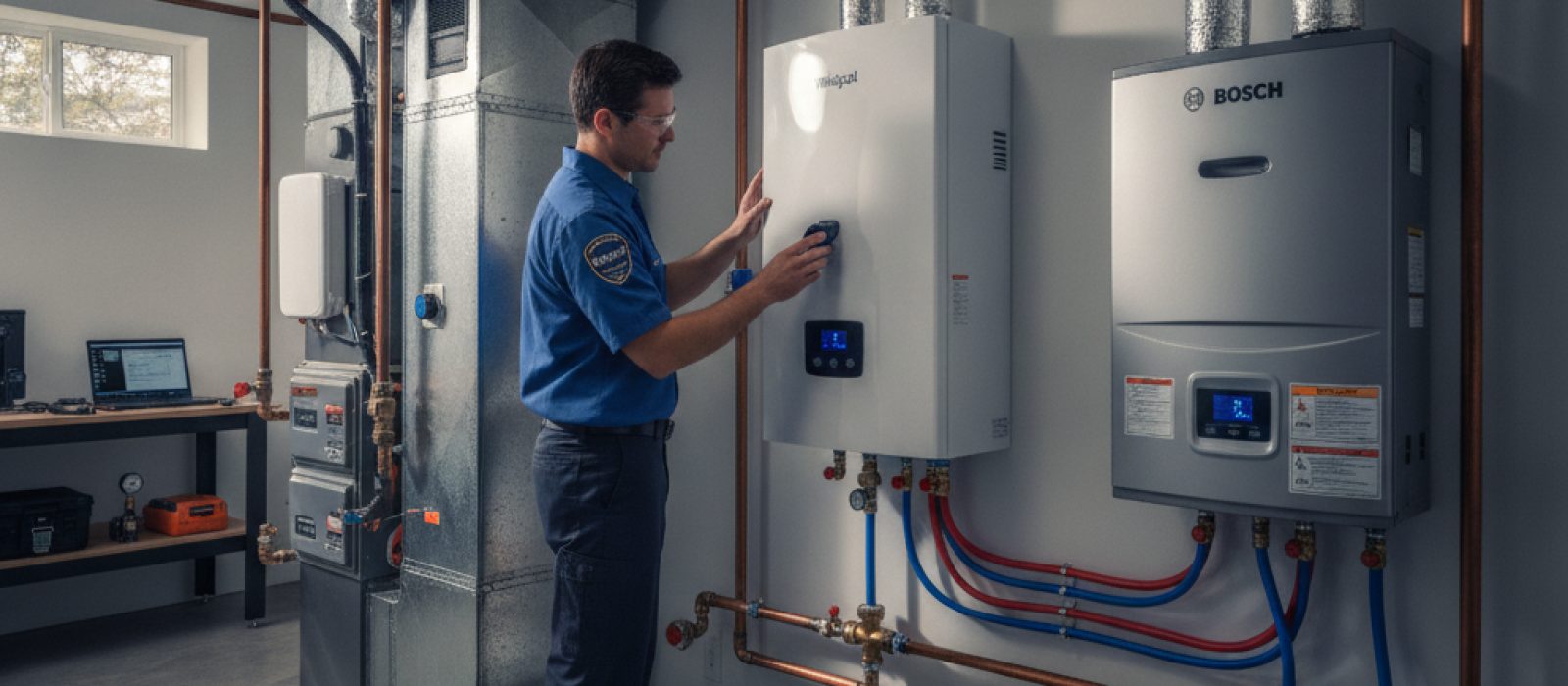
A practical guide to understanding the operational differences, maintenance needs, and common troubleshooting steps for Whirlpool and Bosch water heaters.
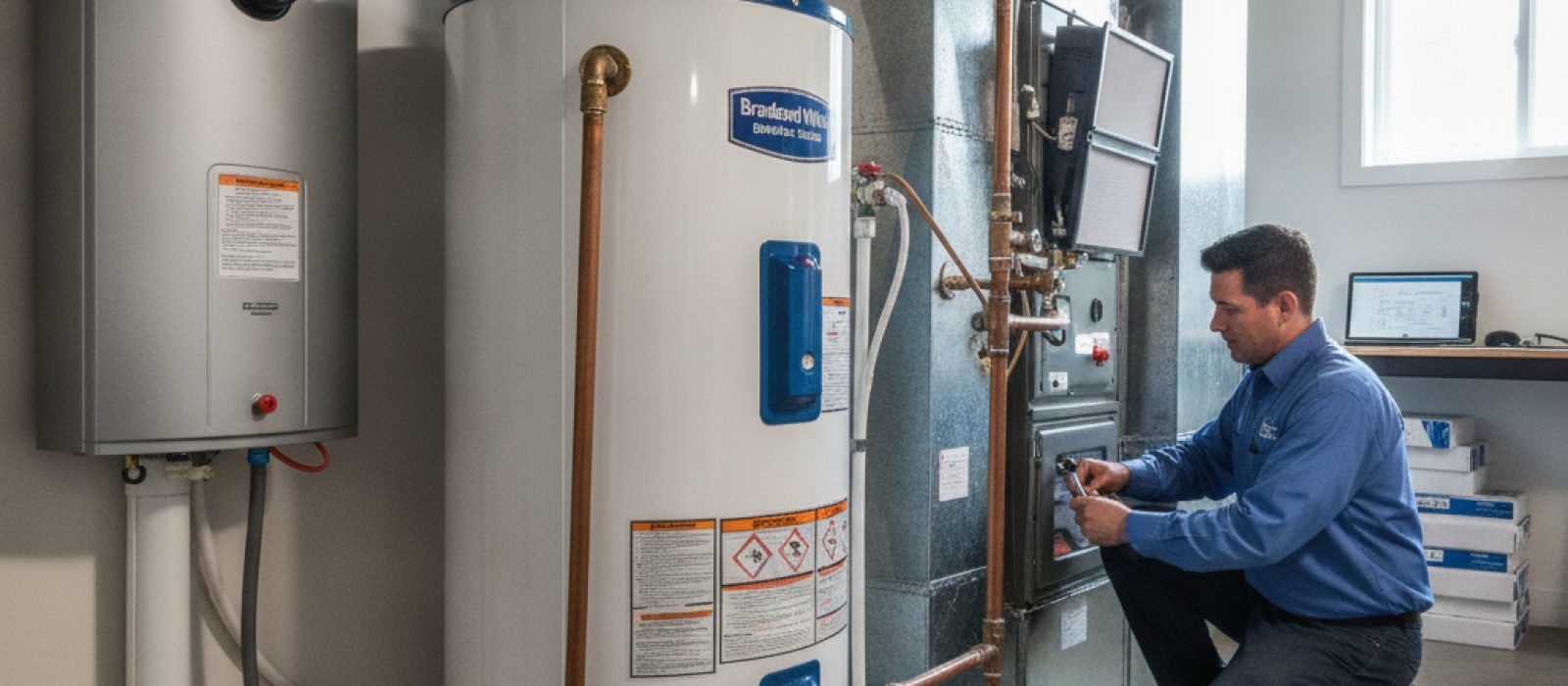
Learn how to choose between 40 and 75-gallon Bradford White water heaters and understand which model fits your home's hot water demands.
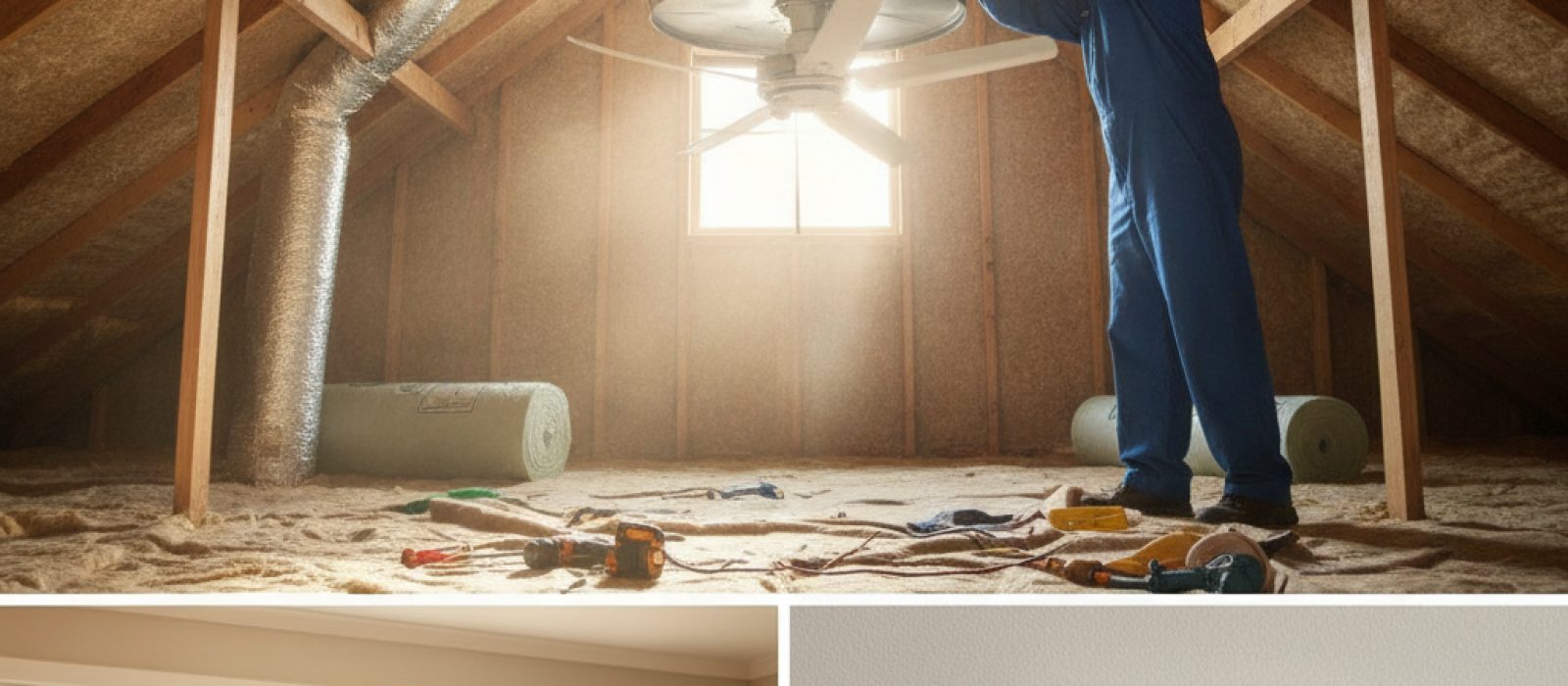
Learn how attic fans manage thermal buildup, the factors influencing installation costs, and the critical mistakes to avoid for a balanced home system.
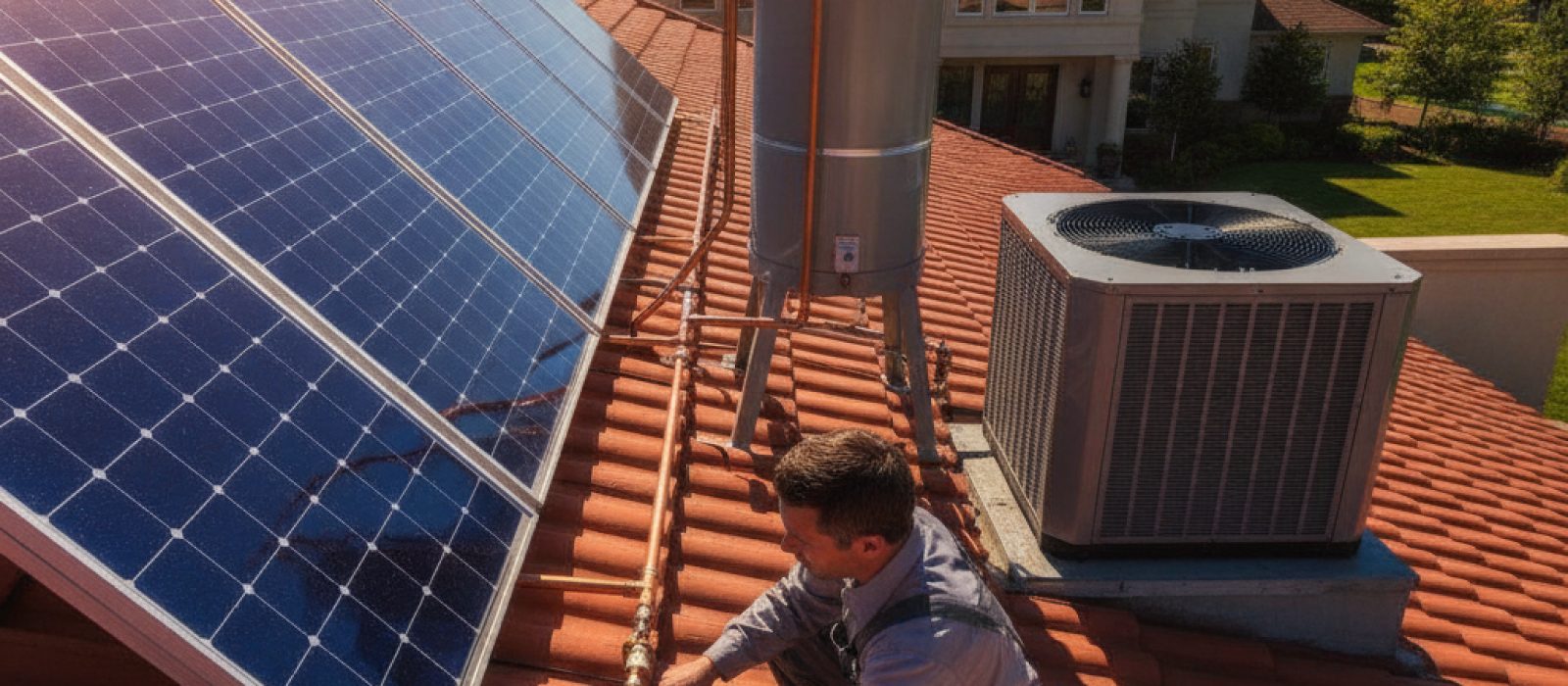
Understand the mechanics, efficiency benefits, and practical considerations of installing a solar-powered water heating system in your home.
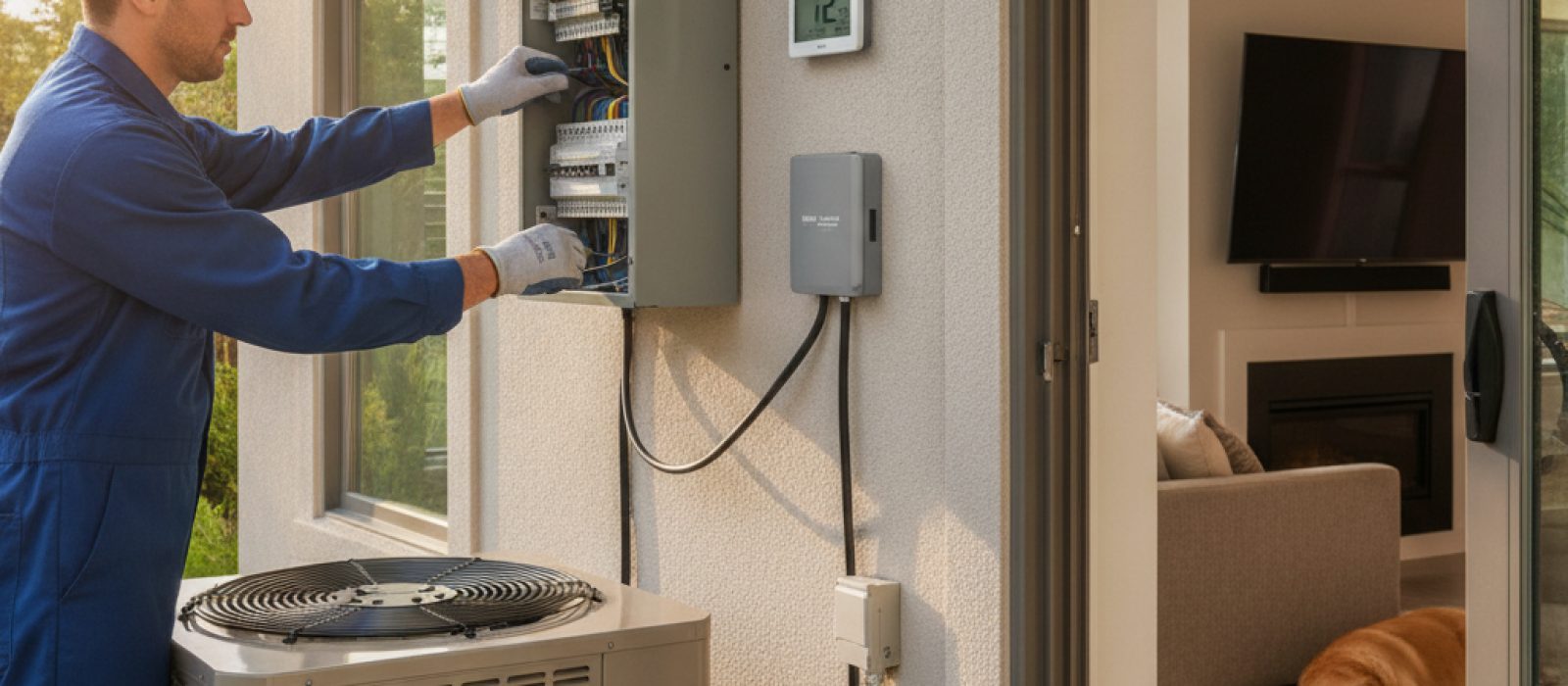
Learn how whole-house surge protectors safeguard sensitive HVAC equipment and home electronics from damaging power spikes and electrical surges.
Be the first to comment.