
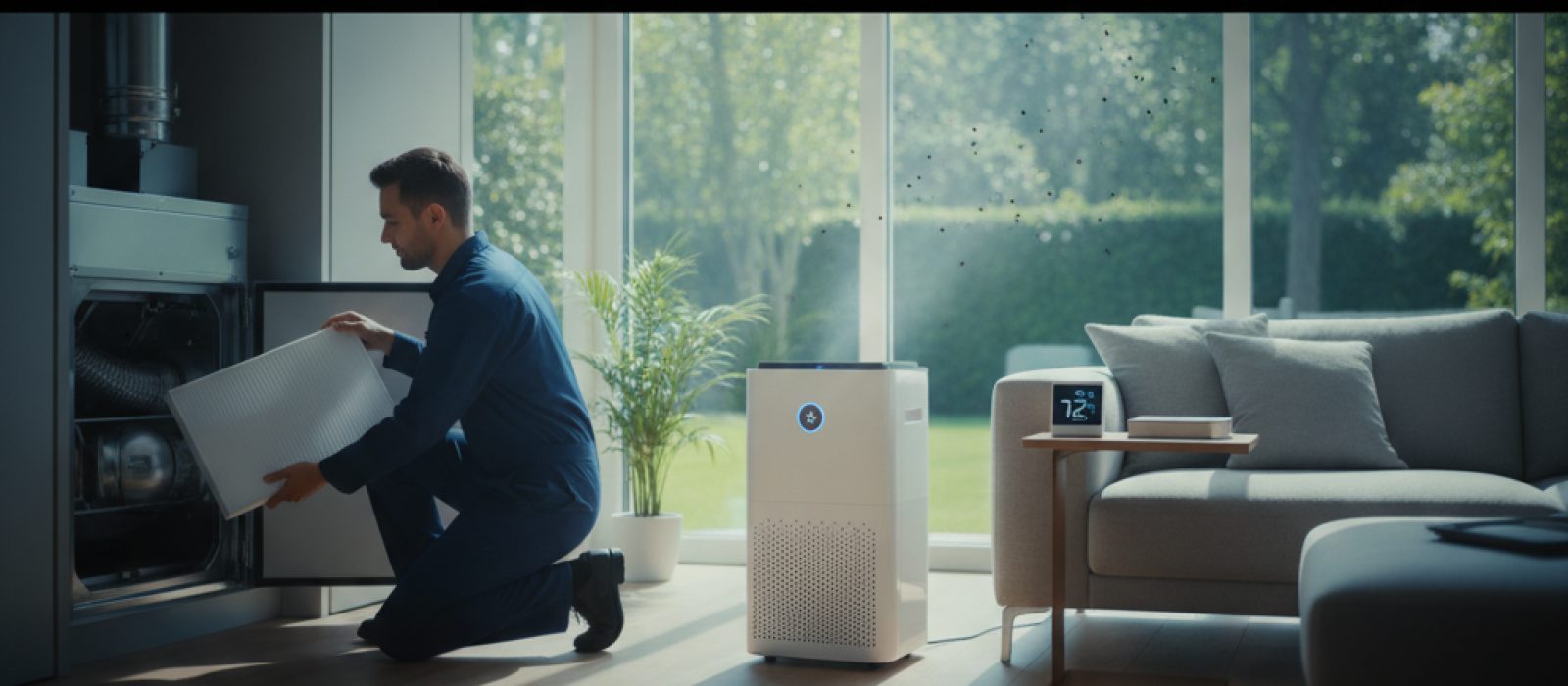
HEPA Air Cleaners for Allergies: What Actually Works
Learn how HEPA air cleaners function, their limitations in home environments, and how to effectively manage indoor air quality for allergy relief.
4 min read

Mold growth within air ducts is a common concern for homeowners, primarily because the HVAC system circulates air throughout the entire living space. Mold thrives in dark, damp environments, and when moisture infiltrates the ductwork, the interior surfaces become a breeding ground for spores. While dust and debris are often present in any system, the introduction of moisture—whether through high humidity, condensation, or plumbing leaks—is the catalyst that allows mold to colonize.
This article outlines the signs of mold infestation, the reality of testing protocols, and the necessary steps for remediation. Maintaining healthy Indoor Air Quality requires constant vigilance, and understanding how your ductwork interacts with your home's moisture levels is the first step in prevention.
Identifying mold in ductwork can be challenging because the majority of the system is hidden behind walls and ceilings. However, there are physical and sensory indicators that suggest a problem exists:
Many homeowners seek out mold testing kits or professional air sampling to confirm the presence of mold. It is important to note that mold spores are naturally present in the outdoor environment and are inevitably drawn into homes. A "positive" test result for spores does not necessarily mean there is an active, dangerous infestation inside the ducts.
Professional environmental testing typically involves comparing air samples from inside the ducts to outdoor air samples. If the concentration of a specific type of mold is significantly higher inside the system than outside, it indicates an active growth source. Relying on simple surface swabs can also be misleading, as they do not distinguish between dormant spores and active colonies.
If you suspect mold, your first step should be a thorough evaluation of your HVAC system. Professionals specializing in Air Duct Cleaning can inspect the internal components, including the evaporator coil and drain pan, where moisture often accumulates. If mold is confirmed, the remediation process requires specialized equipment, such as HEPA-filtered vacuums and industrial-grade brushes, to dislodge and remove the contaminants without spreading them throughout the home.
Attempting to clean moldy ducts with standard household vacuums is ineffective and potentially hazardous, as it can aerosolize spores and redistribute them into the living area. Furthermore, if the mold is a result of a system malfunction, you may require Maintenance & Tune-up services to ensure the blower and drainage systems are operating correctly to prevent future moisture buildup.
Effective mold removal is not just about cleaning; it is about addressing the root cause. If you do not resolve the moisture problem, the mold will return regardless of how thoroughly the ducts are cleaned.
Consider these proactive steps to prevent recurrence:
In cases where the ductwork is internally lined with porous insulation, remediation becomes significantly more difficult. If the mold has penetrated the insulation, the affected sections may need to be replaced by a professional to ensure the system is truly clean. If your system is old or showing signs of significant deterioration, you might consult with an expert regarding Energy Efficient Solutions to upgrade your air distribution components to modern, non-porous materials.
Relying on a consistent schedule of professional inspections is the best defense against indoor air quality issues. A comprehensive check-up ensures that the drain lines are clear, the evaporator coil is clean, and the ventilation system is balanced. By integrating these practices into your home management, you create a system that is less hospitable to mold and more efficient in its operation. If you notice persistent issues, reach out to a local specialist for a professional assessment of your system's current state.
Learn how HEPA air cleaners function, their limitations in home environments, and how to effectively manage indoor air quality for allergy relief.
Learn to identify common indoor pollutants and discover practical, effective strategies to improve the air quality within your home.
Learn the balance between natural ventilation and mechanical filtration to maintain optimal indoor air quality in your home.
Learn how common household features like aquariums and plants impact indoor air quality and how to manage the resulting humidity levels effectively.

Discover how holiday traditions impact your home's indoor air quality and learn practical steps to maintain a healthy breathing environment this winter.
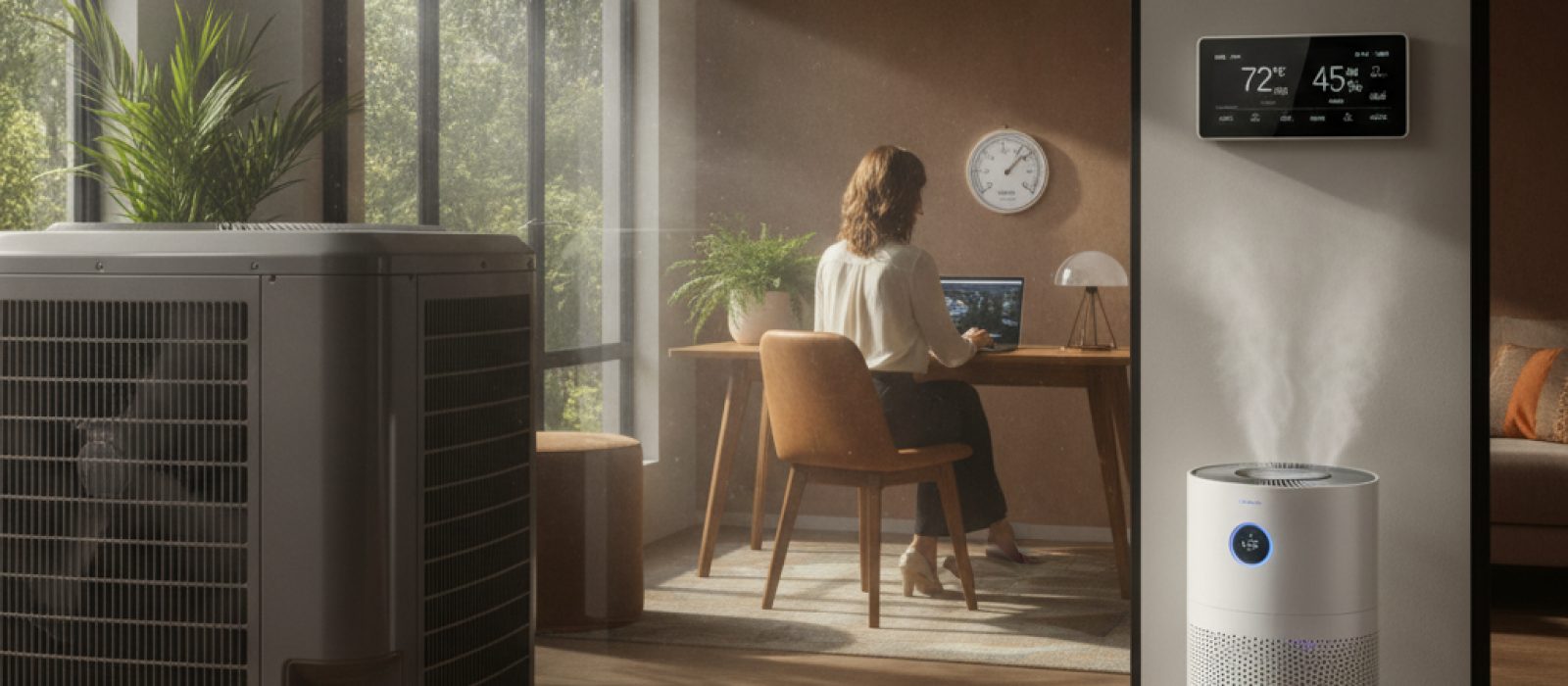
Improve productivity and health by optimizing the indoor air quality of your home office through ventilation, filtration, and humidity control.
Be the first to comment.