
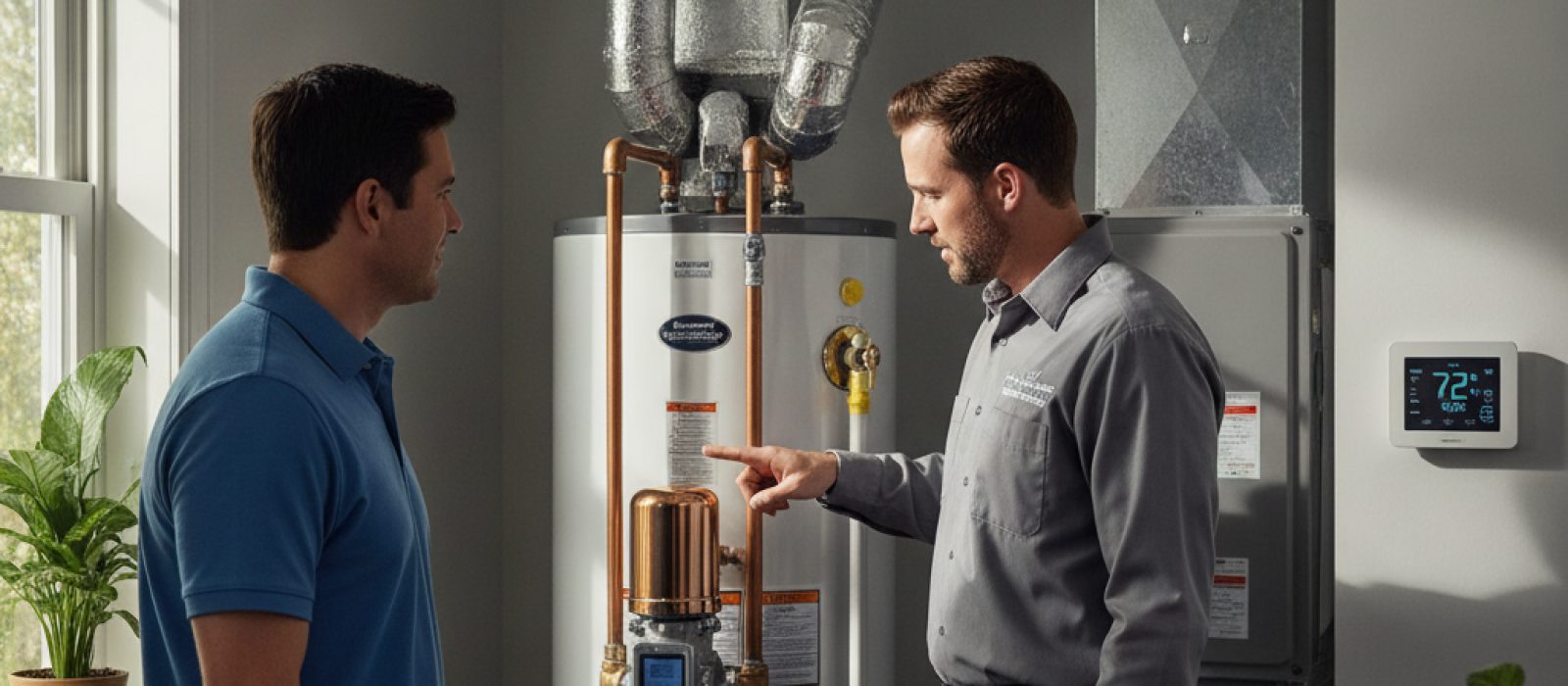
Hot Water Recirculating Pumps: How They Work and What They Cost
Learn how hot water recirculating pumps provide instant hot water, the different installation types, and the factors that influence overall project costs.
4 min read

Condominium living presents unique heating and cooling challenges because your unit is part of a larger building ecosystem. Unlike detached single-family homes, condo HVAC systems often involve a mix of individual equipment and shared building-wide infrastructure. Understanding where your responsibility ends and the homeowner association's (HOA) duties begin is the first step in effective system management.
Many high-rise or garden-style condos utilize vertical fan coil units or water-source heat pumps. These systems often rely on a central boiler or chiller plant located in the building's mechanical room. When you experience a temperature issue, it may stem from your specific unit's blower motor or from a failure in the central loop that serves your entire floor or building wing.
In most condominium declarations, the interior HVAC equipment is considered part of the unit owner's domain. This typically includes the thermostat, the air handler, the evaporator coil, and the condensing unit if it is located on a private balcony or rooftop area. You are generally responsible for the routine maintenance of these components, which includes changing air filters and scheduling annual Maintenance & Tune-up visits.
Neglecting these tasks can lead to poor air quality and decreased system efficiency. Because condo units are often tightly sealed to prevent sound and air transfer between neighbors, maintaining clean Indoor Air Quality is vital. Dust and debris can accumulate quickly in smaller spaces, placing extra strain on the fan motor and leading to premature component failure.
Condos frequently share ventilation shafts or common duct runs. This design can introduce complexities when addressing odors or airflow issues. If you notice strange smells or inconsistent airflow, the problem might not be contained within your walls. In these instances, professional Air Duct Cleaning may be required to clear out blockages or organic growth that could be affecting the shared ventilation path.
Always consult your HOA bylaws before undertaking any modifications to ductwork. Because these systems are often interconnected, an unauthorized change in one unit can unintentionally disrupt the pressure balance for your neighbors, leading to drafts or moisture issues elsewhere in the building.
Homeowners can safely handle basic tasks like replacing a thermostat battery, cleaning debris from an outdoor condenser coil, or changing air filters. However, any work involving refrigerant lines, electrical wiring, or the building’s central water loop requires a licensed HVAC technician. Attempting to repair a pressurized water-source heat pump without proper training can result in significant water damage to your unit and those located below you.
If you suspect a leak in the refrigerant lines or an electrical fault, shut off power to the unit at the breaker panel immediately. Do not attempt to add refrigerant or bypass safety switches. Contact a professional who specializes in Energy Efficient Solutions to assess whether the issue is isolated to your system or if it requires coordination with the building’s facility management team.
If your unit is nearing the end of its service life, you may consider an upgrade. Replacing an aging, inefficient unit with a modern, high-efficiency model can significantly reduce your monthly utility costs. When selecting a new system, ensure the unit is compatible with the building’s existing electrical capacity and central plant requirements.
Before purchasing new equipment, verify the requirements with your HOA or property management. Many buildings have strict guidelines regarding the specific brands or models allowed, particularly if the units connect to a central plumbing or electrical grid. Improper installation or choosing a unit that does not match the building's specifications can lead to voided warranties or costly removal orders.
Condo HVAC equipment is often tucked into small utility closets or dropped ceilings, making accessibility a frequent challenge. Technicians may require additional time to perform repairs in these cramped quarters. To assist, keep the area around your equipment clear of storage boxes, cleaning supplies, and personal items.
Noise is another common concern in multi-family housing. If your system is vibrating excessively or making unusual clicking sounds, it may be due to a failing blower motor or an unlevel mounting base. A professional technician can often install vibration-dampening pads or replace worn components to return your system to near-silent operation, improving your overall living environment.
Learn how hot water recirculating pumps provide instant hot water, the different installation types, and the factors that influence overall project costs.
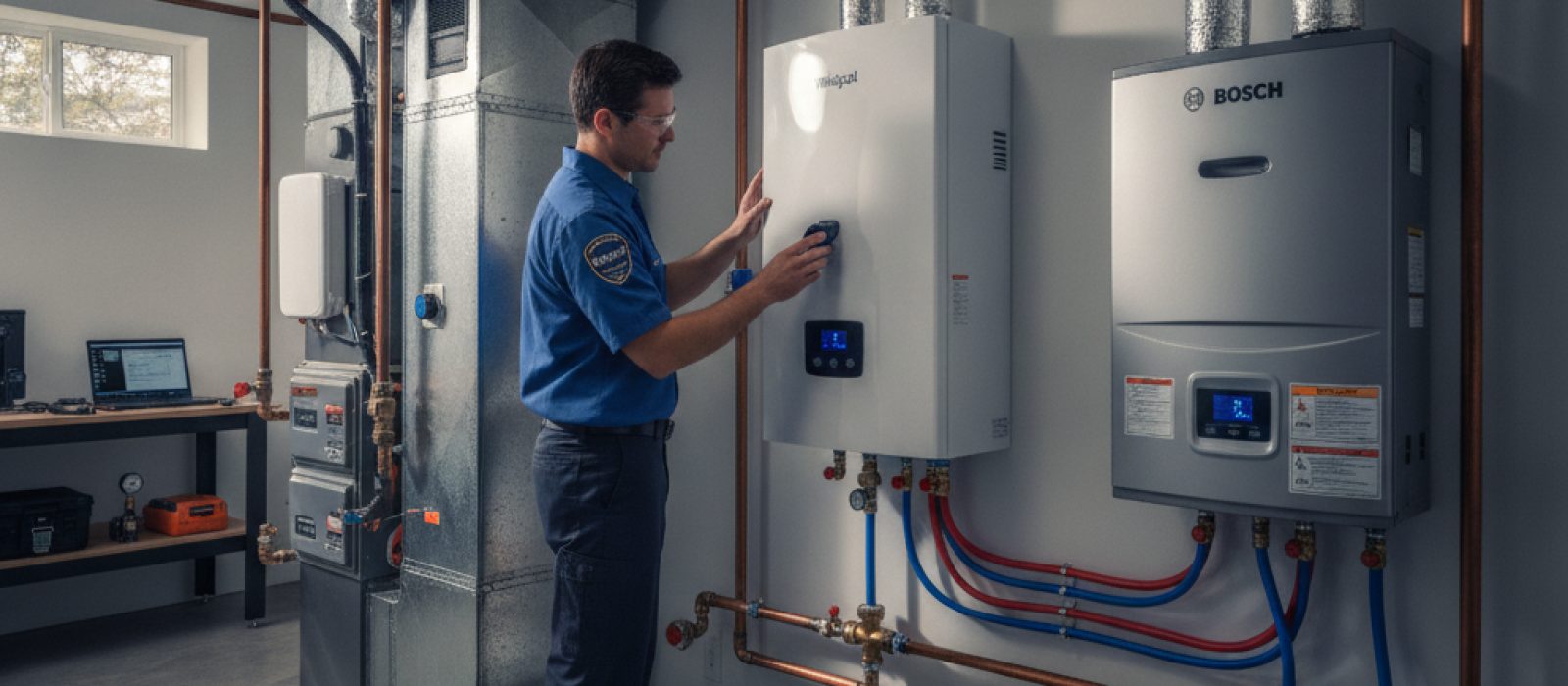
A practical guide to understanding the operational differences, maintenance needs, and common troubleshooting steps for Whirlpool and Bosch water heaters.
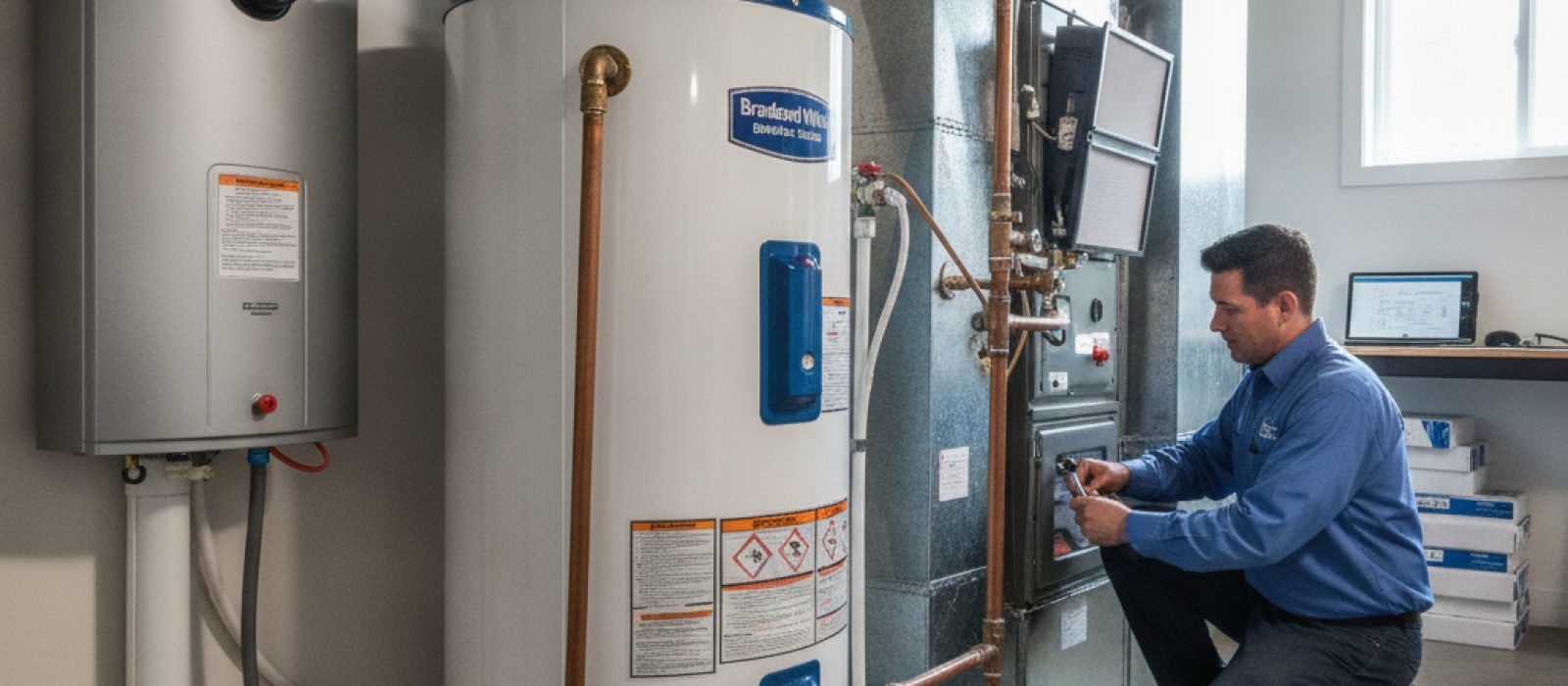
Learn how to choose between 40 and 75-gallon Bradford White water heaters and understand which model fits your home's hot water demands.
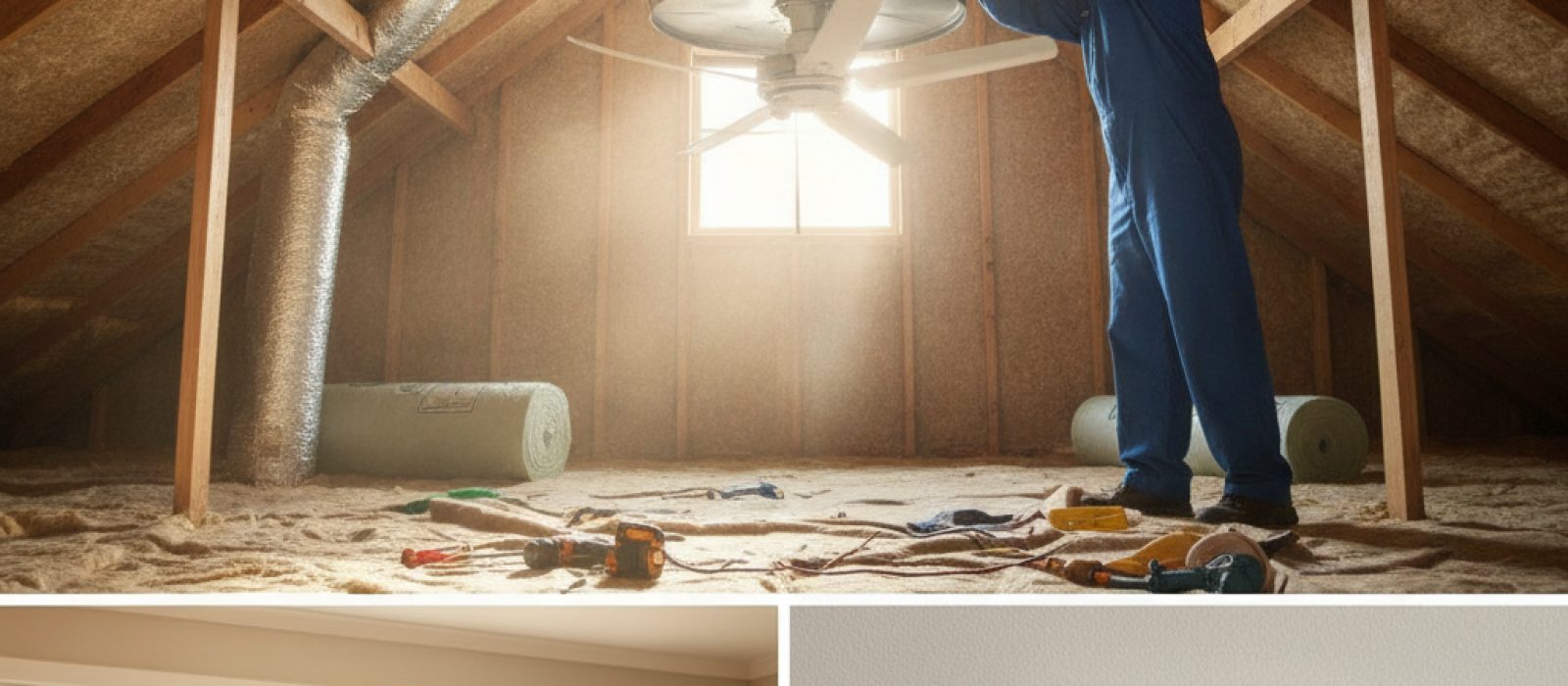
Learn how attic fans manage thermal buildup, the factors influencing installation costs, and the critical mistakes to avoid for a balanced home system.
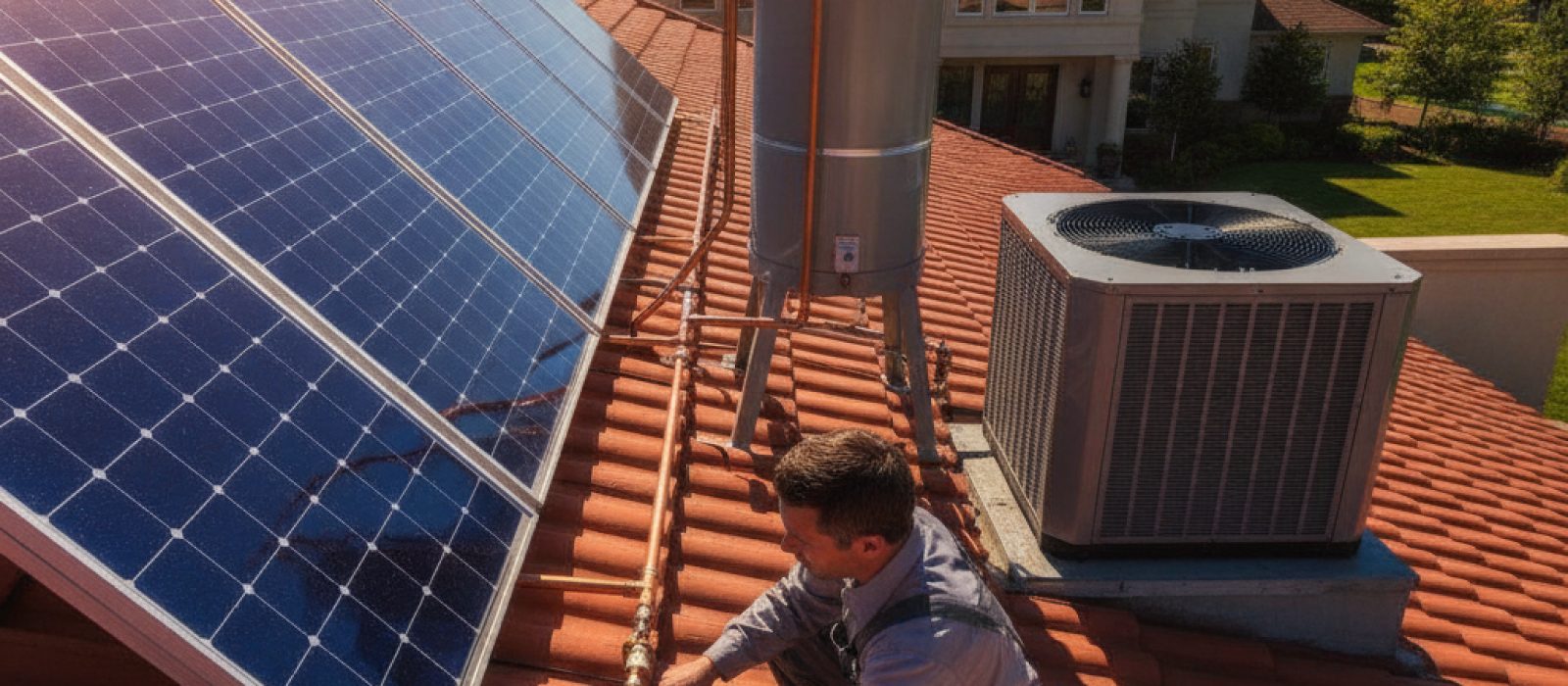
Understand the mechanics, efficiency benefits, and practical considerations of installing a solar-powered water heating system in your home.
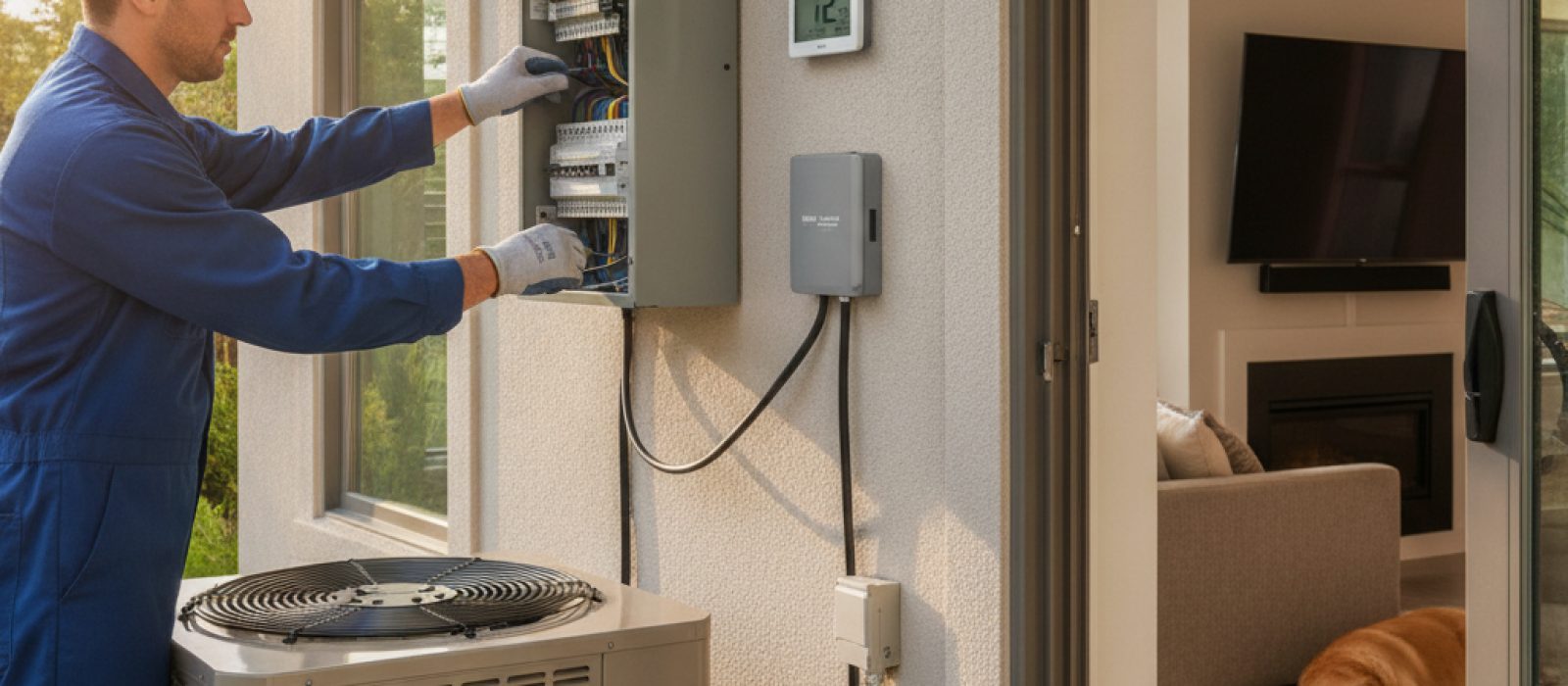
Learn how whole-house surge protectors safeguard sensitive HVAC equipment and home electronics from damaging power spikes and electrical surges.
Be the first to comment.