
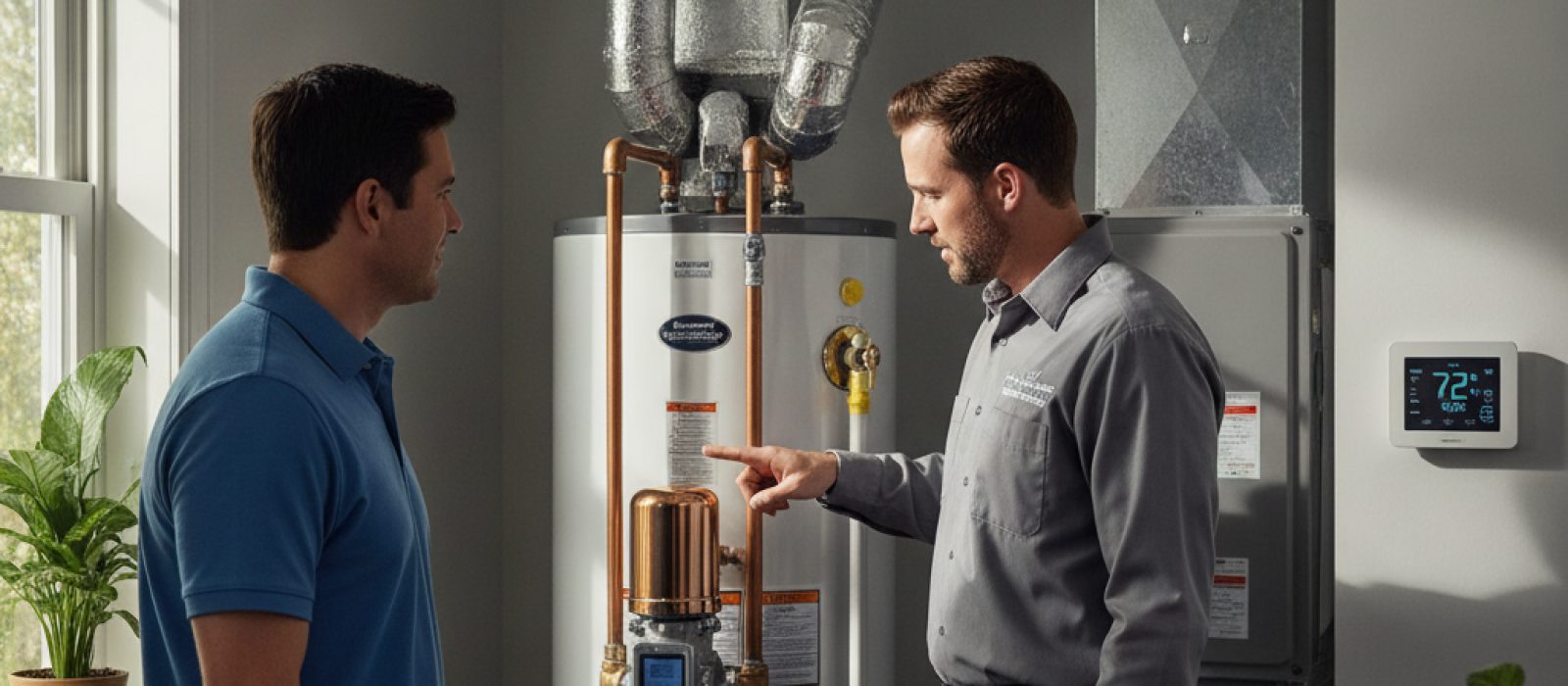
Hot Water Recirculating Pumps: How They Work and What They Cost
Learn how hot water recirculating pumps provide instant hot water, the different installation types, and the factors that influence overall project costs.
3 min read

Navien tankless water heaters are staples in modern residential plumbing systems, known for their high-efficiency condensing technology. When choosing between the NPE-240A, NPE-240A2, and NPE-240S2, homeowners must distinguish between standard performance and advanced recirculation capabilities. This comparison clarifies the technical nuances between these models to assist in selecting the right unit for specific household needs.
The NPE-240A serves as the baseline for the "Advanced" series. It is equipped with an internal circulation pump and a buffer tank, which allows for the "ComfortFlow" system. This feature recirculates hot water to ensure that when a faucet is turned on, hot water is delivered almost instantly. This model is ideal for larger homes where the plumbing layout involves long pipe runs between the water heater and the furthest fixture.
The NPE-240A2 represents an updated iteration of the A-series. While it retains the internal circulation pump and buffer tank functionality, the A2 series introduces refined internal components and enhanced control boards. These updates focus on improving the ease of installation and simplifying the diagnostic process for technicians performing routine Water Heaters maintenance.
Key improvements in the A2 series include:
The NPE-240S2 is categorized as the "Standard" model in the current lineup. Unlike the A and A2 models, the S2 does not include an internal circulation pump or a buffer tank. It is designed for installations where homeowners do not require the instantaneous recirculation feature or where a dedicated external recirculation loop is already present in the plumbing infrastructure.
Choosing the S2 model often simplifies the initial installation process. Because it lacks the internal pump, it has a slightly smaller physical footprint and fewer internal moving parts, which can be advantageous in specific Energy Efficient Solutions setups where space is at a premium.
The primary decision factor between these units is how they handle recirculation. If a home lacks a dedicated return line, the NPE-240A and A2 models can be configured to use the cold water line as a return path. This provides the convenience of "instant" hot water without the need for extensive repiping of the home’s Plumbing Services network.
The NPE-240S2 requires an external pump if a recirculation loop is desired. Relying on an external pump allows for greater control over the pump's schedule and flow rate, which some homeowners prefer for custom Maintenance & Tune-up schedules. However, this adds complexity to the installation, as the external pump must be integrated with the heater’s control logic.
While selecting the model is a design choice, the installation must always be performed by a licensed professional. Tankless units involve complex gas piping, precise venting requirements, and electrical connections that must meet local building codes. Homeowners should never attempt to modify gas lines or venting systems personally, as these pose significant fire and carbon monoxide risks.
During the installation process, a professional will verify the gas supply pressure and the combustion air intake requirements. Even with a high-efficiency unit like an NPE-240 series heater, improper venting will lead to premature failure of the heat exchanger. Ensure that the installer performs a thorough startup procedure to calibrate the unit to the home's specific water pressure and gas supply.
All three models require annual flushing to remove scale buildup, especially in regions with hard water. The A and A2 models require additional care for the internal circulation pump, which may accumulate mineral deposits over time. Neglecting the annual flush will drastically reduce the efficiency of the unit and shorten its lifespan, regardless of which model is installed.
Homeowners should coordinate with their service provider to include these units in a recurring service plan. Keeping the system clean ensures that the condensing technology continues to operate at peak efficiency, preventing the unit from drawing excess gas to overcome mineral resistance in the heat exchanger.
Learn how hot water recirculating pumps provide instant hot water, the different installation types, and the factors that influence overall project costs.
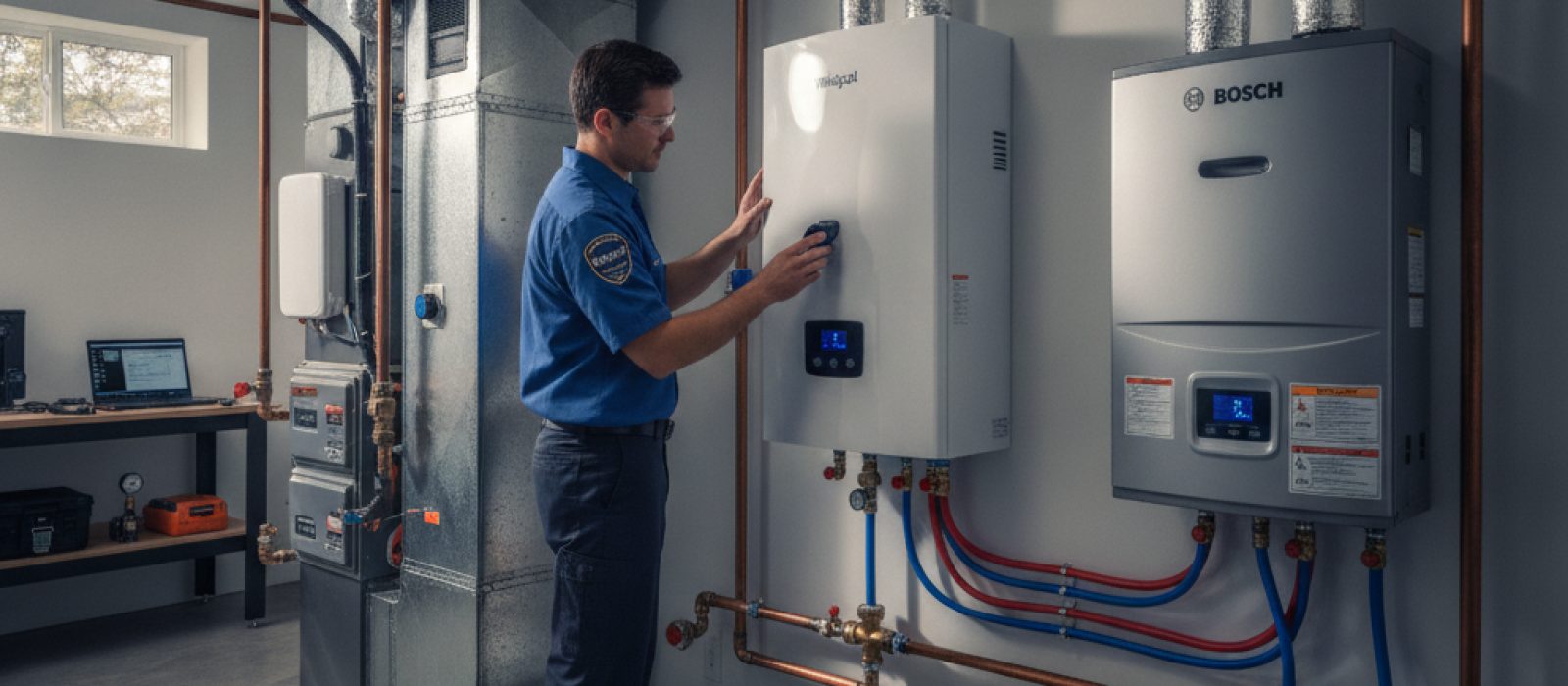
A practical guide to understanding the operational differences, maintenance needs, and common troubleshooting steps for Whirlpool and Bosch water heaters.
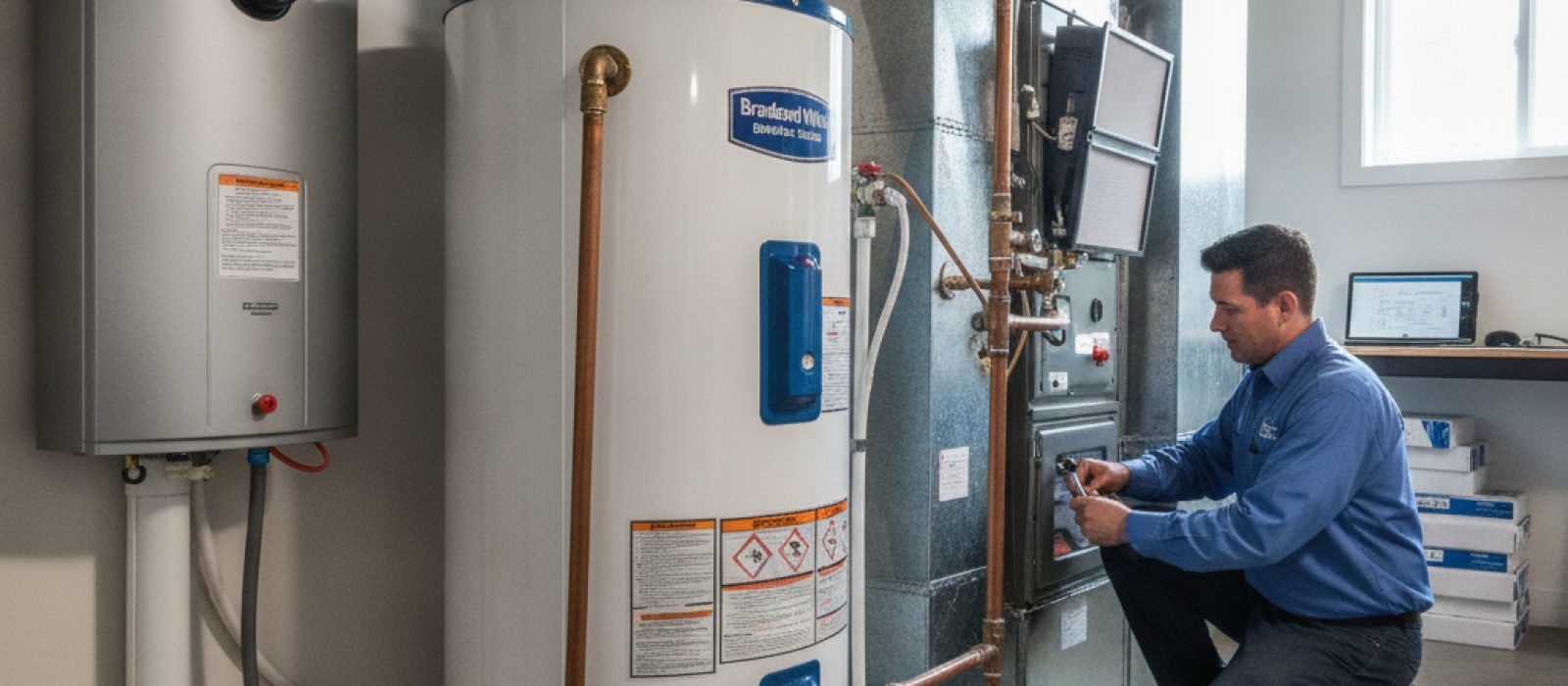
Learn how to choose between 40 and 75-gallon Bradford White water heaters and understand which model fits your home's hot water demands.
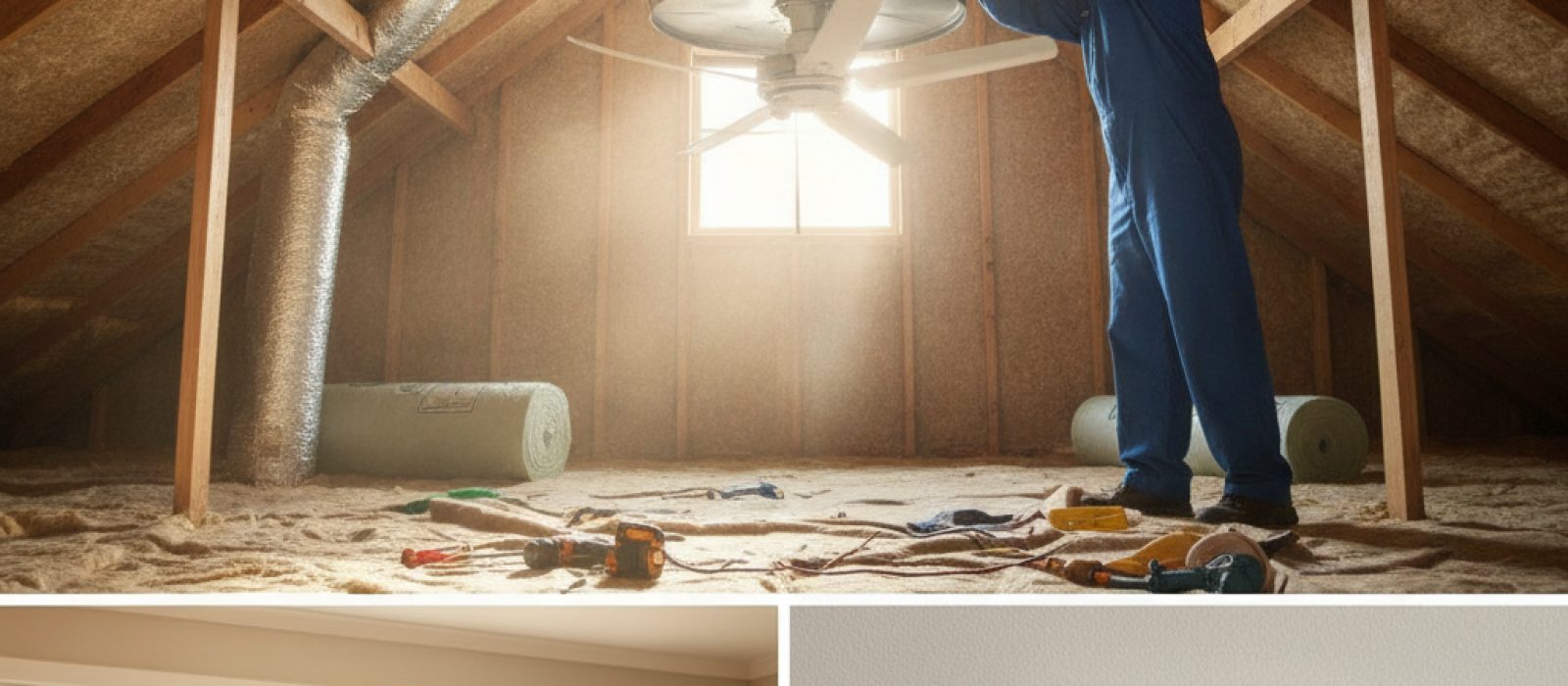
Learn how attic fans manage thermal buildup, the factors influencing installation costs, and the critical mistakes to avoid for a balanced home system.
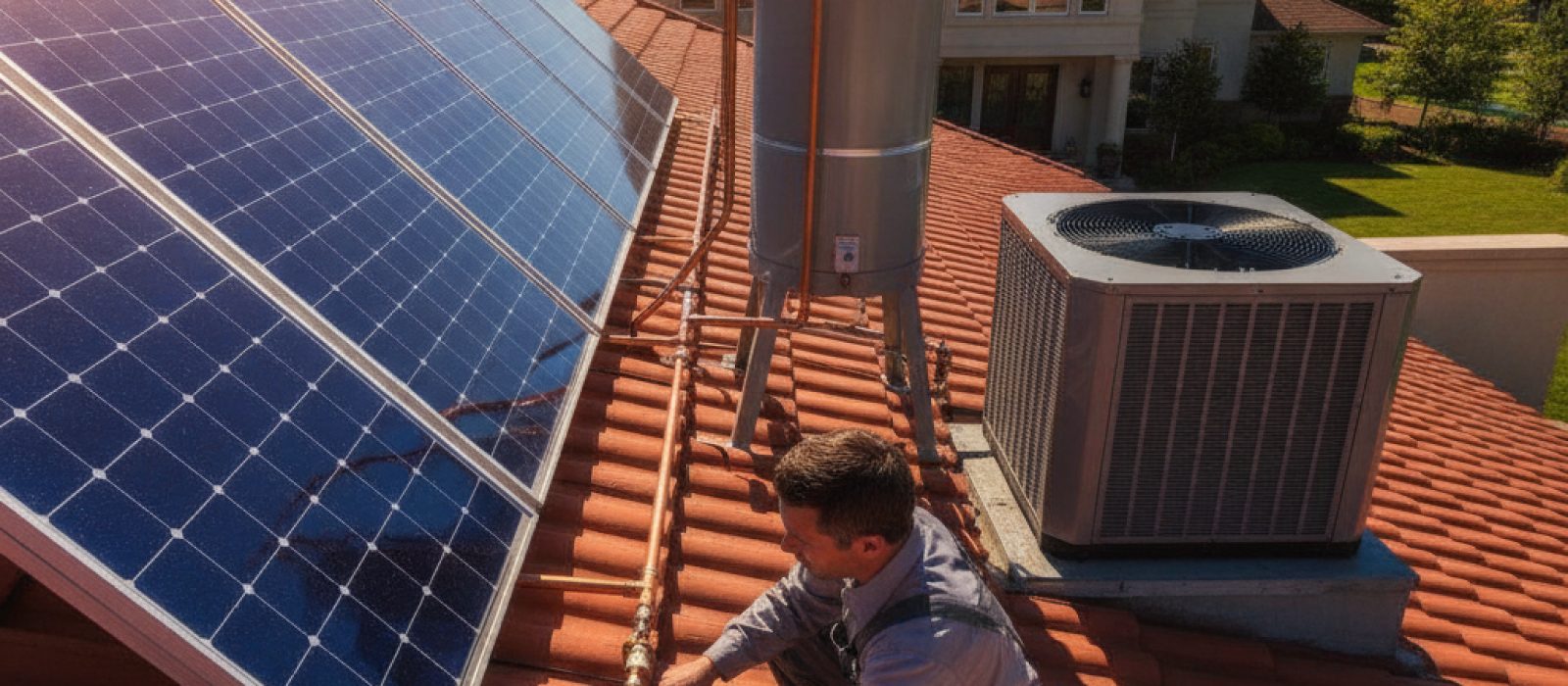
Understand the mechanics, efficiency benefits, and practical considerations of installing a solar-powered water heating system in your home.
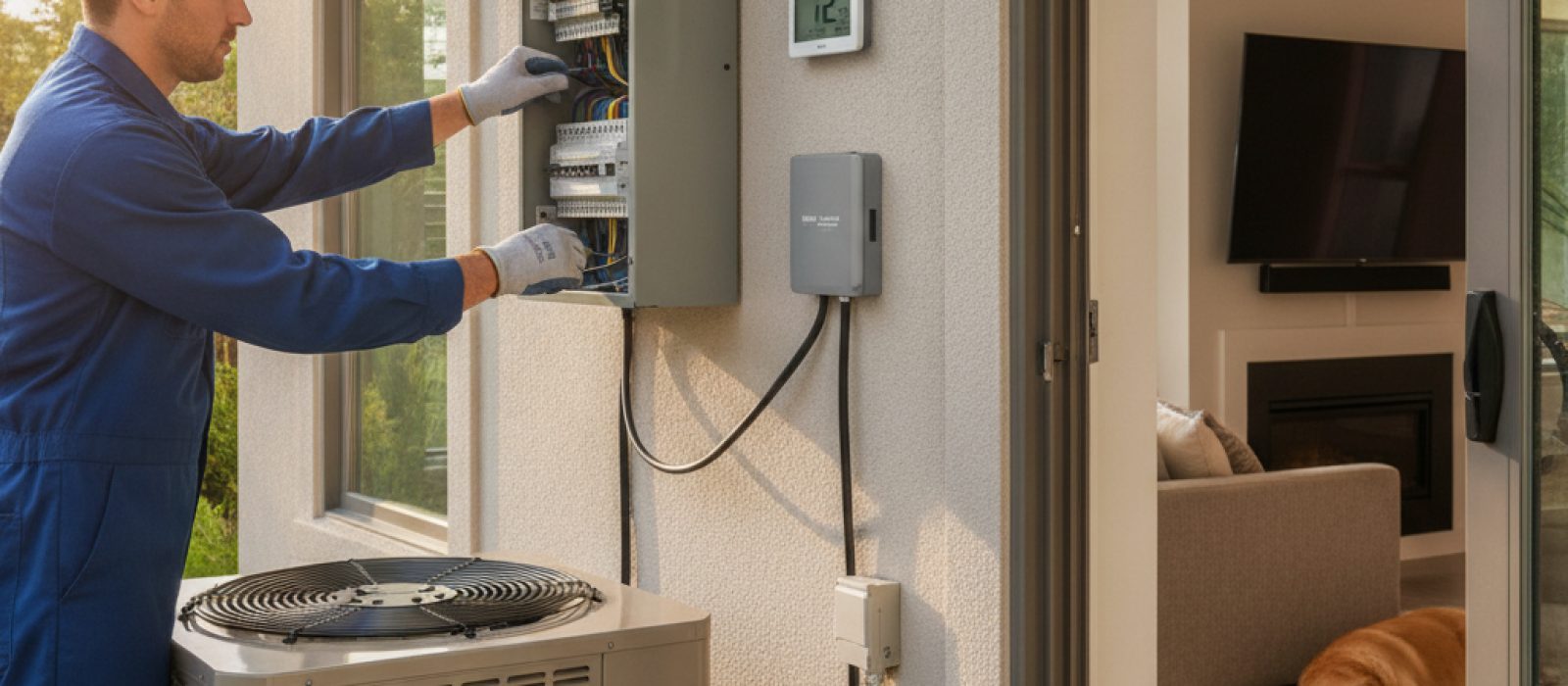
Learn how whole-house surge protectors safeguard sensitive HVAC equipment and home electronics from damaging power spikes and electrical surges.
Be the first to comment.