
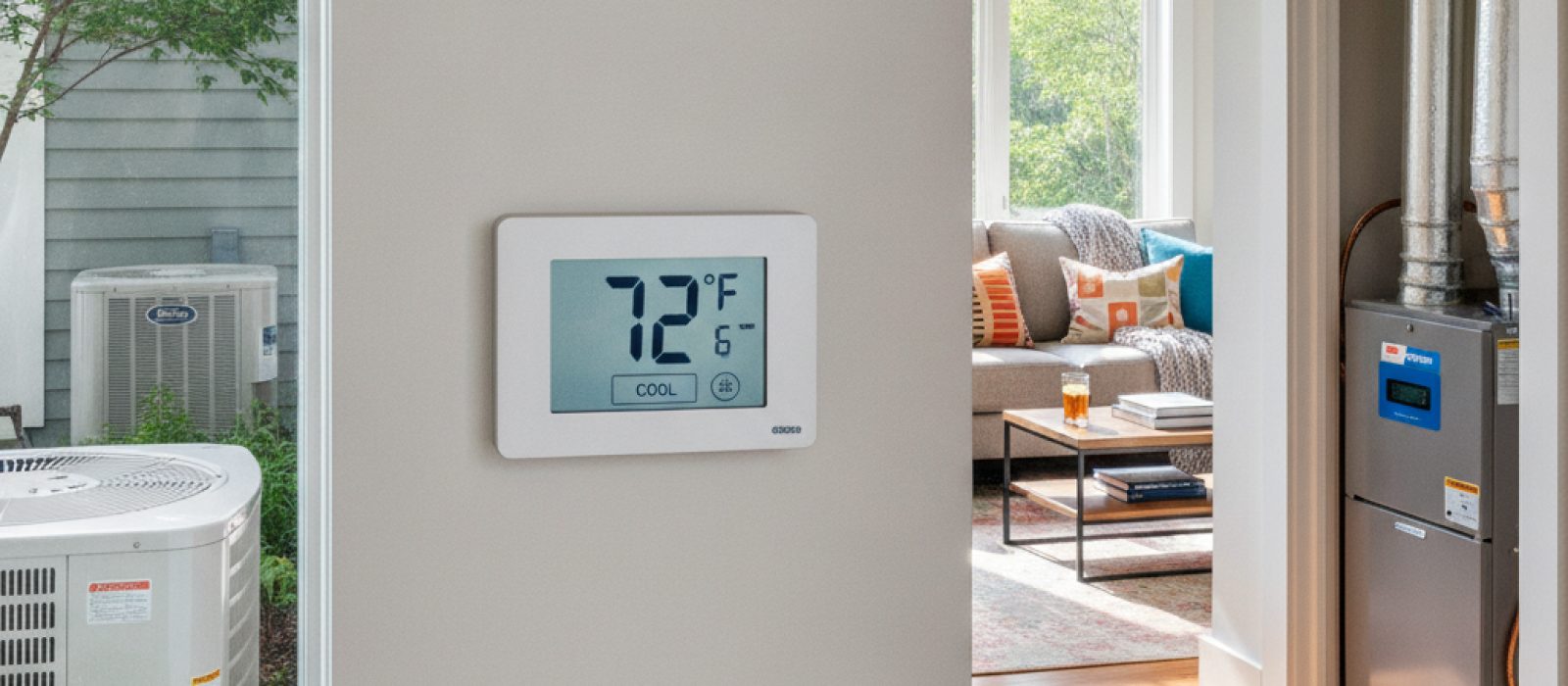
York, Ruud, Bryant and American Standard HVAC: Brand Overview
A guide to understanding the cooling technology and reliability of four major HVAC manufacturers for U.S. homeowners.
4 min read

In the Southern United States, the combination of high daytime temperatures and lingering humidity creates a unique challenge for HVAC systems. Heat gain does not stop when the sun sets; building materials like brick, concrete, and roofing absorb thermal energy throughout the day and radiate it inward long after dusk. Successfully managing indoor comfort requires a shift in strategy from simple thermostat adjustments to a holistic approach involving airflow, moisture control, and heat mitigation.
The most common error in nighttime cooling is the drastic temperature swing. Setting a thermostat to an excessively low temperature at night forces an air conditioning system to work against the natural heat load of the building envelope, often leading to short-cycling and increased humidity levels. A more effective approach is to maintain a consistent, moderate set point that keeps the system running long enough to effectively dehumidify the air.
For those looking to refine their cooling schedule, professional Thermostat Services can ensure that modern programmable or smart units are calibrated to account for the specific thermal lag of a residence. By gradually adjusting the temperature before the peak heat of the day, homeowners can prevent the interior from becoming a heat sink that requires excessive energy to cool down at night.
In the humid South, temperature is only half of the comfort equation. High indoor humidity makes a room feel significantly warmer than the ambient temperature suggests. If a home feels clammy at night, the issue is often poor moisture removal rather than a lack of cold air. Ensuring the system is properly sized and maintained through regular Maintenance & Tune-up visits is essential for the evaporator coil to function correctly as a dehumidifier.
Beyond the HVAC system, controlling interior moisture sources is vital. Using exhaust fans in bathrooms after showers and ensuring that kitchen ventilation is active during evening cooking helps prevent moisture from accumulating. If humidity remains an issue, consulting with a professional regarding Indoor Air Quality solutions, such as whole-home dehumidifiers, can provide a more permanent remedy than simply lowering the thermostat.
Natural ventilation is a double-edged sword in hot climates. While opening windows might seem like a way to capture a breeze, it often introduces high-humidity air that forces the HVAC system to work harder the following morning to remove the moisture. In most Southern regions, windows should remain closed during periods of high outdoor dew points.
However, if the outdoor temperature drops significantly below the indoor temperature, strategic cross-ventilation can be beneficial. This should only be done when the outdoor air is dryer than the indoor air. Internal airflow is equally important; keeping interior doors open helps the HVAC system move air effectively, ensuring that return vents are not obstructed. Proper airflow prevents stagnant pockets of air where heat and humidity can concentrate.
The cooling load of a house is increased by every heat-generating appliance inside. During the summer, these internal loads can significantly impact how hard an HVAC system must work at night. Reducing this load is a practical step toward a more comfortable evening:
If a home consistently fails to cool at night, the issue may lie within the building envelope. Leaky ductwork can cause conditioned air to escape into attics or crawlspaces, while bringing in hot, unfiltered air from outside. Professional Ductwork Services can identify these leaks and ensure that the air being cooled reaches its intended destination without loss.
Shading is another critical component. Exterior shading devices like awnings, solar screens, or even mature landscaping help prevent the home's exterior walls and windows from absorbing solar radiation during the day. By reducing the total amount of thermal energy stored in the walls, the home remains cooler for longer, allowing the HVAC system to maintain a comfortable temperature with less strain during the overnight hours.
While many strategies involve homeowner adjustments, some issues require expert intervention. If an AC unit is running continuously without reaching the set temperature, or if the air coming from the registers is not significantly cooler than the room temperature, the system may have a refrigerant leak, a failing compressor, or a blocked condenser coil. These components operate under high pressure and voltage, and attempting to service them without proper certification is dangerous and can lead to permanent equipment damage.
Homeowners should avoid DIY attempts at refrigerant charging or electrical repairs. A licensed HVAC technician has the diagnostic tools to pinpoint whether the problem is mechanical, electrical, or a result of improper system sizing. Addressing these underlying issues early prevents emergency breakdowns during the hottest stretches of the summer.
A guide to understanding the cooling technology and reliability of four major HVAC manufacturers for U.S. homeowners.
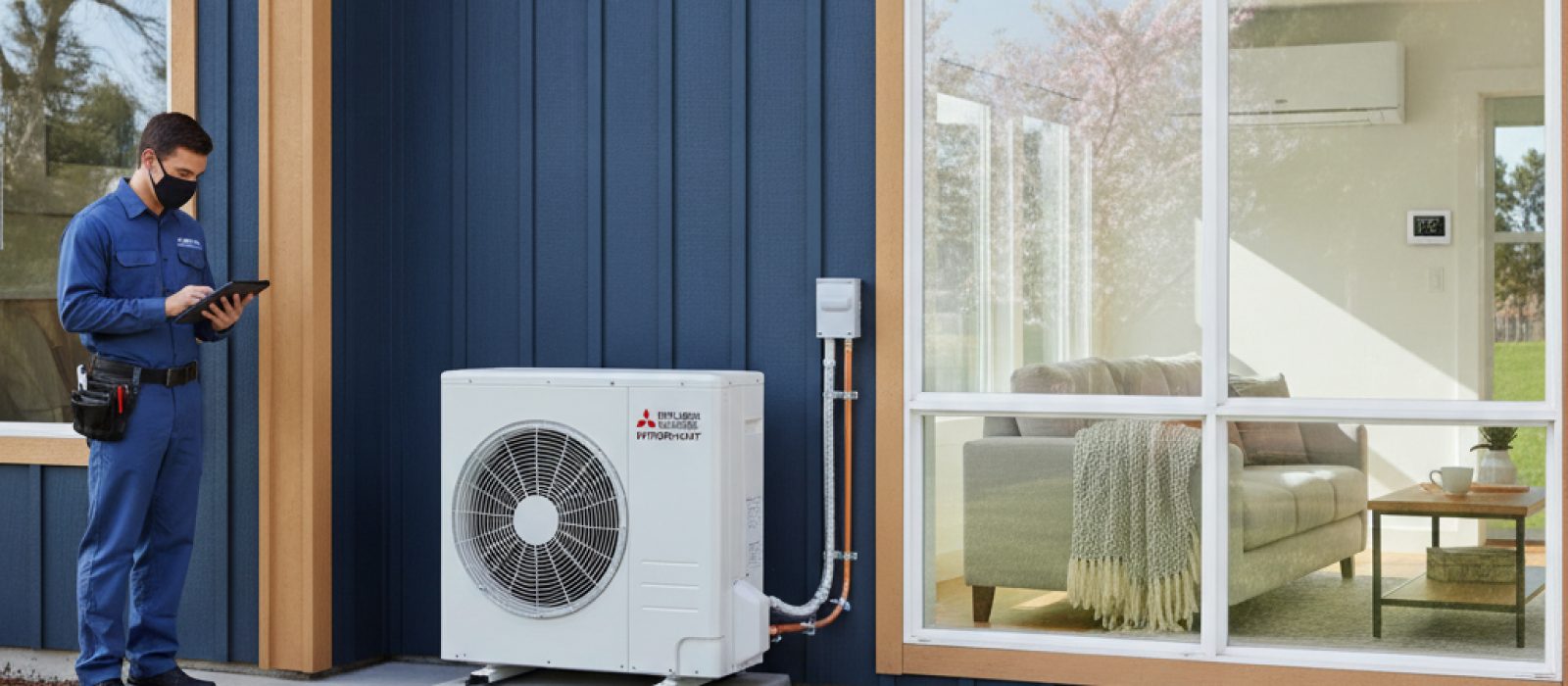
A comprehensive look at Mitsubishi mini-split technology and Hyper-Heat performance for year-round climate control in U.S. homes.
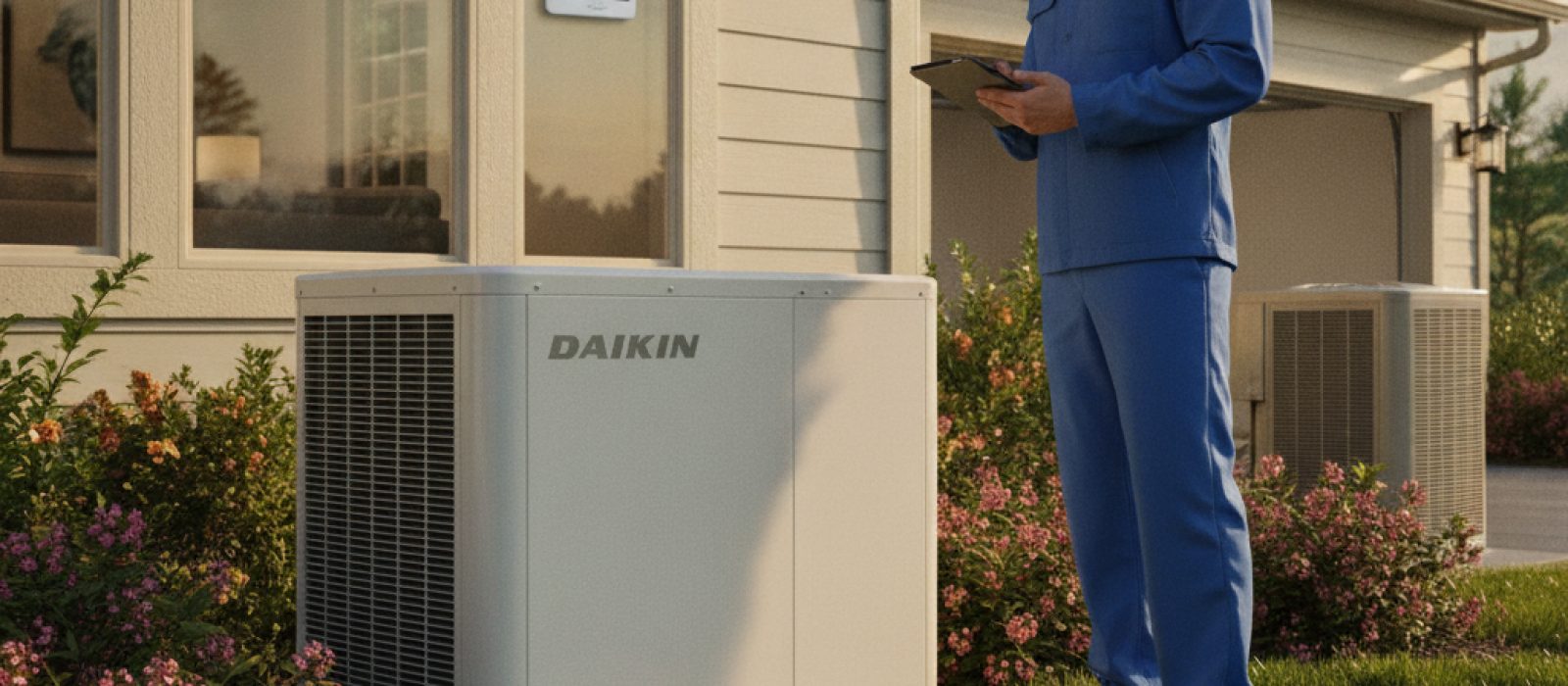
A comprehensive guide to understanding Daikin HVAC systems, including model tiers, standard maintenance requirements, and factory warranty coverage.
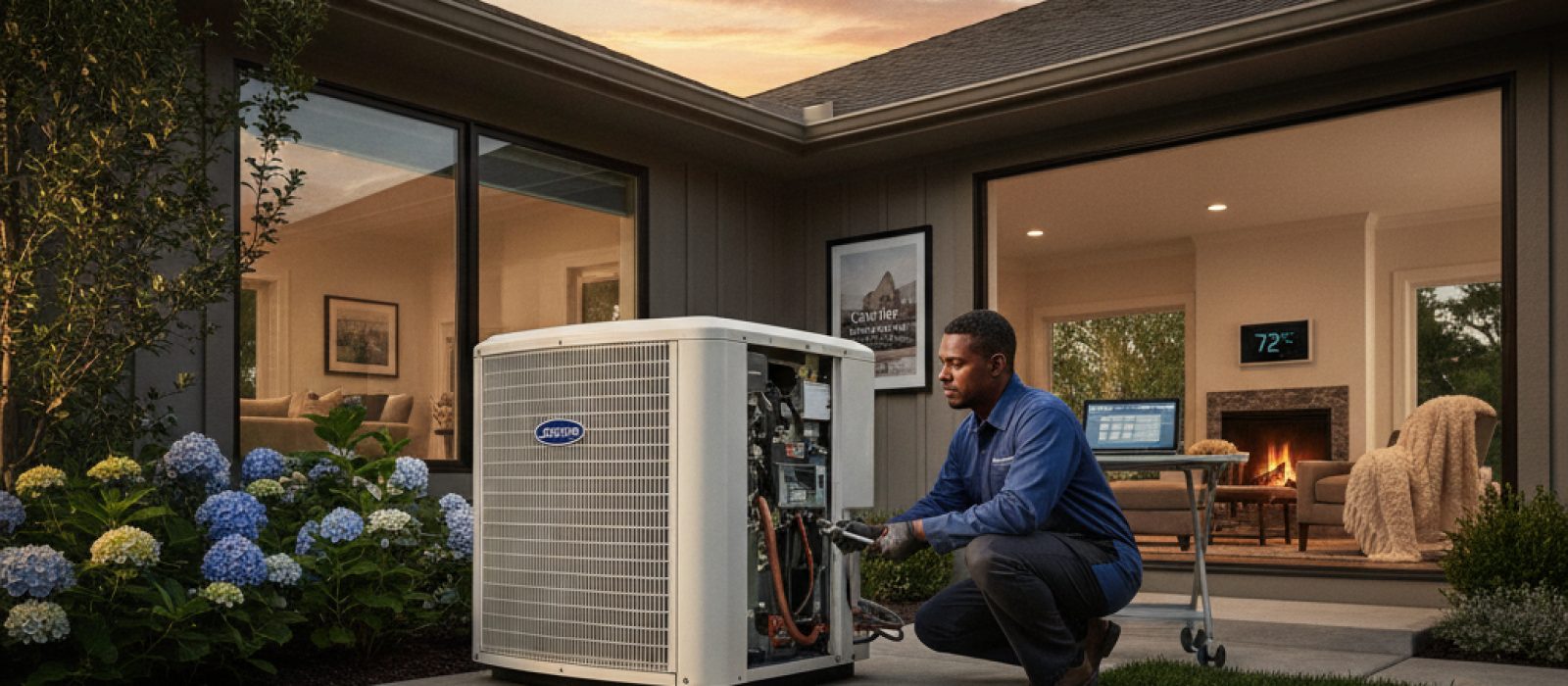
A comprehensive guide to understanding Carrier air conditioning systems, efficiency ratings, installation factors, and maintenance requirements.
An objective look at Goodman HVAC systems, covering performance, longevity, and what homeowners should know before choosing a budget-friendly cooling solution.
A guide to understanding Trane residential cooling systems, including component integration and maintenance requirements for homeowners.
Be the first to comment.