HVAC Service Fast

Pet Hair & Dander: How Your HVAC Spreads It (and What to Do)

4 min read

Pet Hair & Dander: How Your HVAC Spreads It (and What to Do)

The Unseen Journey: Pet Dander and Your HVAC System

For many of us, pets are cherished family members. Their playful antics and comforting presence bring immense joy. However, along with that joy comes pet hair and dander – the tiny flakes of skin that cats, dogs, and other furry friends shed. While you might diligently vacuum and dust, what many homeowners don't realize is just how effectively their home's HVAC (heating, ventilation, and air conditioning) system can become a silent, powerful distributor of these allergens throughout every room.

If you've ever wondered why pet dander seems to reappear so quickly after cleaning, or if you or a family member experience persistent allergies even indoors, your HVAC system might be playing a significant role. Understanding how pet hair and dander infiltrate and spread through your ductwork is the first step towards a healthier, more comfortable indoor environment.

How Pet Hair and Dander Enter Your HVAC System

It's a simple, yet pervasive, process. Every time your pet moves, grooms, or simply rests, they release hair and dander into the air. These microscopic particles don't just settle on surfaces; they become airborne, easily drawn into your HVAC system's return air vents.

  • Return Air Vents: These are the entry points for air to be circulated back to your furnace or air handler for heating or cooling. As your system pulls air in, it also pulls in any airborne contaminants, including pet hair and dander.
  • Ductwork Accumulation: Once inside the ducts, some of the heavier pet hair and dander can settle in bends, corners, and rough spots. Over time, this accumulation can become substantial.
  • Filter Bypass: While your HVAC filter is designed to capture these particles, a dirty or ill-fitting filter can allow a significant amount of hair and dander to bypass it and enter the system.

The HVAC System: A Dander Distribution Network

Once pet hair and dander are inside your HVAC system, they don't just stay put. Your system is designed to circulate air, which means it also circulates whatever is in that air.

  • Forced Air Circulation: Every time your furnace or air conditioner cycles on, the blower fan pushes conditioned air through your supply ducts and out into every room of your house. Along with that air comes any accumulated pet hair and dander that has settled in the ducts or bypassed the filter.
  • Filter Overload: A primary function of your HVAC filter is to capture airborne particles. However, pet owners often find their filters get clogged much faster than homes without pets. An overloaded filter not only reduces its effectiveness in capturing allergens but also restricts airflow, making your system work harder and potentially pushing more particles through.
  • Cross-Contamination: If you have pets in one area of the house, the HVAC system effectively spreads their dander to every other room, potentially exacerbating allergies for sensitive individuals throughout the entire home.

Practical Solutions for Pet Owners

Don't despair! While pet hair and dander are inevitable, there are many effective strategies you can employ to minimize their spread and keep your indoor air quality high.

Regular Pet Grooming and Cleaning

  • Frequent Brushing: Brush your pets regularly, ideally outdoors, to remove loose hair and dander before it has a chance to become airborne indoors.
  • Bathing: Regular bathing can help reduce shedding and dander, but consult with your vet regarding appropriate bathing frequency for your specific pet.
  • Dedicated Pet Areas: If possible, designate certain areas for your pets and clean those areas frequently.
  • Vacuuming and Dusting: Use a vacuum with a HEPA filter and damp cloths for dusting to effectively capture pet hair and dander from surfaces.

HVAC System Maintenance for Pet Owners

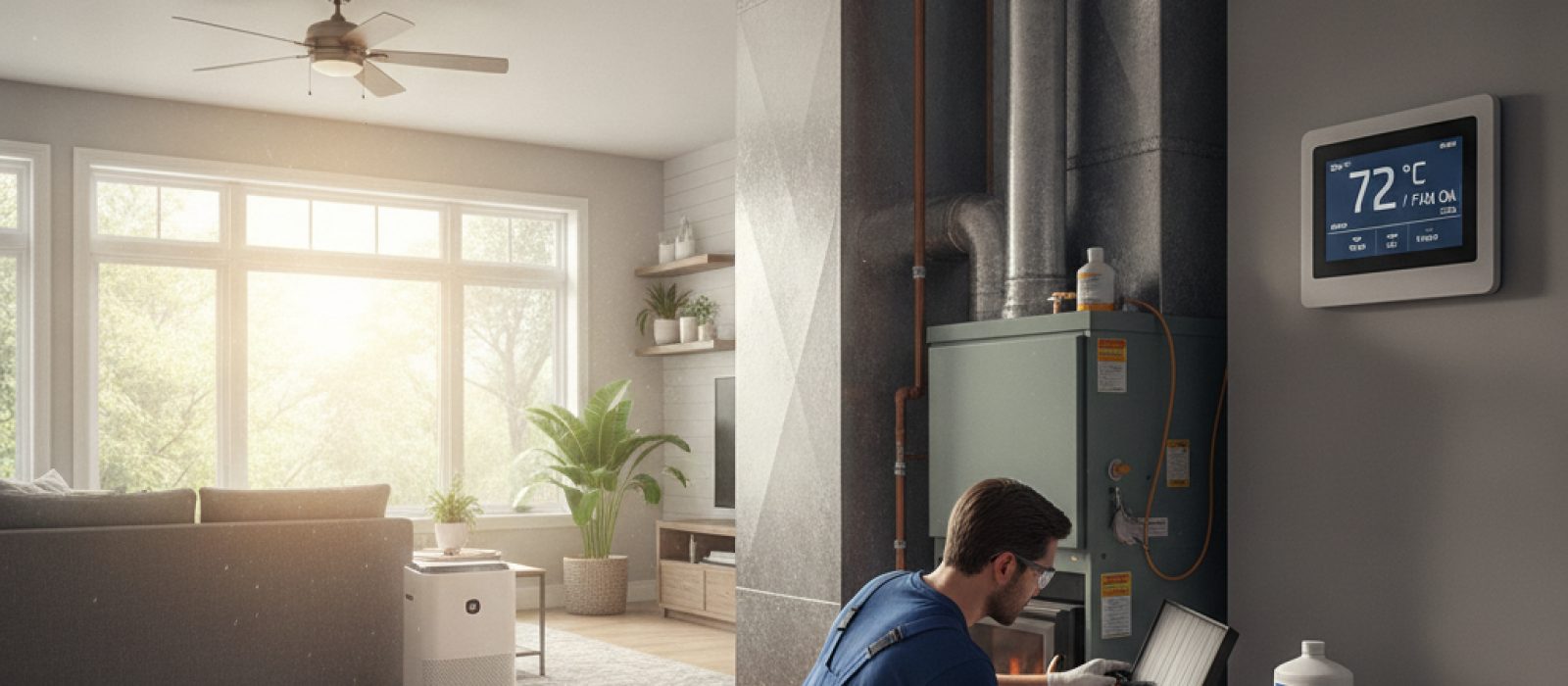
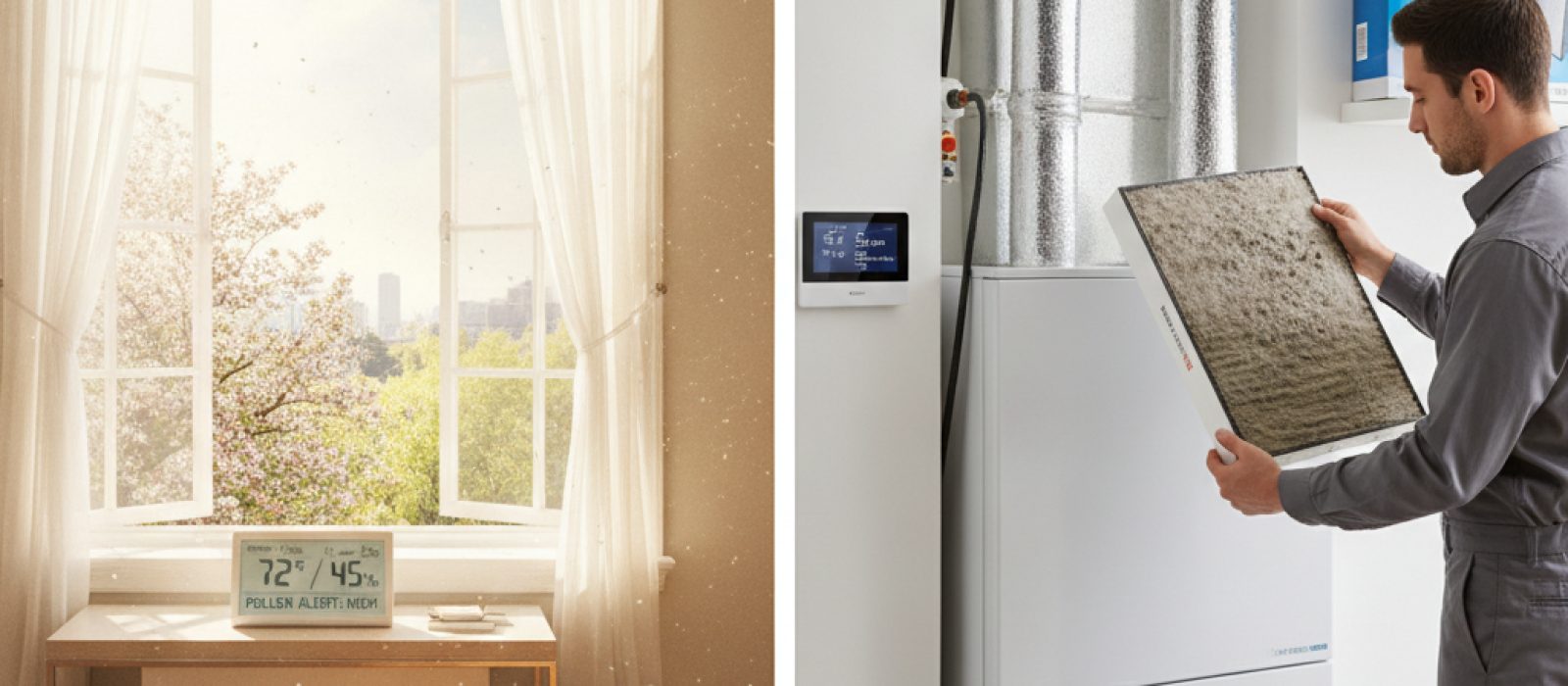
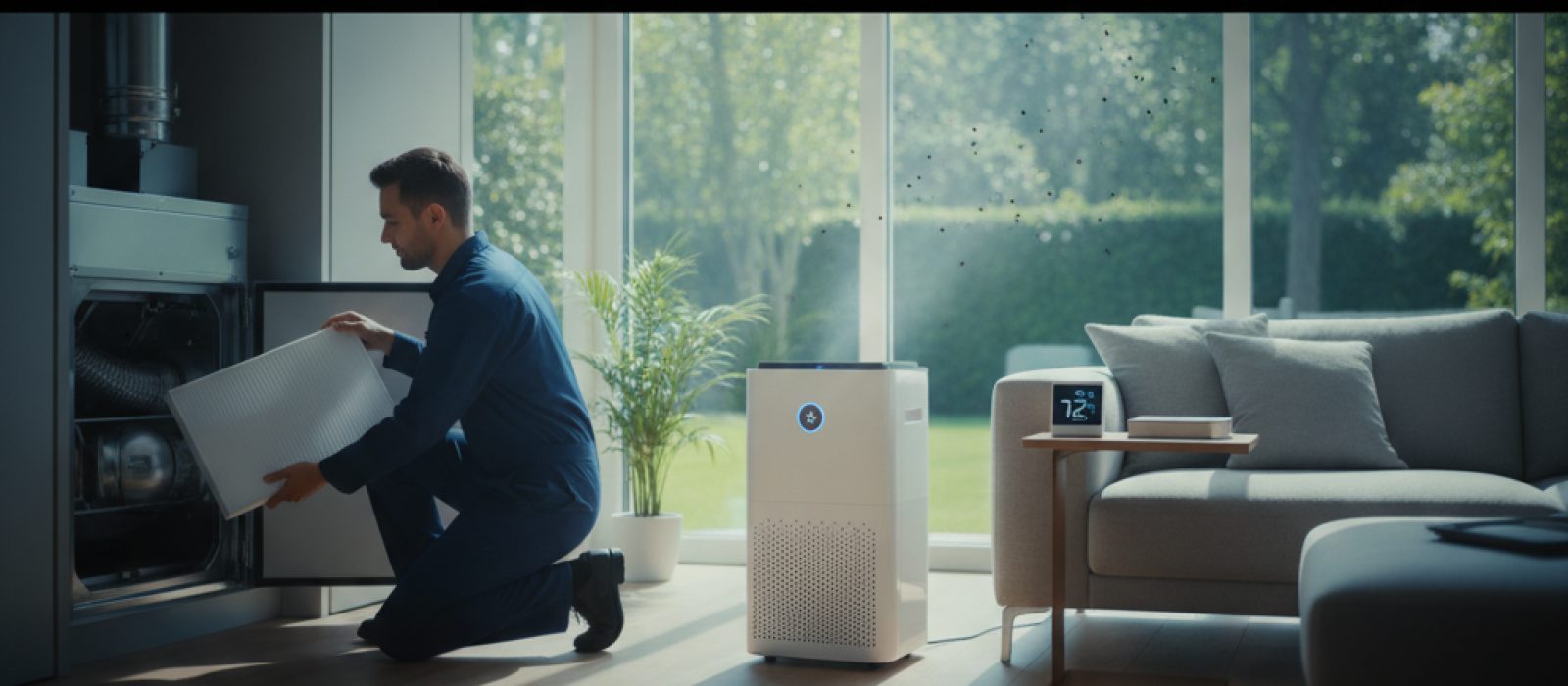
  • Change Filters Frequently: This is perhaps the most crucial step. For homes with pets, consider changing your HVAC filter every 30-60 days, or even more frequently if you have multiple pets or particularly heavy shedding breeds. Use high-quality filters (MERV 8-11 are often recommended for pet owners) designed to capture smaller particles.
  • Professional Duct Cleaning: Over time, pet hair and dander can build up significantly within your ductwork. Professional duct cleaning can remove these accumulations, preventing them from being recirculated into your home. This service is especially beneficial for homes with new pets, after moving into a home previously occupied by pets, or if allergy symptoms persist.
  • Consider Air Purifiers: Standalone portable air purifiers with HEPA filters can supplement your HVAC system, especially in rooms where pets spend a lot of time.
  • Regular HVAC System Tune-Ups: Annual professional HVAC maintenance ensures your system is running efficiently and helps identify any issues that might be contributing to poor air quality, such as leaks in ductwork.

Breathe Easier, Live Happier

Having pets doesn't mean you have to compromise on indoor air quality or suffer from allergies. By understanding how pet hair and dander interact with your HVAC system and taking proactive steps, you can create a healthier, more comfortable home environment for everyone, furry friends included. If you're concerned about pet dander in your home or need assistance with HVAC maintenance or duct cleaning, don't hesitate to reach out to a trusted HVAC professional. We're here to help you breathe easier.

#HVAC maintenance #Indoor Air Quality #allergies #Duct Cleaning #pet dander #pet hair

Frequently asked questions

How do pet hair and dander get into my HVAC system?
Pet hair and dander become airborne and are drawn into your HVAC system through return air vents. They can then settle in ductwork or bypass a dirty or ill-fitting filter.
Does my HVAC system spread pet dander throughout my entire house?
Yes, once pet hair and dander are inside your HVAC system, the blower fan circulates them through supply ducts into every room, effectively distributing allergens throughout your home.
How often should I change my HVAC filter if I have pets?
For homes with pets, it is crucial to change your HVAC filter frequently, ideally every 30-60 days, or even more often depending on the number of pets and their shedding.
What can I do to reduce pet hair and dander spread indoors?
Regular pet grooming (brushing, bathing), frequent vacuuming with a HEPA filter, damp dusting, and consistent HVAC filter changes are effective strategies.
Can a dirty HVAC filter make my pet allergies worse?
Yes, an overloaded or dirty HVAC filter is less effective at capturing allergens, allowing more pet dander to circulate and potentially exacerbating allergies for sensitive individuals.

Related articles

Comments (0)

Be the first to comment.

Leave a comment

Security code

Comments are moderated before they appear.