
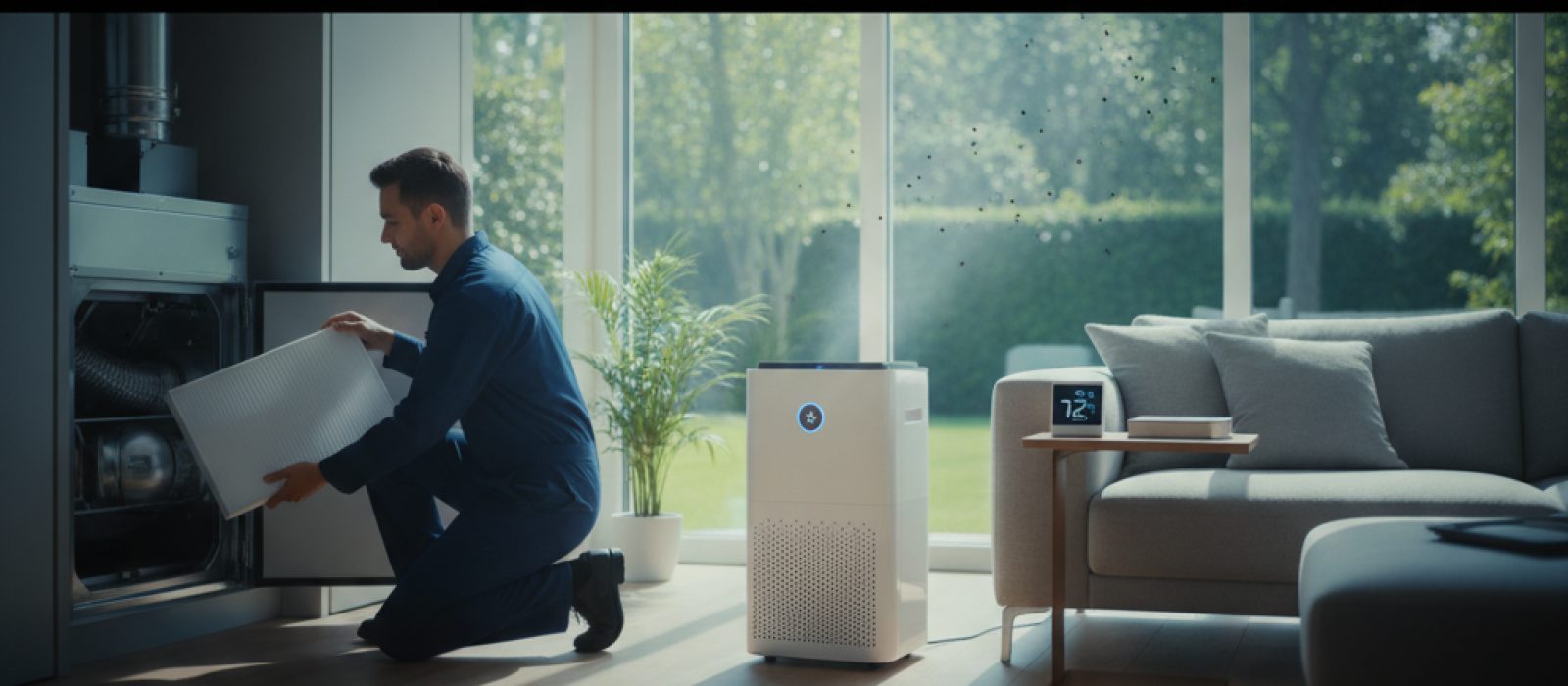
HEPA Air Cleaners for Allergies: What Actually Works
Learn how HEPA air cleaners function, their limitations in home environments, and how to effectively manage indoor air quality for allergy relief.
4 min read

Atlanta’s spring season brings a notorious surge in tree and grass pollen. While outdoor air quality often dominates local conversation, the interior of a home frequently becomes a repository for these microscopic irritants. Pollen particles enter through open windows, attach to clothing, and hitchhike on pets, eventually settling into carpets, upholstery, and air ducts.
When these particles are disturbed, they become airborne and are drawn into the HVAC system. Once inside, they can circulate through every room, potentially triggering respiratory discomfort for sensitive individuals. Managing this cycle requires a combination of physical barriers, system optimization, and consistent maintenance.
The first line of defense against pollen is the air filter installed within your central HVAC system. Many standard-issue filters are designed primarily to protect the equipment from large dust particles rather than to capture fine allergens. During peak pollen months, upgrading to a higher-rated filter can make a significant difference.
Look for filters with a higher efficiency rating, which indicates an increased ability to trap smaller particles. However, it is vital to consult your system’s documentation or a professional before installing a high-resistance filter. A filter that is too dense can restrict airflow, causing the blower motor to work harder, which may lead to premature system wear or reduced comfort.
Beyond standard filtration, dedicated Indoor Air Quality solutions can be integrated directly into the HVAC infrastructure. These systems often utilize advanced media or electronic polarization to capture particles that bypass traditional filters. Because these units are installed within the ductwork, they provide whole-home coverage, ensuring that air is treated as it moves through the supply and return vents.
Preventing pollen from entering the home is as critical as removing what is already inside. During high-count days, keep windows and doors closed. Even a slight breeze can carry massive amounts of pollen into the living space, overwhelming the filtration capacity of the HVAC system.
Check the seals around window frames and exterior doors. Gaps in weatherstripping act as intake points for unfiltered air. Furthermore, consider the state of your ductwork. If there are leaks in the supply or return ducts, the system may be pulling unconditioned, pollen-laden air from attics or crawl spaces into the living areas. Professional Ductwork Services can identify and seal these leaks, ensuring the air reaching your rooms is only what has passed through the central filter.
Pollen accumulation on evaporator coils and blower wheels can impede heat transfer and airflow efficiency. When a coil is coated in a layer of pollen and dust, the system struggles to remove humidity and cool the air effectively. This cycle of inefficiency often leads to increased energy consumption and inconsistent temperatures.
Scheduling a professional Maintenance & Tune-up before the height of the season ensures that the system is clean and operating at peak performance. A technician will inspect the components, clean the coils, and verify that the system is not struggling under the weight of accumulated debris. Addressing these mechanical needs early prevents the system from becoming a source of recirculated allergens.
Over several years, pollen and other particulates can accumulate inside the ductwork. While a clean filter prevents new material from entering, existing deposits can still be dislodged by the force of the air moving through the system. If you notice a persistent layer of dust or allergy symptoms that worsen when the AC turns on, it may be time to consider professional Air Duct Cleaning. This process removes the buildup from the interior surfaces of the ducts, preventing the system from acting as a distribution network for trapped allergens.
While the HVAC system handles the air, homeowners can manage the volume of pollen entering the environment through simple habits:
By integrating these habits with a well-maintained HVAC system, you can significantly reduce the concentration of pollen indoors. A proactive approach ensures that the home remains a sanctuary, even when outdoor counts are at their peak.
Learn how HEPA air cleaners function, their limitations in home environments, and how to effectively manage indoor air quality for allergy relief.
Learn to identify common indoor pollutants and discover practical, effective strategies to improve the air quality within your home.
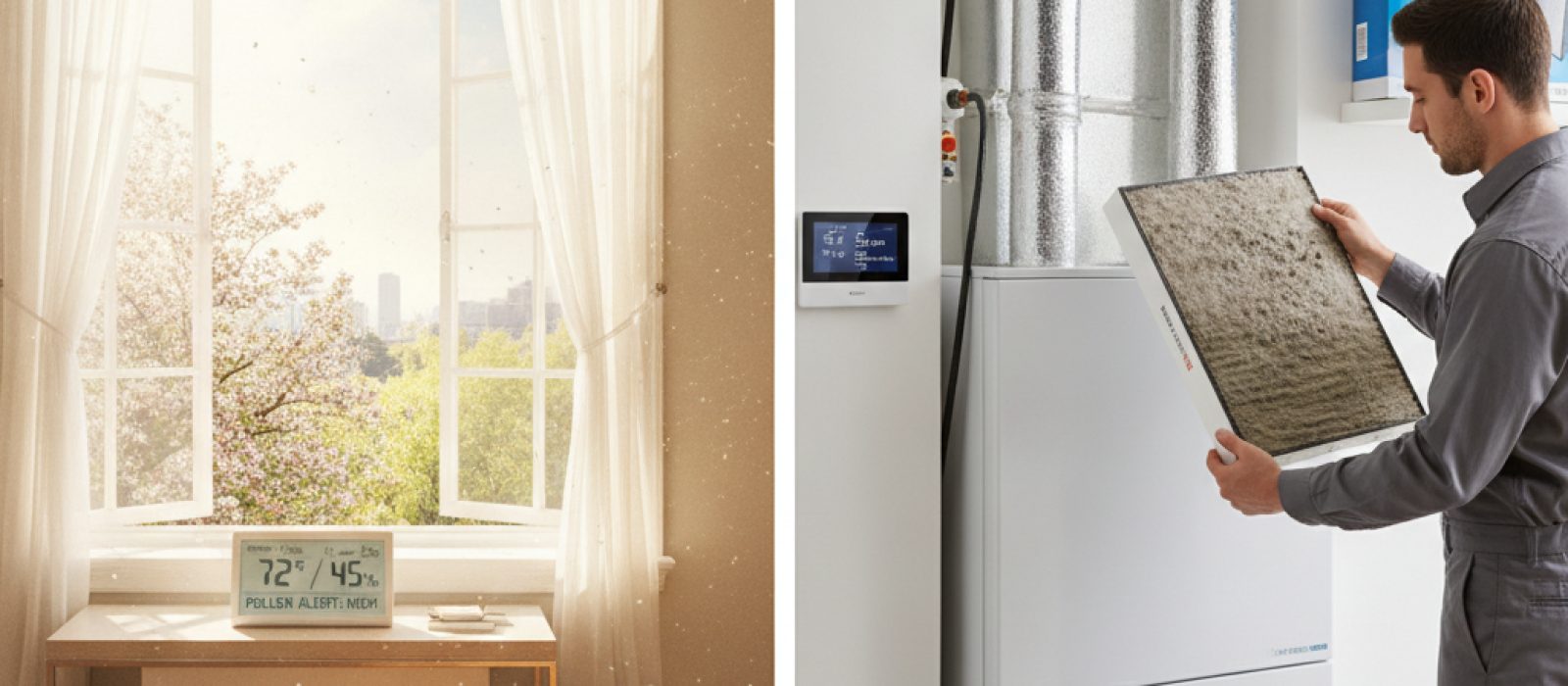
Learn the balance between natural ventilation and mechanical filtration to maintain optimal indoor air quality in your home.
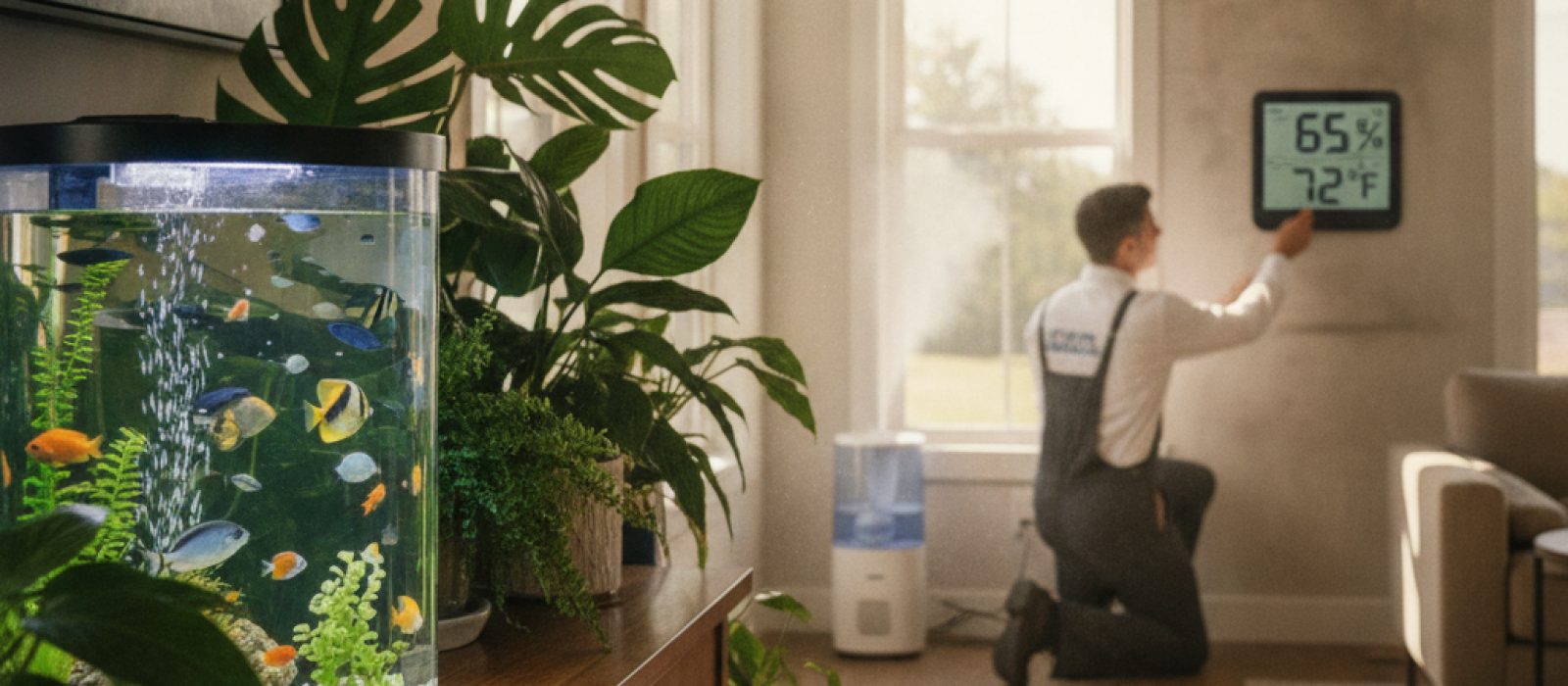
Learn how common household features like aquariums and plants impact indoor air quality and how to manage the resulting humidity levels effectively.
Discover how holiday traditions impact your home's indoor air quality and learn practical steps to maintain a healthy breathing environment this winter.
Improve productivity and health by optimizing the indoor air quality of your home office through ventilation, filtration, and humidity control.
Be the first to comment.