HVAC Service Fast

Prepare Your Home for an HVAC Technician's Visit

4 min read

Prepare Your Home for an HVAC Technician's Visit

Why Preparation Matters

When your HVAC system isn't working as it should, getting a technician to your home quickly is a top priority. While you're waiting, a little preparation can go a long way in making the service call as efficient and effective as possible. Think of it as setting the stage for success. Proper preparation can not only save the technician time (which often translates to saving you money) but also ensures they have safe and easy access to all necessary components, allowing them to diagnose and fix the issue faster.

An unprepared home might lead to delays, missed details, or even additional charges if the technician has to spend valuable time clearing pathways or moving obstacles. By taking a few simple steps, you empower your technician to do their best work right from the start.

Clear the Way: Indoor Unit Access

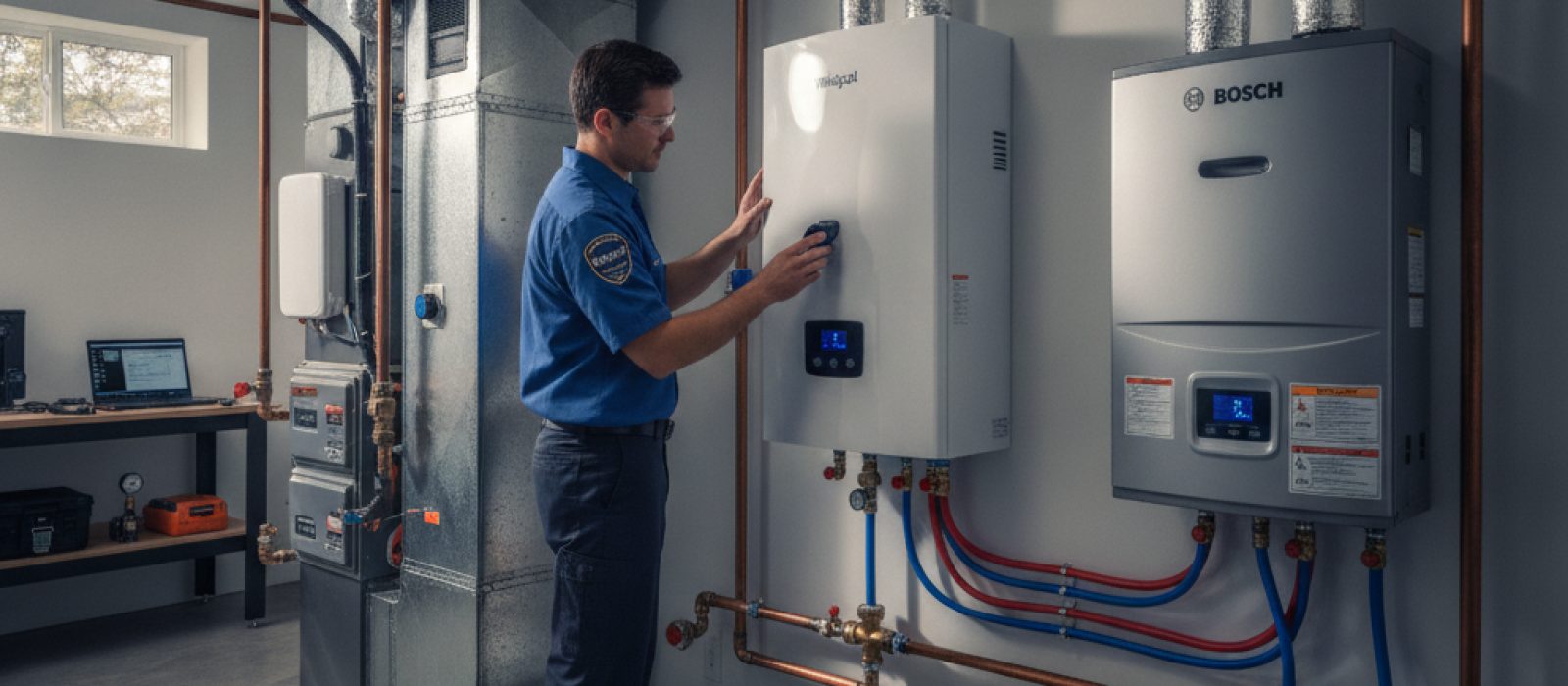
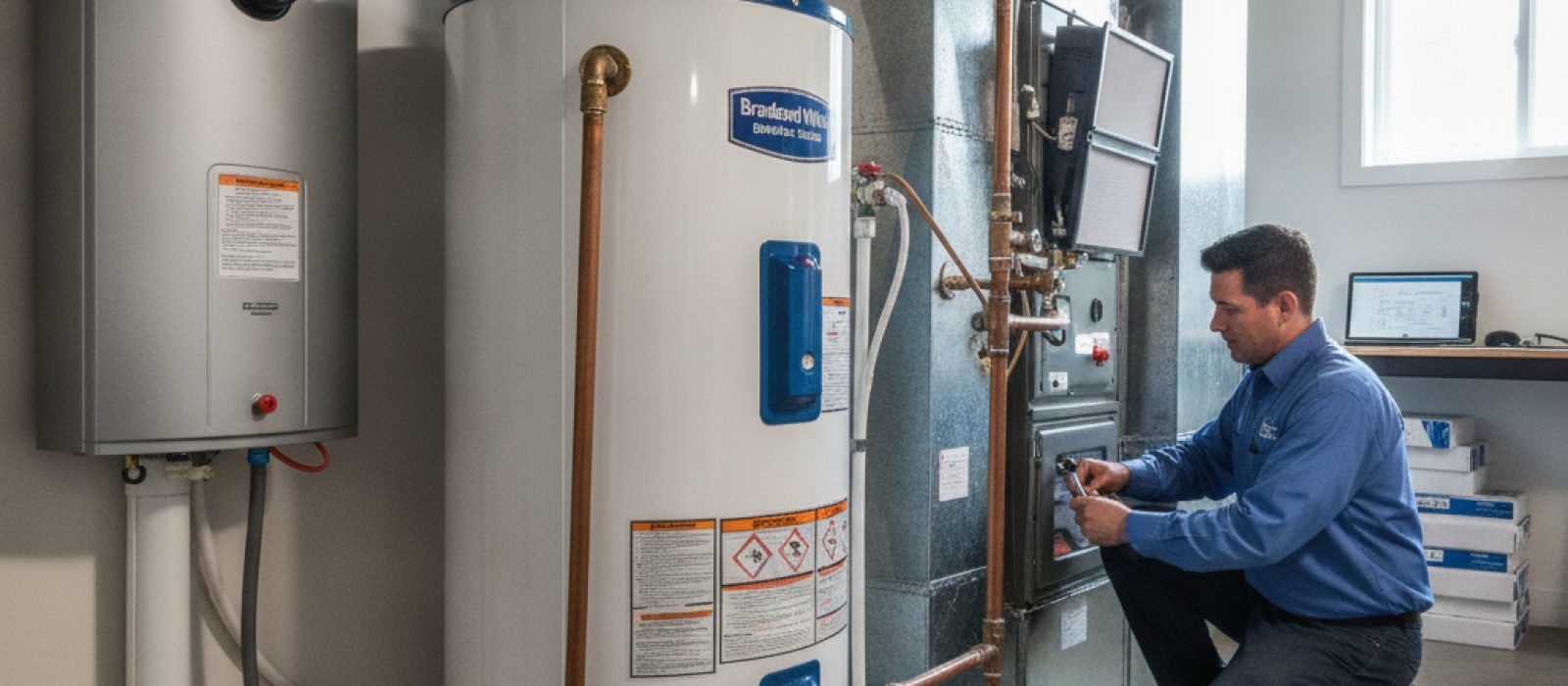
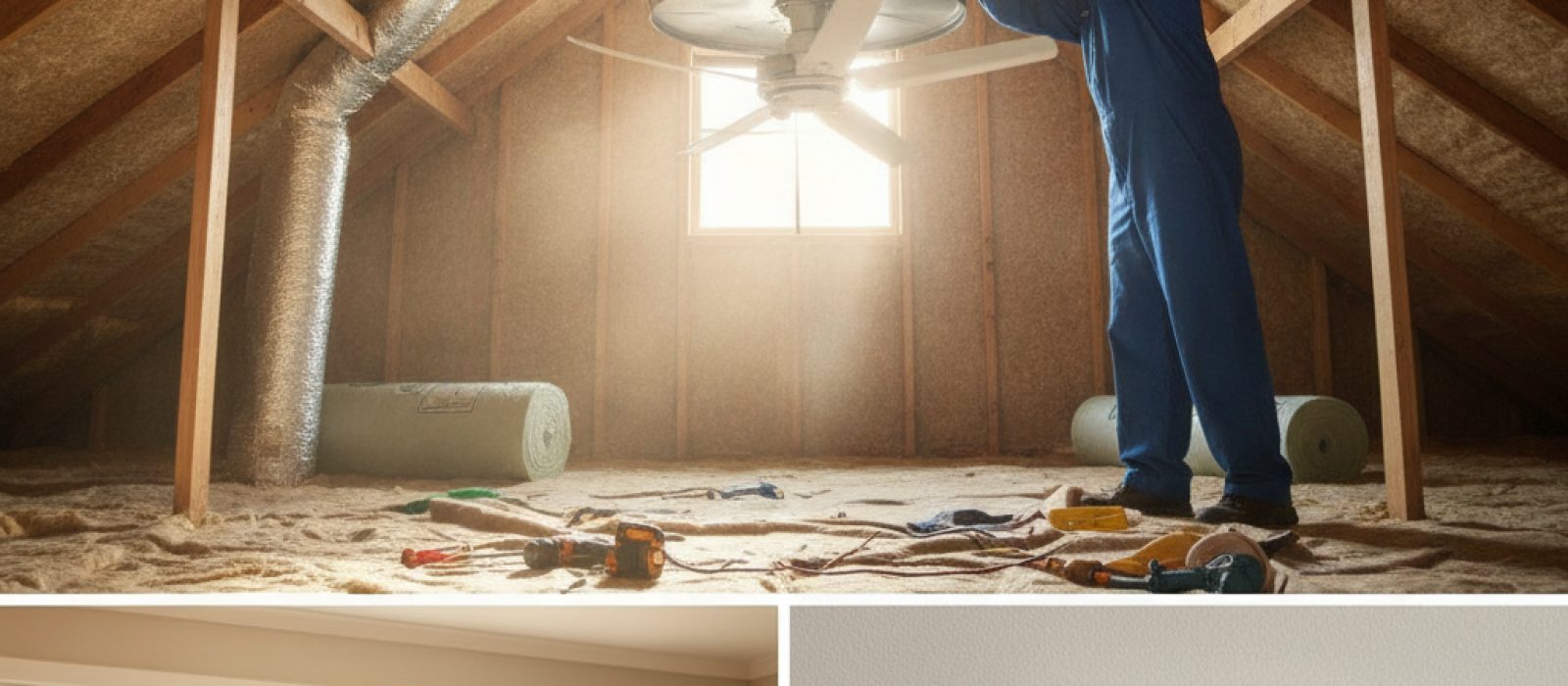
Your indoor HVAC unit, often located in a closet, basement, attic, or utility room, needs to be easily accessible. Technicians carry tools and equipment, and navigating through clutter can be challenging and time-consuming.

  • Remove Obstacles: Clear away any boxes, furniture, storage items, or laundry baskets that might be blocking the path to your furnace, air handler, or indoor coil. Aim for at least 2-3 feet of clear space around the unit.
  • Ensure Good Lighting: If the unit is in a dark area like an attic or basement, make sure there's adequate lighting. If not, inform the technician or have a flashlight ready for them.
  • Pet Safety: If you have pets, especially curious ones, consider securing them in another room during the visit. This ensures their safety and prevents distractions for the technician.

Outdoor Unit Accessibility and Safety

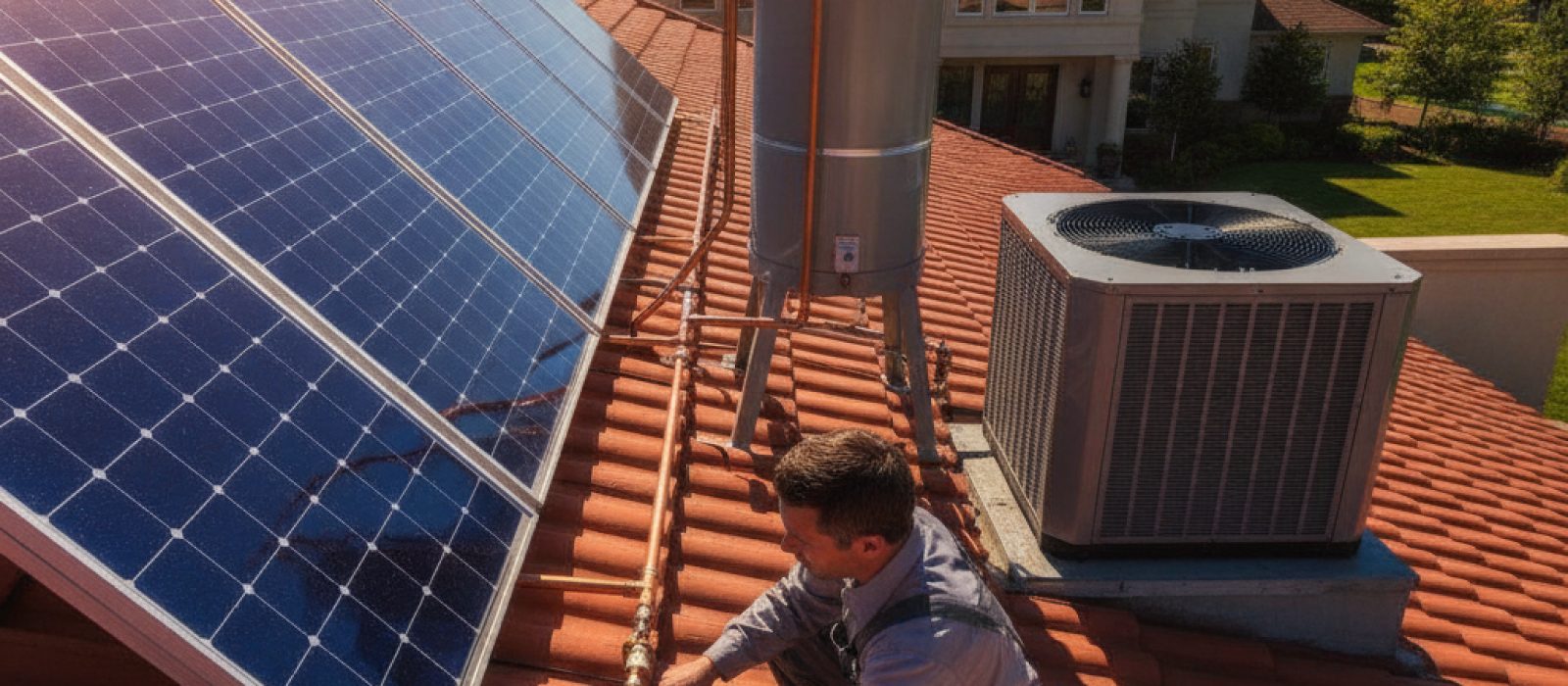
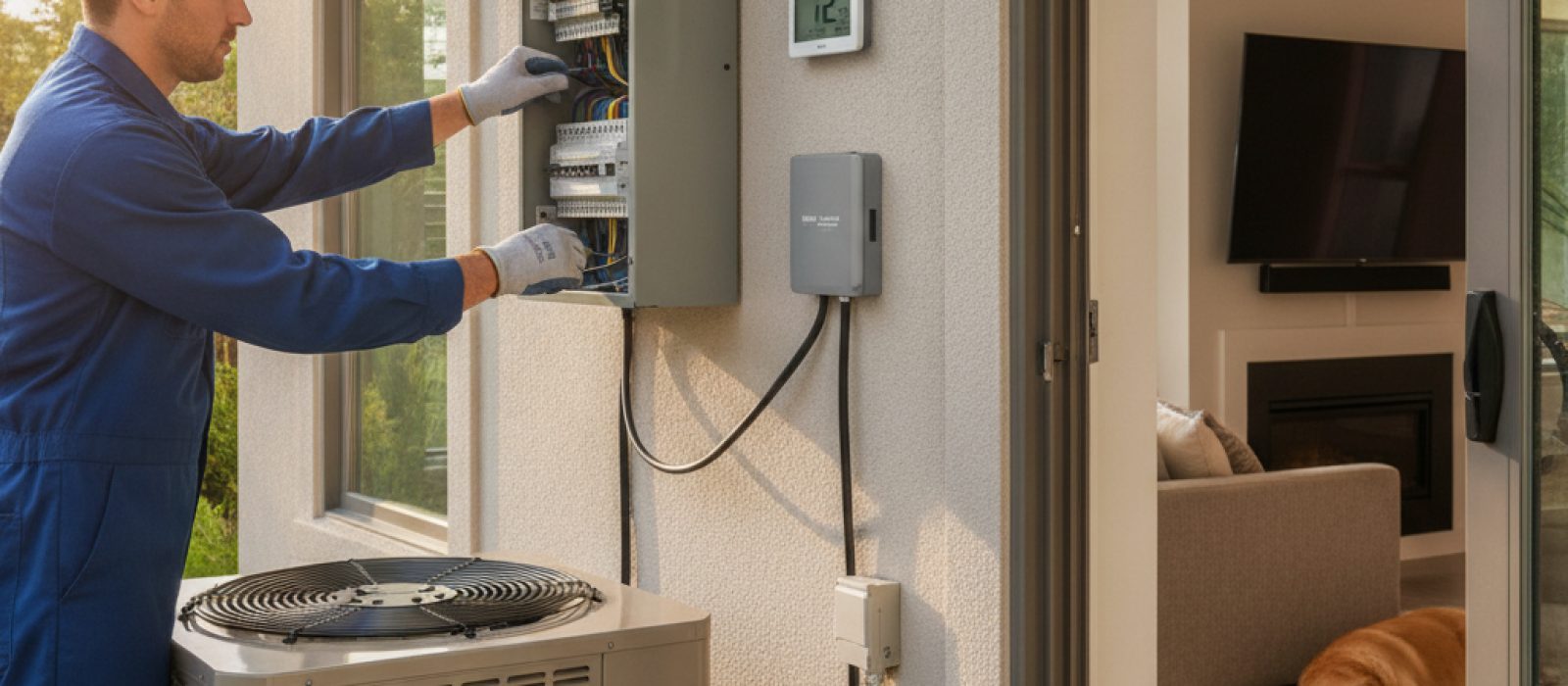
The outdoor unit (condenser for AC, heat pump unit) is just as important as the indoor unit and also requires clear access.

  • Trim Vegetation: Overgrown bushes, shrubs, or tree branches around the outdoor unit can impede airflow and make it difficult for technicians to work. Trim them back, ensuring at least 1-2 feet of clearance on all sides.
  • Remove Debris: Clear away leaves, dirt, grass clippings, and any other debris that has accumulated around or on top of the unit.
  • Clear Pathways: Ensure a clear and safe path from your driveway or street to the outdoor unit, especially if it's in a backyard or side yard.
  • Address Any Hazards: If there are any potential hazards like loose paving stones, slippery areas, or pest nests near the unit, address them or clearly point them out to the technician upon arrival.

Thermostat and Air Filter Preparation

These two components are often the first things a technician will check.

  • Thermostat Access: Make sure the thermostat is easily accessible. If it's behind furniture or decor, move it. Be ready to explain any recent changes you've made to settings or programming.
  • Locate Air Filter: Know where your air filter is located (usually in the return air vent or within the indoor unit itself). If you have a new, clean filter on hand, you might offer it to the technician for replacement, or at least be prepared to tell them when it was last changed.

Gather Important Information

Having relevant details ready can significantly speed up the diagnostic process.

  • Describe the Problem Clearly: Be specific. Is it making a strange noise? Not heating/cooling enough? When did the problem start? Is it constant or intermittent?
  • Note Recent Changes: Have you recently changed your thermostat settings, had other home repairs done, or noticed anything unusual before the issue began?
  • Service History: If you have records of past services or repairs, especially for the current issue, have them readily available. This gives the technician a valuable historical context.
  • System Age: Knowing the approximate age of your HVAC system can also be helpful.

Be Present and Available

While technicians are experts, your input is invaluable.

  • Be Home: Ensure someone 18 or older is home during the scheduled appointment time.
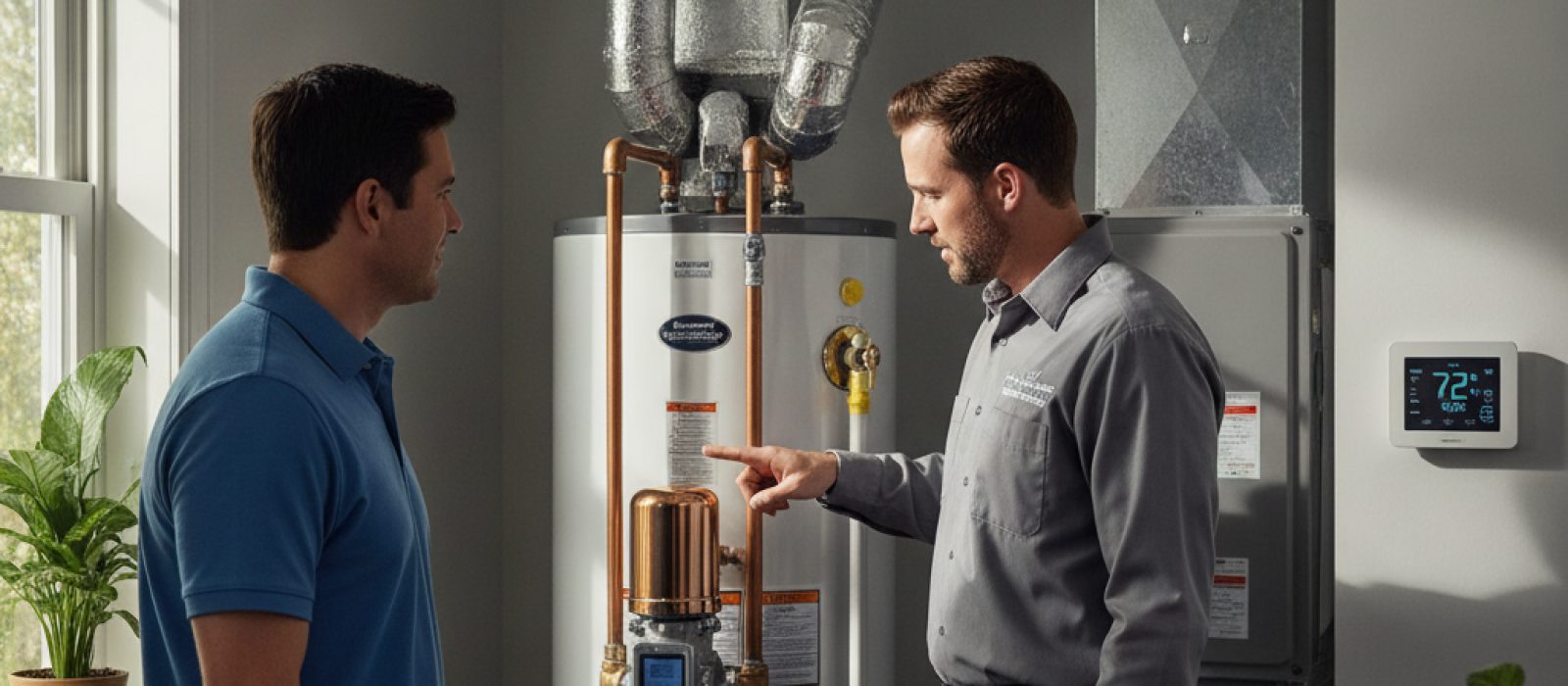
  • Be Ready to Communicate: Be prepared to answer questions and provide information. Don't be afraid to ask questions yourself.
  • Silence Your Phone (If Possible): Minimize distractions so you can fully communicate with the technician.

By taking these simple yet effective steps, you’re not just preparing your home; you’re partnering with your HVAC technician to ensure a swift, accurate, and successful service visit. This proactive approach saves everyone time, minimizes stress, and gets your home's comfort system back on track faster.

#HVAC maintenance #home comfort #home preparation #HVAC technician #service call

Frequently asked questions

Why is it important to prepare my home for an HVAC technician?
Preparation ensures the service call is efficient and effective, potentially saving time and money, and allows the technician safe and easy access to diagnose and fix the issue faster.
What should I do to prepare my indoor HVAC unit for a technician?
Clear away any obstacles like boxes or furniture, aiming for 2-3 feet of clear space, ensure adequate lighting, and secure pets in another room.
How should I prepare my outdoor HVAC unit for a technician's visit?
Trim vegetation for 1-2 feet of clearance, remove debris like leaves, ensure a clear path, and address any potential hazards around the unit.
What information should I have ready for the HVAC technician?
Be prepared to describe the problem clearly, note any recent changes, have service history records available, and know the approximate age of your system.
Should I be home during the HVAC technician's visit?
Yes, ensure someone 18 or older is home during the scheduled appointment and be ready to communicate and answer questions.

Related articles

Comments (0)

Be the first to comment.

Leave a comment

Security code

Comments are moderated before they appear.