
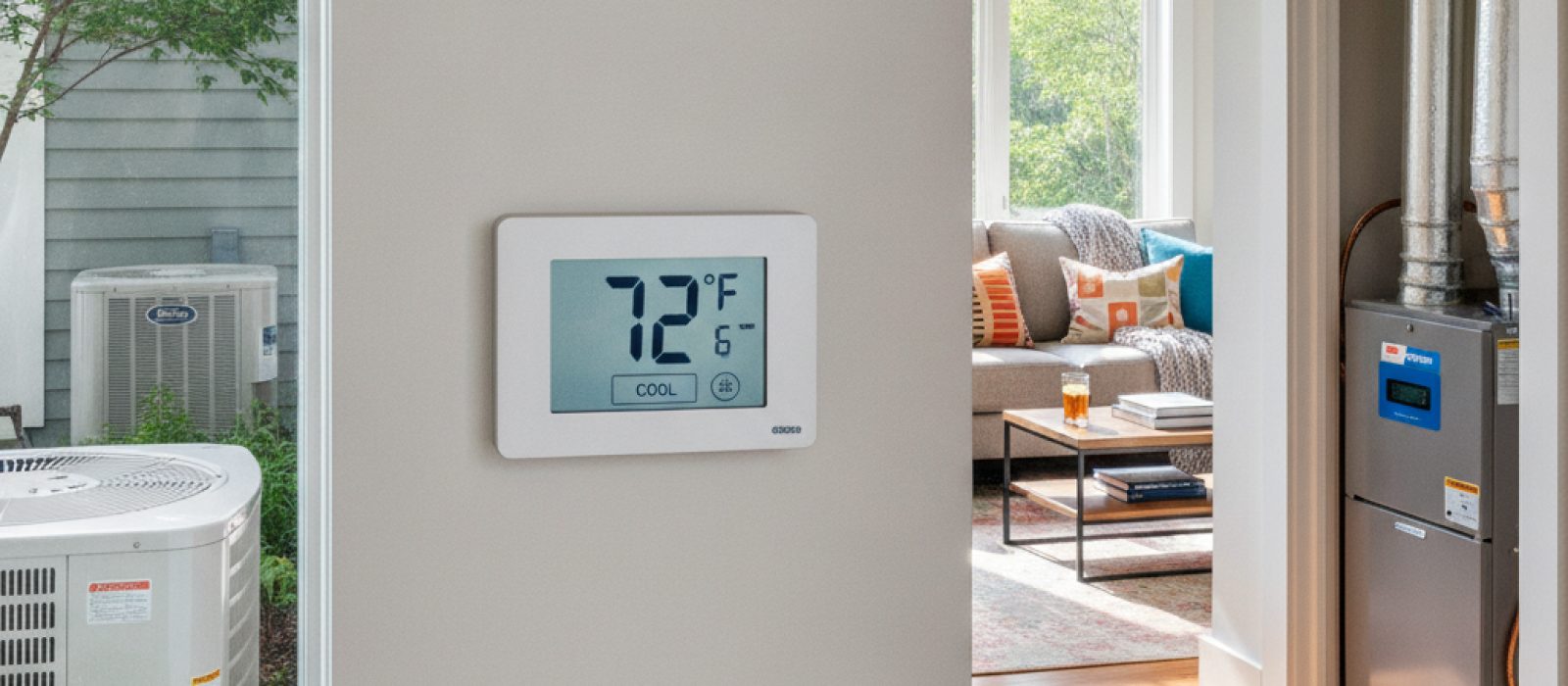
York, Ruud, Bryant and American Standard HVAC: Brand Overview
A guide to understanding the cooling technology and reliability of four major HVAC manufacturers for U.S. homeowners.
3 min read

The HVAC industry is undergoing a significant regulatory shift regarding the refrigerants used in residential cooling systems. This transition moves the market away from R-410A, a hydrofluorocarbon (HFC) refrigerant that has been the industry standard for over a decade, toward newer alternatives with lower global warming potential. Homeowners are not required to replace functional systems immediately, but this regulatory landscape changes how technicians perform repairs and how systems are designed moving forward.
Refrigerants are chemical compounds that cycle through a cooling system to absorb heat from indoor air and release it outdoors. Environmental regulations now prioritize substances that have a reduced impact on the atmosphere. While R-410A is efficient at heat transfer, it is being phased down in production and importation to encourage the adoption of more sustainable, lower-impact chemical alternatives. This process is part of a multi-year strategy to reduce the environmental footprint of residential and commercial cooling technology.
If you currently have a system that utilizes R-410A, you do not need to panic. These units will continue to operate as intended, provided they receive regular Maintenance & Tune-up visits to ensure the sealed system remains intact. The phase-down primarily affects the manufacturing and distribution of the refrigerant itself, not the operation of existing equipment.
As time progresses, the supply of R-410A will naturally tighten. While there is no immediate shortage, the cost of the refrigerant may fluctuate over time due to supply chain adjustments. If your system develops a leak, a technician will still be able to perform repairs, though the availability of specific refrigerants may eventually influence repair costs and service feasibility.
When a major component failure occurs in an older system, homeowners often weigh the cost of a repair against the benefits of a full replacement. With the refrigerant transition, this calculation becomes more nuanced. If a system requires a significant amount of refrigerant due to a major leak, the long-term reliability of that unit must be considered.
If your cooling system is nearing the end of its expected lifespan, investing in a new unit that uses the latest generation of refrigerants is often more practical than performing major repairs on an aging, less efficient machine. Consulting with a professional regarding Energy Efficient Solutions can help you determine if a modern system will provide better long-term value and lower monthly utility bills.
New residential cooling units are transitioning to refrigerants that are classified as A2L, which means they have lower global warming potential. These newer systems are engineered with specific safety features designed to accommodate the properties of these modern refrigerants. Because these systems are different from their predecessors, installation requires specialized training and equipment.
It is essential to rely on certified technicians for all Cooling services. They possess the knowledge to handle the pressure requirements, leak detection methods, and safety protocols necessary for these newer refrigerant types. Incorrect handling of any refrigerant can lead to system inefficiency, safety hazards, or a voided manufacturer warranty.
Homeowners should view this transition as a gradual evolution rather than an overnight overhaul. Focus on keeping your current equipment running efficiently through consistent care. If you notice a decline in performance, such as uneven temperatures or increased humidity, schedule an inspection to address minor issues before they become major mechanical failures.
When it is time to upgrade, your technician will guide you through the options for high-efficiency systems that align with modern environmental standards. Integrating these upgrades with proper Ductwork Services can further improve the airflow and performance of your home's total climate control setup. Staying informed and maintaining your current system ensures that you remain comfortable while the industry adapts to these new standards.
A guide to understanding the cooling technology and reliability of four major HVAC manufacturers for U.S. homeowners.
A comprehensive look at Mitsubishi mini-split technology and Hyper-Heat performance for year-round climate control in U.S. homes.
A comprehensive guide to understanding Daikin HVAC systems, including model tiers, standard maintenance requirements, and factory warranty coverage.
A comprehensive guide to understanding Carrier air conditioning systems, efficiency ratings, installation factors, and maintenance requirements.
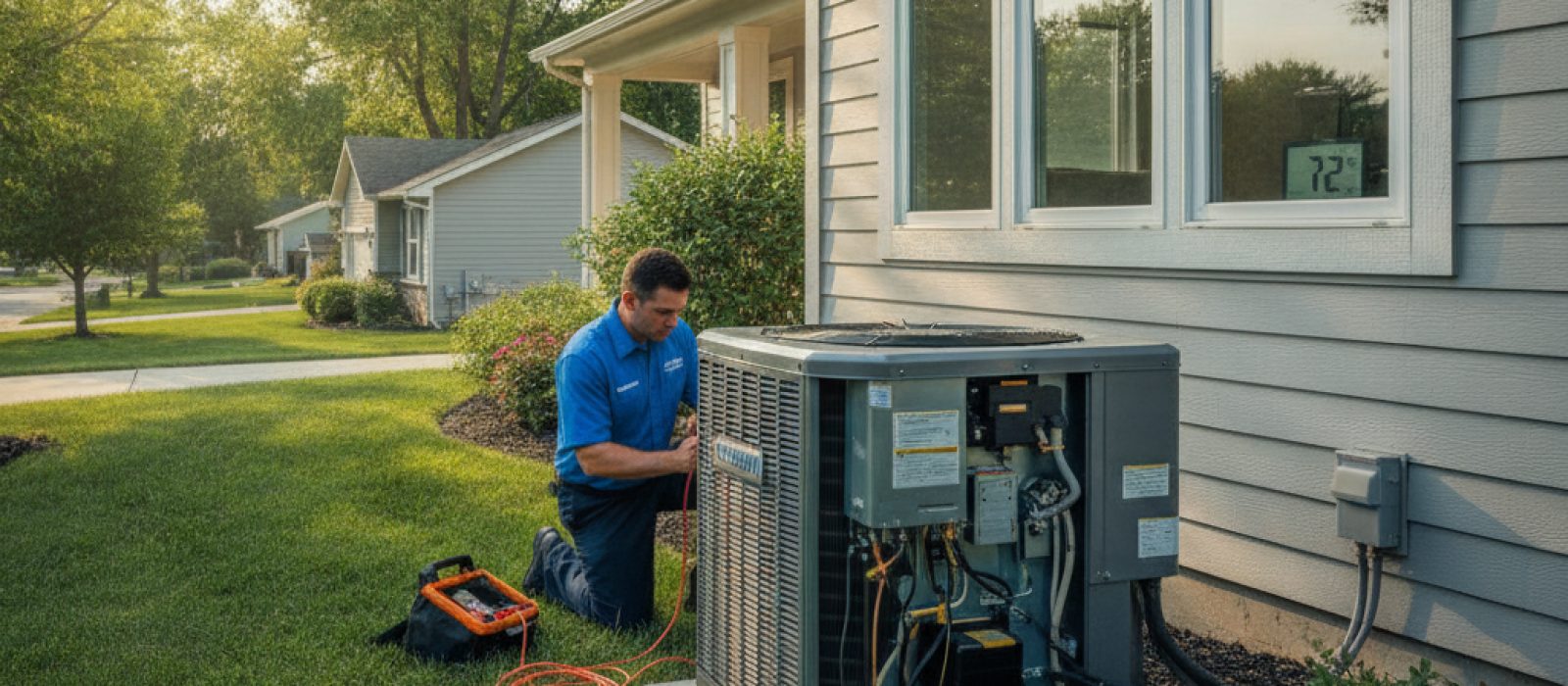
An objective look at Goodman HVAC systems, covering performance, longevity, and what homeowners should know before choosing a budget-friendly cooling solution.
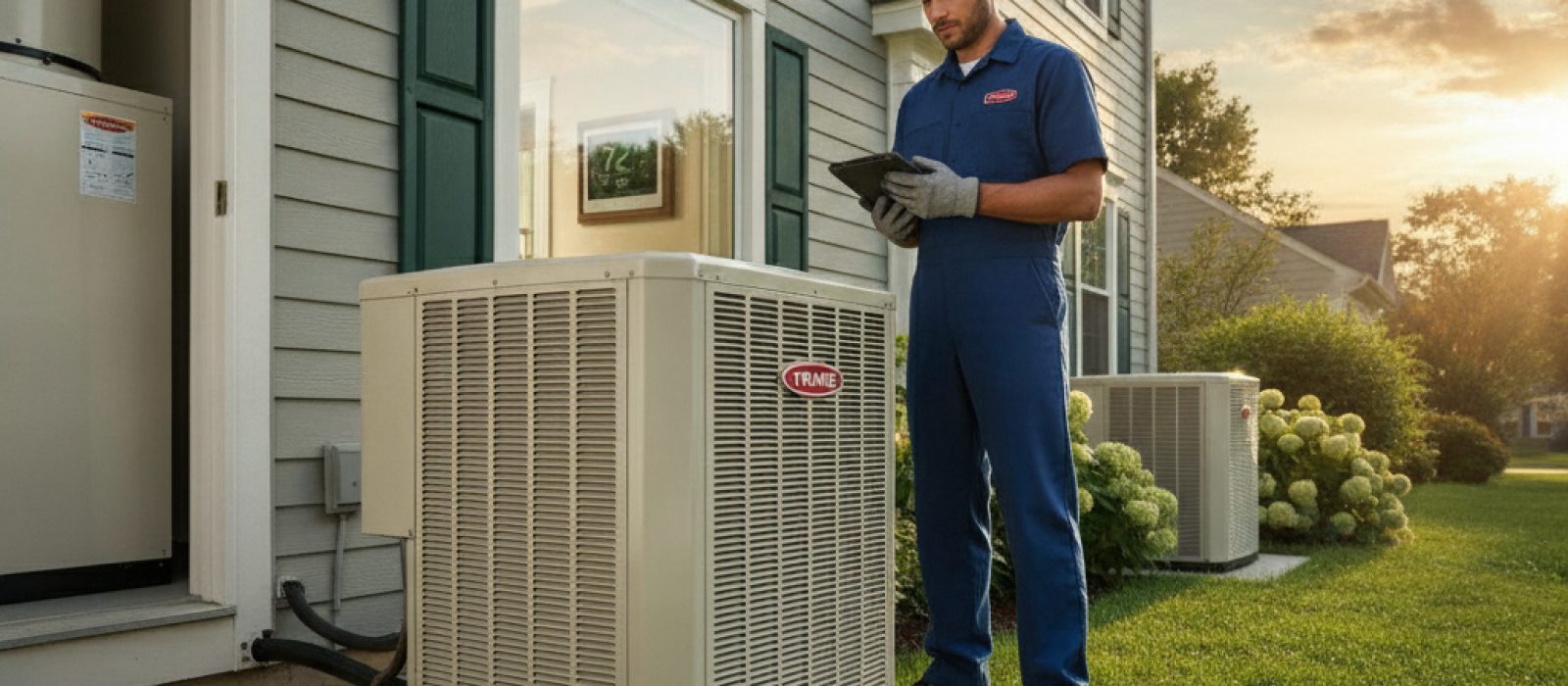
A guide to understanding Trane residential cooling systems, including component integration and maintenance requirements for homeowners.
Be the first to comment.