
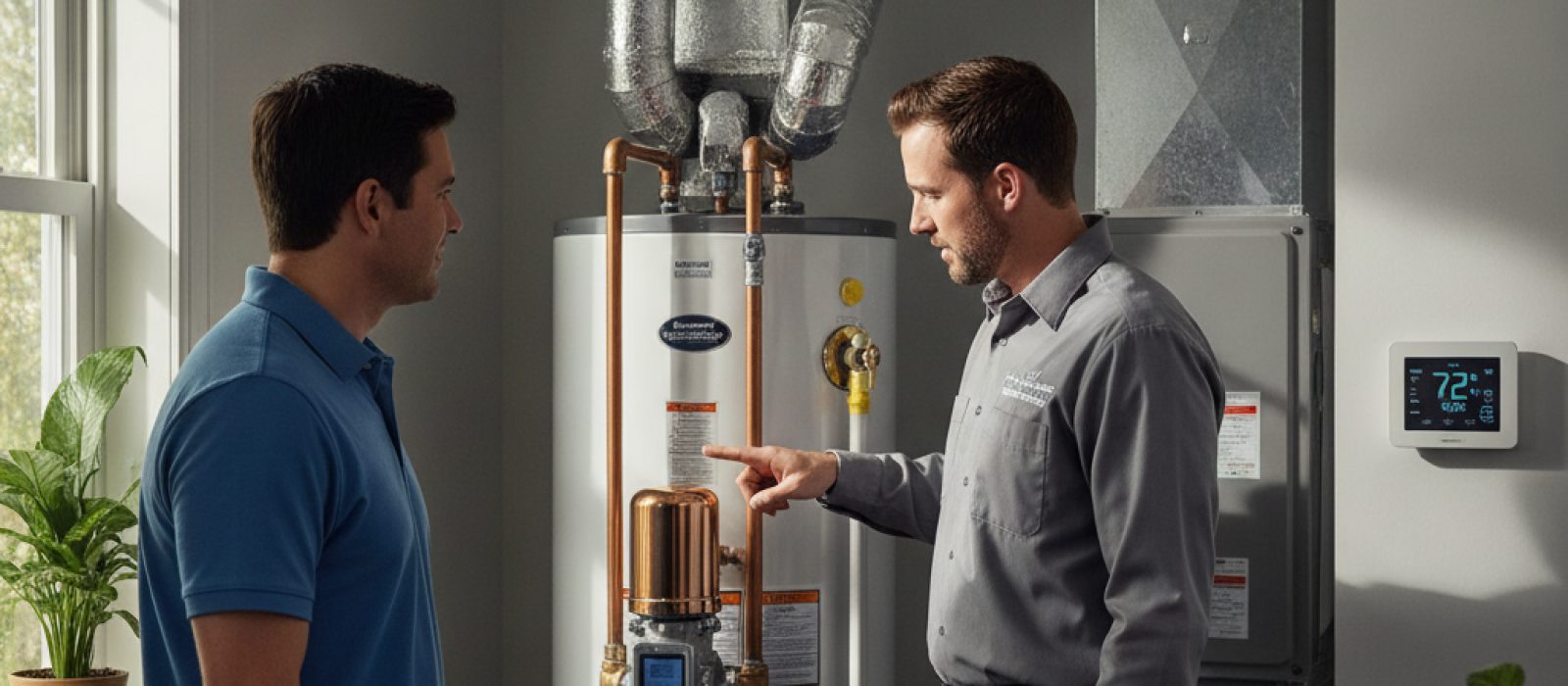
Hot Water Recirculating Pumps: How They Work and What They Cost
Learn how hot water recirculating pumps provide instant hot water, the different installation types, and the factors that influence overall project costs.
3 min read

Tankless water heaters function by heating water on demand rather than storing it in a large reservoir. When a hot water tap is opened, water flows through a heat exchanger where gas burners rapidly raise the temperature. This design eliminates standby energy loss, which occurs when traditional heaters keep a large tank of water warm throughout the day. For homeowners looking to improve home efficiency, these systems are a common upgrade in modern residential plumbing services.
Selecting the right unit depends primarily on the peak demand of the household. Manufacturers categorize models based on their heating capacity, which is measured in gallons per minute (GPM). Larger homes with multiple bathrooms and high-flow fixtures require models with higher GPM ratings to ensure consistent delivery during simultaneous usage.
Condensing technology captures exhaust heat and reuses it to pre-heat incoming cold water. These units generally offer higher efficiency ratings compared to non-condensing versions. They are ideal for regions with colder groundwater temperatures where the unit must work harder to reach the desired output temperature.
Non-condensing units are often more compact and carry a lower initial investment. They serve as a reliable choice for smaller homes or households with lower simultaneous hot water demands. While they may have a slightly lower efficiency rating, they remain a standard solution for many residential applications.
Tankless water heaters are engineered for specific fuel types. Most units are factory-configured for either natural gas or liquid propane (LP). It is essential to verify your home’s existing fuel infrastructure before selecting a unit.
Improper gas pressure can lead to burner failure or inconsistent water temperatures. If you are uncertain about your current supply, professional heating services can evaluate your lines to ensure they meet the BTU requirements of the new unit.
Transitioning from a tank-style heater to a tankless unit involves more than a simple swap. Because tankless units require higher gas input to heat water instantly, the existing gas piping may need to be upgraded to a larger diameter. Additionally, tankless systems require a dedicated venting solution, typically using stainless steel or specialized PVC, to safely exhaust combustion gases.
Homeowners should also consider the electrical requirements. While the heating is gas-powered, the internal computer and ignition system require a standard 120-volt electrical connection. If an outlet is not available near the installation site, you may need to coordinate with electrical services to install a new circuit.
The total cost of a tankless water heater installation varies by system and region. Factors influencing the final price include the complexity of the venting, the distance from the gas meter, and the need for new electrical or plumbing modifications. While the initial equipment cost is higher than a standard tank, the long-term energy savings and increased lifespan often offset the difference over the life of the product.
Many homeowners also prioritize annual maintenance and tune-up services to ensure the heat exchanger remains free of mineral buildup. In areas with hard water, scale accumulation can reduce the efficiency of the unit and lead to premature failure. Regular flushing of the system is the most effective way to protect your investment.
Gas-fired appliances involve significant safety risks, including carbon monoxide exposure and fire hazards. Consequently, these installations are not suitable for do-it-yourself projects. A licensed professional ensures that the unit is properly vented, the gas lines are leak-tested, and the combustion air intake is correctly configured. Relying on professional water heaters installation experts ensures that the manufacturer's warranty remains intact and that the system operates according to local building codes.
Learn how hot water recirculating pumps provide instant hot water, the different installation types, and the factors that influence overall project costs.
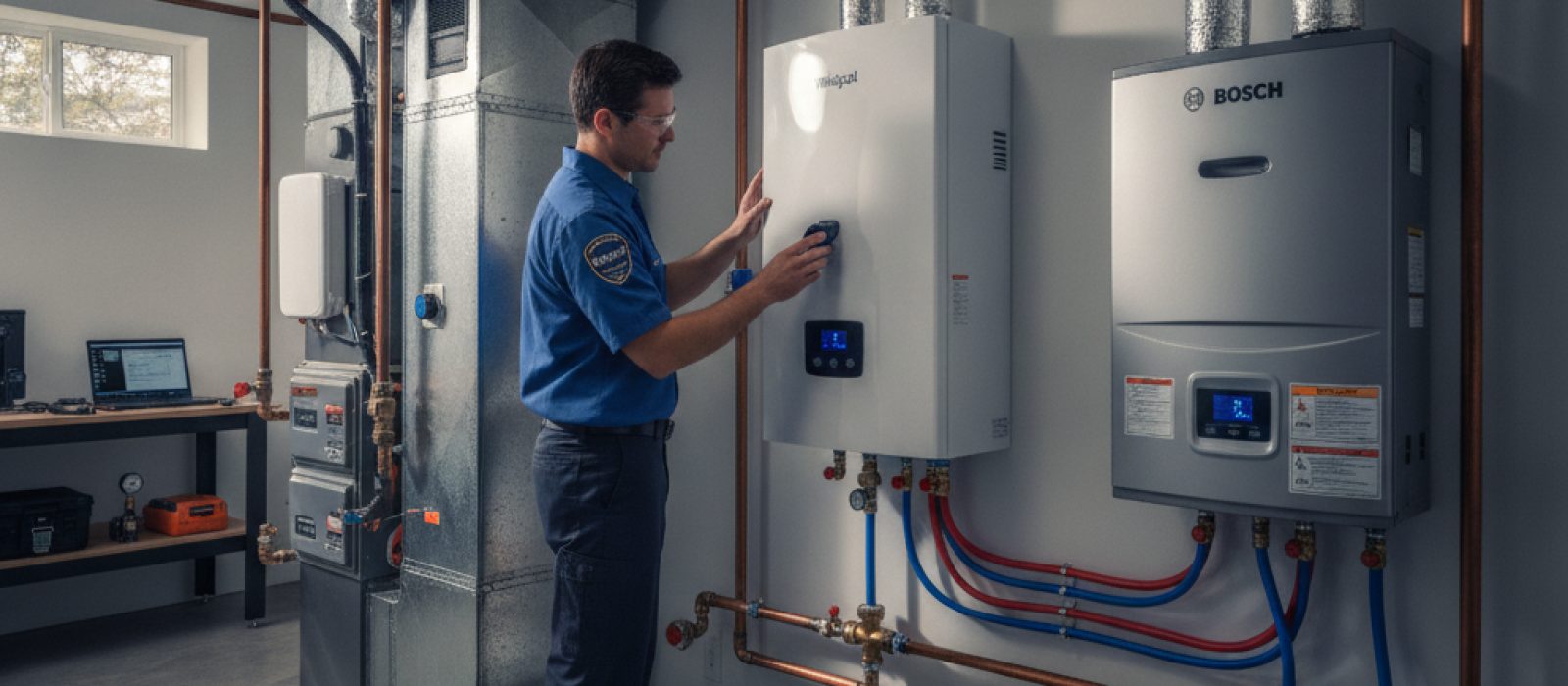
A practical guide to understanding the operational differences, maintenance needs, and common troubleshooting steps for Whirlpool and Bosch water heaters.
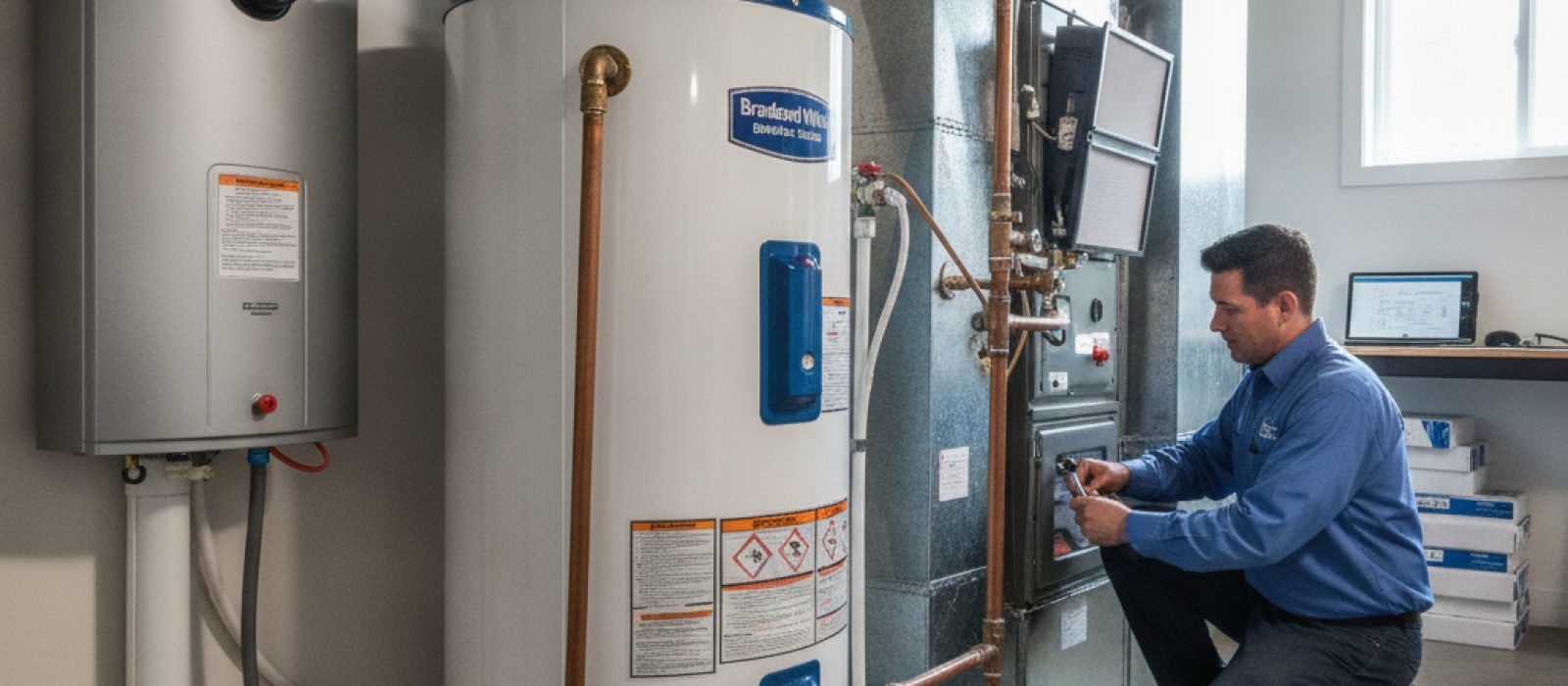
Learn how to choose between 40 and 75-gallon Bradford White water heaters and understand which model fits your home's hot water demands.
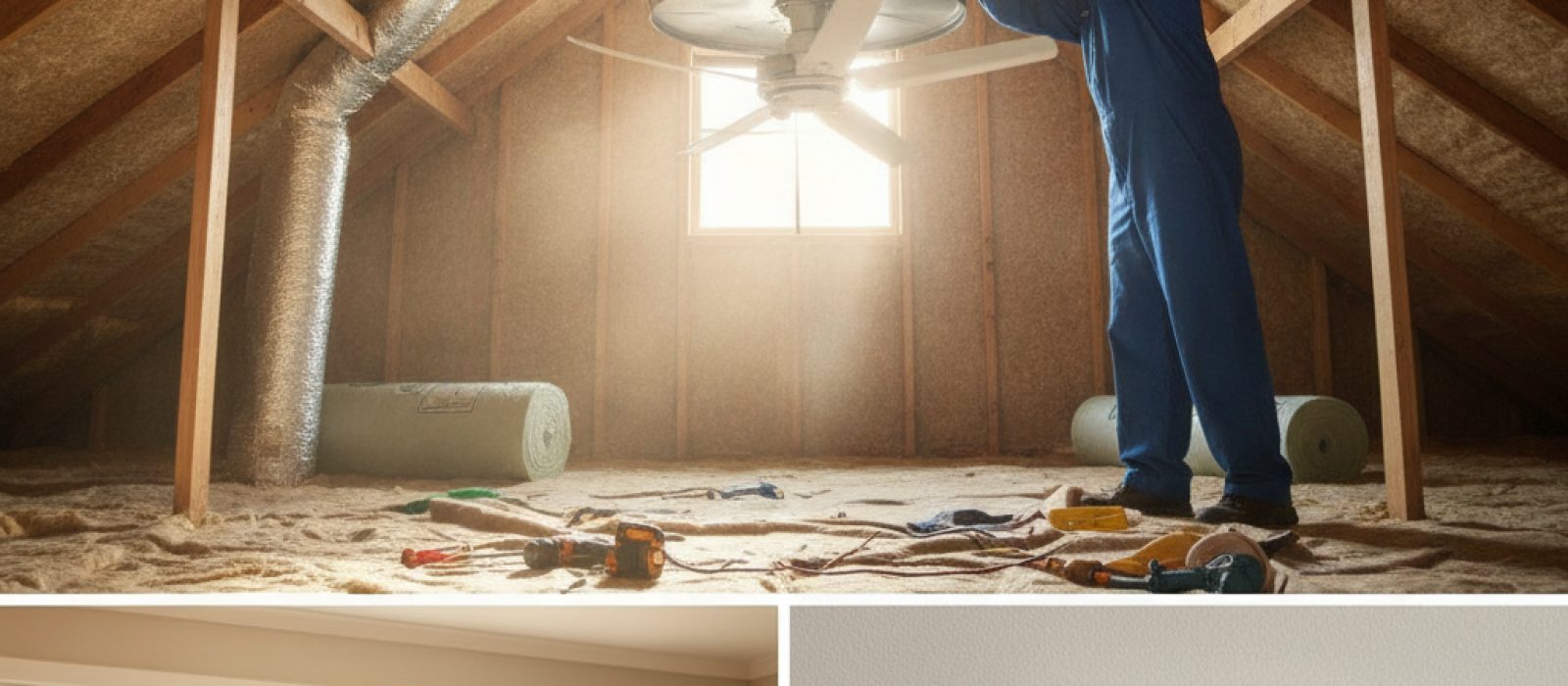
Learn how attic fans manage thermal buildup, the factors influencing installation costs, and the critical mistakes to avoid for a balanced home system.
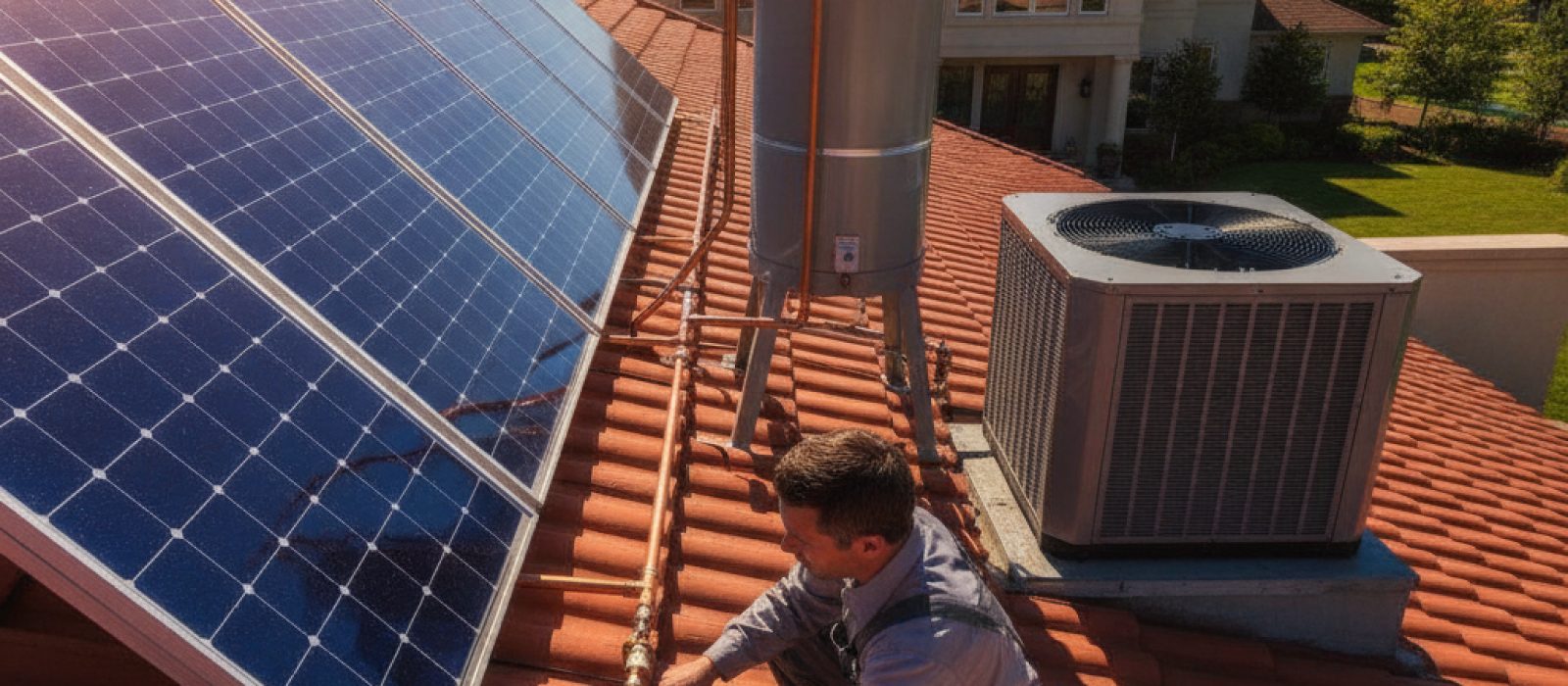
Understand the mechanics, efficiency benefits, and practical considerations of installing a solar-powered water heating system in your home.
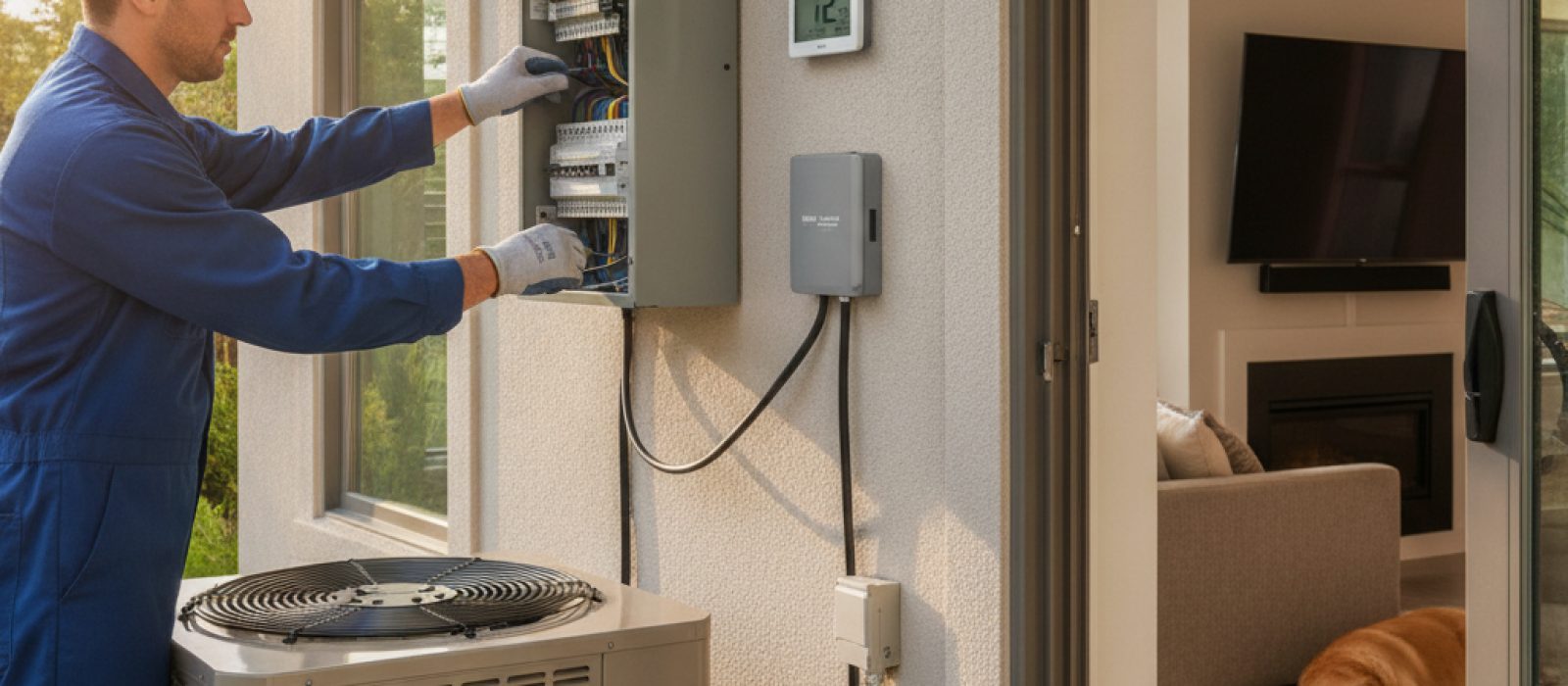
Learn how whole-house surge protectors safeguard sensitive HVAC equipment and home electronics from damaging power spikes and electrical surges.
Be the first to comment.