
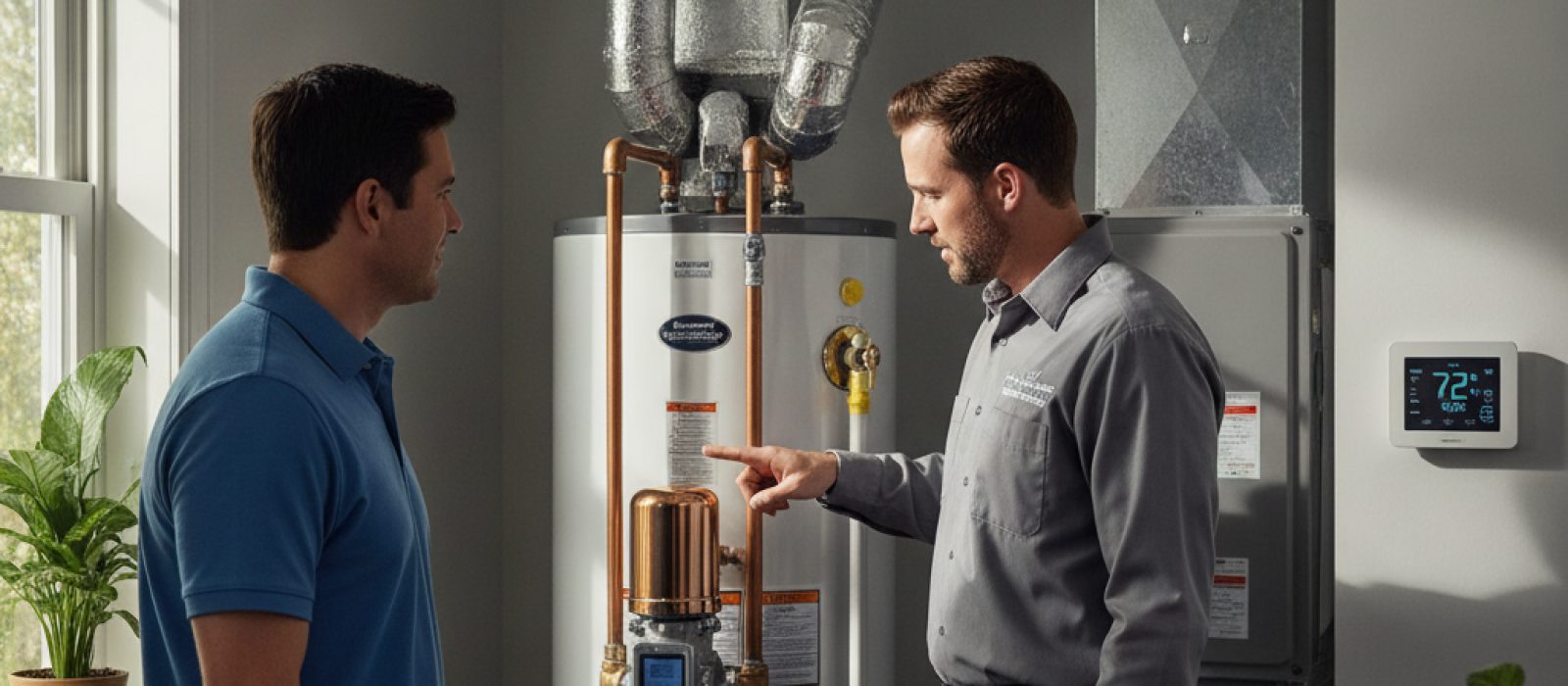
Hot Water Recirculating Pumps: How They Work and What They Cost
Learn how hot water recirculating pumps provide instant hot water, the different installation types, and the factors that influence overall project costs.
4 min read

Replacing a heating or cooling system is a significant investment that requires careful planning. While many homeowners wait until a catastrophic failure occurs, proactive replacement during specific off-peak windows can lead to better outcomes. Understanding the seasonal nature of the HVAC industry allows homeowners to leverage periods where demand is lower, which often results in more flexible scheduling and favorable project timing.
The ideal window for HVAC replacement typically falls during the shoulder seasons—spring and autumn. During these months, temperatures are generally moderate, meaning the immediate demand for heating or cooling is at its lowest point of the year. Because technicians are not occupied with emergency repairs during extreme weather events, companies can often dedicate more time to comprehensive consultations and meticulous installation processes.
Scheduling your project during these lulls avoids the peak-season rush. In mid-summer or deep winter, HVAC professionals are often stretched thin by high-priority emergency calls. By planning your installation when the weather is mild, you ensure your project receives the undivided attention of the crew, potentially leading to a smoother installation experience.
Before committing to a replacement, assess whether your current system is simply in need of Maintenance & Tune-up or if it has reached the end of its functional lifespan. Older systems that require frequent repairs often lose efficiency, leading to higher monthly utility bills. If you notice uneven heating or cooling throughout your home, it may be time to investigate Energy Efficient Solutions that offer better long-term performance.
Consider the age of your equipment alongside its recent performance history. If your unit is approaching the standard industry lifespan, replacing it before it fails completely allows you to research options without the pressure of an emergency decision. This phase is also the perfect time to have a professional evaluate your home’s existing infrastructure, such as checking for leaks or inefficiencies that might be addressed through Ductwork Services.
While seasonal demand influences availability, the total cost of an HVAC replacement varies by system and region. Several variables impact the final estimate beyond the time of year. These include the complexity of the installation, the efficiency rating of the new unit, and any necessary modifications to your home’s ductwork or electrical connections. It is important to request a detailed estimate that outlines the specific scope of work, including labor, equipment, and any required permits.
Be wary of unusually low quotes that seem too good to be true. Quality installation is just as important as the equipment itself. A poorly installed high-efficiency system will not perform as expected. Ensure your contractor is licensed and insured, and ask about the warranty coverage for both the equipment and the workmanship provided.
Once you have selected a system and a contractor, preparation is key to a successful installation day. Clear a path for the technicians to access the furnace, air handler, or outdoor unit. If your system is located in an attic or crawl space, ensure the area is accessible and free of stored items. For those focused on Indoor Air Quality, this is an excellent time to discuss adding air purification components to the new system, which can be integrated seamlessly during the installation process.
Homeowners should never attempt to disconnect gas lines, handle refrigerants, or modify electrical wiring themselves. These tasks involve significant risks, including fire, carbon monoxide exposure, and chemical hazards. Leave the technical aspects of the install to licensed professionals who follow local building codes and safety regulations. You can safely assist by ensuring the work area is clean and that pets or children are kept clear of the installation site during the hours technicians are moving heavy equipment.
Choosing to replace your system during the off-season is about more than just convenience; it is about maximizing the value of your investment. By avoiding the panic of an emergency replacement, you can make informed decisions about the features that best suit your home, such as smart thermostats or variable-speed motors. This proactive approach ensures that when the next extreme weather season arrives, your home remains comfortable, efficient, and reliable.
Finally, keep in mind that the best time to replace a system is often dictated by the specific needs of your household. If your current unit is costing more in repairs than it would cost to operate a new, high-efficiency model, the financial benefits of upgrading sooner rather than later may outweigh the advantages of waiting for a specific calendar month.
Learn how hot water recirculating pumps provide instant hot water, the different installation types, and the factors that influence overall project costs.
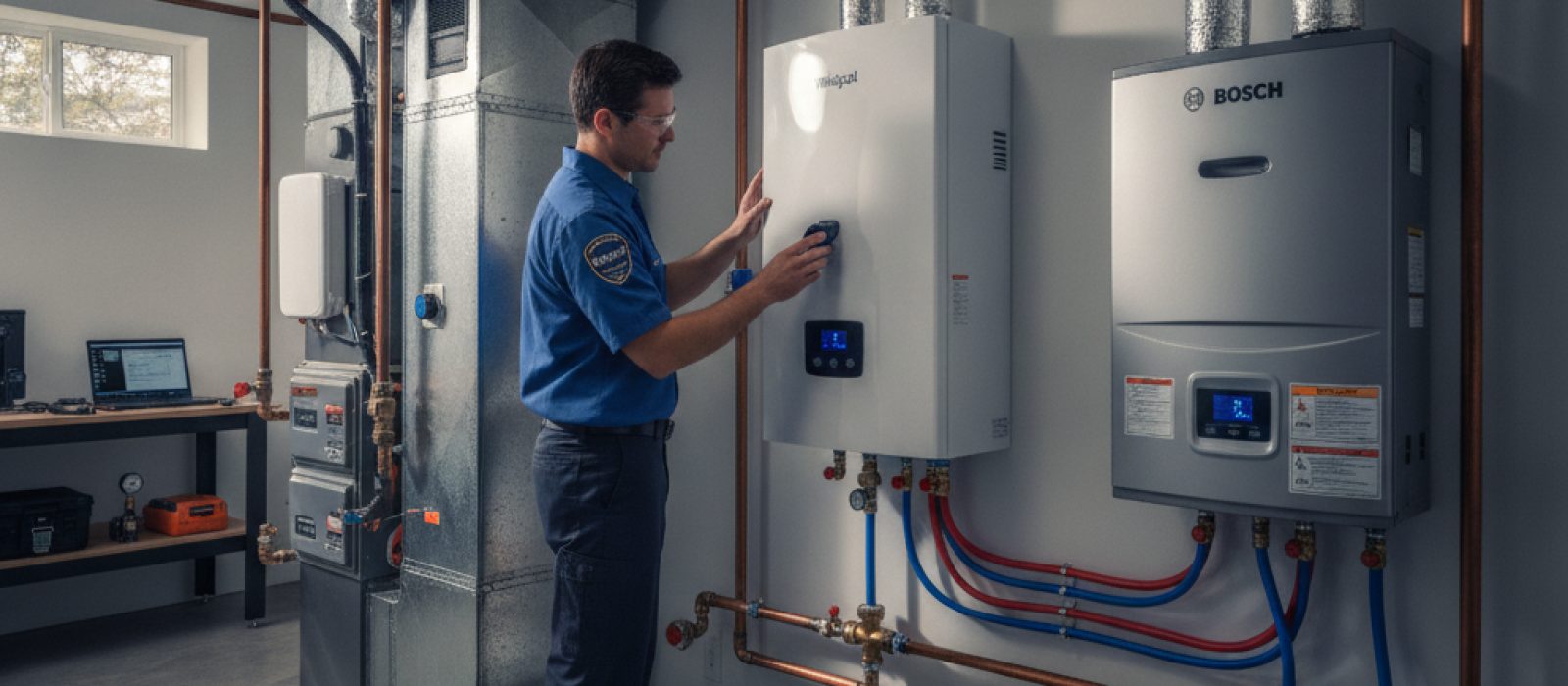
A practical guide to understanding the operational differences, maintenance needs, and common troubleshooting steps for Whirlpool and Bosch water heaters.
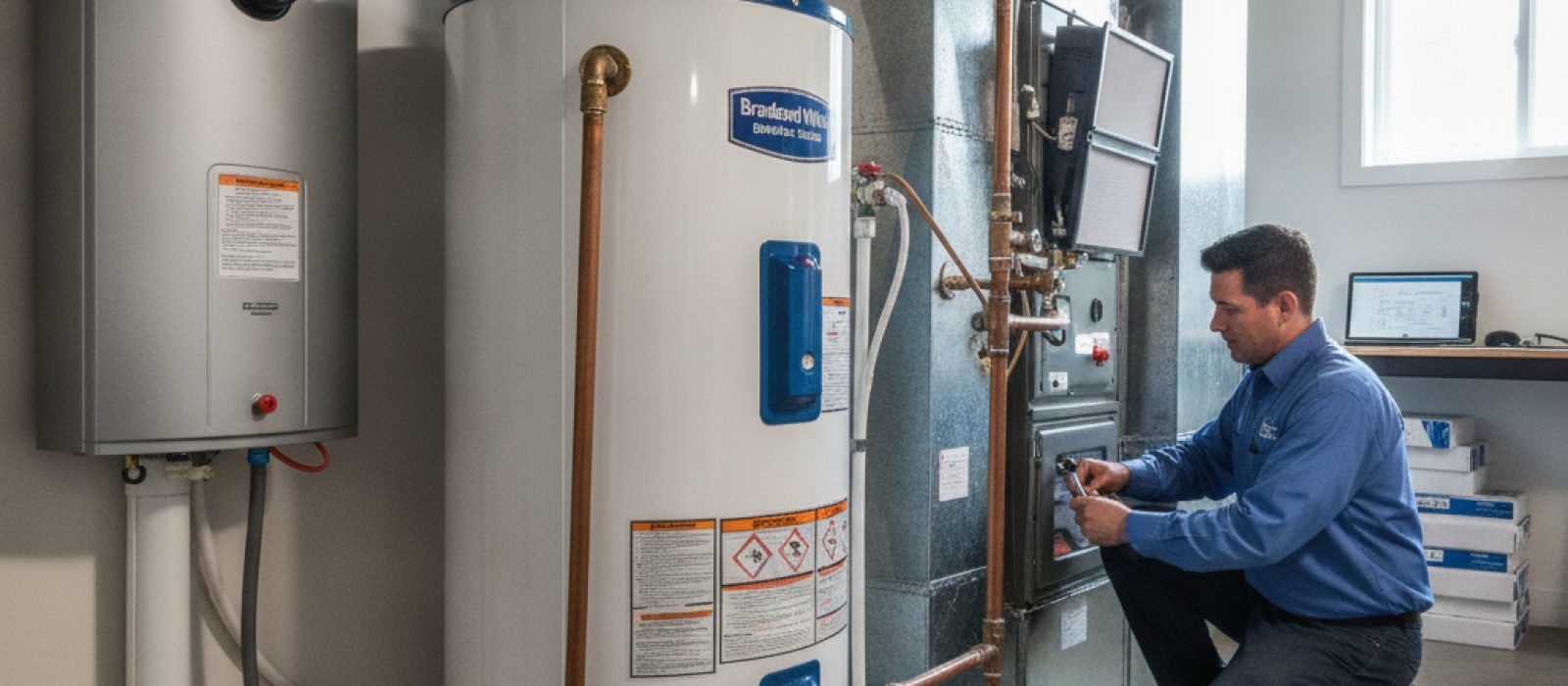
Learn how to choose between 40 and 75-gallon Bradford White water heaters and understand which model fits your home's hot water demands.
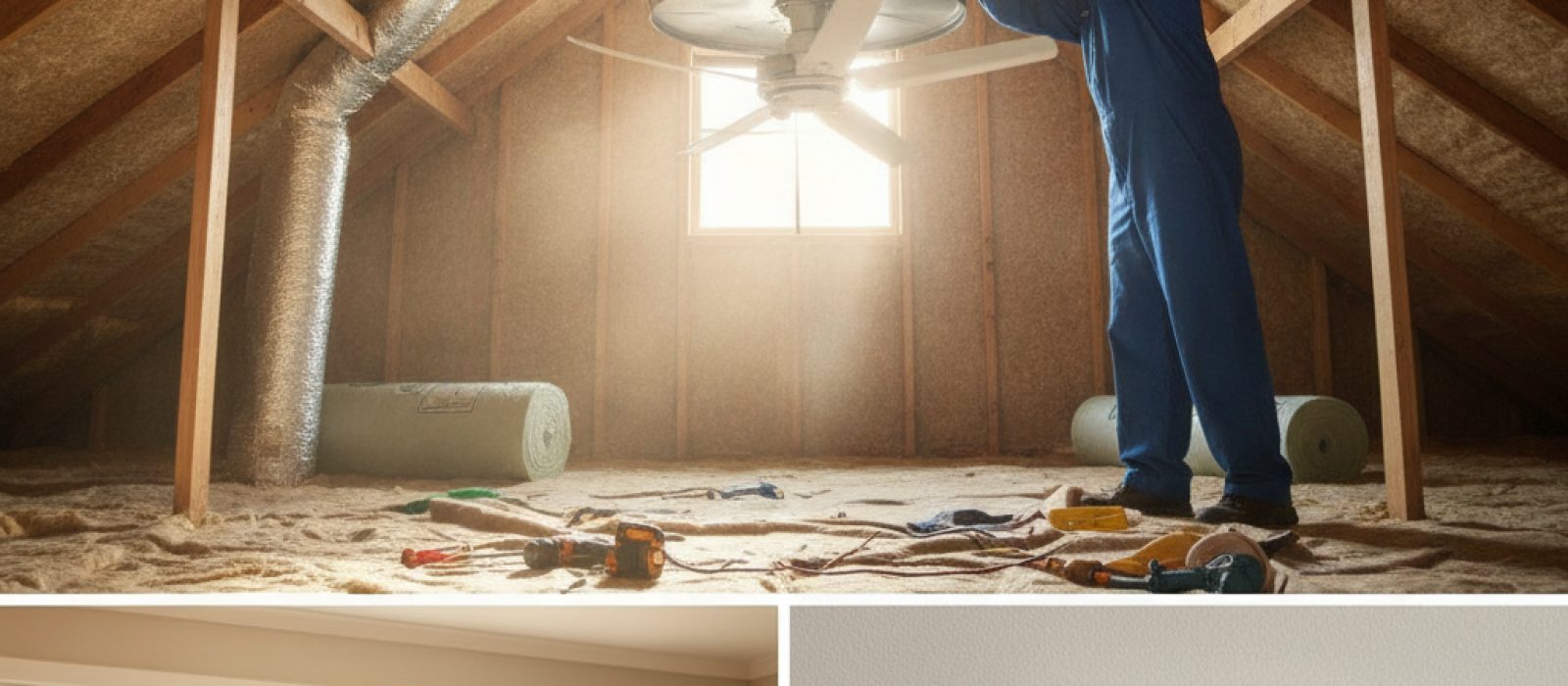
Learn how attic fans manage thermal buildup, the factors influencing installation costs, and the critical mistakes to avoid for a balanced home system.
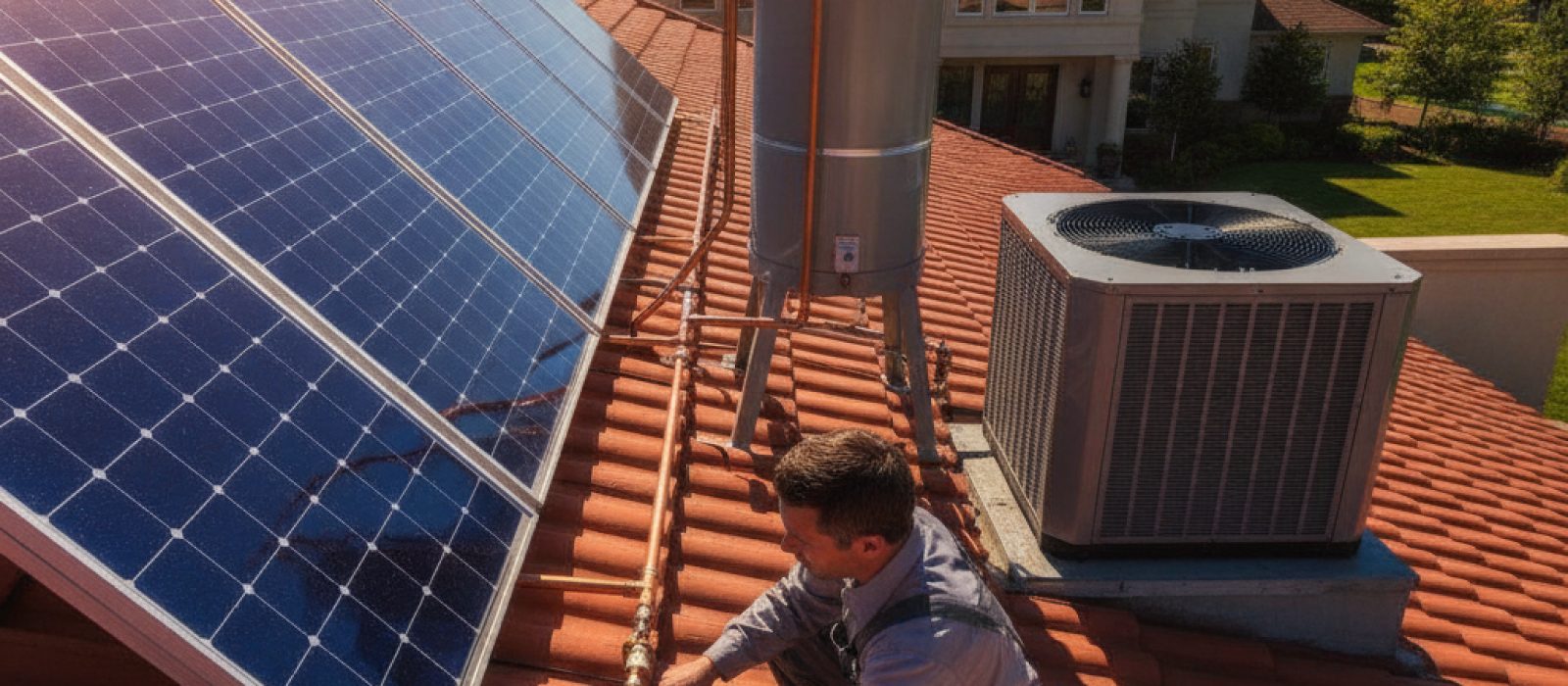
Understand the mechanics, efficiency benefits, and practical considerations of installing a solar-powered water heating system in your home.
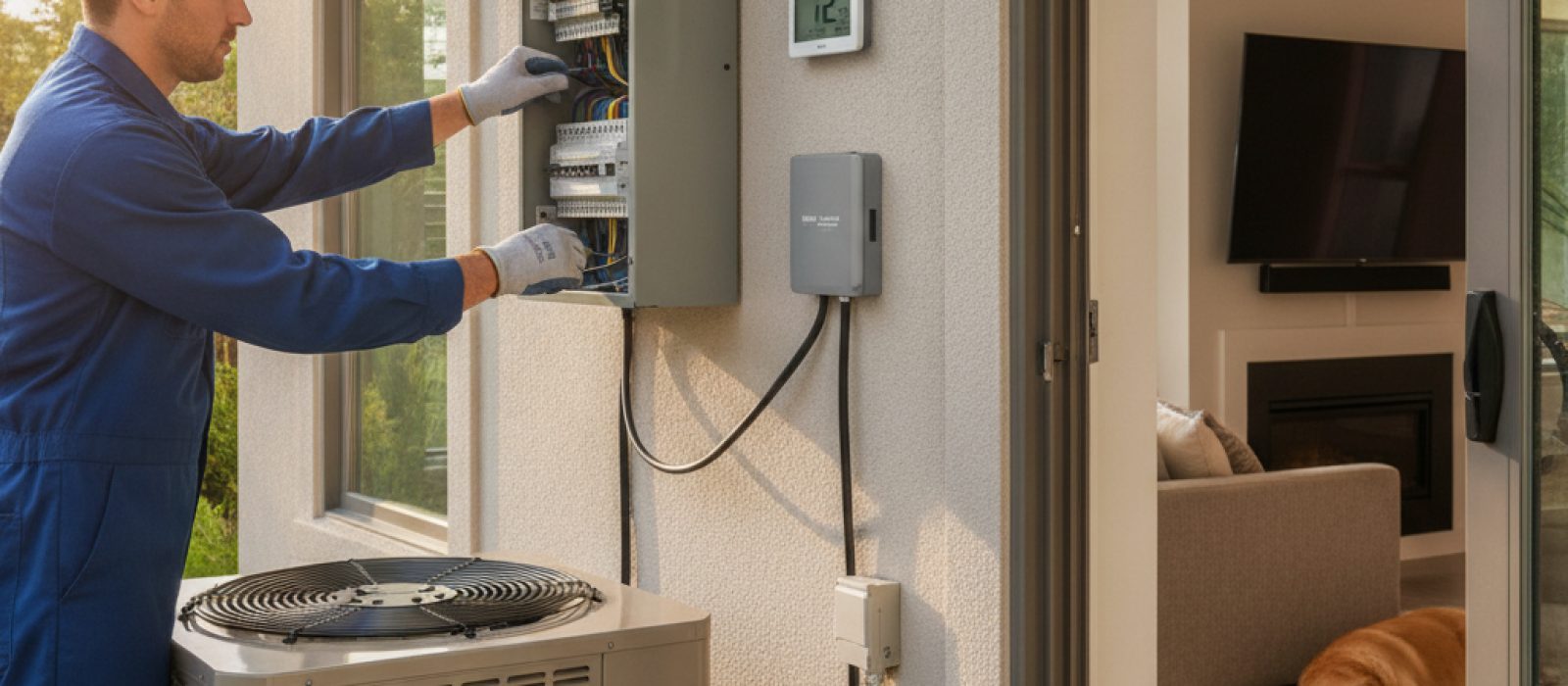
Learn how whole-house surge protectors safeguard sensitive HVAC equipment and home electronics from damaging power spikes and electrical surges.
Be the first to comment.