
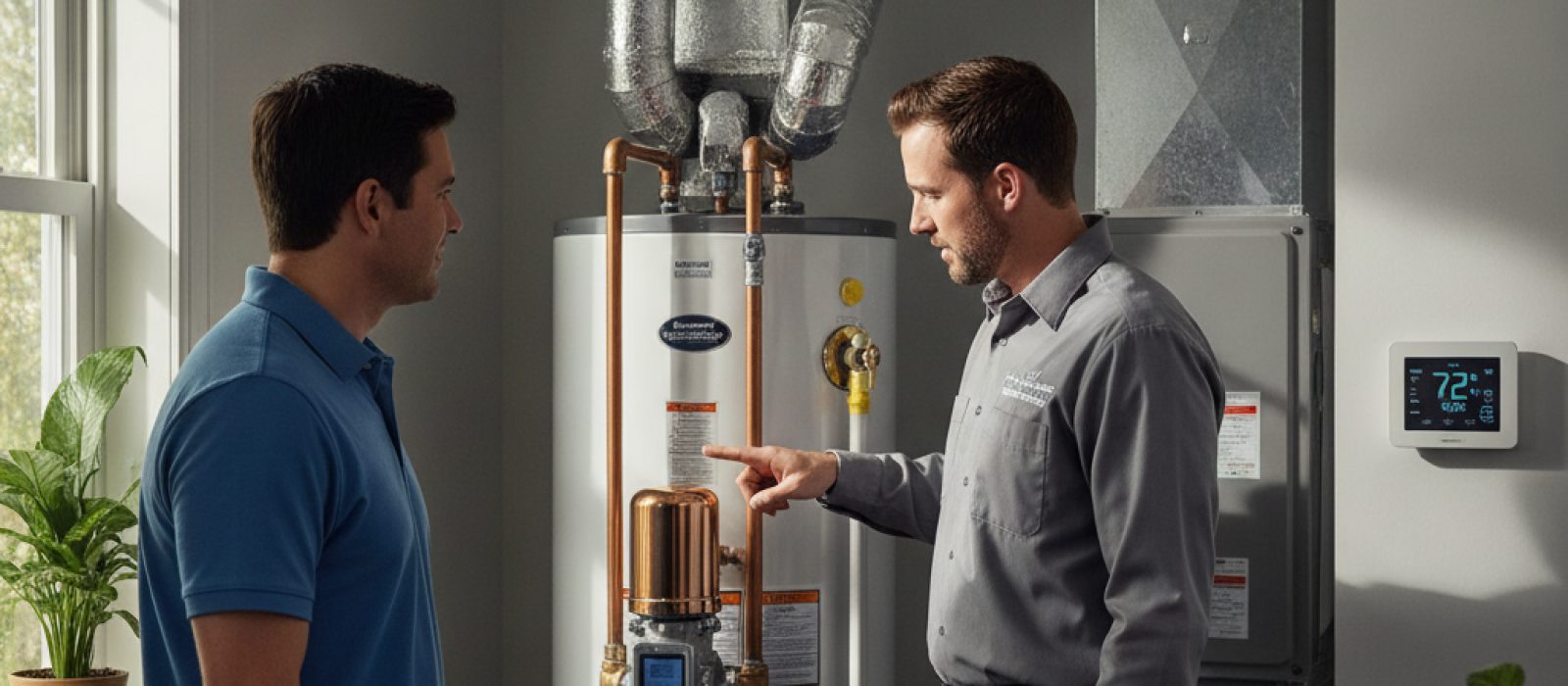
Hot Water Recirculating Pumps: How They Work and What They Cost
Learn how hot water recirculating pumps provide instant hot water, the different installation types, and the factors that influence overall project costs.
4 min read

Integrating solar energy with residential cooling systems requires a precise alignment between your home's thermal load and your photovoltaic array's output. Cooling systems, particularly during peak summer months, represent the largest portion of a home's electrical consumption. To size a solar system effectively, homeowners must first understand the peak demand of their cooling equipment rather than focusing solely on average monthly usage.
When planning this integration, it is essential to evaluate the efficiency of your current equipment. Older, less efficient units often have high startup amperage and sustained power draws that can overwhelm modest solar arrays. Before investing in additional panels, prioritize an expert assessment of your system's health. Professional Maintenance & Tune-up services can ensure your existing compressor and blower motors are operating at peak efficiency, which may reduce the total solar capacity required.
A cooling load calculation is the only reliable way to determine how much electricity your HVAC system truly needs. This process accounts for square footage, insulation levels, window orientation, and local climate patterns. Relying on past utility bills provides only a historical average, which is often insufficient for sizing a system that must handle extreme heat waves.
Consider the following factors when determining your load:
If your home consistently struggles to maintain temperature, even with a modern system, Ductwork Services may be required to address leaks or improper sizing that forces the unit to run longer than necessary, thereby increasing your solar energy requirements.
Heat pumps have become the gold standard for solar-integrated homes due to their dual-mode operation and high efficiency. Because heat pumps move heat rather than generating it through combustion, they are well-suited for inverter-driven technology that can throttle consumption based on solar availability. When a solar array is paired with a variable-speed heat pump, the system can often modulate its energy draw to match the real-time production of the panels.
For homeowners currently using fossil-fuel furnaces, transitioning to Heat Pumps provides a seamless path toward electrification. This transition allows the solar array to offset both cooling loads in the summer and heating loads in the shoulder seasons, maximizing the return on investment for the photovoltaic installation.
One of the most overlooked aspects of solar-HVAC integration is the LRA (Locked Rotor Amperage) or startup surge of the compressor. Even the most efficient air conditioning units require a significant spike in power to start the motor. If your solar inverter is not sized to handle this instantaneous demand, the system may trip or experience voltage instability.
Soft-start kits are often installed on the compressor to mitigate this surge. These devices gradually ramp up the motor speed, reducing the electrical stress on the solar array and the home's electrical panel. This is a critical step for homeowners who want to ensure their system remains operational during cloudy days or when operating exclusively on battery storage.
Before finalizing the size of your solar array, ensure that your home's overall energy profile is optimized. Investing in solar panels to power an inefficient, leaking HVAC system is an expensive workaround for a mechanical problem. It is more cost-effective to reduce the demand first.
Consider these energy-saving measures:
If you find that your energy bills remain high despite these efforts, contact a professional for Energy Efficient Solutions to conduct a comprehensive home energy audit. This evaluation will identify whether your HVAC system is the primary culprit or if other electrical inefficiencies are inflating your cooling costs.
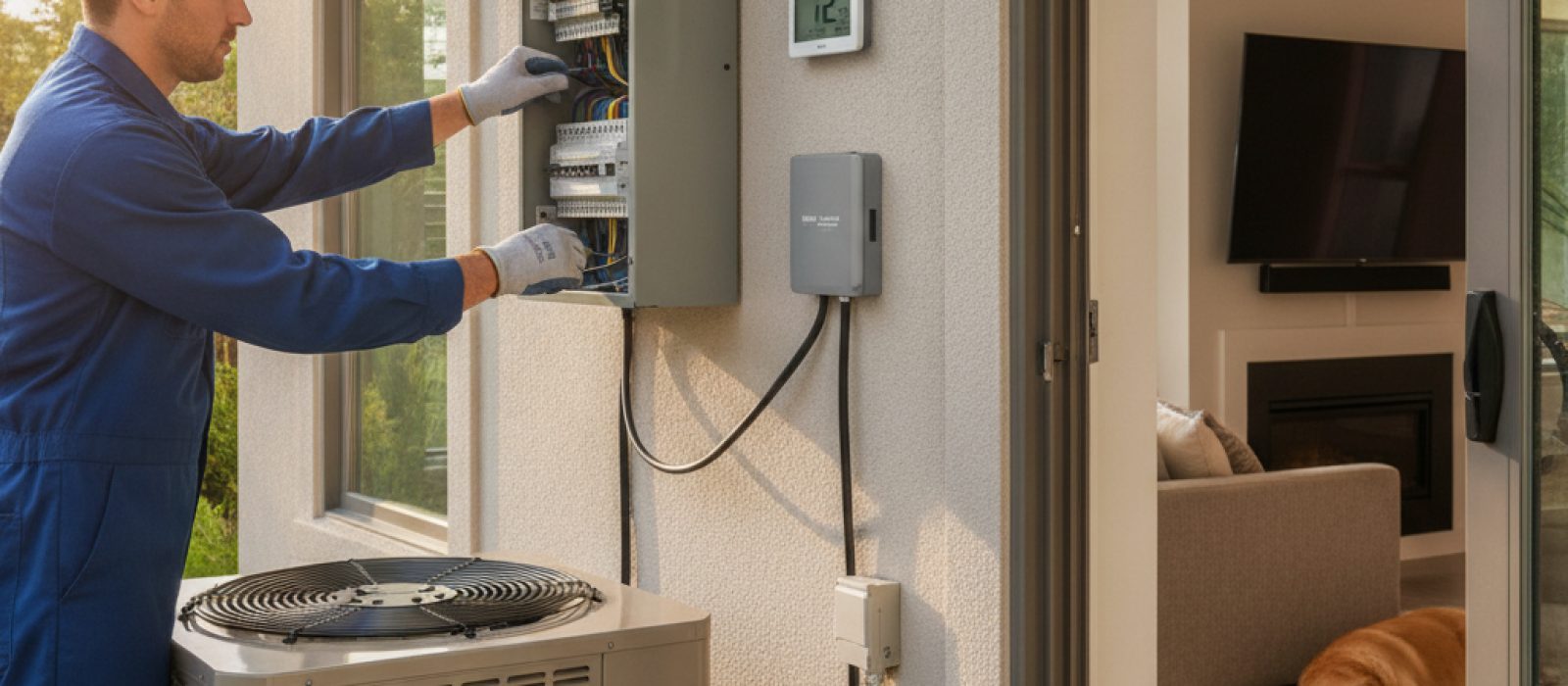
While homeowners can perform basic maintenance like changing filters, any modification to the electrical supply of an HVAC system or the integration of solar power must be handled by licensed professionals. High-voltage electrical work carries significant risks, and improper wiring can lead to equipment failure or fire hazards. Always coordinate with your solar installer and your HVAC technician to ensure that the electrical service panel is rated for the combined load of the solar array and the cooling system.
Learn how hot water recirculating pumps provide instant hot water, the different installation types, and the factors that influence overall project costs.
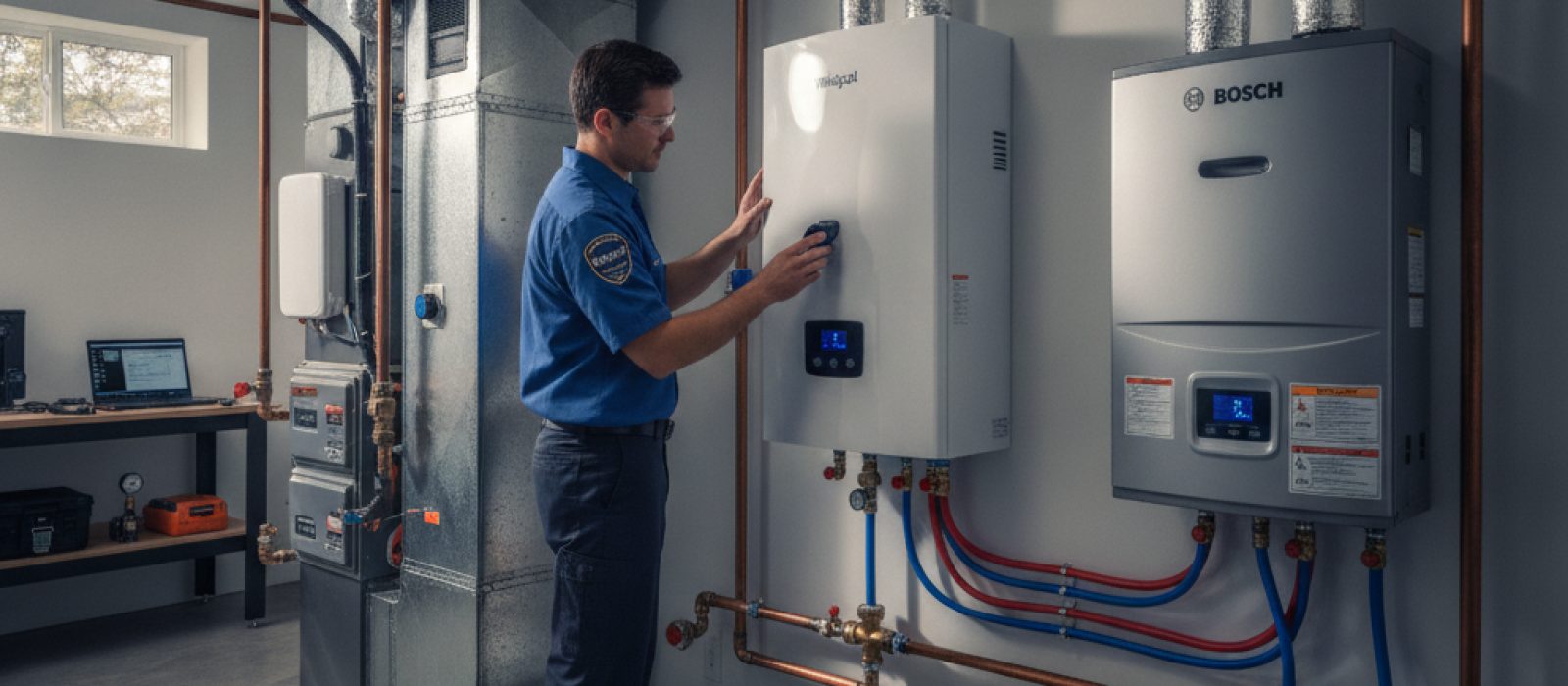
A practical guide to understanding the operational differences, maintenance needs, and common troubleshooting steps for Whirlpool and Bosch water heaters.
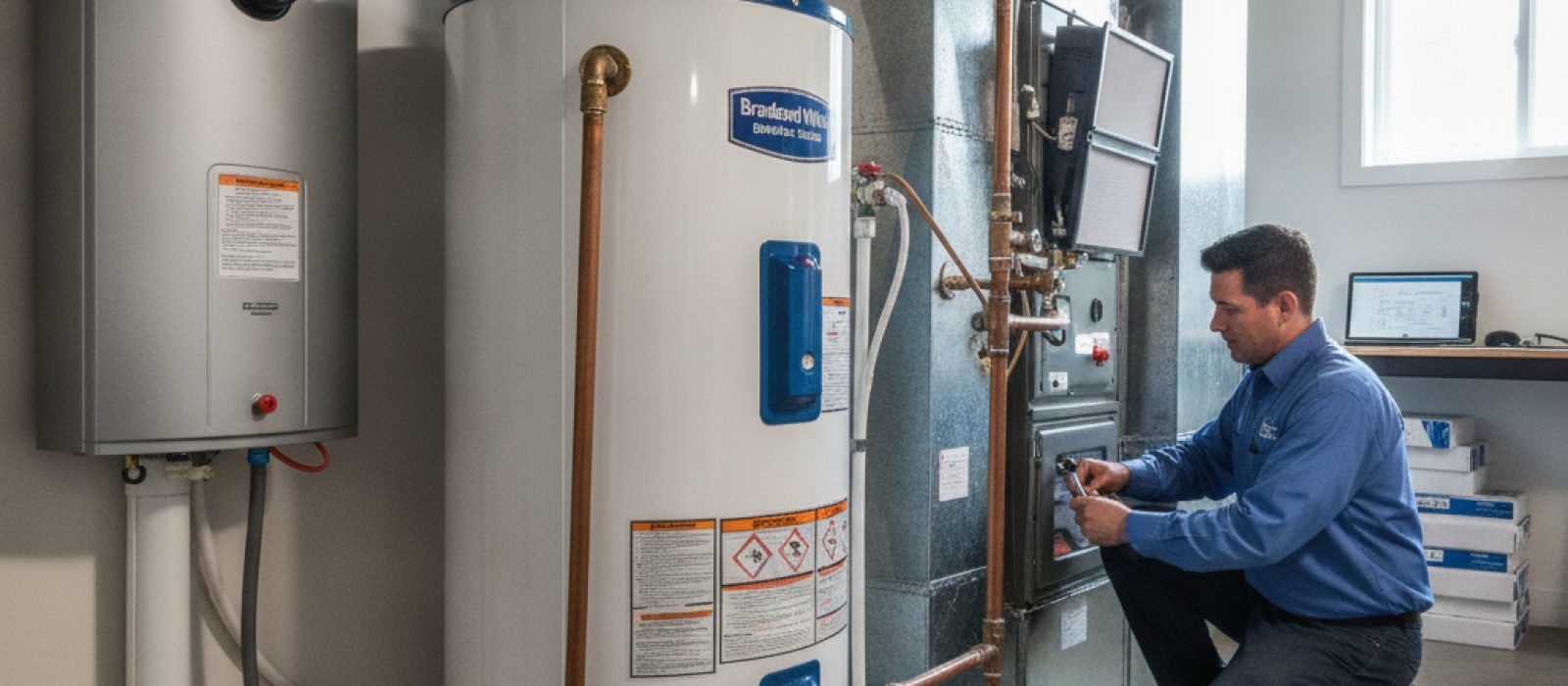
Learn how to choose between 40 and 75-gallon Bradford White water heaters and understand which model fits your home's hot water demands.

Learn how attic fans manage thermal buildup, the factors influencing installation costs, and the critical mistakes to avoid for a balanced home system.
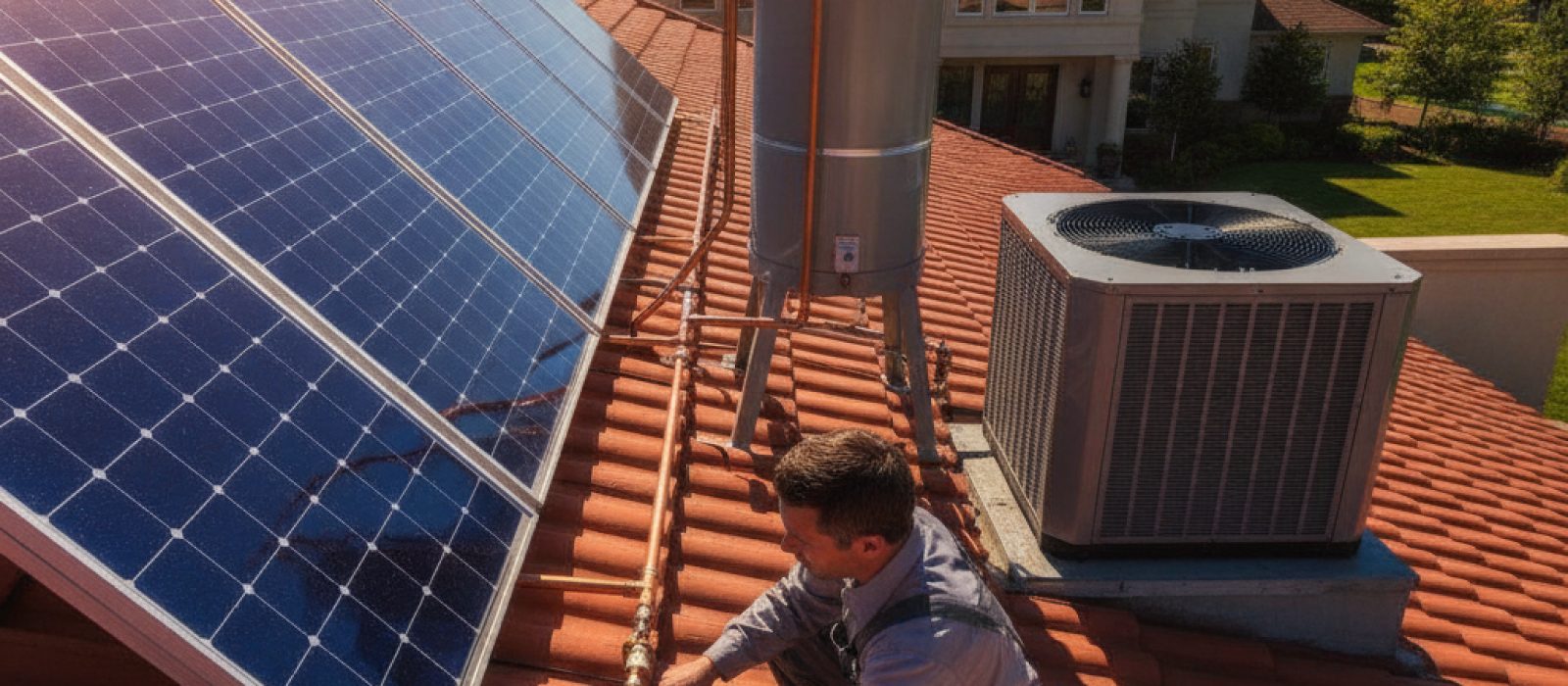
Understand the mechanics, efficiency benefits, and practical considerations of installing a solar-powered water heating system in your home.
Learn how whole-house surge protectors safeguard sensitive HVAC equipment and home electronics from damaging power spikes and electrical surges.
Be the first to comment.