
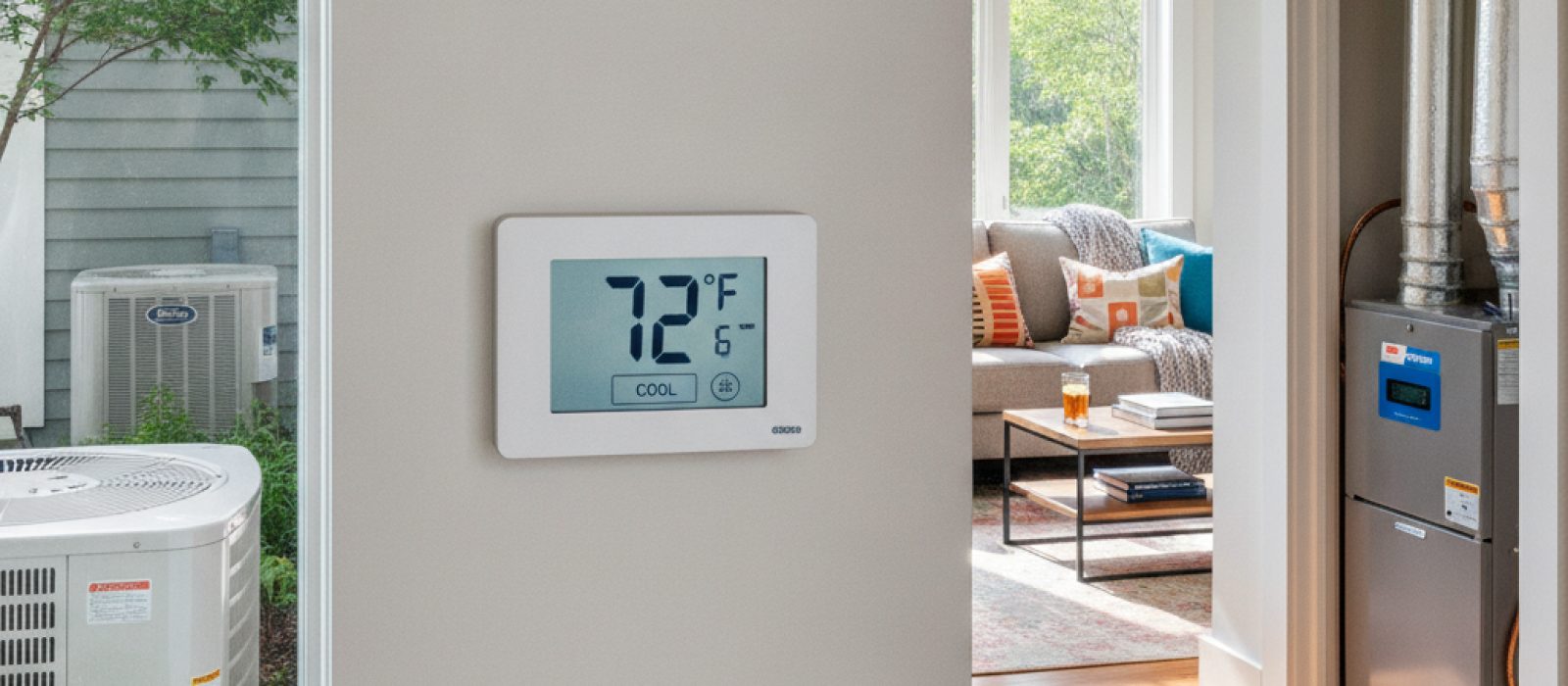
York, Ruud, Bryant and American Standard HVAC: Brand Overview
A guide to understanding the cooling technology and reliability of four major HVAC manufacturers for U.S. homeowners.
3 min read

Sunrooms act as solar collectors, trapping heat through expansive glass surfaces. Unlike standard living areas, these rooms experience rapid temperature fluctuations that overwhelm central HVAC systems. Effective cooling requires addressing the specific physics of solar gain, insulation limitations, and the unique airflow requirements of a glass-enclosed space.
Before installing new equipment, assess your current home cooling infrastructure. Many central air conditioning systems are sized specifically for the original thermal envelope of the house; adding a sunroom often exceeds the BTU capacity of the existing unit. If the room remains persistently warm, you may need professional AC Services to determine if your current system is undersized for the new square footage or if the ductwork requires modification.
Ductless mini-split systems are frequently the most practical solution for sunrooms. These systems deliver conditioned air directly into the space without requiring additional ductwork, which is often difficult to install in rooms with vaulted ceilings or high glass-to-wall ratios. A professional technician can mount the indoor unit discreetly, providing precise temperature control independent of the rest of the home.
Cooling is only half the battle; preventing heat from entering the room is equally critical. Solar heat gain occurs when infrared radiation from the sun passes through glass and warms the interior surfaces. Implementing passive barriers can significantly reduce the load on your cooling equipment.
Stagnant air in a sunroom contributes to a feeling of oppressive heat, even if the temperature is relatively controlled. Ceiling fans should be set to rotate in a counter-clockwise direction during summer months to create a wind-chill effect, which helps occupants feel cooler without needing to lower the thermostat setpoint further. If your sunroom has operable windows, opening them during cooler morning or evening hours can help flush out trapped heat.
Sunrooms are prone to high humidity levels, especially if they feature indoor plants or are located near a pool. Excess humidity makes temperatures feel higher and can lead to mold or mildew growth on window frames and furniture. Integrating Indoor Air Quality solutions, such as a localized dehumidifier, can make the room significantly more comfortable. Proper ventilation is essential to ensure that moisture does not accumulate in the corners of the room where air circulation is limited.
Because sunrooms are subjected to harsher environmental conditions—including intense UV exposure and potential debris accumulation—any cooling equipment installed there requires consistent Maintenance & Tune-up to remain efficient. Dust and pollen from screens can clog filters faster than in other rooms, reducing airflow and straining the compressor. Scheduling regular check-ups ensures that your system remains reliable during the peak of summer.
While homeowners can manage window treatments and small portable fans, major HVAC modifications should be left to licensed professionals. Handling refrigerants, modifying electrical circuits for new equipment, or altering structural wall components requires specialized knowledge and adherence to local building codes. If you are considering a permanent cooling installation, contact a contractor for an assessment to ensure the system is sized correctly and installed safely.
A guide to understanding the cooling technology and reliability of four major HVAC manufacturers for U.S. homeowners.
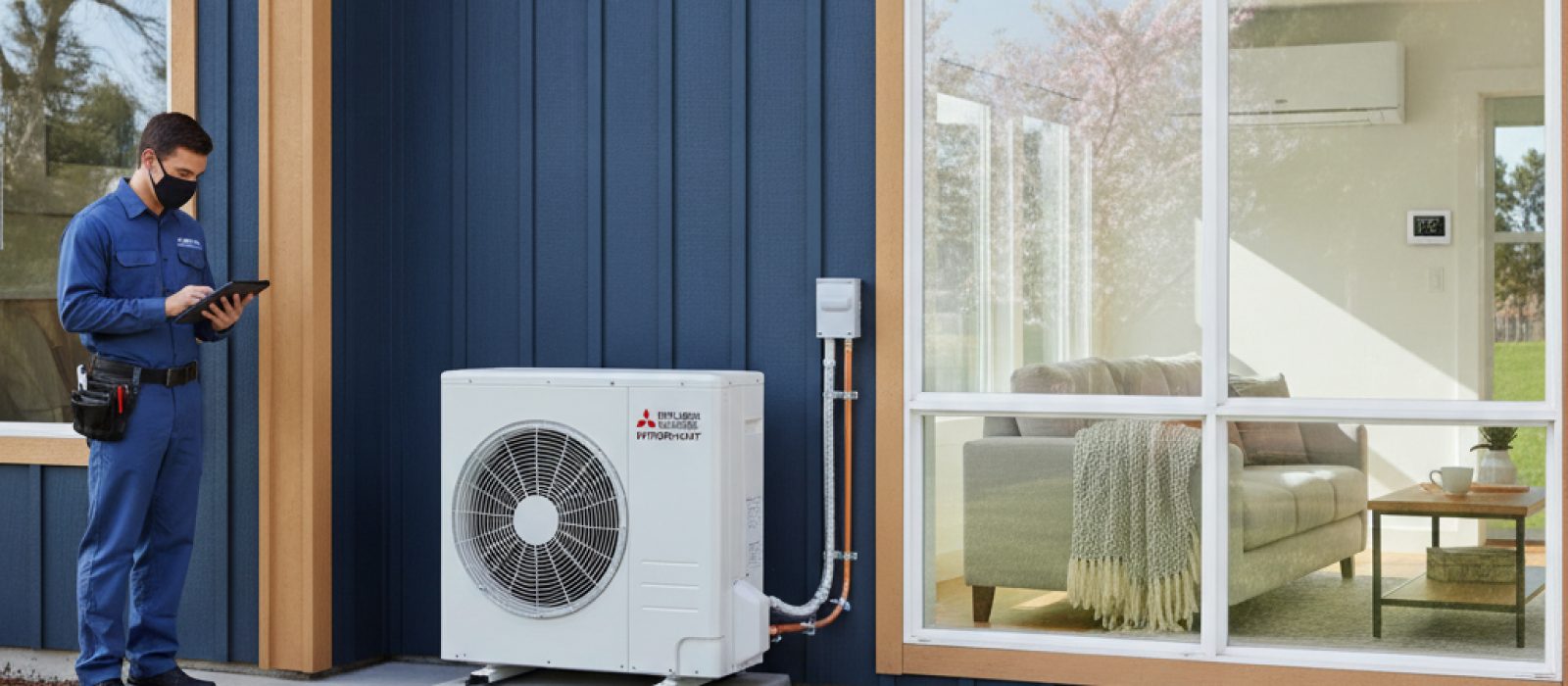
A comprehensive look at Mitsubishi mini-split technology and Hyper-Heat performance for year-round climate control in U.S. homes.
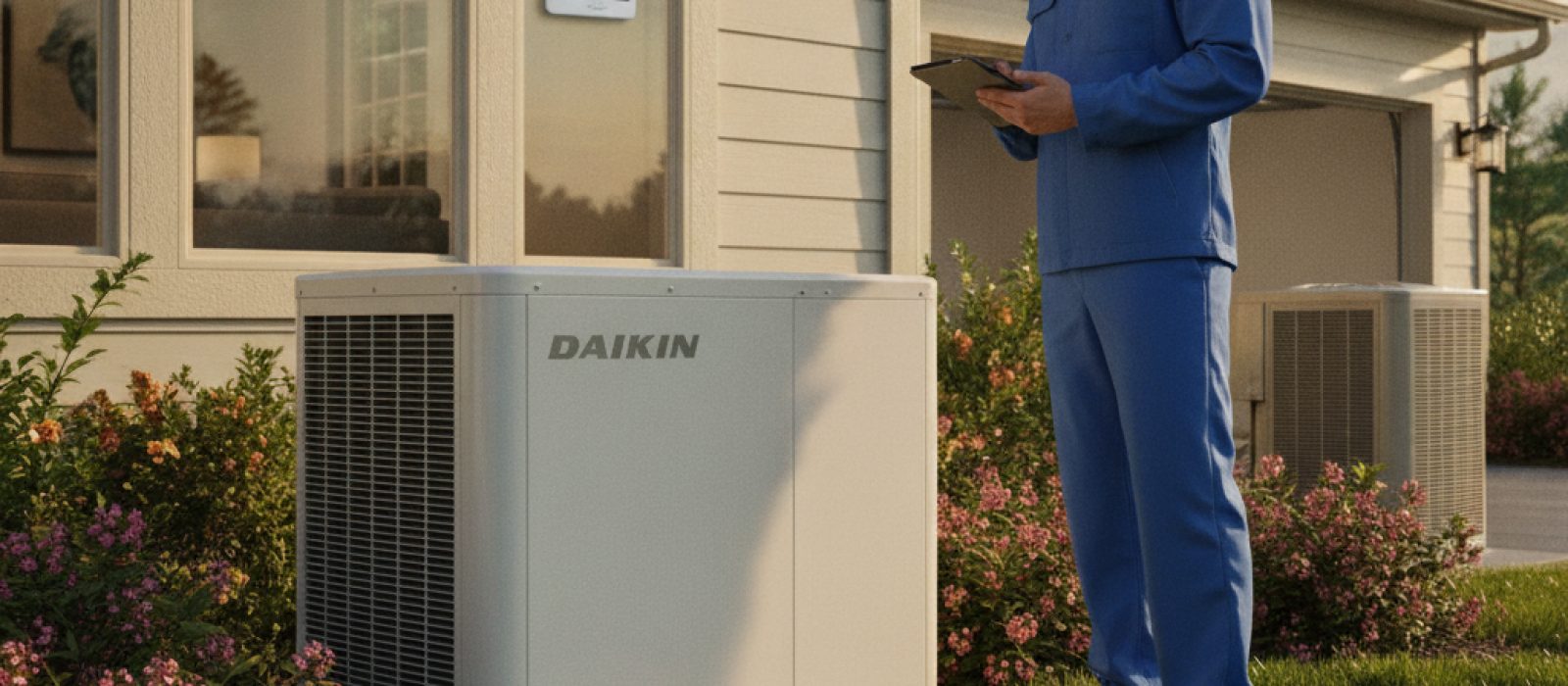
A comprehensive guide to understanding Daikin HVAC systems, including model tiers, standard maintenance requirements, and factory warranty coverage.
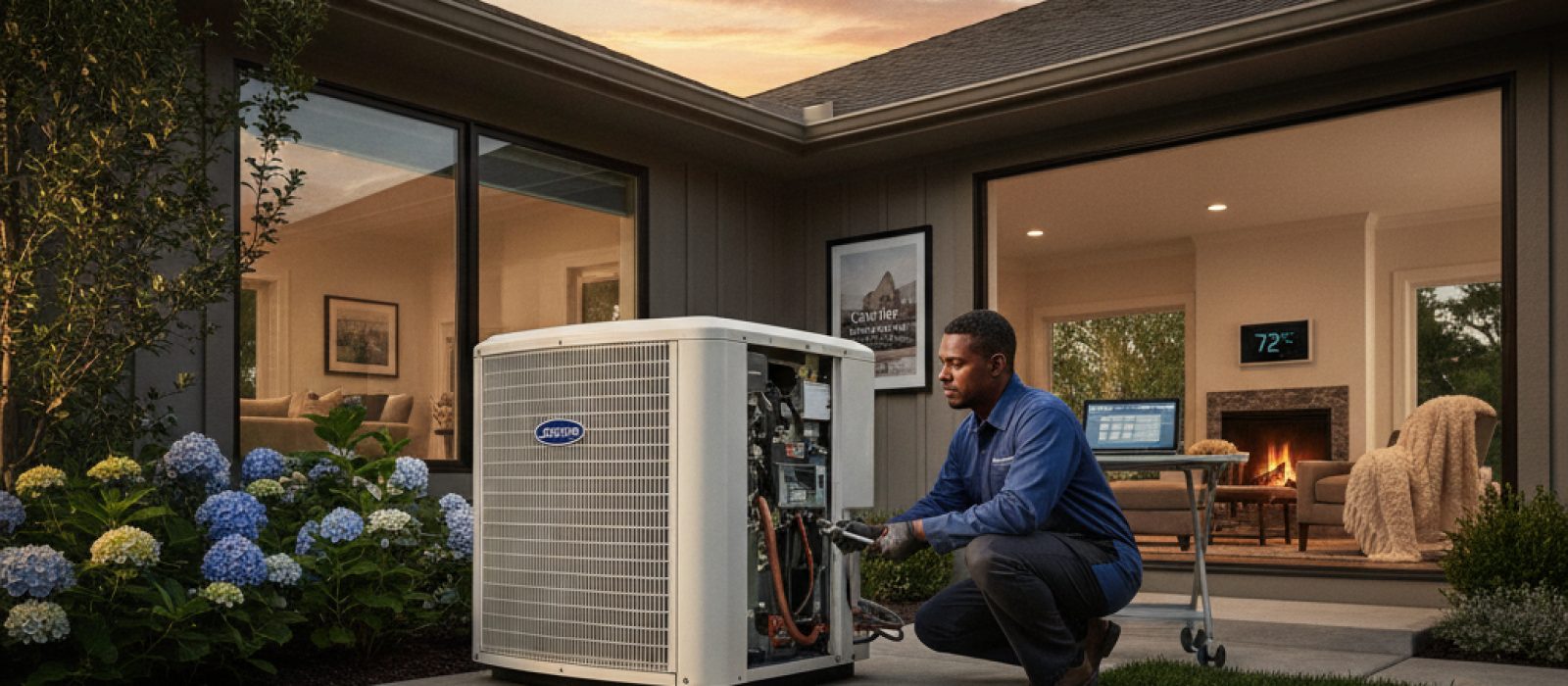
A comprehensive guide to understanding Carrier air conditioning systems, efficiency ratings, installation factors, and maintenance requirements.
An objective look at Goodman HVAC systems, covering performance, longevity, and what homeowners should know before choosing a budget-friendly cooling solution.
A guide to understanding Trane residential cooling systems, including component integration and maintenance requirements for homeowners.
Be the first to comment.