
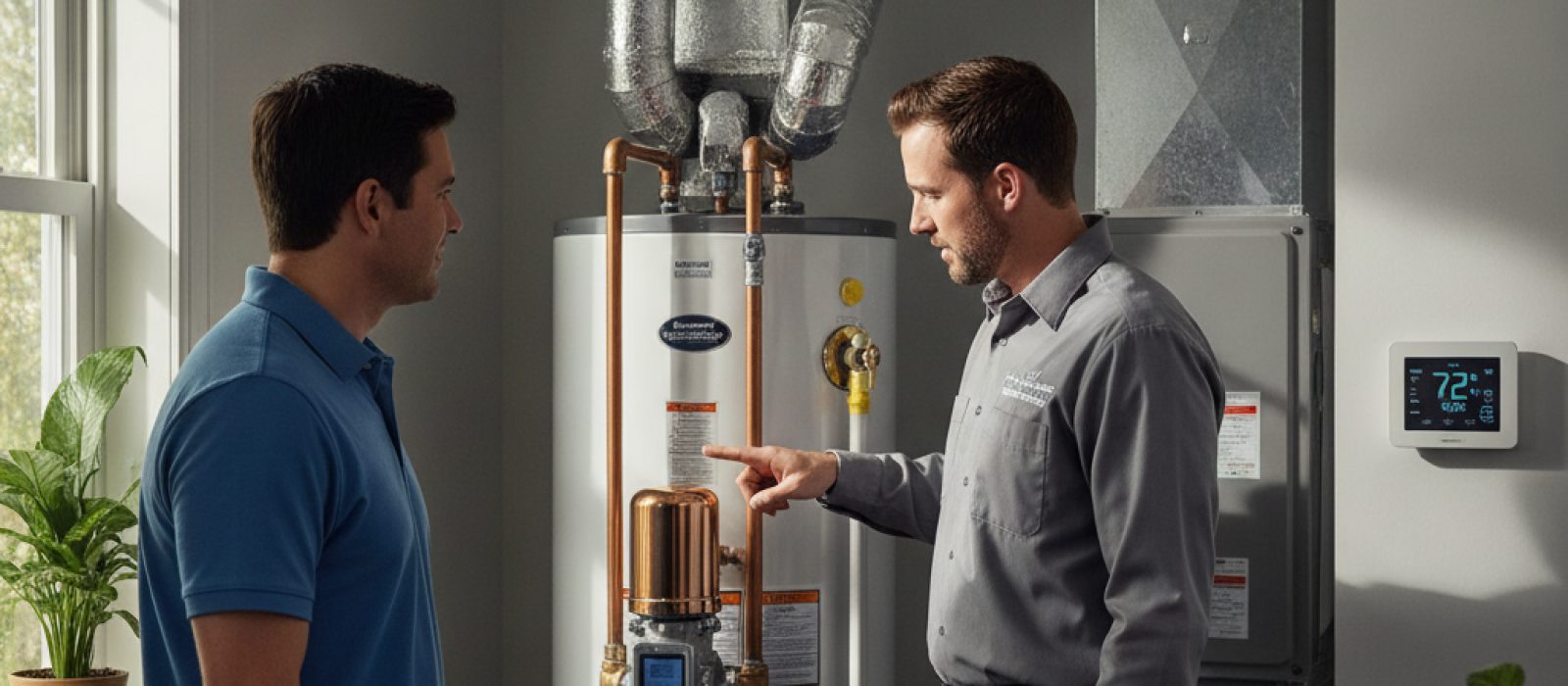
Hot Water Recirculating Pumps: How They Work and What They Cost
Learn how hot water recirculating pumps provide instant hot water, the different installation types, and the factors that influence overall project costs.
4 min read

Time-of-use (TOU) electricity pricing shifts the cost of energy based on the time of day and the overall demand on the power grid. During peak hours, when the grid experiences the highest load, electricity rates are typically at their highest. During off-peak hours, when demand is lower, rates decrease significantly. Understanding these windows is the first step toward lowering utility bills without sacrificing comfort.
Utility providers set these schedules based on seasonal demand, often dividing the day into on-peak, mid-peak, and off-peak periods. Because heating and cooling systems are often the largest consumers of electricity in a residential home, aligning their operation with off-peak hours allows homeowners to manage expenses effectively. This strategy requires a shift from traditional 'set-it-and-forget-it' thermostat habits to a more proactive approach.
One of the most effective ways to leverage TOU rates is through thermal storage, often referred to as pre-cooling or pre-heating. By running your HVAC system to reach a slightly more aggressive temperature setting just before the peak rate window begins, you can coast through the expensive period with minimal equipment usage.
For example, if peak rates begin at 4:00 PM, adjust the thermostat to cool the home a few degrees lower than your comfort target at 3:00 PM. Once the peak rate kicks in, you can increase the setpoint, allowing the home to slowly warm up while the system remains idle. The thermal mass of the home's structure and contents acts as a temporary battery, holding the temperature within a comfortable range for several hours.
Modern Thermostat Services provide the automation necessary to handle complex TOU schedules. A smart or programmable thermostat can be configured to automatically trigger these pre-cooling cycles and adjust setpoints based on the utility company’s specific rate calendar.
When configuring these schedules, consider the following factors:
If your HVAC system is aging or inefficient, it may struggle to maintain temperatures during these shifted schedules. Investing in Energy Efficient Solutions, such as high-SEER rated equipment or variable-speed blowers, can make a significant difference. Variable-speed systems are particularly effective under TOU plans because they can run at lower, more efficient capacities for longer periods rather than cycling on and off at full blast.
Additionally, ensure your home's envelope is performing correctly. Proper insulation and sealing prevent the conditioned air from escaping, which is critical when you are relying on the building's thermal mass to carry you through peak rate hours. If your home has significant air leaks, the benefits of scheduling your HVAC will be muted.
Scheduling your system to run during specific windows puts a different set of demands on your equipment. Regular Maintenance and Tune-up visits are essential to ensure the system can handle these shifts without failure. A system that is low on refrigerant or clogged with debris will consume more electricity regardless of the rate plan, potentially leading to higher costs and premature component failure.
During a professional check-up, ask a technician to verify the system’s performance under various load conditions. They can assess whether your current equipment is capable of the ramp-up periods required for effective TOU strategies and identify any electrical components that may be prone to strain.
TOU rates are not static; they often change between summer and winter seasons. Review your utility provider's rate schedule at least twice a year to ensure your thermostat programming remains accurate. If you notice your energy bills are not decreasing as expected, check for 'override' events where a family member may have manually adjusted the temperature during a peak period, effectively overriding your programmed savings.
Keep in mind that comfort remains the priority. If a specific schedule leads to an environment that is too hot or too cold, adjust the parameters. The goal of TOU management is to achieve a balance between economic efficiency and a healthy, comfortable living environment. If you continue to struggle with high usage, consider consulting a professional regarding your home's overall electrical load management.
Learn how hot water recirculating pumps provide instant hot water, the different installation types, and the factors that influence overall project costs.
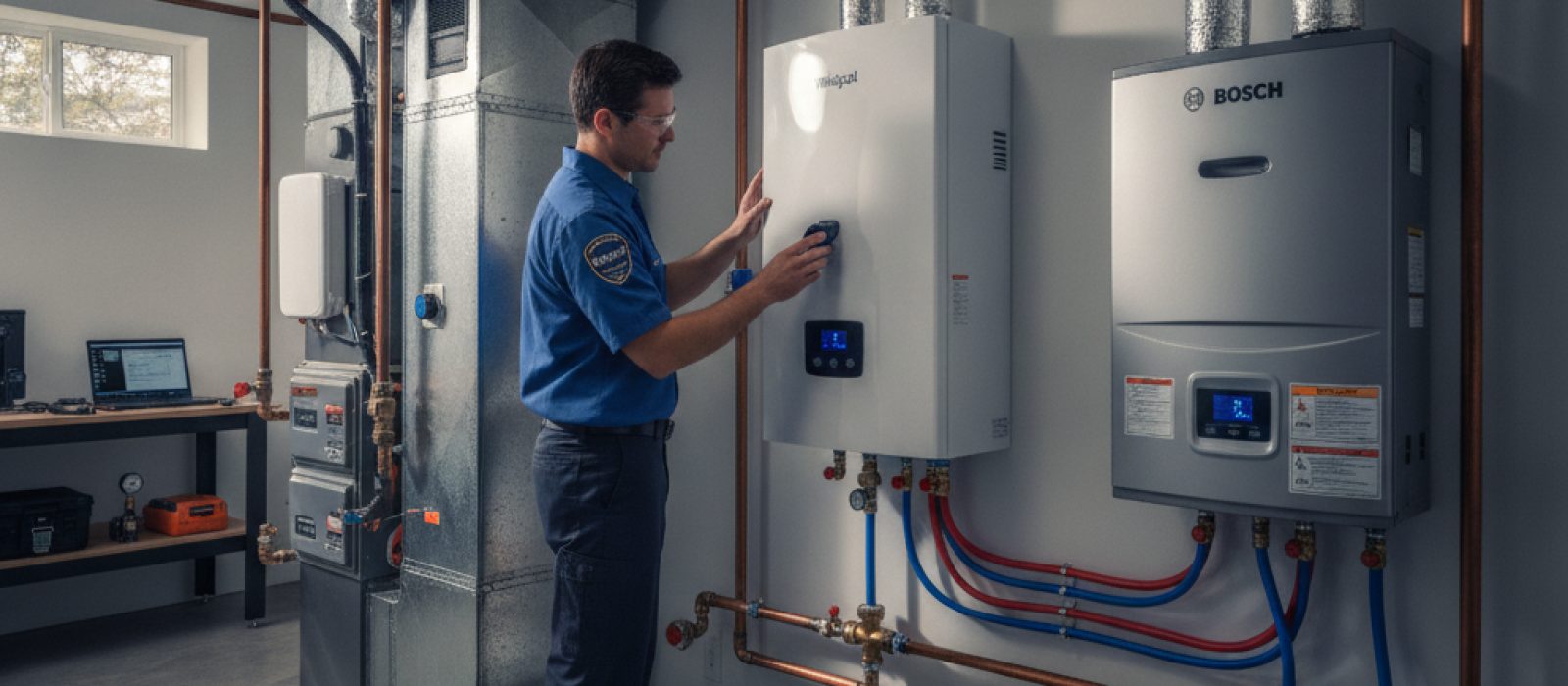
A practical guide to understanding the operational differences, maintenance needs, and common troubleshooting steps for Whirlpool and Bosch water heaters.
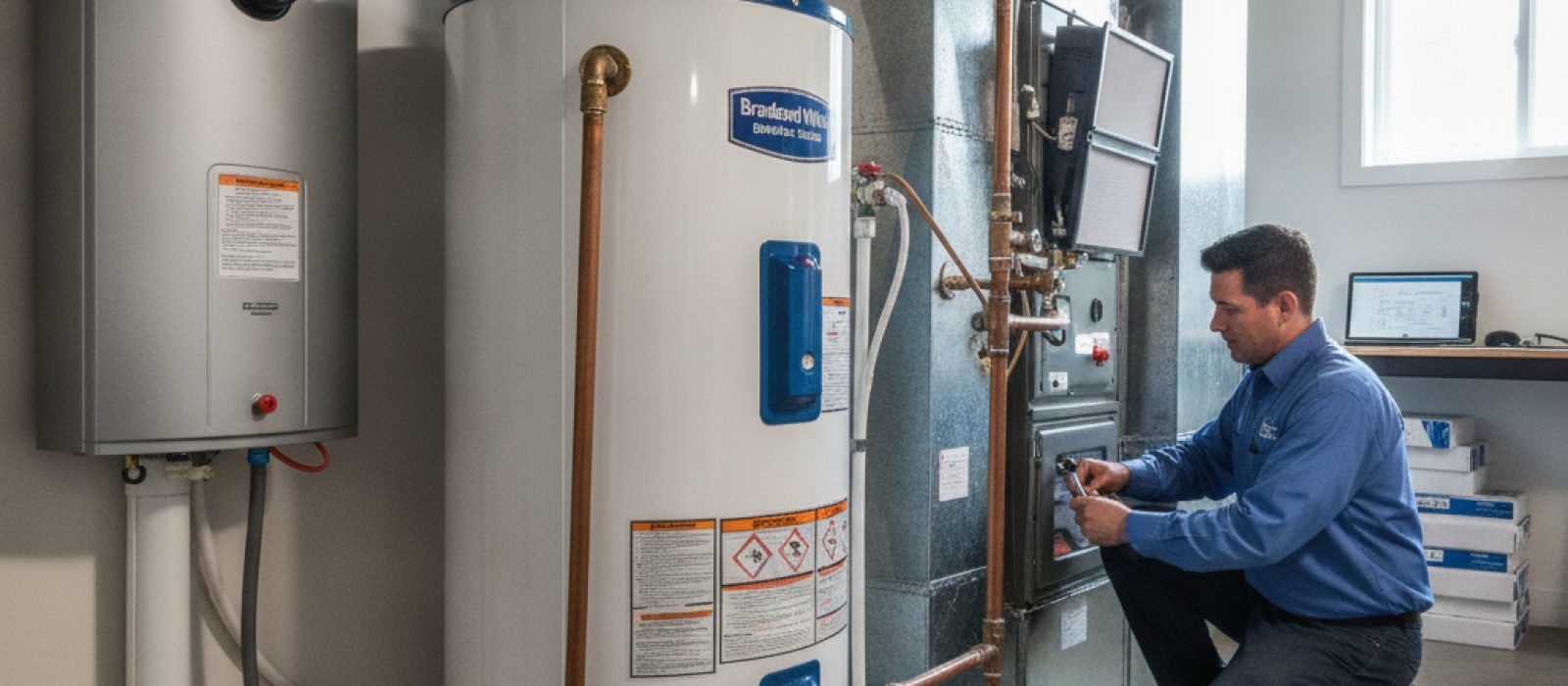
Learn how to choose between 40 and 75-gallon Bradford White water heaters and understand which model fits your home's hot water demands.

Learn how attic fans manage thermal buildup, the factors influencing installation costs, and the critical mistakes to avoid for a balanced home system.
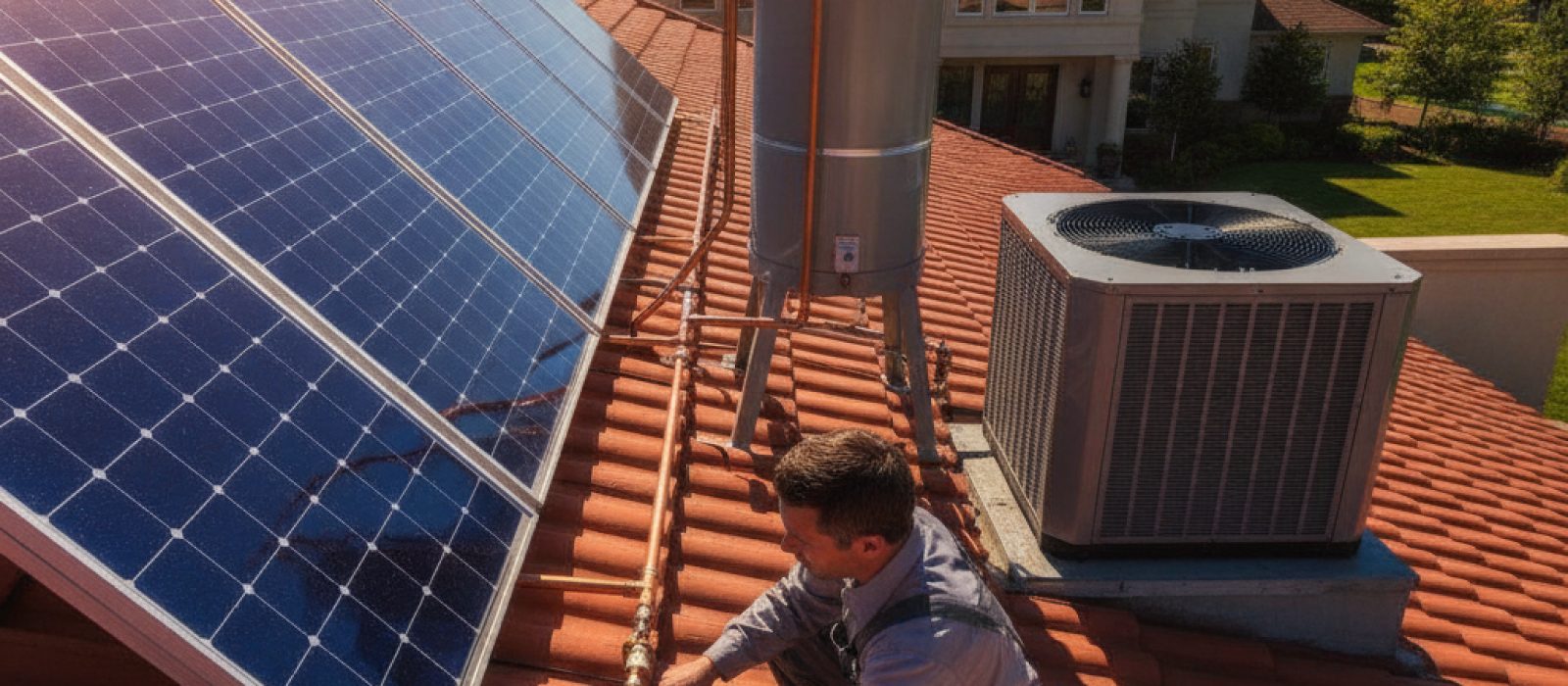
Understand the mechanics, efficiency benefits, and practical considerations of installing a solar-powered water heating system in your home.
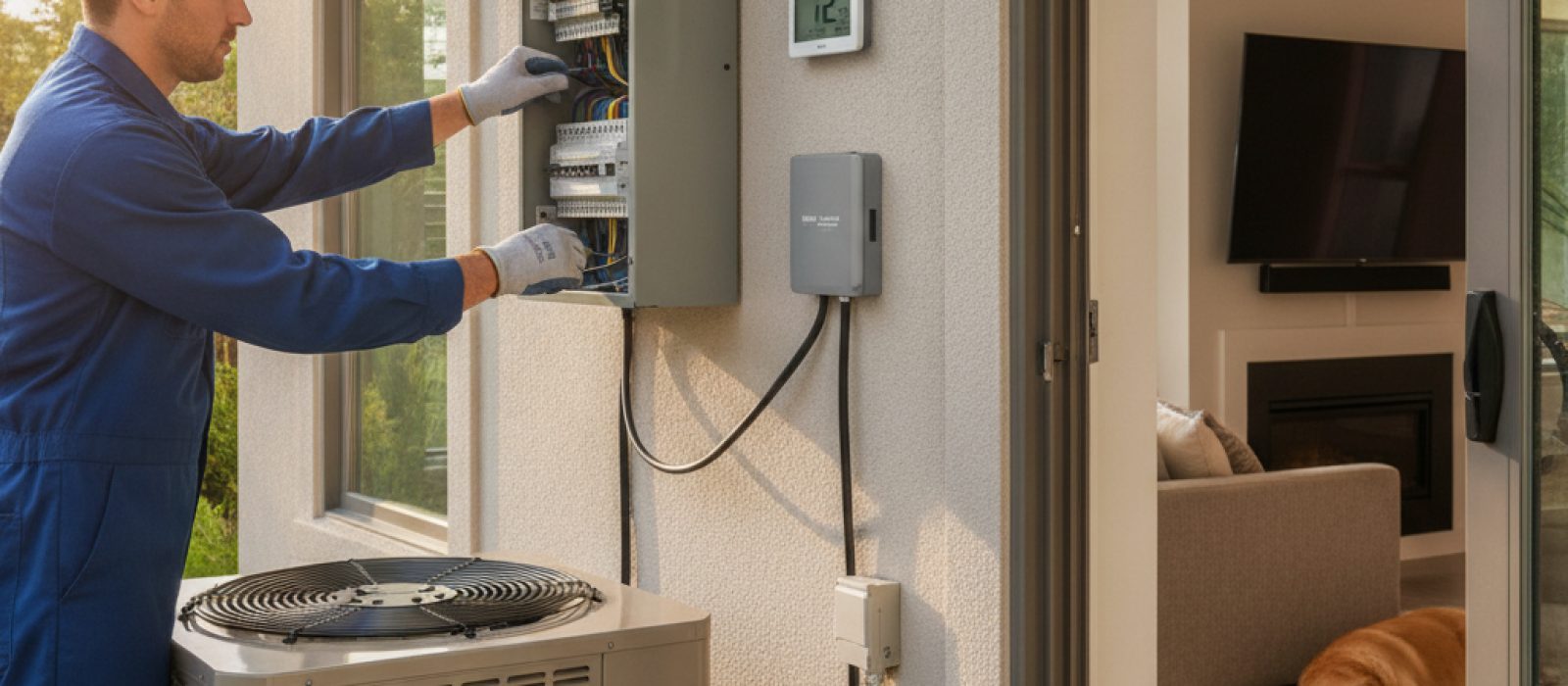
Learn how whole-house surge protectors safeguard sensitive HVAC equipment and home electronics from damaging power spikes and electrical surges.
Be the first to comment.