
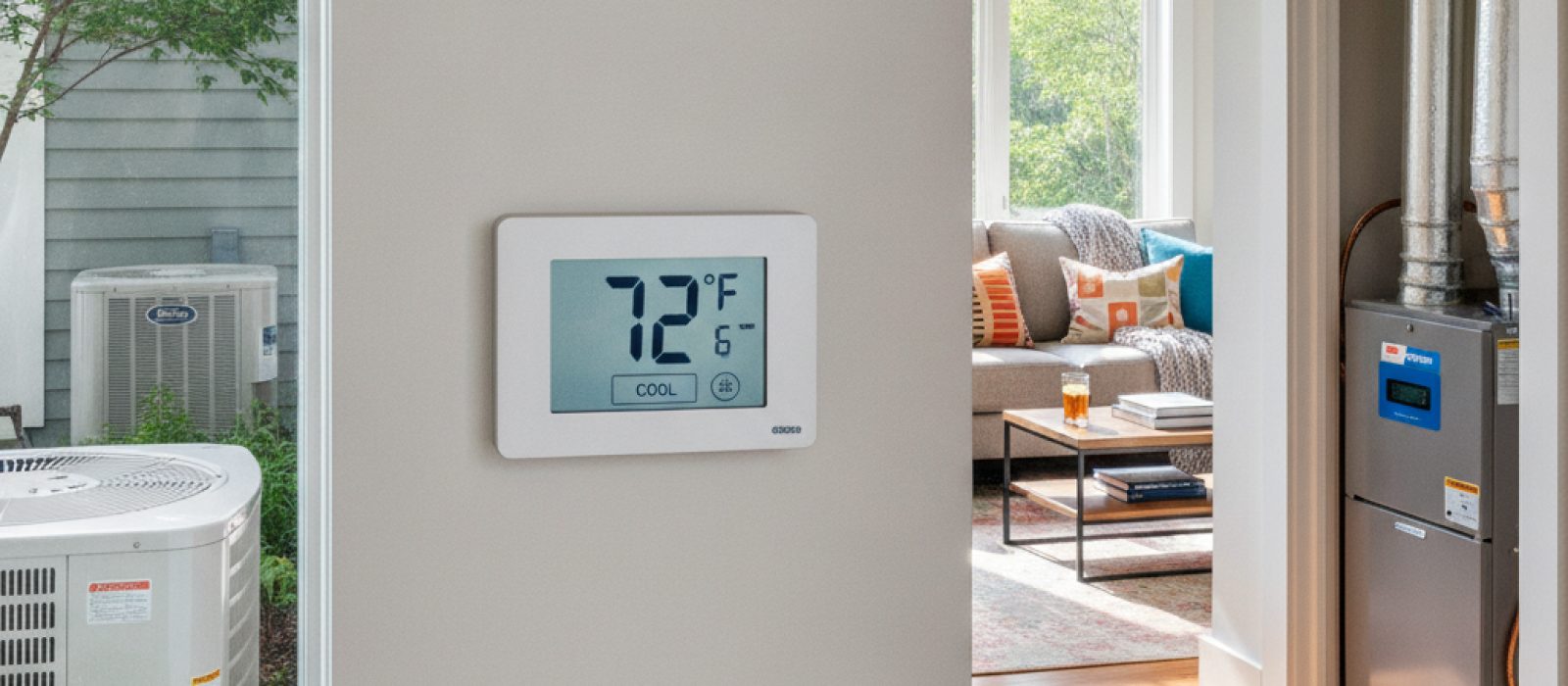
York, Ruud, Bryant and American Standard HVAC: Brand Overview
A guide to understanding the cooling technology and reliability of four major HVAC manufacturers for U.S. homeowners.
3 min read

In two-story homes, the upstairs is naturally prone to higher temperatures during the summer months due to the fundamental behavior of air. Warm air is less dense than cool air, causing it to rise and accumulate near the ceiling of the upper level. This phenomenon, known as thermal stratification, is exacerbated by solar heat gain through roof surfaces and windows that face the sun throughout the day.
While your air conditioning system is designed to circulate air throughout the entire structure, the physical layout of a home often presents obstacles that the equipment cannot overcome on its own. Understanding these limitations is the first step in diagnosing why your thermostat may report a comfortable temperature downstairs while the upstairs remains stifling.
The primary delivery system for your cooled air is the ductwork. In many older or poorly designed homes, the duct runs leading to the second story are longer, more convoluted, or smaller in diameter than those serving the main level. This results in higher static pressure and reduced airflow reaching the upper floor registers.
If you notice weak airflow from upstairs vents, it may be time to consult professionals for Ductwork Services. They can assess whether your ducts are undersized, leaking, or pinched, which prevents the proper volume of cooled air from reaching the bedrooms. Sealing leaks at the joints and connections can significantly improve the efficiency of your cooling delivery.
Your attic acts as a heat sink. If the insulation between your attic floor and the ceiling of your second floor is inadequate, heat will constantly transfer downward. Furthermore, windows act as portals for radiant heat. South- and west-facing windows can turn a bedroom into a greenhouse, forcing the AC to work significantly harder to counteract the incoming solar energy.
Homeowners can take practical steps to mitigate this by installing blackout curtains or reflective window film. These simple additions reduce the thermal load on the room, allowing the existing air conditioning system to maintain a lower temperature without constant cycling.
Most central HVAC systems utilize a single thermostat located on the main floor. Because this unit is often in a hallway or kitchen, it detects the temperature of the main level and shuts off once that area is cooled. The upstairs, which requires more cooling, is left waiting for a cycle that has already ended.
If you struggle with this constant imbalance, consider Thermostat Services to explore modern solutions. Smart thermostats with remote sensors can be placed in upstairs bedrooms to prioritize the temperature of the rooms you actually occupy. Alternatively, for severe imbalances, a zoning system can physically separate the upstairs and downstairs into independent climate-controlled areas.
You can encourage better air movement without modifying the HVAC hardware. Keeping interior doors open allows air to circulate back to the return vents; if a bedroom door is closed, the air becomes trapped and pressure builds up, causing the room to become stagnant and warm. Additionally, check your return air grilles to ensure they are not blocked by furniture or heavy curtains.
Regular Maintenance & Tune-up visits are essential to ensure the blower motor is operating at peak capacity. A dirty evaporator coil or a clogged air filter can restrict the total airflow of the system, which disproportionately impacts the rooms furthest from the air handler.
While DIY measures like cleaning vents and managing window treatments are helpful, some cooling issues require expert intervention. If you hear unusual noises from the air handler, detect an uneven distribution of cooling that persists despite clean filters, or suspect a refrigerant leak, contact a technician for AC Services. Attempting to modify ductwork or electrical components without proper training can lead to system damage or safety hazards.
Qualified technicians can use specialized tools like anemometers to measure airflow velocity at each register. They can also perform a load calculation to determine if your current system has the capacity to handle the specific cooling demands of your home's layout. Relying on professional diagnostics ensures that you are making informed decisions about potential system upgrades or repairs.
A guide to understanding the cooling technology and reliability of four major HVAC manufacturers for U.S. homeowners.
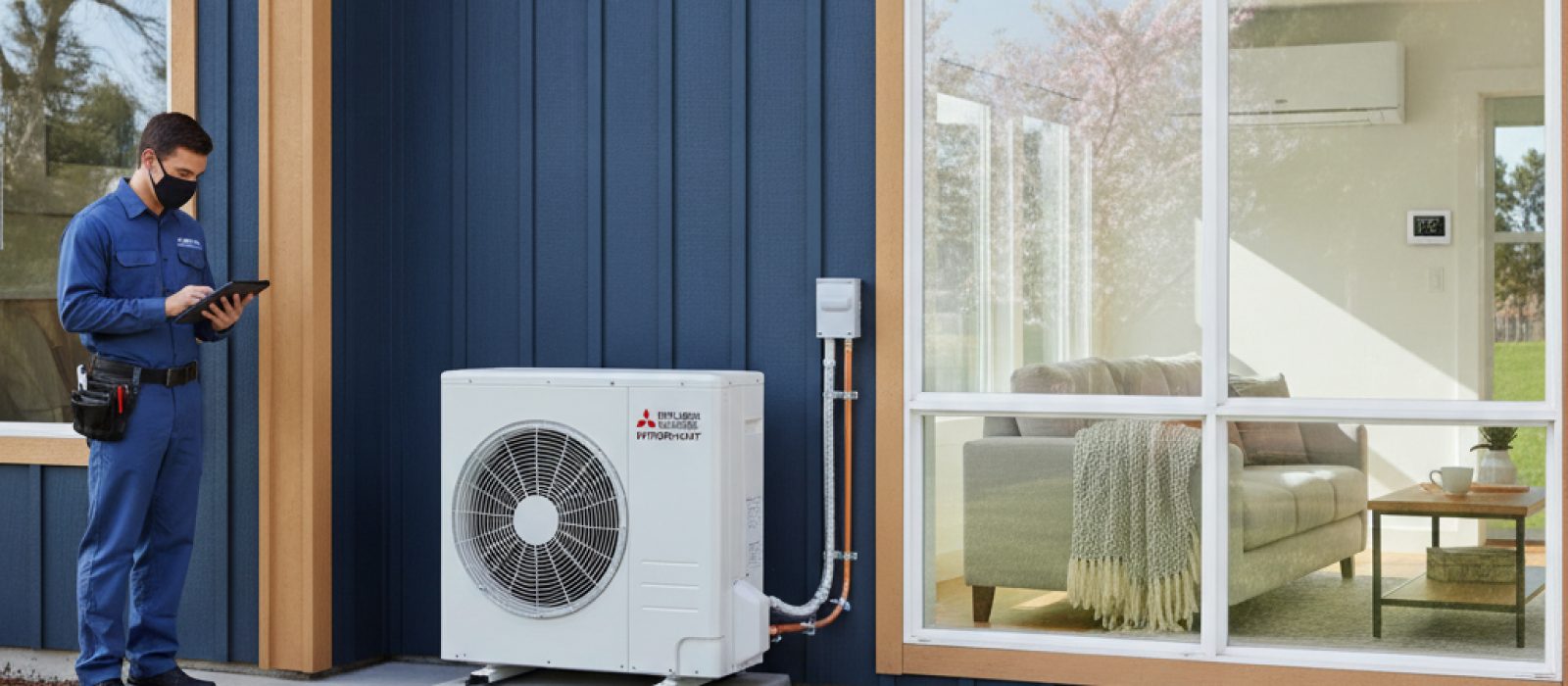
A comprehensive look at Mitsubishi mini-split technology and Hyper-Heat performance for year-round climate control in U.S. homes.
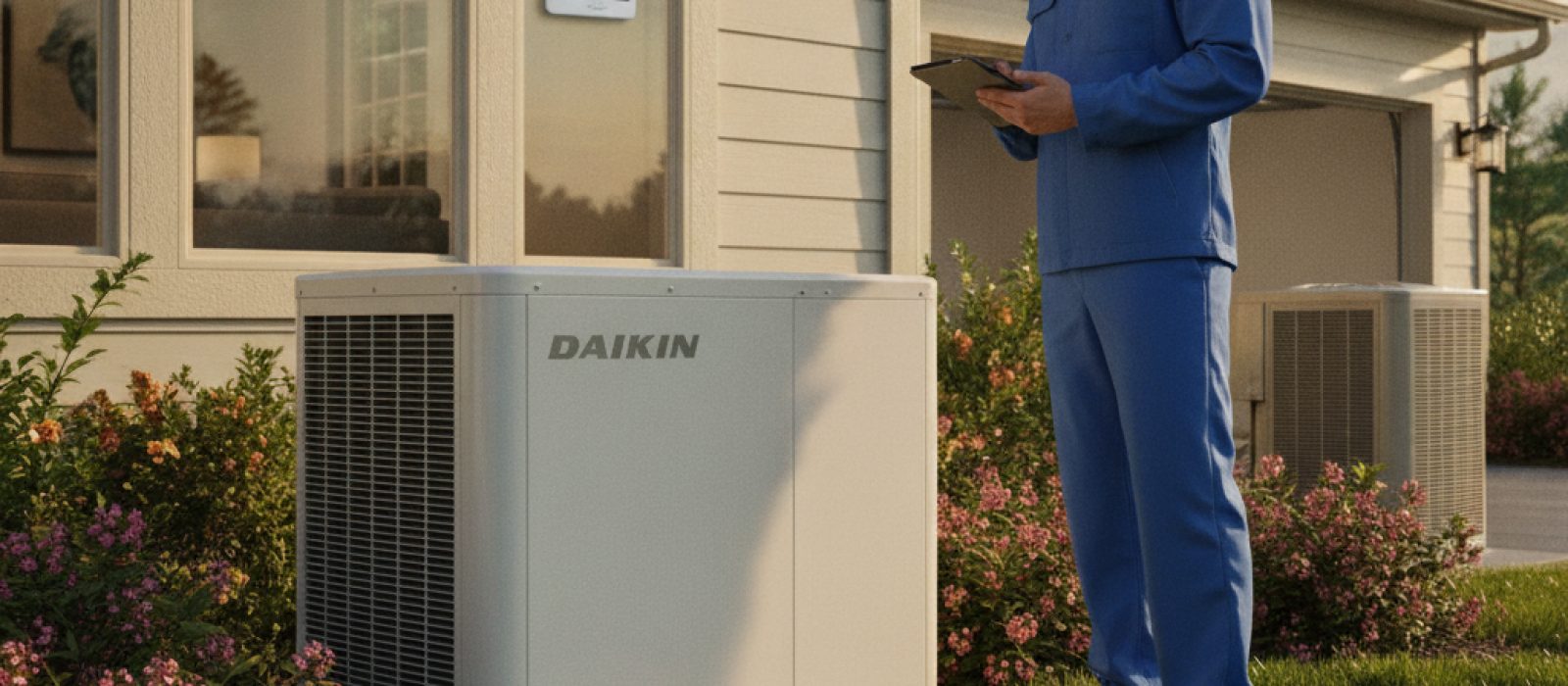
A comprehensive guide to understanding Daikin HVAC systems, including model tiers, standard maintenance requirements, and factory warranty coverage.
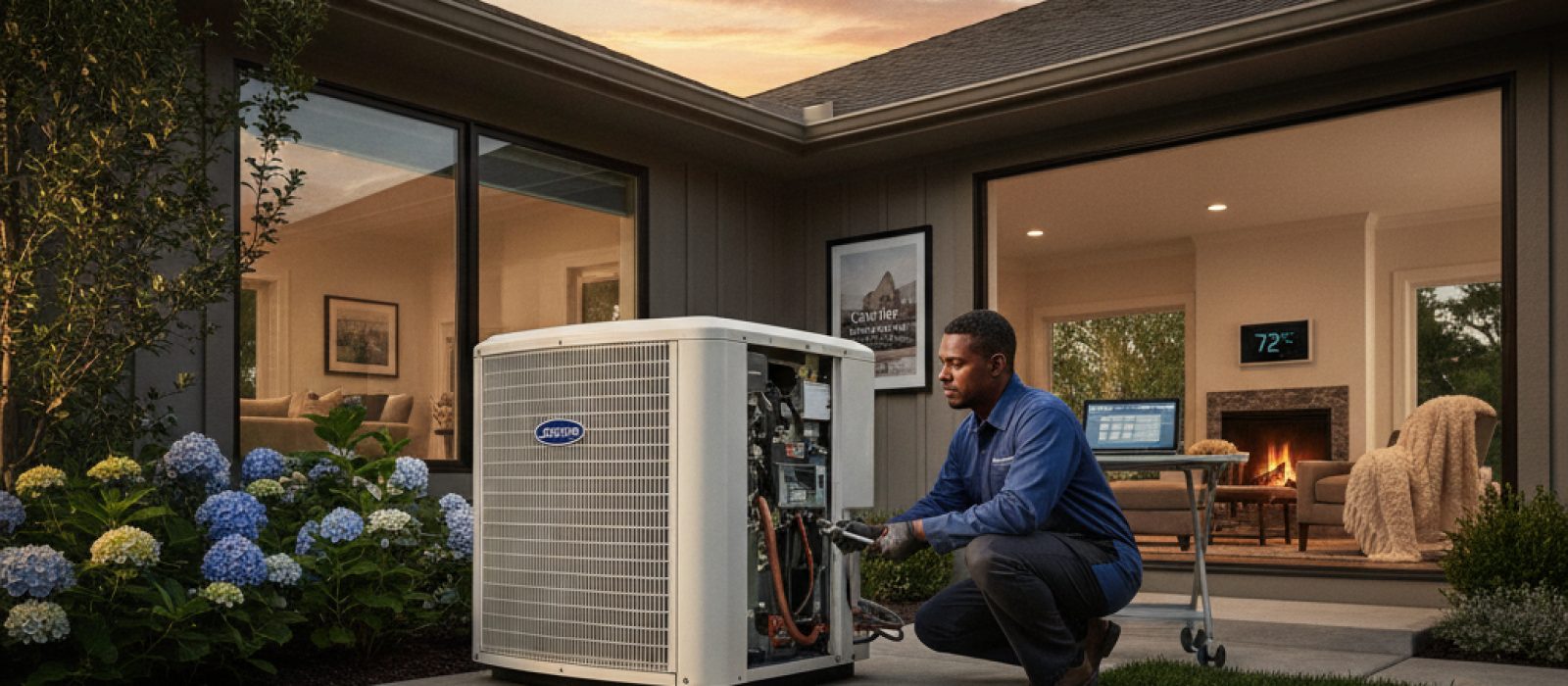
A comprehensive guide to understanding Carrier air conditioning systems, efficiency ratings, installation factors, and maintenance requirements.
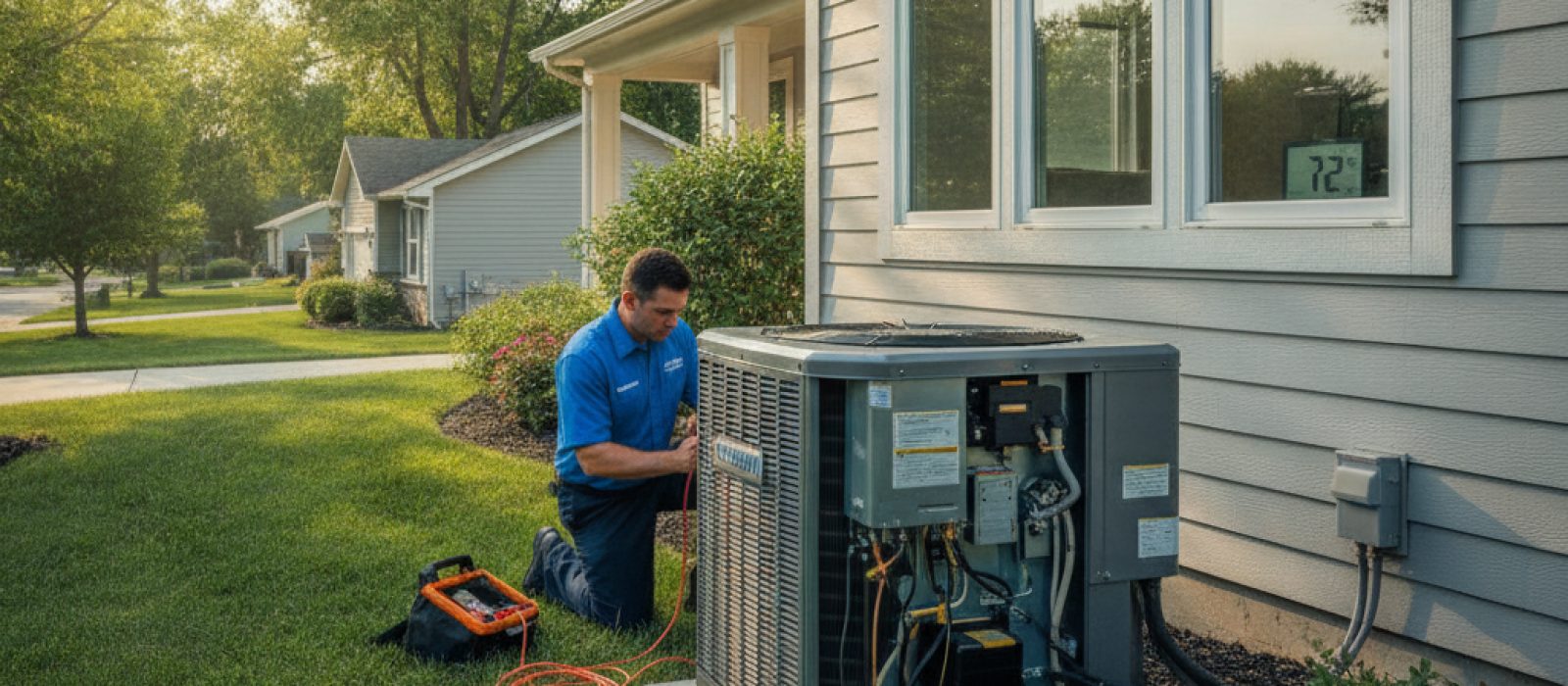
An objective look at Goodman HVAC systems, covering performance, longevity, and what homeowners should know before choosing a budget-friendly cooling solution.
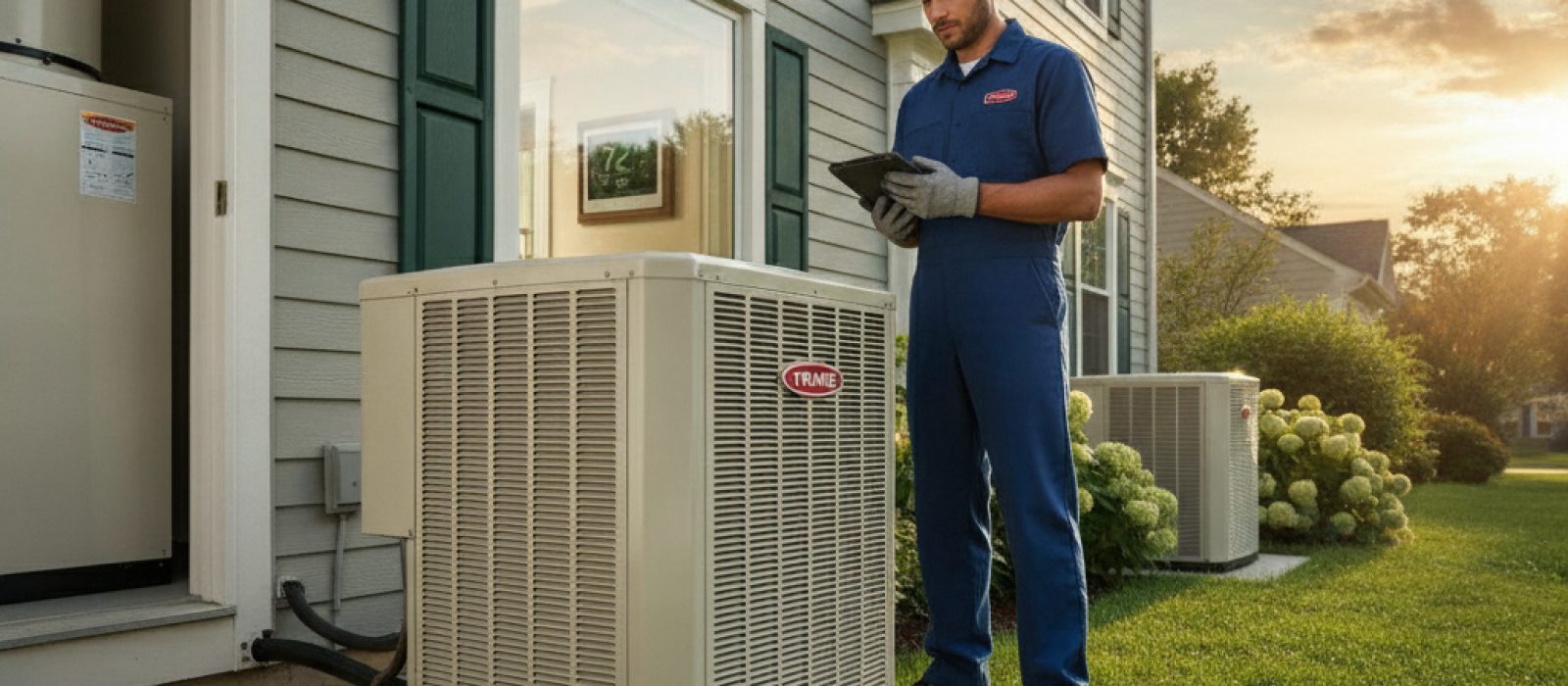
A guide to understanding Trane residential cooling systems, including component integration and maintenance requirements for homeowners.
Be the first to comment.