
Hot Water Recirculating Pumps: How They Work and What They Cost
Learn how hot water recirculating pumps provide instant hot water, the different installation types, and the factors that influence overall project costs.
4 min read

Heating and cooling systems typically represent the largest single portion of a residential utility bill. While specific costs vary based on geography, home size, and insulation quality, climate control functions generally account for nearly half of total energy consumption. Understanding this breakdown helps homeowners distinguish between necessary operation costs and potential inefficiencies caused by equipment wear or structural issues.
Energy consumption is driven by the duration of system cycles and the temperature differential required to reach a set point. When a system struggles to maintain comfort, it runs longer, drawing more power from the grid or consuming more fuel. By isolating HVAC usage from other household loads like lighting, appliances, and water heaters, homeowners can better identify whether a high bill is a result of extreme weather or a mechanical problem.
Several variables dictate how much energy a system consumes during a given month. The most significant factor is the thermal envelope of the home. If a house allows conditioned air to escape through gaps in windows, doors, or attic hatches, the HVAC system must work harder to compensate for the heat gain or loss. This cycle repeats indefinitely until the thermostat reaches the target temperature.
Mechanical health also plays a critical role. Over time, components like blower motors, compressors, and fans accumulate dust and debris, which increases friction and electrical resistance. Regular Maintenance & Tune-up visits ensure that internal parts are clean and lubricated, allowing the system to operate at its rated efficiency. Without this care, energy consumption often trends upward even if the home’s insulation remains unchanged.
The efficiency rating of a heating or cooling unit dictates its energy-to-output ratio. Older systems were built to different standards than modern equipment and often lack the variable-speed technology found in today's Energy Efficient Solutions. A system that runs at a single, high-capacity speed regardless of the current demand will inherently use more electricity than one that can modulate its output to match mild or extreme weather conditions.
When contemplating the long-term cost of an aging unit, consider the frequency of repairs versus the potential for replacement. If a system requires frequent intervention, the cumulative cost of these service calls, combined with higher monthly utility bills, may exceed the investment required for a modern, high-efficiency unit. Consulting a professional to assess the current performance of your unit can provide clarity on whether it is time for an upgrade.
High utility bills are sometimes caused by issues outside of the primary heating or cooling equipment. Ductwork Services are essential in this regard, as leaky or poorly insulated ducts can lose a significant percentage of conditioned air before it ever reaches the intended room. When ducts are compromised, the system operates longer to make up for the lost air, directly inflating utility costs.
Air quality and airflow are also linked. If return air grilles are obstructed or if the filter is clogged, the system experiences static pressure issues. This restricts airflow, forces the blower motor to work against higher resistance, and increases the electrical load. Keeping vents clear and ensuring that Air Duct Cleaning is performed when necessary helps maintain the intended path of airflow, reducing the strain on your equipment.
Homeowners can take several steps to monitor and improve system efficiency without risking damage to the equipment. These tasks focus on visibility, airflow, and basic settings:
Any task involving electrical wiring, refrigerant lines, or the internal combustion chamber of a furnace must be handled by a licensed professional. Attempting to bypass safety switches or modify gas lines presents significant hazards. If the system fails to start, makes unusual grinding or squealing noises, or if there is an odor of gas or burning plastic, shut off the thermostat and contact a professional immediately for Emergency HVAC services.
Tracking utility bills over several years provides a baseline for what constitutes 'normal' for your home. By comparing usage during similar months across different years—while accounting for significant temperature deviations—you can spot anomalies. A sudden, unexplained spike in energy usage in a month with mild weather is often a sign of a mechanical failure or a thermostat calibration error. Early detection through bill monitoring allows for proactive repairs, which are almost always less expensive than the emergency repairs required when a system fails entirely during a heatwave or a cold snap.
Learn how hot water recirculating pumps provide instant hot water, the different installation types, and the factors that influence overall project costs.
A practical guide to understanding the operational differences, maintenance needs, and common troubleshooting steps for Whirlpool and Bosch water heaters.
Learn how to choose between 40 and 75-gallon Bradford White water heaters and understand which model fits your home's hot water demands.
Learn how attic fans manage thermal buildup, the factors influencing installation costs, and the critical mistakes to avoid for a balanced home system.
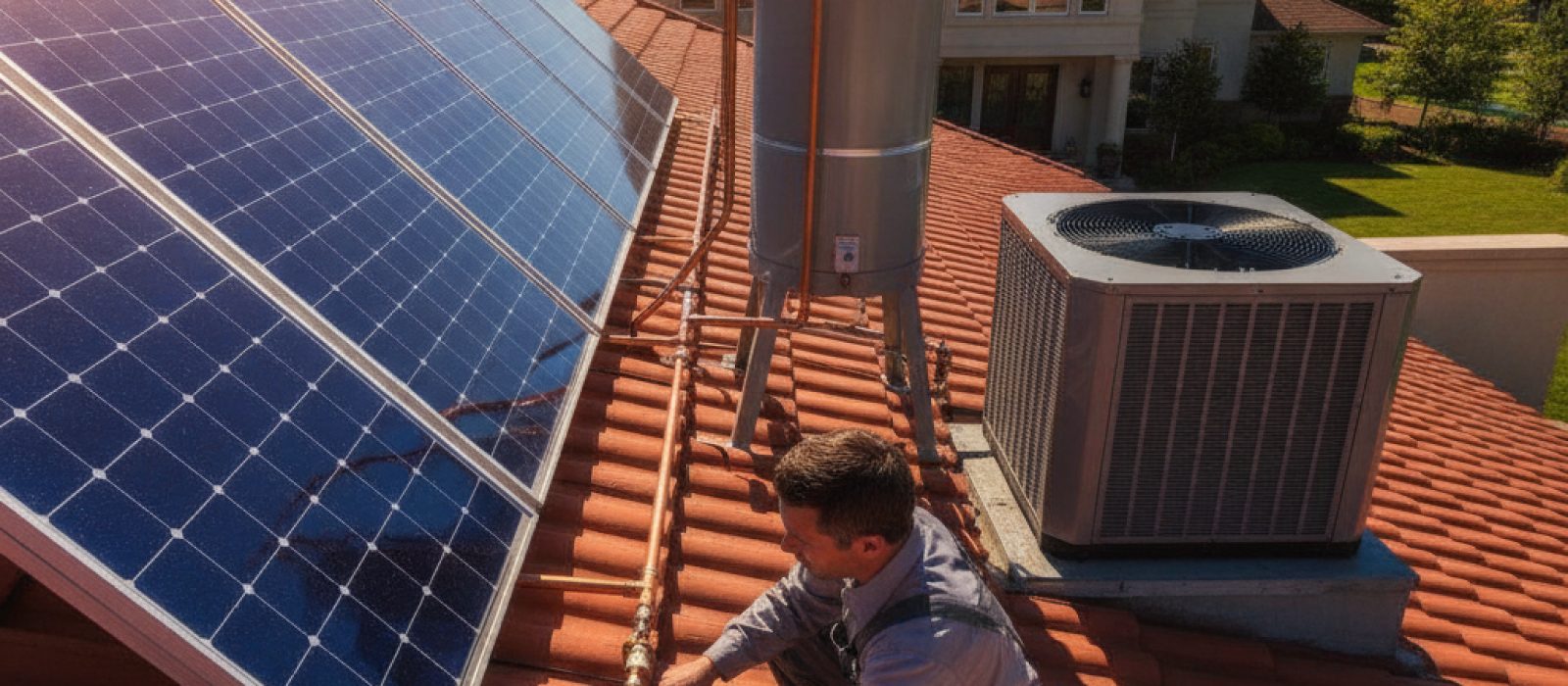
Understand the mechanics, efficiency benefits, and practical considerations of installing a solar-powered water heating system in your home.
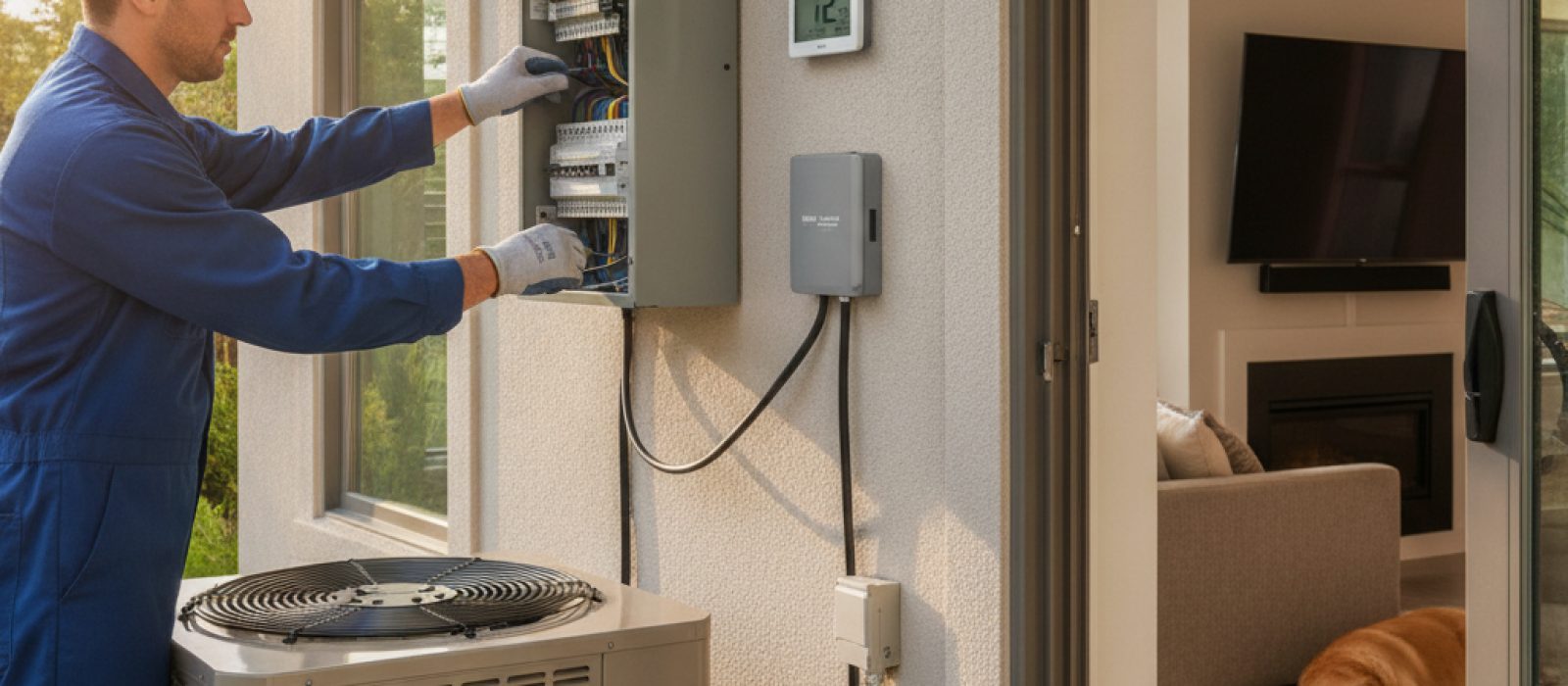
Learn how whole-house surge protectors safeguard sensitive HVAC equipment and home electronics from damaging power spikes and electrical surges.
Be the first to comment.