
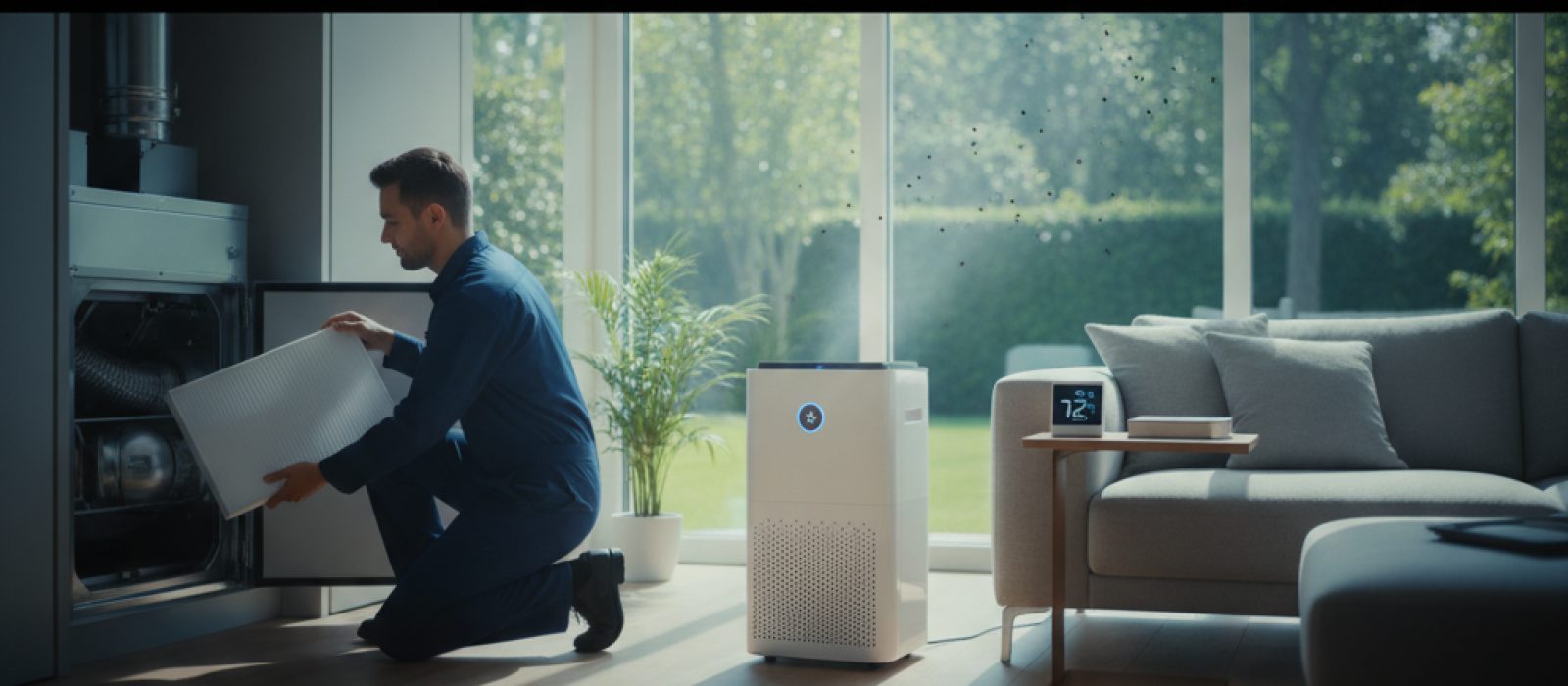
HEPA Air Cleaners for Allergies: What Actually Works
Learn how HEPA air cleaners function, their limitations in home environments, and how to effectively manage indoor air quality for allergy relief.
4 min read

Air conditioning systems are primarily designed to regulate temperature, not humidity. While a byproduct of the cooling process is the removal of moisture from the air, this only happens when the system is actively running. In milder climates or during seasons where temperatures are moderate but humidity remains high, an air conditioner may not cycle long enough to effectively extract sufficient moisture. This leads to a clammy indoor environment, even when the thermostat displays an ideal temperature.
When humidity levels inside a home consistently exceed sixty percent, the risk of mold growth, dust mite proliferation, and damage to structural materials increases. A whole-house dehumidifier operates independently of the cooling system, allowing for precise control over indoor moisture levels regardless of whether the air conditioner is running. This targeted approach is a cornerstone of effective Indoor Air Quality management, ensuring that the home environment remains stable and healthy.
Unlike portable units that require manual drainage and cover limited square footage, a whole-house dehumidifier is integrated directly into the home's existing HVAC ductwork. It pulls air from the return ducts, processes it through a cooling coil to condense the moisture, and then returns the drier air throughout the home. Because the unit is hard-wired and plumbed into the home’s drainage system, it requires minimal maintenance compared to standalone appliances.
Integrating this technology often requires professional Ductwork Services to ensure proper airflow and compatibility with existing blowers. A licensed technician must assess the static pressure of the current system to confirm that the addition of a dehumidifier will not impede the performance of the furnace or cooling equipment. Proper installation ensures that the dehumidifier does not create back-pressure, which could otherwise lead to premature equipment failure.
Managing indoor humidity provides significant advantages for both the home's structure and the occupants' health. Excess moisture can cause wood flooring to cup, drywall to soften, and paint to peel. By maintaining a relative humidity level between forty and fifty percent, homeowners protect their investment in finishes and structural integrity.
From a health perspective, high humidity creates a breeding ground for biological contaminants. Reducing these levels helps mitigate respiratory triggers associated with damp environments. Furthermore, a home with controlled humidity often feels cooler at higher temperatures. This can reduce the load on the cooling system, potentially extending the lifespan of the equipment and aligning with Energy Efficient Solutions for the household.
The installation of a whole-house dehumidifier is a complex task that involves electrical wiring, plumbing for condensate removal, and sheet metal modifications. While a homeowner can perform basic filter changes, the initial setup must be handled by a qualified technician. Improper installation can result in water leaks, electrical hazards, or compromised airflow, all of which may void manufacturer warranties.
During a consultation, a professional will calculate the moisture load of the home based on square footage, local climate patterns, and the number of occupants. This calculation determines the capacity of the unit required. In some cases, existing Maintenance & Tune-up programs include checks on integrated accessories, ensuring that the dehumidifier's humidistat remains calibrated and the drain line remains free of obstructions.
Not every home requires a dedicated dehumidifier. Homes in arid regions or those with highly efficient, properly sized air conditioning systems may manage moisture levels naturally. To determine if a whole-house unit is necessary, consider the following indicators:
If these symptoms are present, a professional evaluation is the next logical step. A technician can perform a humidity audit to confirm the actual moisture levels and provide recommendations tailored to the specific design of the residence.
Once installed, a whole-house dehumidifier is relatively low-maintenance, but it is not maintenance-free. The primary task for the homeowner is the periodic replacement of air filters, typically every six to twelve months depending on the model and indoor air conditions. Regularly checking the condensate drain line for blockages is also essential to prevent water backup.
Annual professional inspections are recommended to ensure the system is operating at peak efficiency. This typically involves cleaning the evaporator coils, checking the refrigerant charge, and testing the control sensors. Neglecting these checks can lead to a decrease in moisture removal capacity, effectively rendering the system less useful over time.
Learn how HEPA air cleaners function, their limitations in home environments, and how to effectively manage indoor air quality for allergy relief.
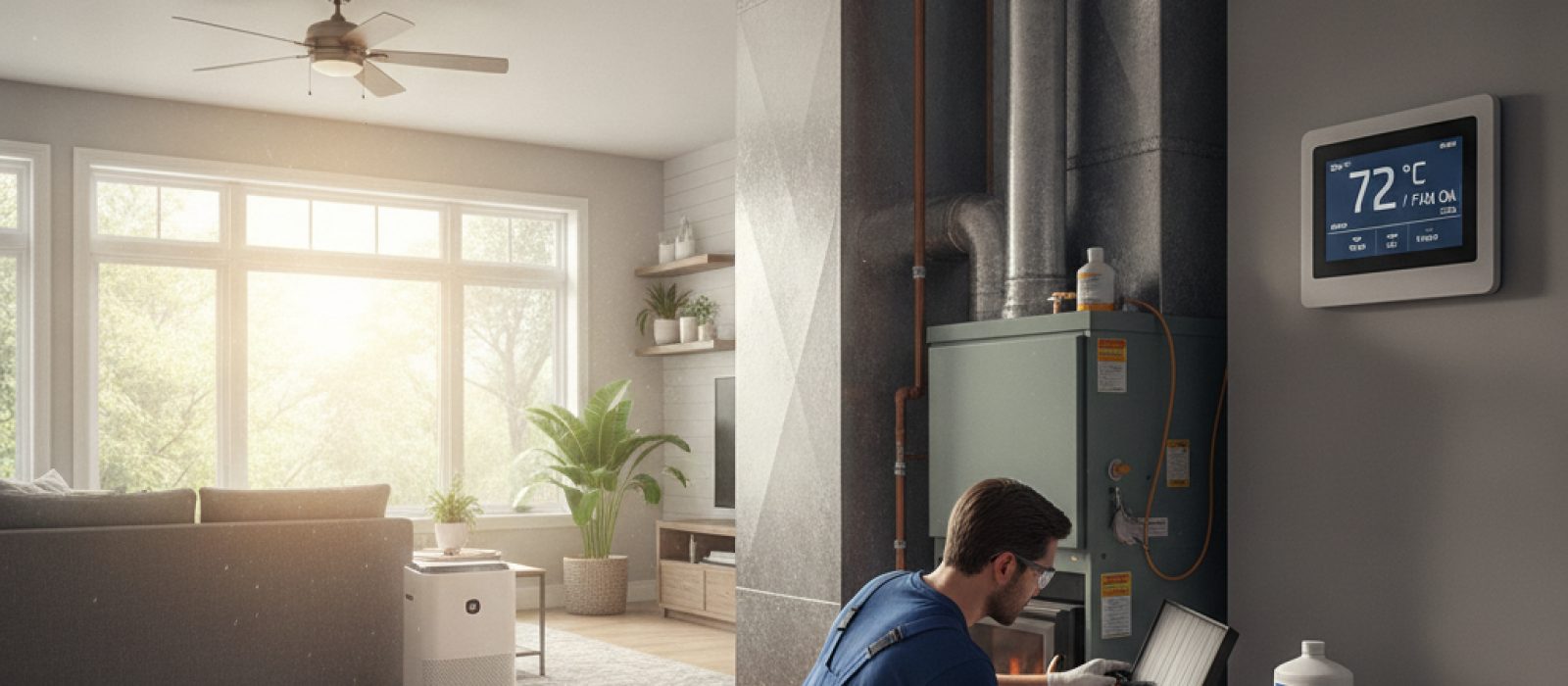
Learn to identify common indoor pollutants and discover practical, effective strategies to improve the air quality within your home.
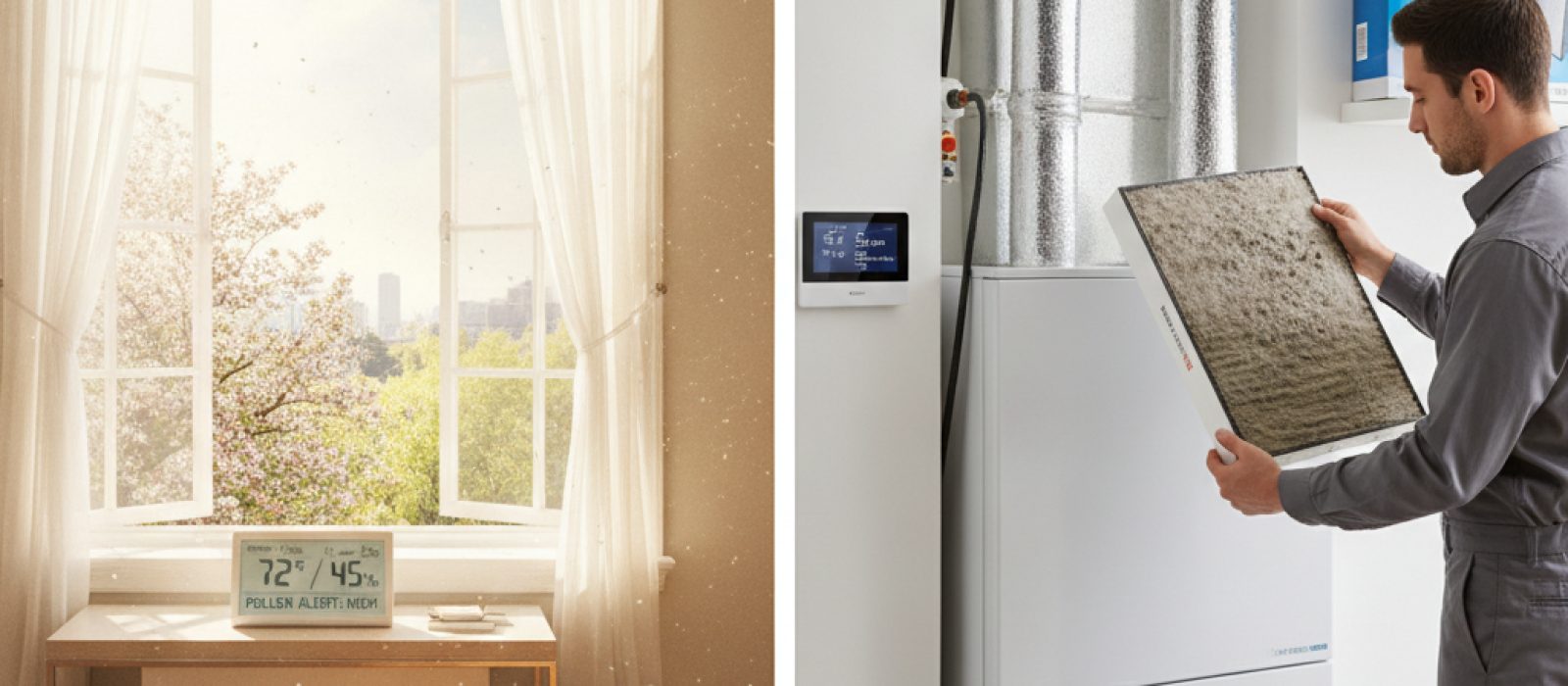
Learn the balance between natural ventilation and mechanical filtration to maintain optimal indoor air quality in your home.
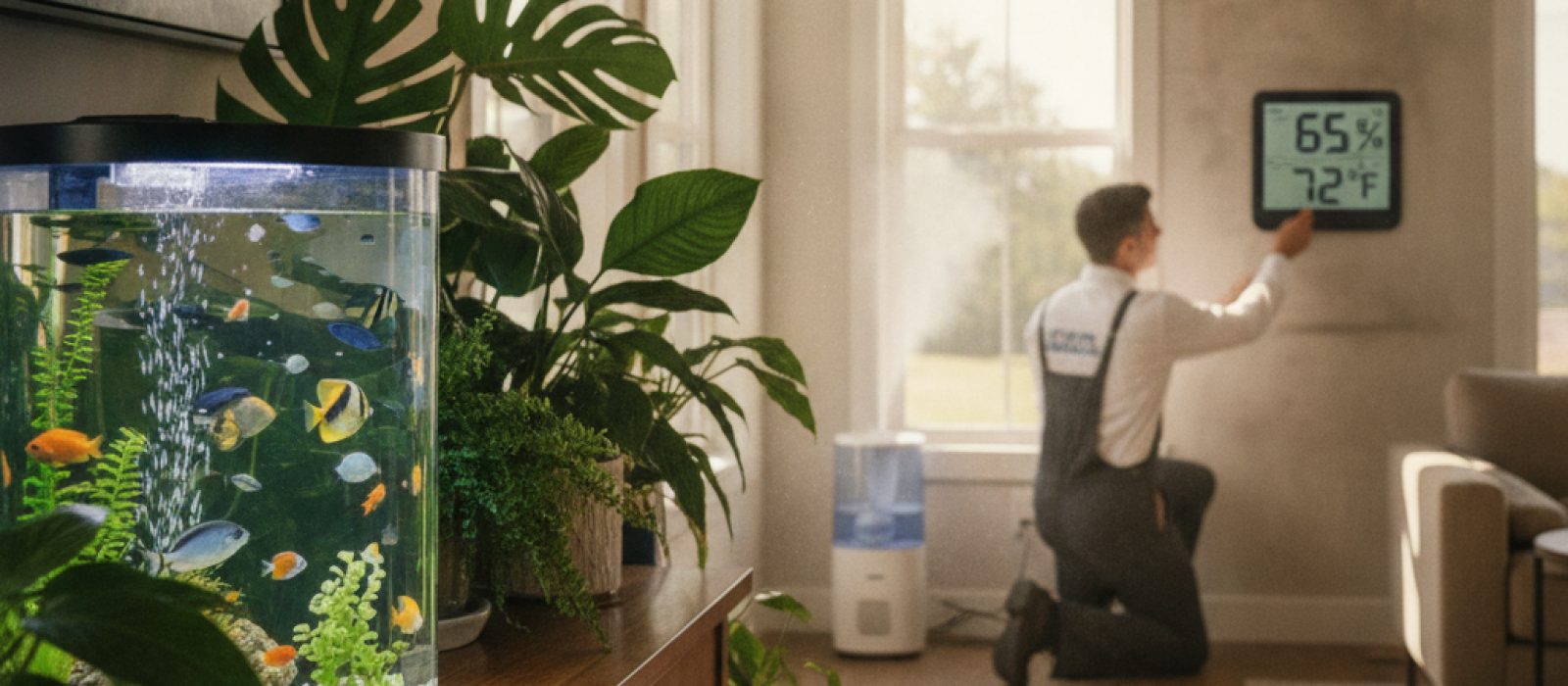
Learn how common household features like aquariums and plants impact indoor air quality and how to manage the resulting humidity levels effectively.

Discover how holiday traditions impact your home's indoor air quality and learn practical steps to maintain a healthy breathing environment this winter.
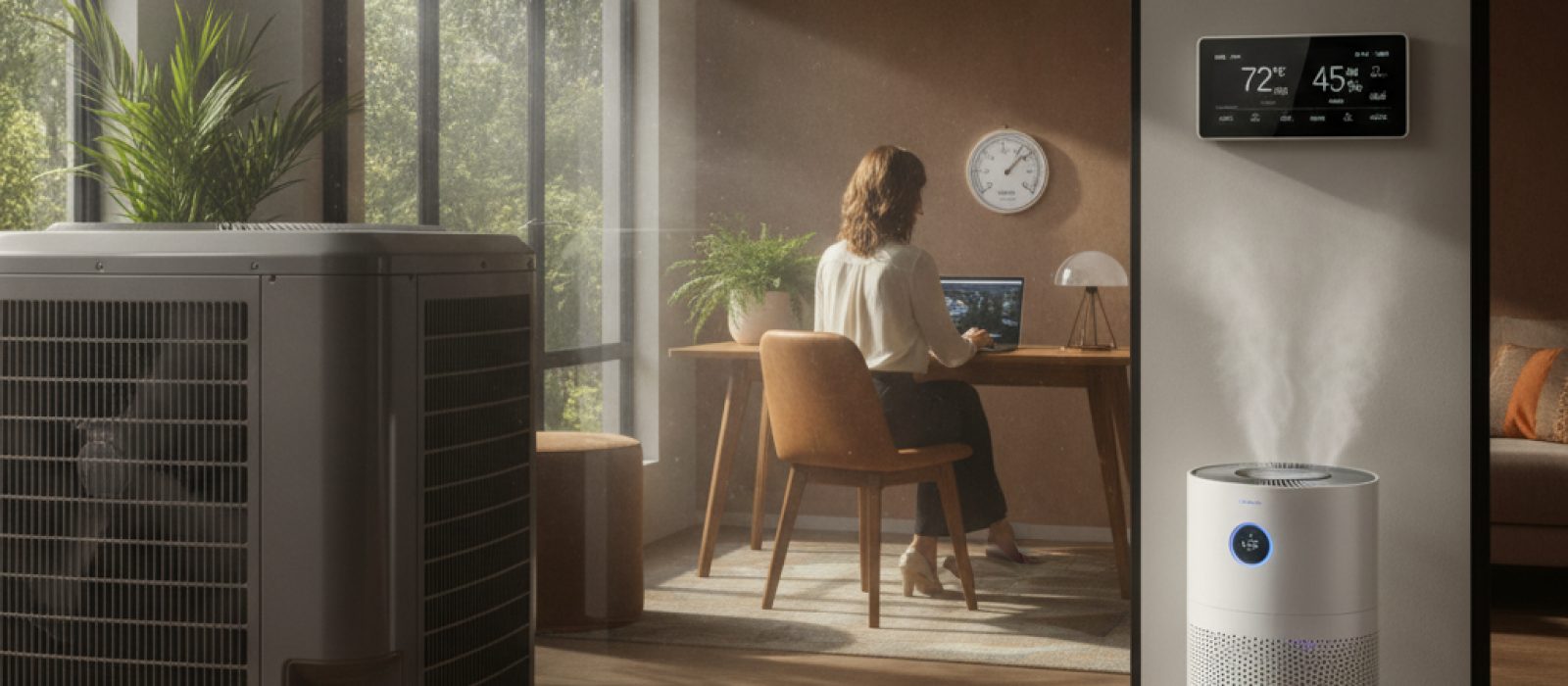
Improve productivity and health by optimizing the indoor air quality of your home office through ventilation, filtration, and humidity control.
Be the first to comment.