Air Conditioner Leaking Water Inside? Don't Panic!
Few things are as alarming as discovering a puddle of water under your indoor air conditioning unit. It's not just a mess; it can signal a problem that, if left unaddressed, could lead to costly water damage, mold growth, or even system failure. While seeing water leak from your AC can be concerning, many of the common causes are manageable. As your trusted HVAC experts, we're here to help you understand why your AC might be leaking and what steps you can take.
Common Reasons Your AC Is Leaking Water
Let's dive into the most frequent culprits behind indoor AC leaks:
Clogged Condensate Drain Line: This is by far the most common reason. Your AC unit removes humidity from the air, and this moisture (condensate) drips into a drain pan and flows through a drain line to the outside. Over time, algae, mold, dirt, and sludge can build up and clog this line, causing the pan to overflow.
Cracked or Rusted Drain Pan: The drain pan, located directly beneath the evaporator coil, collects the condensate. If this pan is old, it can rust through or crack, allowing water to escape.
Dirty Air Filter: A severely clogged air filter restricts airflow over the evaporator coil. This can cause the coil to get too cold and freeze over. When the ice melts, it produces more water than the drain pan or line can handle, leading to an overflow.
Frozen Evaporator Coil: Beyond a dirty filter, other issues like low refrigerant levels, a malfunctioning blower motor, or blocked return air vents can also cause the evaporator coil to freeze. When the ice thaws, it can overwhelm the drainage system.
Disconnected Condensate Line: Sometimes, the drain line can become dislodged or disconnected from the drain pan or the main drain, allowing water to drip freely.
Incorrect Installation: If your AC unit wasn't installed correctly, particularly with an improperly sloped drain line, water might not flow away efficiently, causing backups and leaks.
Missing or Clogged Condensate Pump: In some basement or attic installations, a condensate pump is used to push water uphill to an outdoor drain. If this pump fails or gets clogged, water will back up.
What To Do When Your AC Leaks Water
If you discover your AC unit is leaking, take these immediate steps:
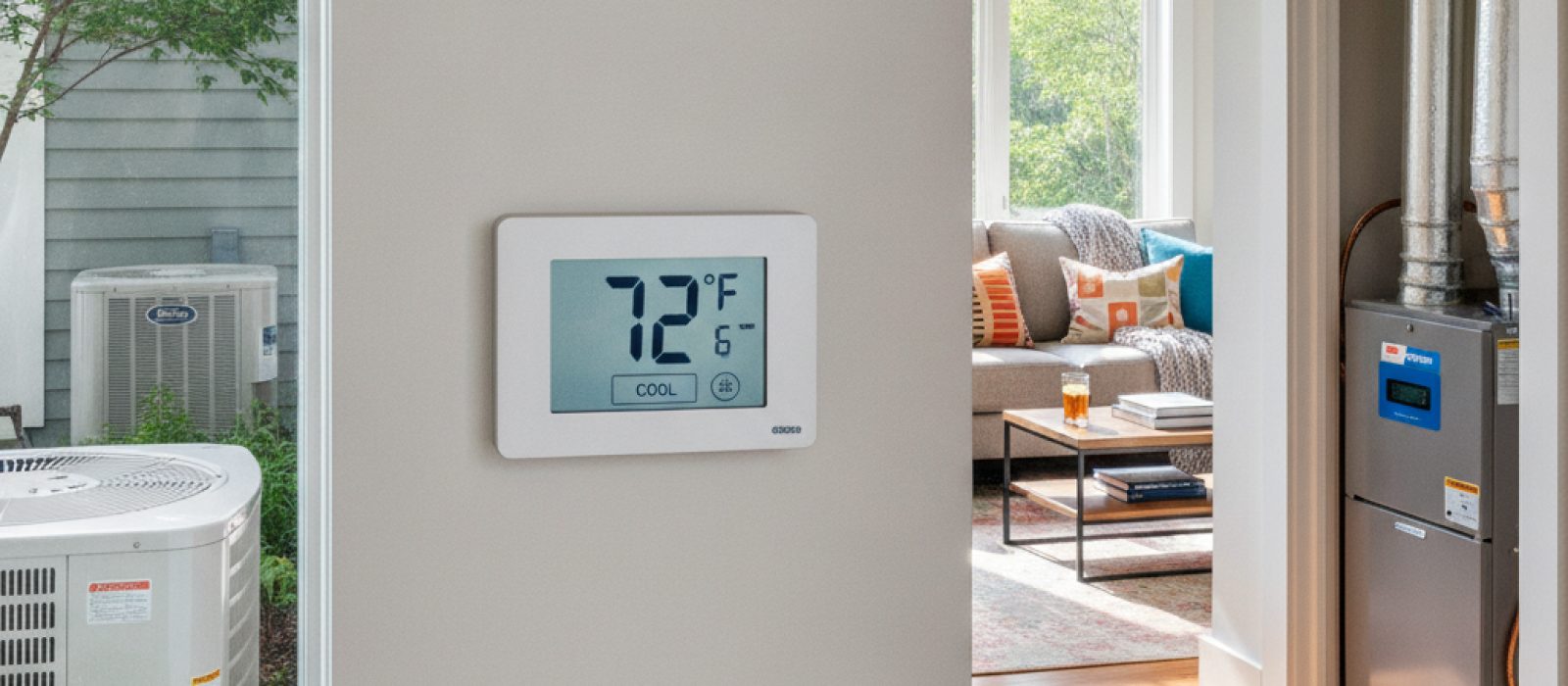
Turn Off Your AC: The first and most crucial step is to turn off your air conditioner at the thermostat. This prevents further water damage and stops the unit from potentially freezing more.
Clean Up the Water: Mop up any standing water immediately to prevent damage to flooring, ceilings, or walls, and to deter mold growth.
Check Your Air Filter: Pull out your air filter. If it's visibly dirty or clogged, replace it with a clean one. This simple step can resolve issues caused by a frozen coil.
Inspect the Condensate Drain Line: Locate the PVC pipe that runs from your indoor unit to the outside. If you can access it, look for visible clogs or disconnections. You might be able to gently clear minor blockages with a wet/dry vacuum if you know how.
Examine the Drain Pan: Look for cracks, rust, or blockages in the drain pan itself. If it's full of water, carefully try to remove some of the standing water.
Look for Ice on the Evaporator Coil: If you can safely access the indoor unit's evaporator coil (usually behind a panel), check for ice build-up. If it's frozen, turning off the AC and letting it thaw (which can take several hours) might resolve the immediate leak, but the underlying cause will still need addressing.
When To Call a Professional HVAC Technician
While some minor issues like a dirty filter or a simple drain line clog can be DIY fixes for handy homeowners, many causes of AC leaks require professional attention. You should always call an HVAC technician if:
You can't identify the source of the leak.
The leak persists after you've tried basic troubleshooting.
You suspect a refrigerant leak (which requires specialized tools and training).
The drain pan is cracked or rusted.
The evaporator coil is frozen, and you can't determine why.
You hear unusual noises coming from your unit.
You're uncomfortable performing any of the inspection or cleaning steps yourself.
Ignoring an AC leak can lead to significant problems down the road, from structural damage to unhealthy indoor air quality due to mold. Prompt action is key.
Preventing Future AC Leaks
The best defense against AC leaks is proactive maintenance:
Regular Filter Changes: Change your air filter every 1-3 months, or more frequently if you have pets or allergies.
Seasonal HVAC Maintenance: Schedule professional tune-ups for your AC unit annually. During these visits, technicians will inspect and clean the condensate drain line, check refrigerant levels, inspect the drain pan, and ensure all components are functioning correctly.
Keep Vents Clear: Ensure all return and supply vents are unobstructed to allow for proper airflow.
A leaking AC unit is a clear sign that something isn't right. By understanding the common causes and knowing when to take action or call for help, you can protect your home and keep your cooling system running efficiently and reliably. Don't hesitate to reach out to our team if you need expert assistance – we're here to help!
What is the most common reason an AC unit leaks water inside?
The most common reason for an AC unit to leak water inside is a clogged condensate drain line, often due to a buildup of algae, mold, dirt, and sludge.
What should I do immediately if I discover my AC is leaking water?
Immediately turn off your AC unit at the thermostat to prevent further damage, then clean up any standing water to prevent damage and mold growth.
Can a dirty air filter cause my AC to leak water?
Yes, a severely clogged air filter restricts airflow, causing the evaporator coil to freeze. When the ice melts, it can produce more water than the drain system can handle, leading to a leak.
When should I call a professional HVAC technician for an AC leak?
You should call a professional HVAC technician if you can't identify the source of the leak, if the leak persists after basic troubleshooting, if you suspect a refrigerant leak, or if the drain pan is cracked or rusted.
Where does the water from my AC unit normally go?
The moisture removed from the air (condensate) drips into a drain pan and flows through a drain line to the outside of your home.
An objective look at Goodman HVAC systems, covering performance, longevity, and what homeowners should know before choosing a budget-friendly cooling solution.