
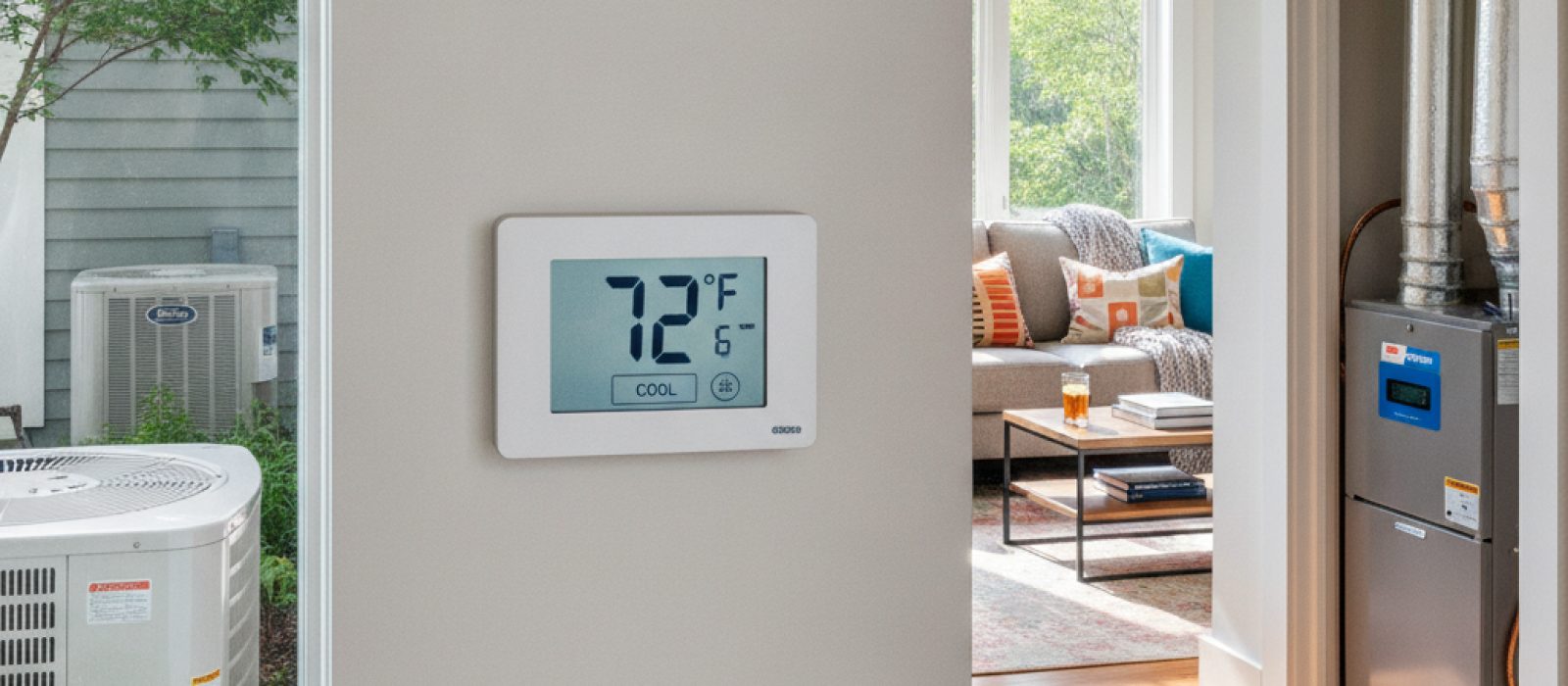
York, Ruud, Bryant and American Standard HVAC: Brand Overview
A guide to understanding the cooling technology and reliability of four major HVAC manufacturers for U.S. homeowners.
4 min read

New England homes present unique architectural challenges for climate control. Many historical properties feature narrow wall cavities, radiant heating systems, or lack existing ductwork entirely, making traditional central air conditioning installations invasive and prohibitively expensive. Ductless mini-split systems have emerged as the standard solution for these structures, providing targeted cooling without the need for extensive renovations.
This article explains how these systems function, why they excel in the regional climate, and what homeowners should consider before installation. Readers will learn about the mechanics of ductless technology, the benefits of zoning, and the practical requirements for successful integration.
A ductless mini-split consists of two primary components: an outdoor compressor unit and one or more indoor air-handling units. These components are connected by a small conduit containing refrigerant lines, power cables, and a condensate drain. Because the conduit requires only a three-inch hole through an exterior wall, the installation avoids the structural damage often associated with retrofitting central air ducts.
The indoor units are mounted high on walls, suspended from ceilings, or recessed into drop ceilings. Each unit acts as an independent zone, allowing homeowners to control the temperature in specific rooms rather than cooling the entire house at once. This precision is particularly valuable in homes with varying sun exposure or multi-story layouts where heat naturally rises.
Traditional forced-air systems often suffer from significant energy loss through leaky or uninsulated ductwork, especially when those ducts traverse unconditioned attics or crawl spaces. By eliminating ducts, mini-splits remove this potential for thermal leakage. The systems are designed to modulate their output, running at lower capacities to maintain a set temperature rather than cycling on and off at full power.
Zoning capabilities allow for personalized comfort. Occupants can keep bedrooms cool at night while reducing cooling output in unused living areas during the day. This granular control is a cornerstone of modern Energy Efficient Solutions, as it prevents the waste of cooling empty rooms. Furthermore, because these units are often integrated with Heat Pumps technology, they provide supplemental heating during the shoulder seasons, reducing reliance on fossil-fuel-based boilers.
While the footprint of a mini-split is small, the installation process requires technical expertise. A licensed technician must calculate the cooling load for each zone to ensure the indoor air handlers are properly sized. Oversized units cycle too quickly, leading to poor humidity control, while undersized units struggle to reach desired temperatures.
Homeowners should never attempt to handle refrigerant lines or electrical connections for these systems. These tasks involve high-voltage wiring and pressurized chemical agents that pose significant safety risks. A professional installer will ensure the system is properly charged, the condensate lines are correctly pitched to prevent leaks, and the outdoor unit is mounted on a stable, vibration-dampening base. Proper installation is the primary factor in long-term system reliability.
Ductless systems require regular care to maintain their efficiency and air quality. Homeowners can perform basic maintenance, such as cleaning or replacing the washable air filters located behind the front panel of the indoor units. Keeping these filters free of dust and debris is essential for airflow and prevents the buildup of mold on the evaporator coils.
Annual professional Maintenance & Tune-up visits are recommended to inspect the refrigerant levels, check electrical connections, and ensure the condensate drain is clear. Unlike Air Duct Cleaning, which is required for traditional forced-air systems, mini-split maintenance focuses on the internal components of the air handler and the outdoor condenser coil. Keeping the outdoor unit clear of leaves, snow, and vegetation ensures the system can reject heat efficiently during the hottest months.
New England summers often bring high humidity levels alongside rising temperatures. Ductless units are highly effective at dehumidification because they move air slowly over cold evaporator coils, allowing moisture to condense and drain away. This process is often more consistent than the rapid cooling cycles of older central systems, which may satisfy the thermostat before adequately removing moisture from the air.
If a home has persistent moisture issues, a technician can evaluate whether the mini-split sizing is correct or if additional Indoor Air Quality solutions are needed. Integrating a whole-home dehumidifier or ensuring proper ventilation can complement the cooling work of a mini-split system to improve overall comfort.
A guide to understanding the cooling technology and reliability of four major HVAC manufacturers for U.S. homeowners.
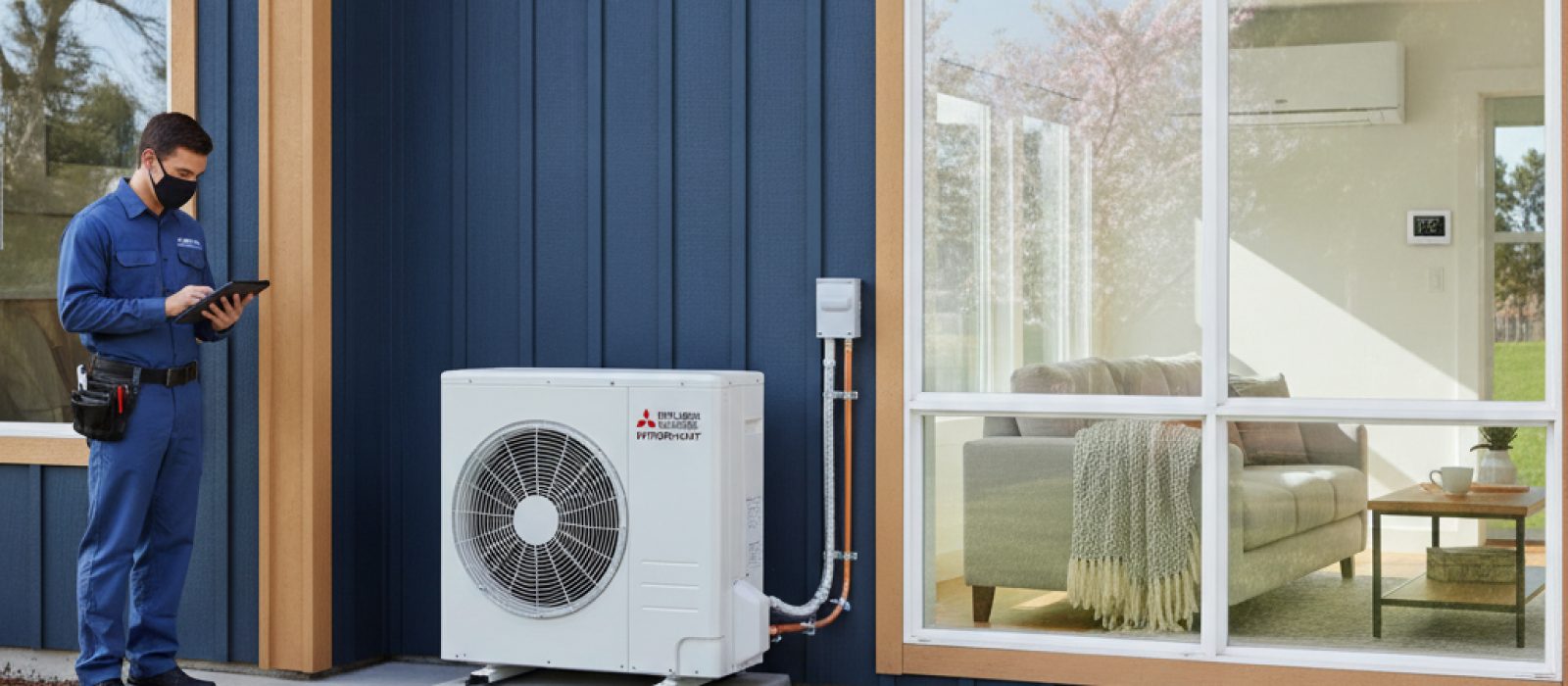
A comprehensive look at Mitsubishi mini-split technology and Hyper-Heat performance for year-round climate control in U.S. homes.
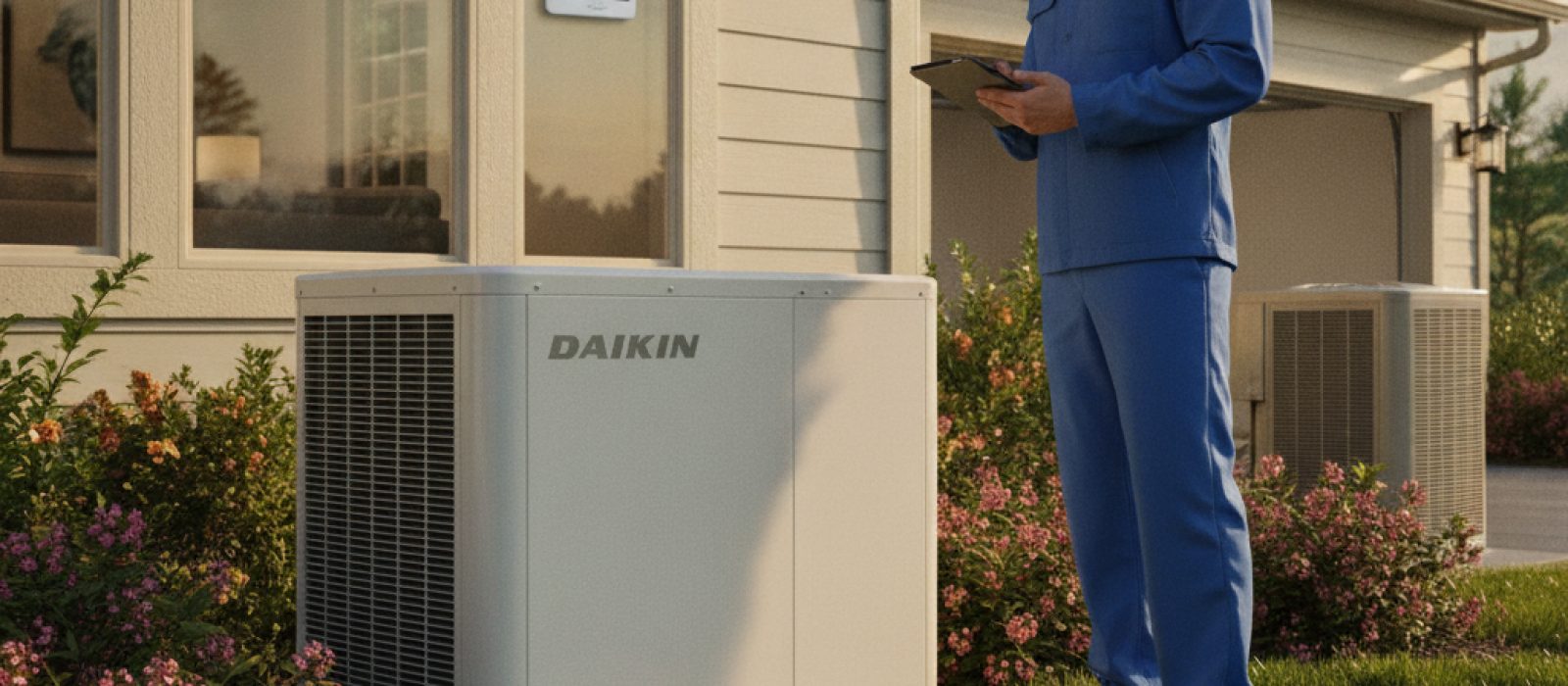
A comprehensive guide to understanding Daikin HVAC systems, including model tiers, standard maintenance requirements, and factory warranty coverage.
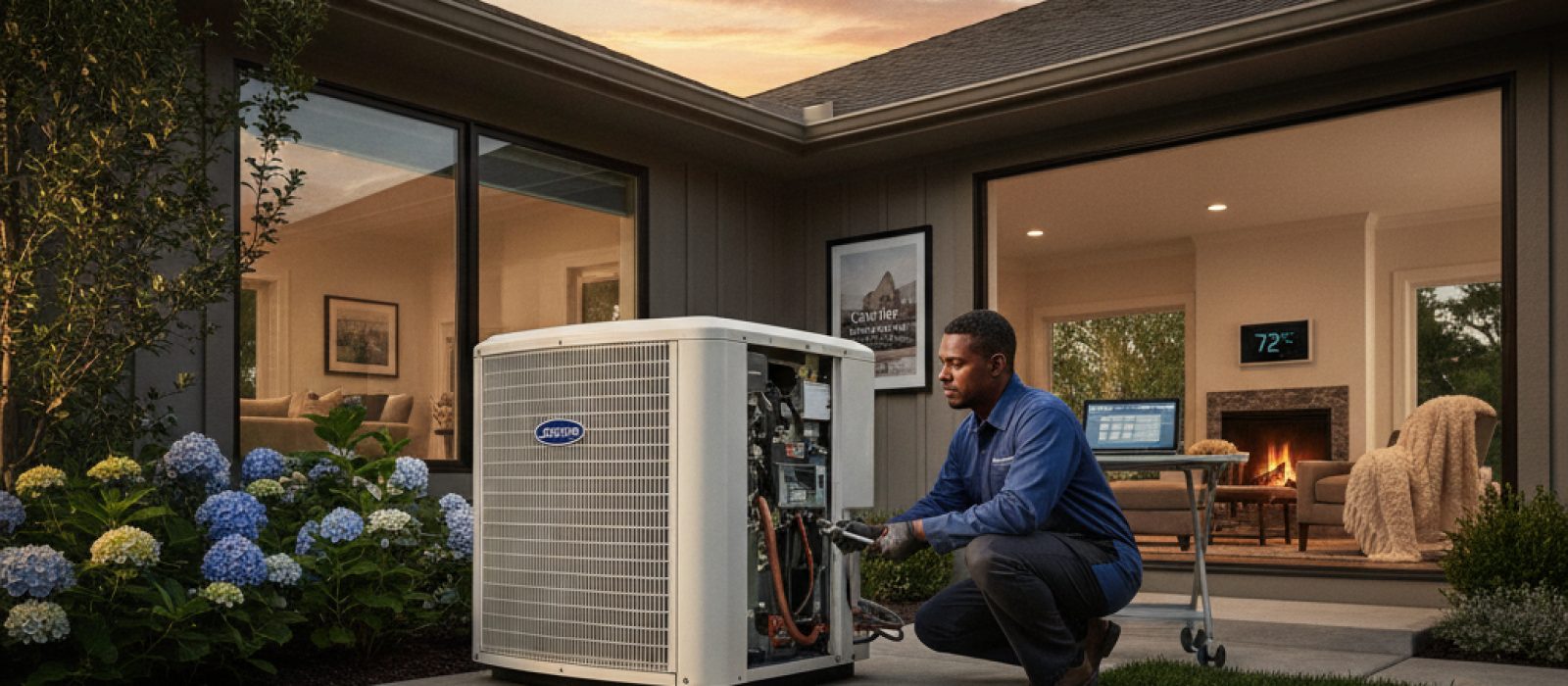
A comprehensive guide to understanding Carrier air conditioning systems, efficiency ratings, installation factors, and maintenance requirements.
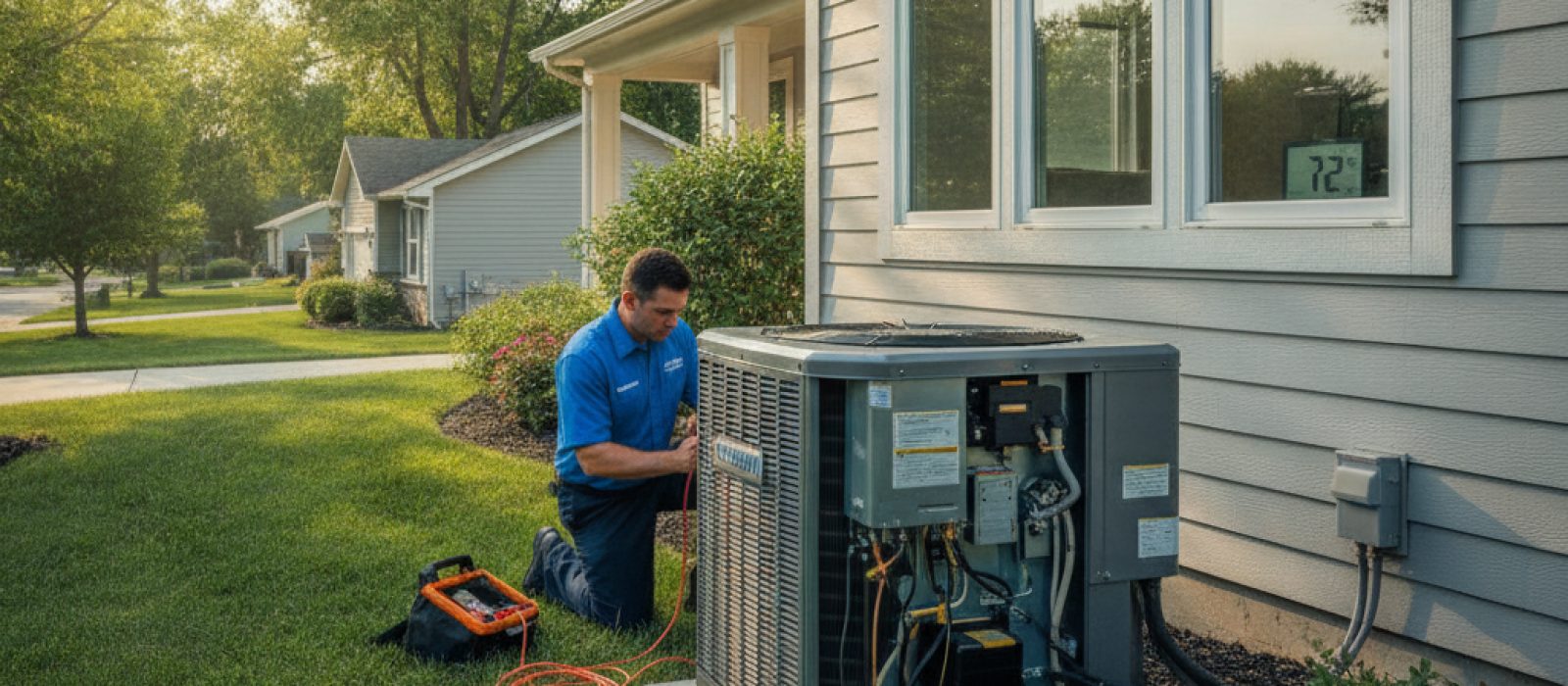
An objective look at Goodman HVAC systems, covering performance, longevity, and what homeowners should know before choosing a budget-friendly cooling solution.
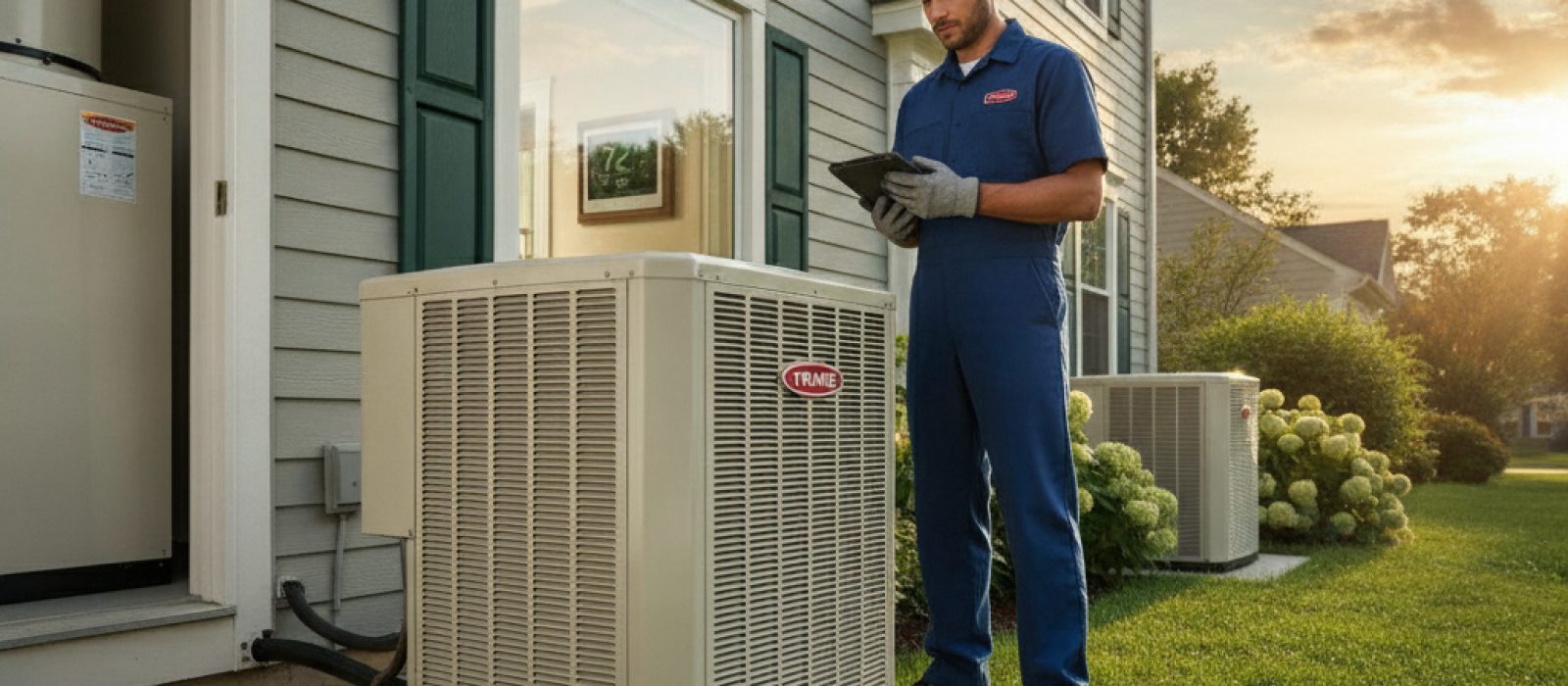
A guide to understanding Trane residential cooling systems, including component integration and maintenance requirements for homeowners.
Be the first to comment.