
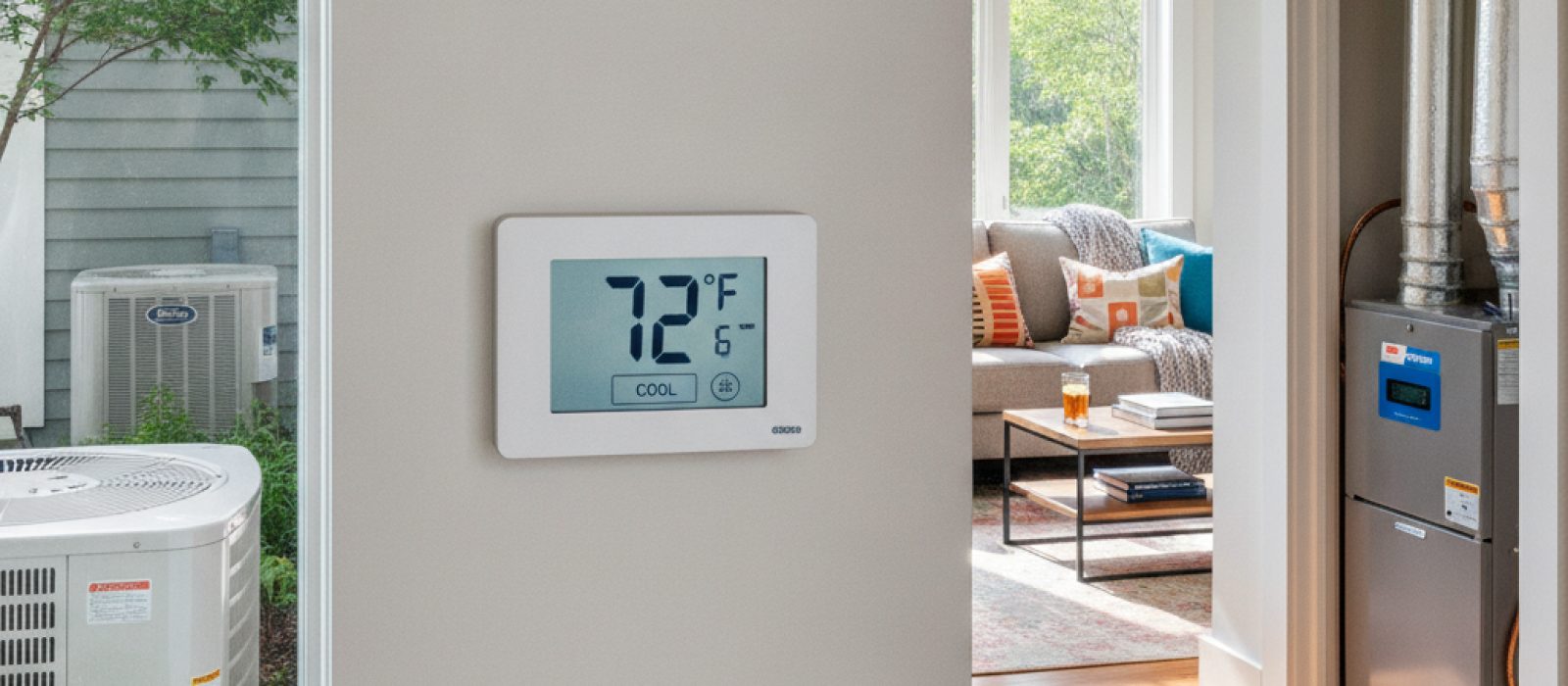
York, Ruud, Bryant and American Standard HVAC: Brand Overview
A guide to understanding the cooling technology and reliability of four major HVAC manufacturers for U.S. homeowners.
4 min read

Solar heat gain is the primary driver of cooling load in many residential buildings during the summer months. When sunlight strikes glass, it enters the home as short-wave radiation, which is then absorbed by interior surfaces and converted into long-wave heat. This heat becomes trapped inside, forcing your air conditioning unit to run longer and more frequently to maintain a set temperature.
By managing how sunlight interacts with your windows, you can significantly reduce the amount of heat entering the home. Passive cooling measures do not replace the need for professional AC Services, but they serve as a critical first line of defense in maintaining thermal comfort. Reducing the heat load allows the system to cycle more efficiently, potentially extending the lifespan of your cooling equipment.
Window film is a thin laminate applied to the interior or exterior surface of glass. These films are engineered to reflect, absorb, or filter solar radiation. High-performance films are designed to block a large percentage of infrared energy while allowing visible light to pass through, keeping the interior cooler without making the room excessively dark.
When selecting a film, consider the orientation of your windows. South and west-facing windows receive the most intense solar exposure and benefit most from high-rejection films. Professional installation is recommended to ensure the film is applied without bubbles or debris, which can compromise both the aesthetics and the longevity of the product.
Before applying film, it is essential to determine if the glass is tempered or annealed. Thick, tinted, or insulated glass units may be susceptible to thermal stress if the wrong type of film is applied, as the glass may absorb too much heat and crack. Consult with a professional to verify that the chosen film is compatible with your specific window type to avoid damage to your home’s envelope.
External shading is generally more effective than internal window treatments because it blocks the sun before it hits the glass. Once sunlight passes through the window, the heat is already inside the building envelope. Exterior solutions, such as fixed awnings, solar screens, or exterior shutters, prevent that thermal energy from ever reaching the interior space.
Solar screens function like a mesh filter for your windows. They are mounted on the exterior and provide a physical barrier that diffuses sunlight. Because they are porous, they still allow for airflow, which is a major advantage over solid shutters that can trap heat against the glass. These screens can be removed during winter months to allow for passive solar heating, providing a flexible solution for year-round climate control.
While passive measures like film and shades manage heat entry, they work best when combined with a well-sealed home. If your home has significant air leaks, the benefits of shading will be diminished as hot air infiltrates the structure through gaps in doors or windows. Addressing these leaks is a key component of Energy Efficient Solutions. A comprehensive evaluation of your home’s building envelope can highlight areas where small repairs lead to significant energy savings.
Furthermore, internal window coverings like cellular shades or heavy curtains provide a secondary layer of insulation. When used in conjunction with external shading, they create a thermal buffer that helps keep the cooled air inside. This integrated approach ensures that your cooling system is not working harder than necessary, which is particularly important during peak heat waves.
Passive cooling systems require minimal maintenance, but they are not "install and forget" solutions. Window film should be cleaned using non-abrasive cloths and mild cleaning agents to avoid scratching the surface. Harsh chemicals or ammonia-based cleaners can degrade the adhesive over time, leading to peeling or discoloration.
Exterior shading devices should be inspected seasonally. Check the mounting hardware on awnings and screens for signs of rust or loosening, especially after high-wind events. Keeping these systems in good repair ensures they continue to perform their intended function. If you notice your home remains uncomfortable despite these passive measures, it may be time to schedule a Maintenance & Tune-up to ensure your cooling equipment is operating at peak performance.
Every degree of heat load you remove through passive design is one less degree your air conditioner must remove mechanically. Reducing the load prevents the system from short-cycling, which is a common cause of premature component failure. By managing solar gain, you create a more stable indoor environment, allowing your system to operate at a steady, efficient pace. Integrating these passive strategies creates a balanced approach to indoor comfort that supports the health of your entire HVAC infrastructure.
A guide to understanding the cooling technology and reliability of four major HVAC manufacturers for U.S. homeowners.
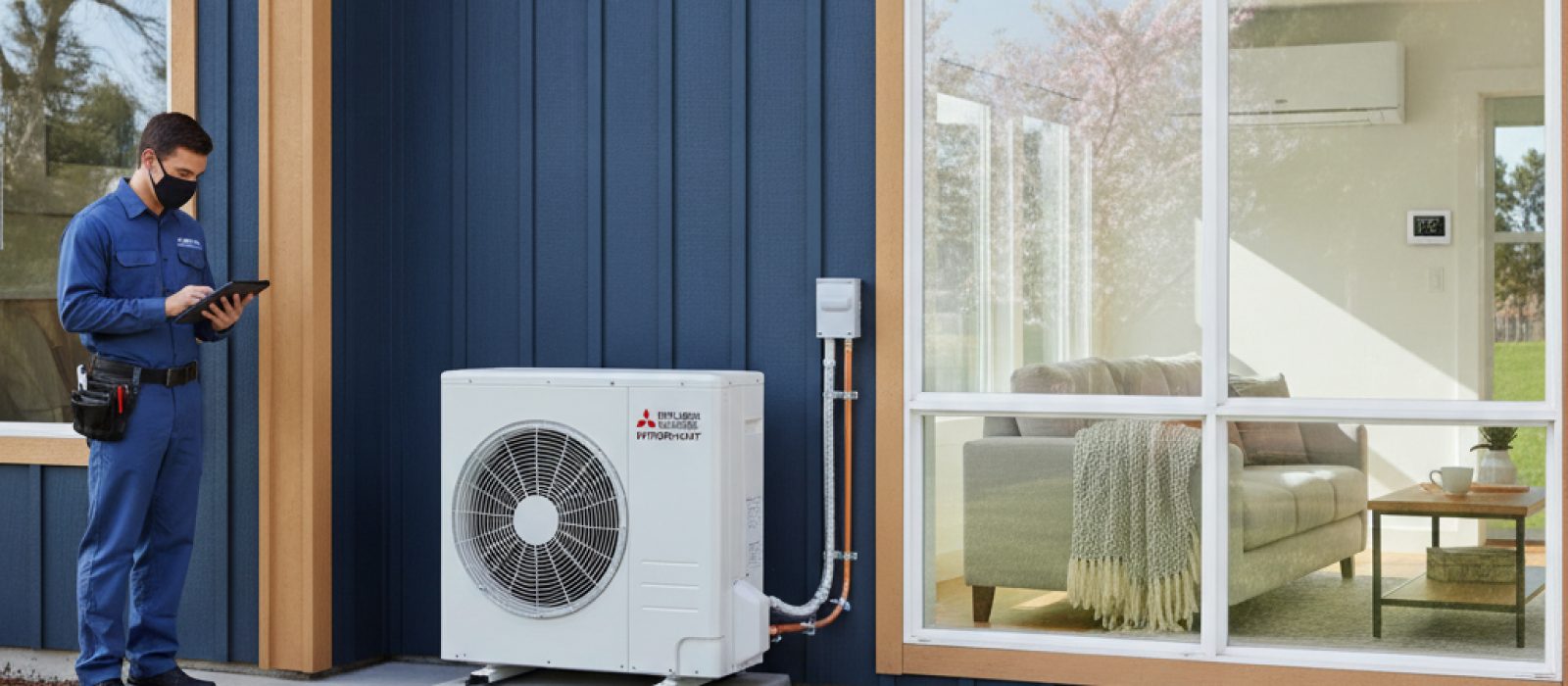
A comprehensive look at Mitsubishi mini-split technology and Hyper-Heat performance for year-round climate control in U.S. homes.
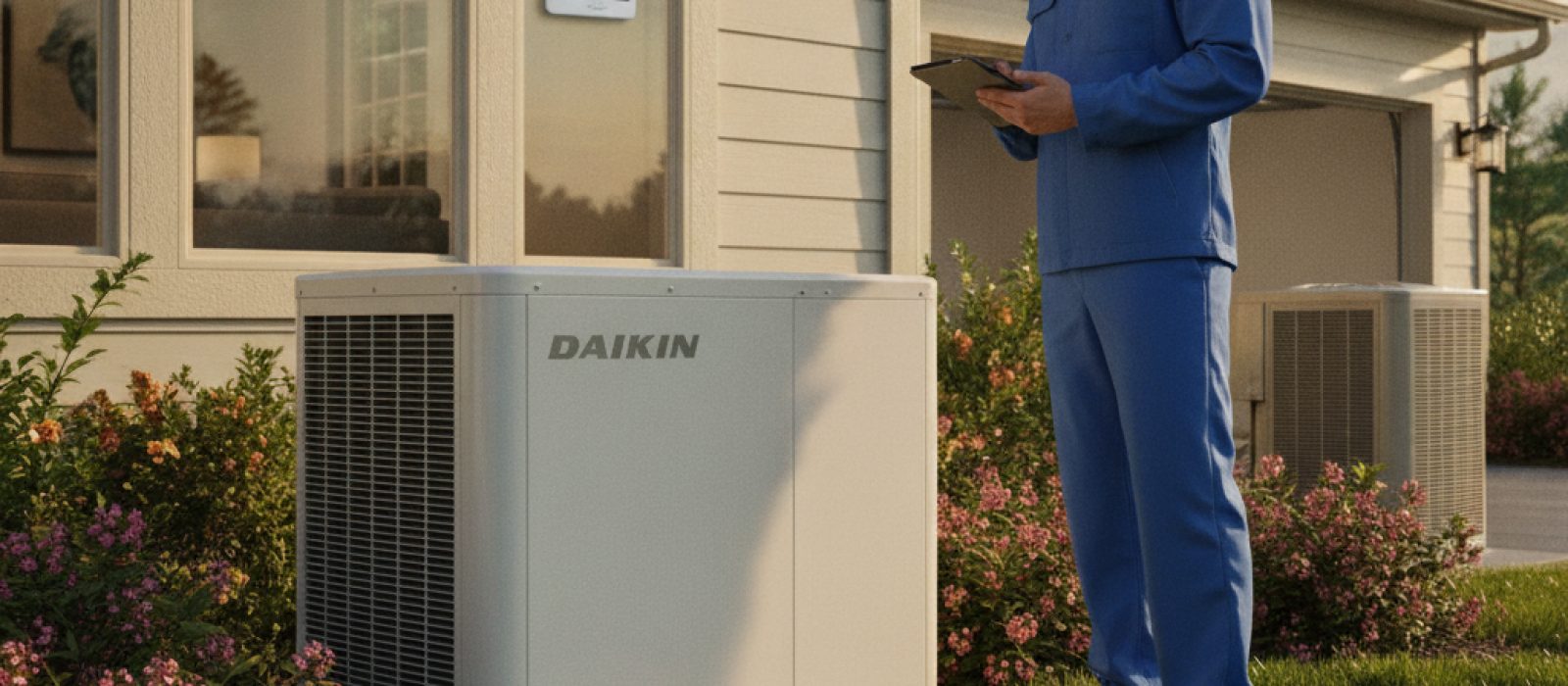
A comprehensive guide to understanding Daikin HVAC systems, including model tiers, standard maintenance requirements, and factory warranty coverage.
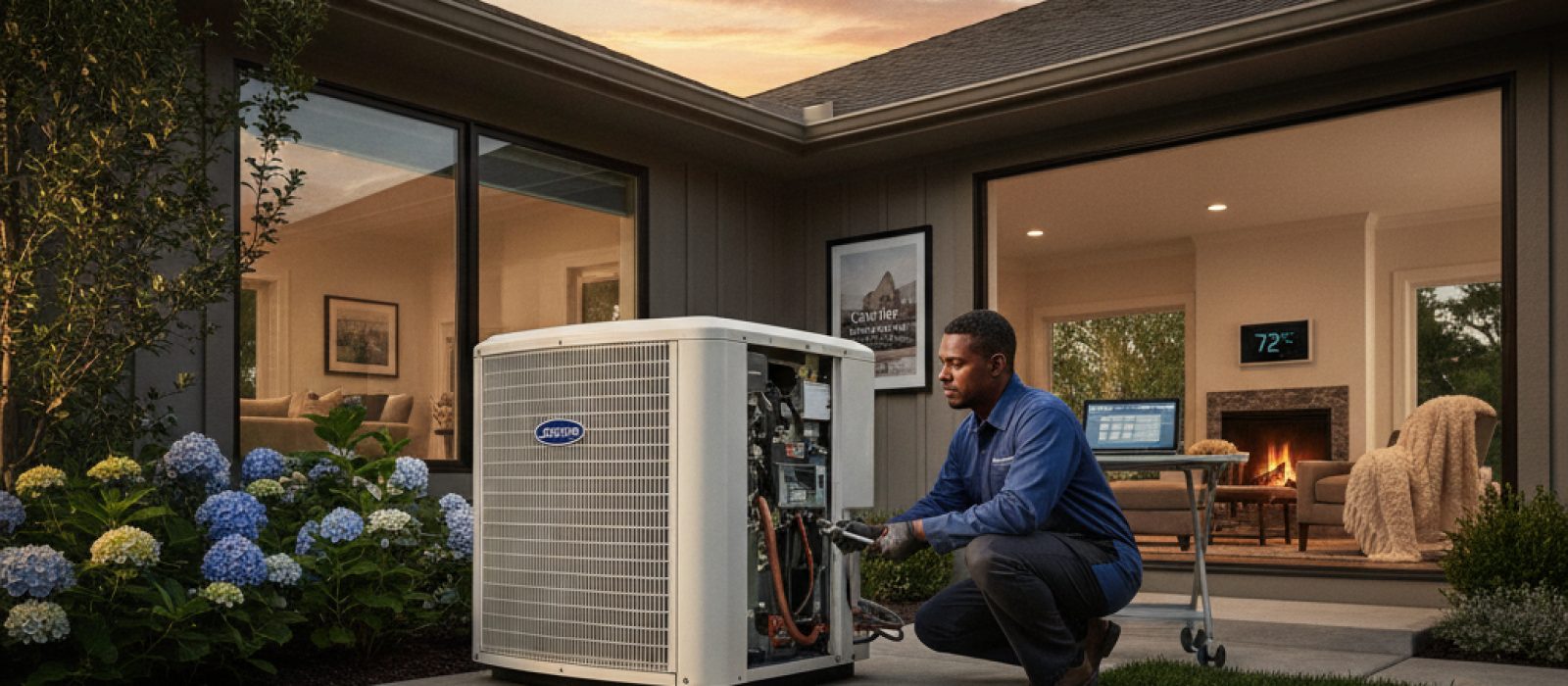
A comprehensive guide to understanding Carrier air conditioning systems, efficiency ratings, installation factors, and maintenance requirements.
An objective look at Goodman HVAC systems, covering performance, longevity, and what homeowners should know before choosing a budget-friendly cooling solution.
A guide to understanding Trane residential cooling systems, including component integration and maintenance requirements for homeowners.
Be the first to comment.