
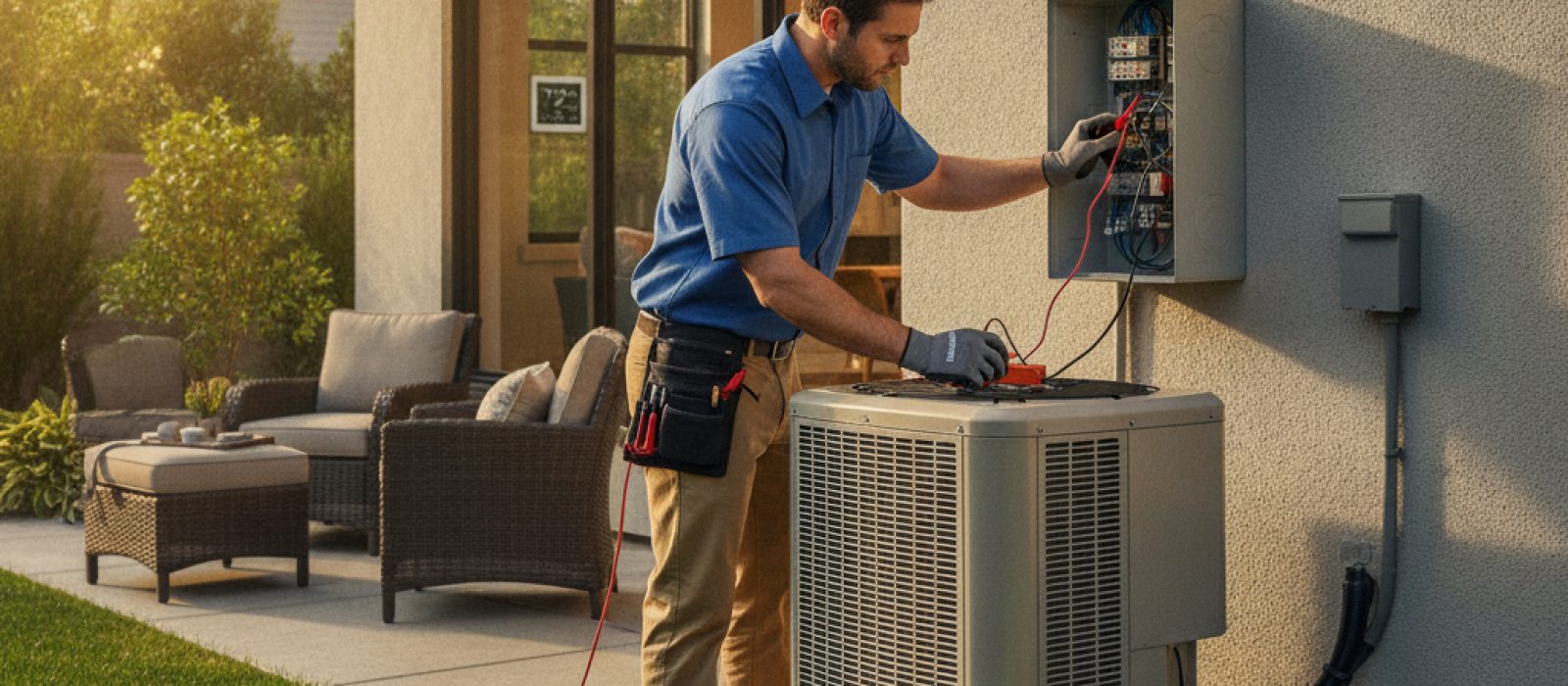
HVAC Disconnect Box: What It Is and Why It Matters
Learn the function of the HVAC disconnect box, why it is vital for safety, and how to identify when this critical component requires professional attention.
4 min read

Your home's HVAC system is one of its most critical components, providing comfort year-round. It's also a significant investment. Just like any complex machinery, proper care and maintenance are crucial to ensure it operates efficiently for as long as possible. Neglecting your HVAC can lead to premature breakdowns, costly repairs, and higher energy bills. Fortunately, many steps you can take are simple, inexpensive, and incredibly effective in extending its lifespan. Let's explore 10 easy ways to get the most out of your heating and cooling system.
This is arguably the simplest yet most impactful maintenance task. A dirty air filter restricts airflow, forcing your HVAC system to work harder, which strains components and increases energy consumption. Check your filters monthly and replace disposable ones every 1-3 months (more often if you have pets, allergies, or live in a dusty area). Reusable filters should be cleaned according to manufacturer instructions.
Think of professional HVAC tune-ups as regular check-ups for your car. A certified technician can identify minor issues before they become major problems, clean coils, check refrigerant levels, lubricate moving parts, and ensure all electrical connections are secure. Annual maintenance helps maintain efficiency, prevent breakdowns, and significantly extend your system's life. Schedule one in the spring for your AC and in the fall for your furnace.
Your outdoor condenser unit needs clear space to dissipate heat effectively. Leaves, grass clippings, dirt, and other debris can accumulate around and inside the unit, impeding airflow. Regularly clear away any vegetation or obstructions within two feet of the unit. You can also gently rinse the coils with a garden hose to remove surface dirt, but always ensure the power is off first.
Constantly adjusting your thermostat or setting it to extreme temperatures can put unnecessary stress on your system. Consider investing in a programmable or smart thermostat to optimize temperature settings throughout the day, ensuring comfort while minimizing strain. Setting your thermostat a few degrees higher in summer and lower in winter when you're away can also save energy and reduce wear and tear.
Blocked or closed vents can disrupt proper airflow, creating pressure imbalances and forcing your system to work harder to distribute conditioned air. Walk through your home and ensure all supply and return vents are fully open and free from furniture, rugs, or drapes. This allows air to circulate freely and efficiently.
Ductwork leaks can waste a significant amount of conditioned air before it reaches your living spaces. This forces your HVAC system to run longer and harder. While major duct sealing is best left to professionals, you can inspect visible ducts in accessible areas (like basements or attics) for obvious gaps or disconnections and seal them with mastic sealant or metallic foil tape. This improves efficiency and reduces strain.
The condensate drain pan and line remove moisture from your AC system. Over time, algae and mold can build up, causing blockages. If the drain line clogs, water can back up, leading to leaks, water damage, and even system shutdown. Periodically pour a cup of distilled vinegar down the condensate drain line to inhibit growth. If you notice standing water, call a professional.
Beyond convenience, a smart thermostat can contribute to system longevity. By learning your habits and optimizing temperature schedules, it reduces unnecessary cycling and ensures your system runs only when needed. Some models also offer maintenance reminders or alert you to potential issues, allowing for proactive intervention.
While not directly about the HVAC unit itself, a well-insulated and sealed home drastically reduces the workload on your heating and cooling system. Proper insulation in walls and attics, along with sealed windows and doors, prevents conditioned air from escaping and unconditioned air from entering. This means your HVAC doesn't have to run as frequently or as intensely, thereby extending its life.
Your HVAC system often gives subtle hints when something isn't right. Unusual noises (grinding, banging, squealing), strange odors, reduced airflow, or inconsistent temperatures are all signs that your system needs attention. Don't ignore these warnings. Addressing minor issues quickly can prevent them from escalating into major, system-damaging problems.
Extending the life of your HVAC system isn't about complex procedures; it's about consistent, mindful care. By incorporating these 10 easy tips into your home maintenance routine, you'll not only enjoy a more comfortable home and lower energy bills but also significantly prolong the life of your essential heating and cooling investment. When in doubt, always consult with a qualified HVAC professional.
Learn the function of the HVAC disconnect box, why it is vital for safety, and how to identify when this critical component requires professional attention.

Ensure long-term comfort and efficiency by asking the right questions about your home's ductwork design during the new construction process.
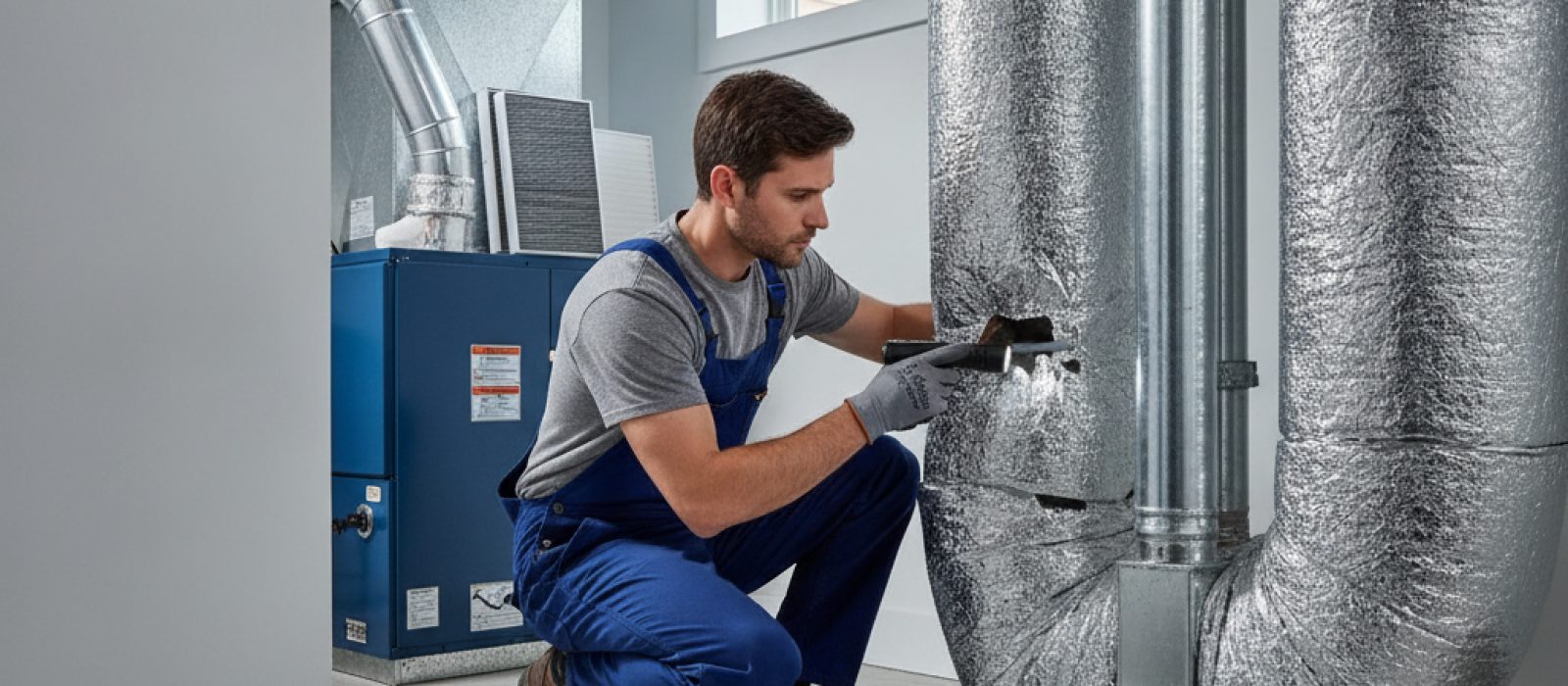
Discover the signs of rodent infestation in your HVAC system and learn how to identify, address, and prevent pest issues in your ductwork.
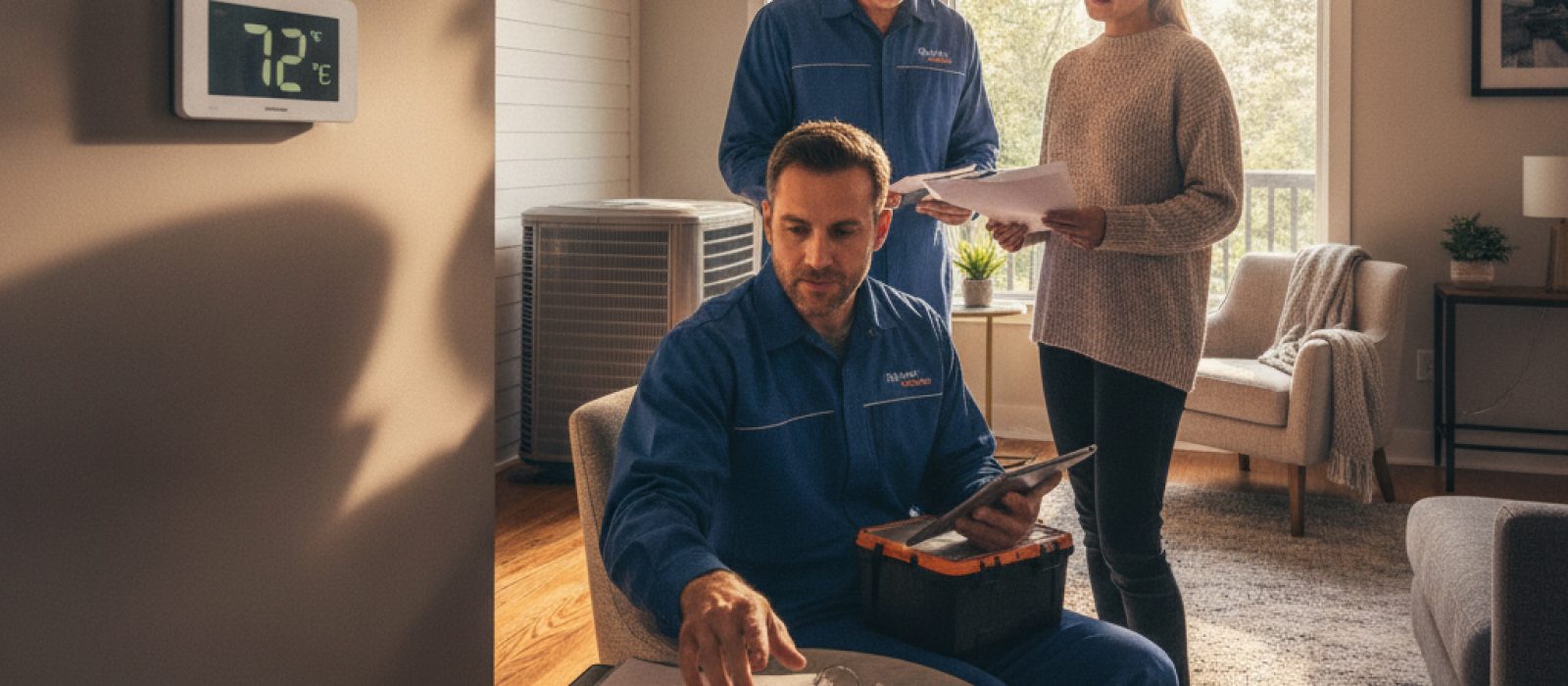
Learn why maintaining a detailed history of your HVAC service records protects your warranty, boosts resale value, and ensures system longevity.
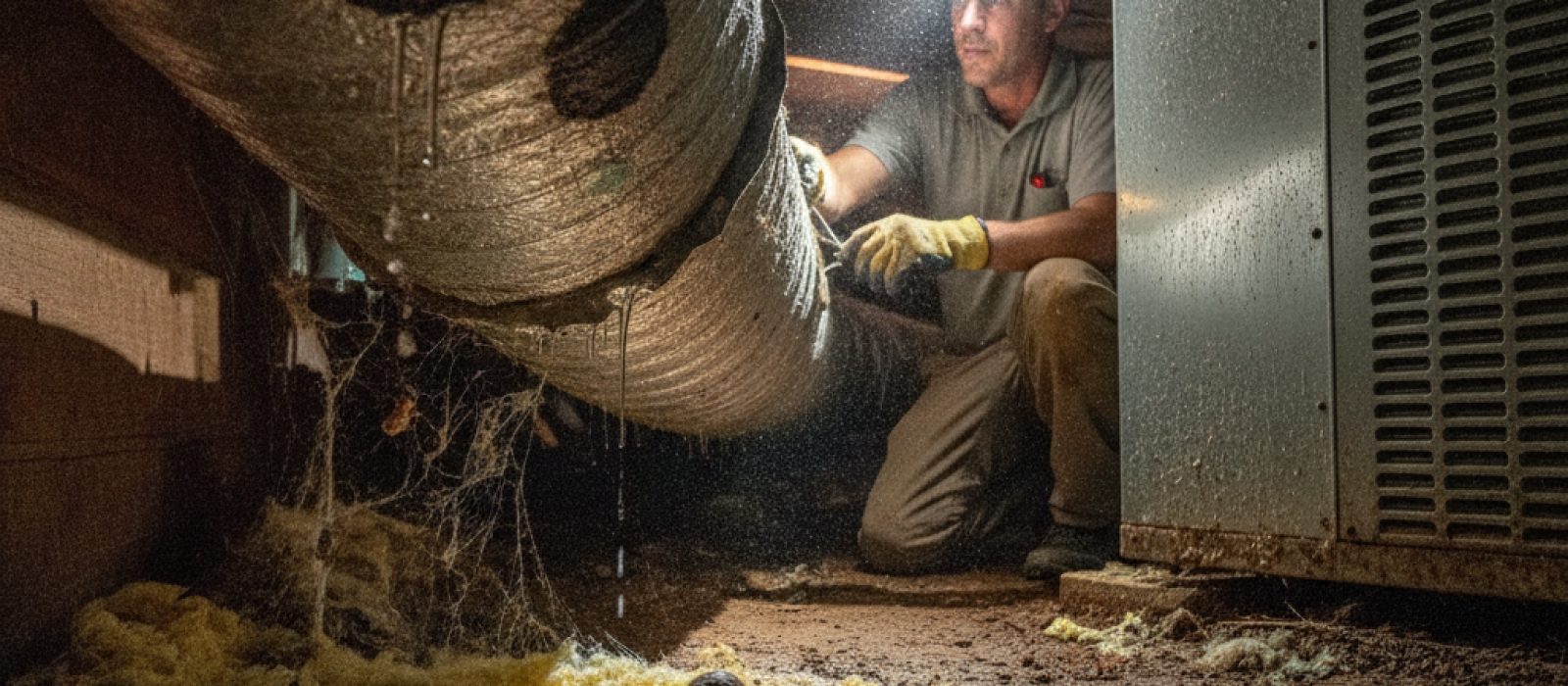
Learn how to identify and resolve common crawl space ductwork problems, including moisture buildup, pest intrusion, and damaged insulation.

Learn how upgrading or maintaining your HVAC registers and grilles can optimize home comfort, improve efficiency, and protect your indoor air quality.
Be the first to comment.