
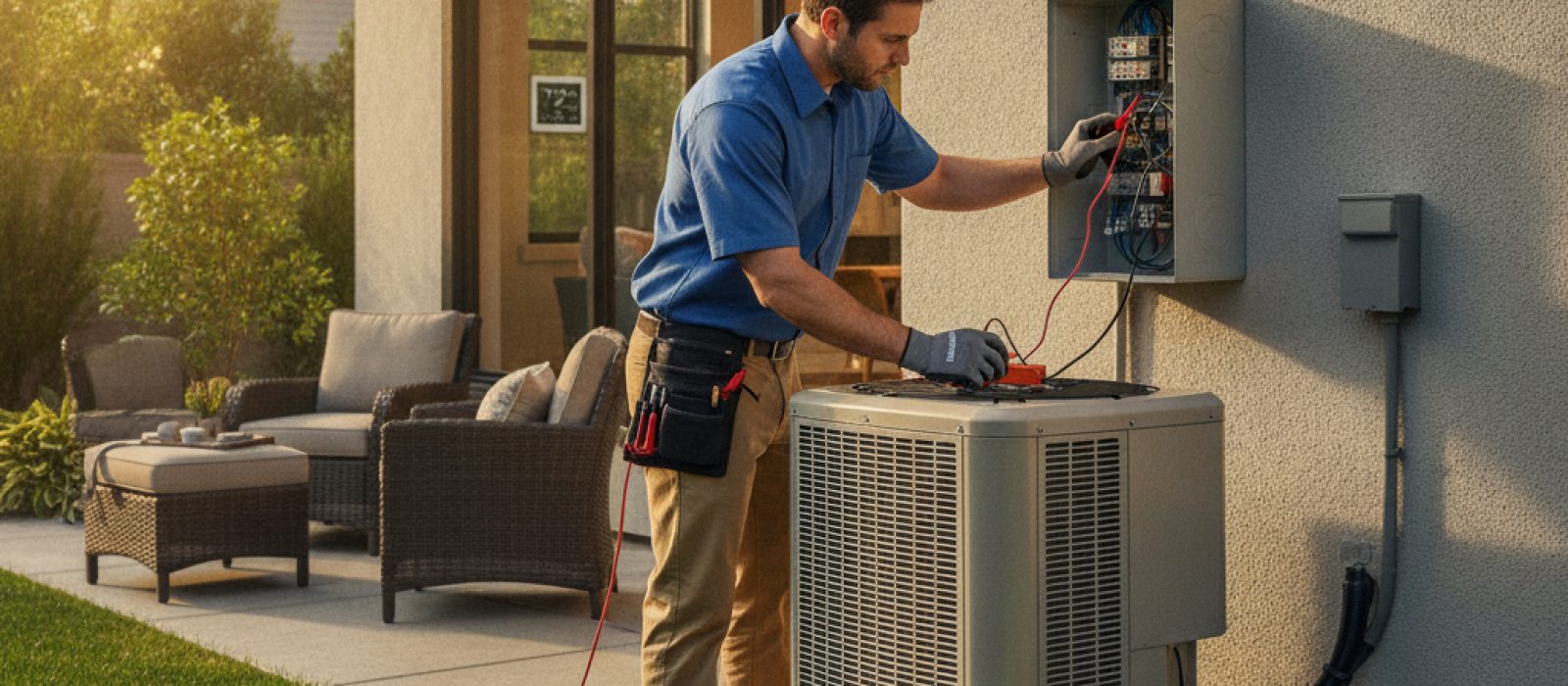
HVAC Disconnect Box: What It Is and Why It Matters
Learn the function of the HVAC disconnect box, why it is vital for safety, and how to identify when this critical component requires professional attention.
3 min read

Crawl spaces are often neglected, yet they house critical infrastructure that directly influences indoor comfort and air quality. When ductwork runs through these dark, damp environments, it is susceptible to unique stressors that can degrade system performance. This guide covers how to identify signs of trouble, the risks of inaction, and the maintenance steps required to protect your home's forced-air system.
Moisture is the primary enemy of crawl space ductwork. When warm, humid air from the crawl space contacts cool metal ducts during the cooling season, condensation forms on the exterior. Over time, this moisture can lead to rust, structural degradation of the ducts, and the growth of mold or mildew.
Signs of a moisture issue include:
If you notice these signs, professional assessment is necessary to determine if the ductwork has been compromised. In some cases, professional Ductwork Services can resolve the issue by sealing leaks or improving the insulation wrap to prevent the temperature differential that causes condensation.
Crawl spaces provide a protected environment for rodents, insects, and other pests. These creatures often view flexible ductwork as a nesting site or a path to move throughout the home. Even small gaps in duct connections can allow pests to infiltrate the system, leading to the distribution of allergens and debris throughout your living space.
Pests typically damage ductwork by:
If you suspect pest activity, avoid disturbing the area until a professional has evaluated the integrity of the ducts. Once the pests are removed, a technician can perform repairs to restore the airtight seal of your system, which is essential for maintaining proper Indoor Air Quality.
Insulation on crawl space ductwork serves two purposes: preventing condensation and maintaining the temperature of the conditioned air as it travels to your rooms. When insulation is torn, compressed, or falling away from the ducts, the system loses thermal efficiency.
Energy loss occurs when cold air in the summer or warm air in the winter is lost to the unconditioned crawl space. This forces your furnace or air conditioner to work harder to achieve the desired thermostat setting, increasing wear and energy consumption. Regular Maintenance & Tune-up visits often include an inspection of these insulation layers to ensure they remain intact and effective.
Homeowners can safely conduct visual inspections using a high-powered flashlight while remaining outside the crawl space or standing on a secure, stable platform. However, entering a crawl space involves significant physical risks, including electrical hazards from wiring, sharp sheet metal edges, and potential exposure to biological hazards like mold or animal droppings.
Never attempt to disconnect, repair, or reroute ductwork yourself. Improperly sealed ducts can lead to backdrafting of combustion gases if the system is connected to a furnace. If you identify significant damage or suspect your system is underperforming, contact a professional for Heating Services or cooling diagnostics. Licensed technicians have the proper protective equipment and tools to safely access, clean, and repair ductwork in confined environments.
To minimize future issues, consider the following preventative steps:
By proactively managing the environment surrounding your ductwork, you protect your HVAC investment and ensure that the air circulating in your home remains clean, comfortable, and consistent.
Learn the function of the HVAC disconnect box, why it is vital for safety, and how to identify when this critical component requires professional attention.
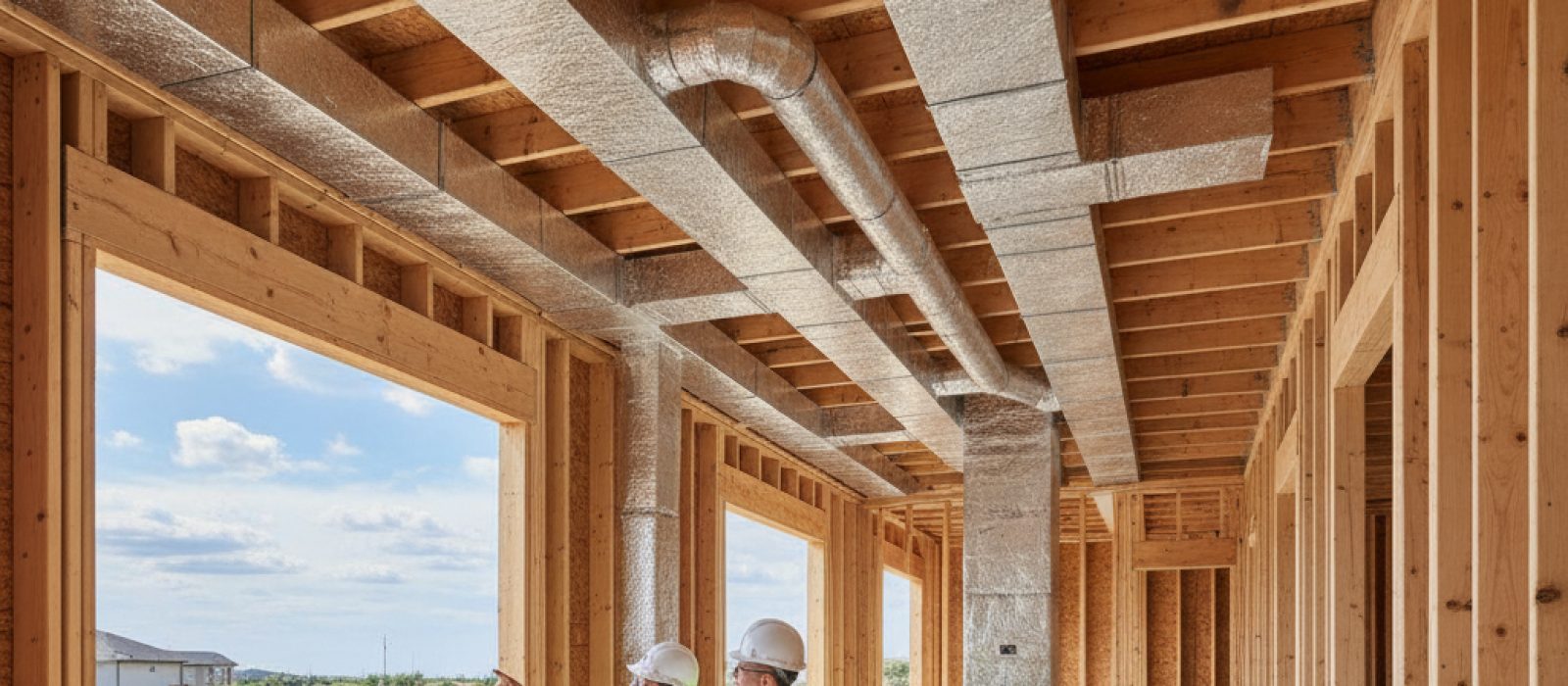
Ensure long-term comfort and efficiency by asking the right questions about your home's ductwork design during the new construction process.
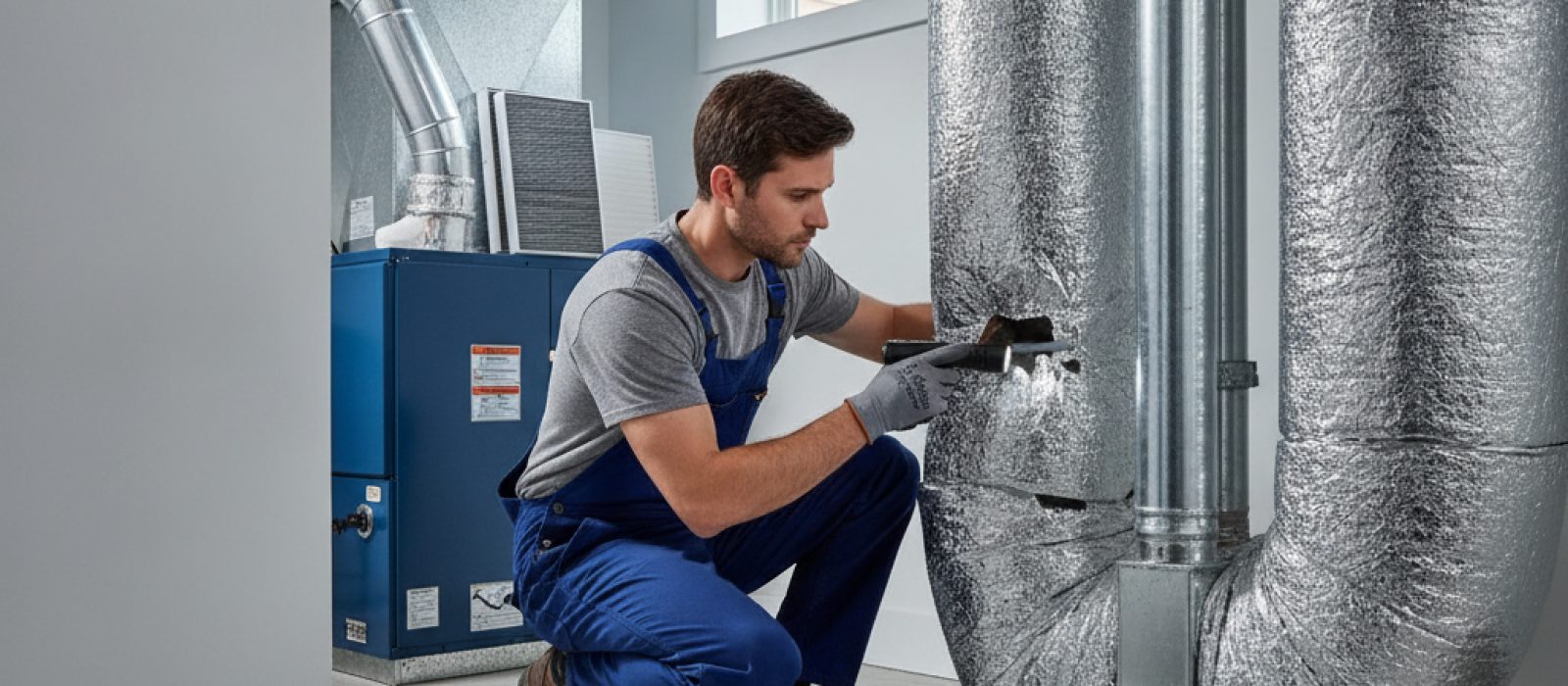
Discover the signs of rodent infestation in your HVAC system and learn how to identify, address, and prevent pest issues in your ductwork.
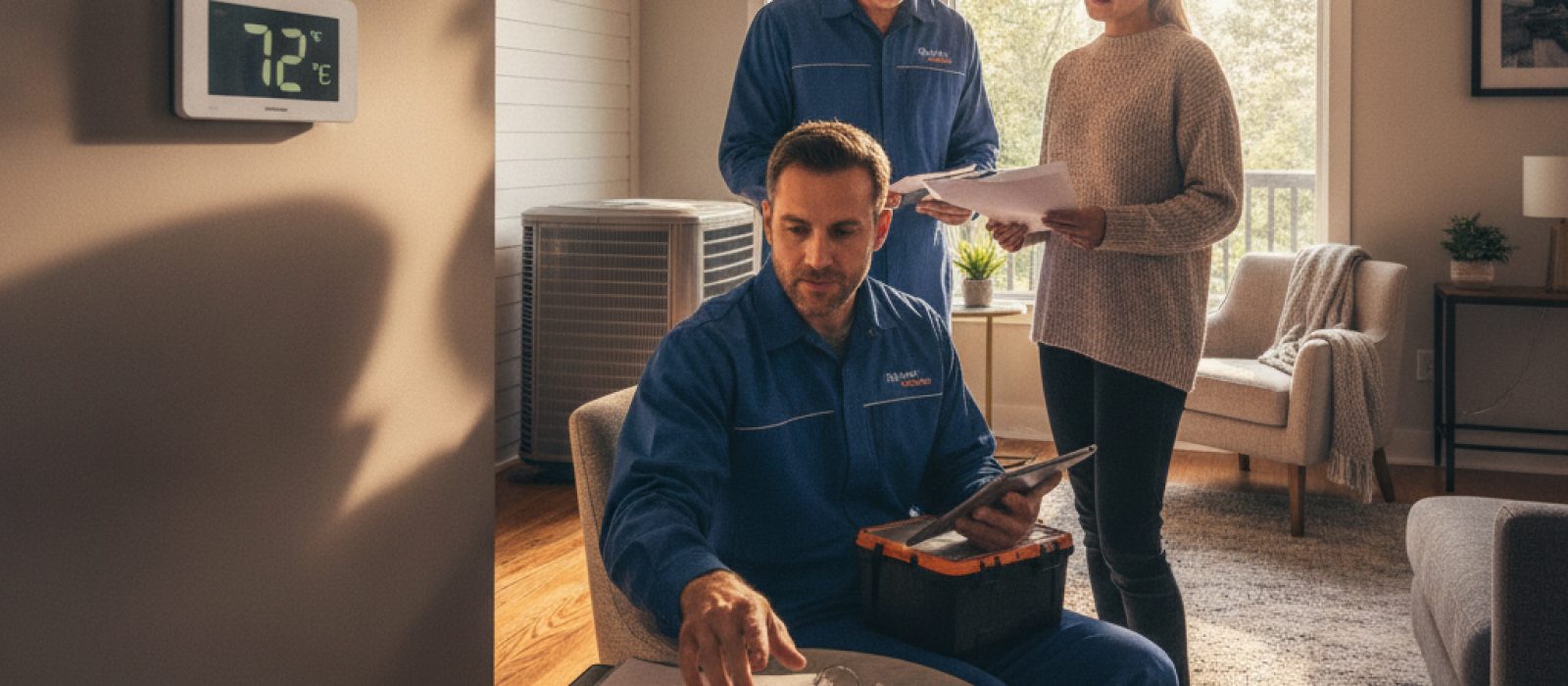
Learn why maintaining a detailed history of your HVAC service records protects your warranty, boosts resale value, and ensures system longevity.
Learn how upgrading or maintaining your HVAC registers and grilles can optimize home comfort, improve efficiency, and protect your indoor air quality.
Protect your vacation property from moisture, mold, and system failure with a targeted seasonal HVAC maintenance strategy designed for unoccupied homes.
Be the first to comment.