
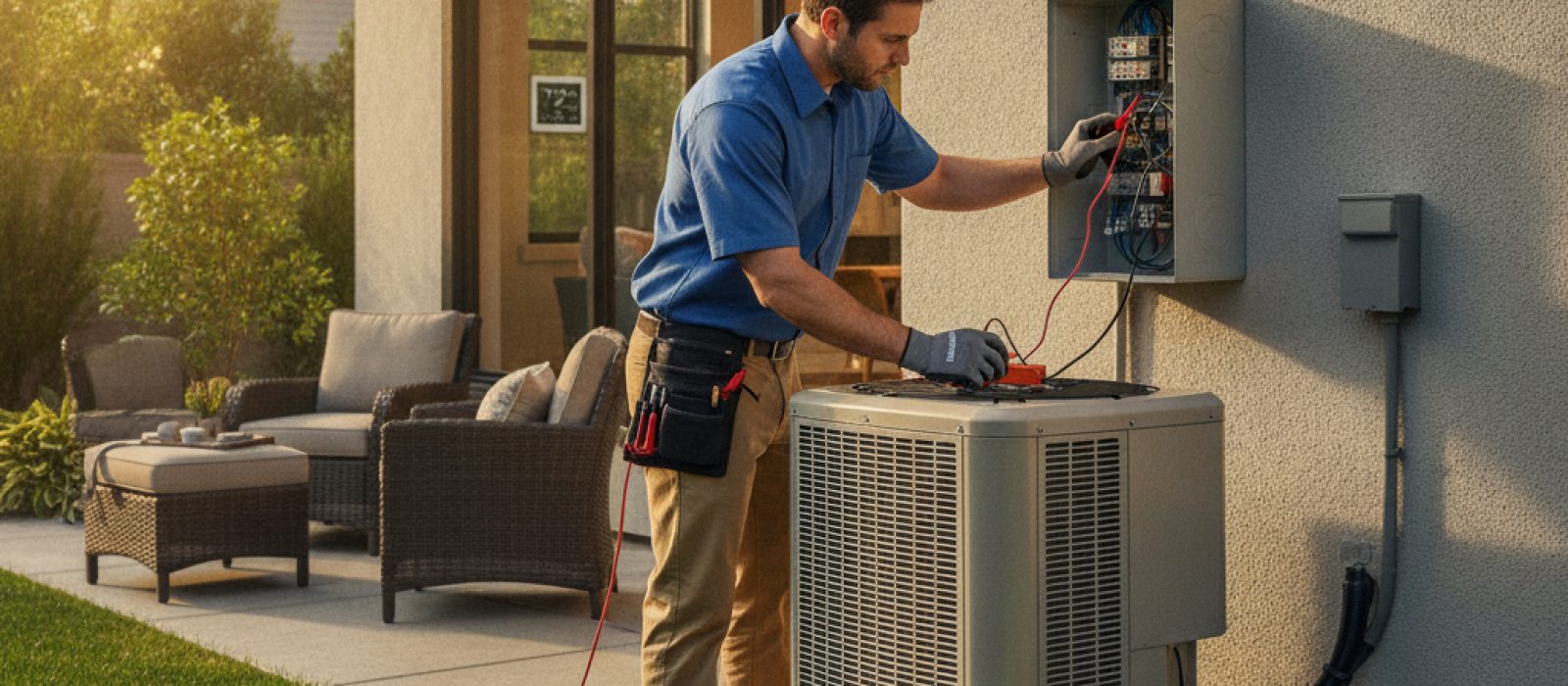
HVAC Disconnect Box: What It Is and Why It Matters
Learn the function of the HVAC disconnect box, why it is vital for safety, and how to identify when this critical component requires professional attention.
4 min read

Coastal living presents unique challenges for mechanical equipment, specifically regarding the rapid deterioration of outdoor condenser units. Salt-laden air acts as a catalyst for oxidation, creating a chemical reaction that accelerates the corrosion of aluminum fins and copper tubing. This process, often referred to as galvanic corrosion, compromises the integrity of the heat exchanger, leading to refrigerant leaks and reduced system efficiency.
When salt particles settle on the delicate metal components of an outdoor unit, they trap moisture, creating a persistent, corrosive environment. Over time, the aluminum fins—which are essential for heat transfer—begin to flake and crumble. Once these fins are compromised, the system struggles to dissipate heat, forcing the compressor to work harder and increasing the likelihood of a total system breakdown.
Homeowners in coastal regions should perform visual inspections of their outdoor units at least once a month. Look for signs of white, powdery residue on the condenser fins, which is an early indicator of oxidation. Additionally, inspect the base pan and the mounting bolts for rust or pitting. The electrical components inside the service panel, such as contactors and capacitors, are also susceptible to salt air, which can cause poor electrical connections and erratic system performance.
If the fins appear bent, flattened, or are missing chunks of material, the cooling capacity of the system is already diminished. During these inspections, observe the copper lines entering the house. If the insulation has deteriorated, salt air will attack the copper directly, leading to pinhole leaks that are difficult and costly to repair.
Regular Maintenance & Tune-up visits are the most effective way to extend the lifespan of coastal HVAC equipment. A professional technician can apply specialized protective coatings to the condenser coils that act as a barrier against salt air. These coatings are designed to withstand harsh environments without impeding airflow or heat transfer efficiency.
Consistent cleaning is equally vital. Rinsing the outdoor unit with fresh water—not pressurized water—can remove accumulated salt deposits before they have the chance to bond with the metal. This should be done carefully to avoid damaging the fragile fins. If you notice signs of electrical corrosion, such as humming sounds or intermittent startup failures, it is time to consult with a professional for Electrical Services to ensure safe operation.
When installing a new system, placement is a critical factor. If possible, position the outdoor unit on the side of the home that faces away from the prevailing salt-heavy winds. Installing a wind break, such as a lattice fence or a specialized enclosure, can significantly reduce the amount of salt spray reaching the equipment. However, ensure that any enclosure allows for sufficient clearance and airflow, as restricting the unit's breathing will lead to overheating.
For homeowners managing Heat Pumps in coastal areas, the stakes are often higher due to the dual-function nature of the equipment. Because these systems run year-round, they are exposed to the elements constantly. Utilizing a high-quality, manufacturer-approved protective spray or a weather-resistant cover during long periods of non-use can offer additional layers of defense against the salt-laden atmosphere.
While rinsing the exterior of the condenser is a safe DIY maintenance task, any work involving the internal components of the HVAC system must be handled by a licensed professional. Attempting to clean the interior of the coil or inspecting electrical contacts involves significant risks, including exposure to high-voltage currents and pressurized refrigerant.
If you suspect your system is losing efficiency or if you see visible signs of severe corrosion, schedule an inspection. A technician can assess whether the unit can be repaired or if it has reached the end of its functional life. In many coastal cases, proactive care during AC Services appointments can delay the need for a full system replacement by several years, providing a better return on your investment in home comfort.
The high humidity levels inherent in coastal regions often go hand-in-hand with salt air. If your home feels clammy, it may be a sign that your HVAC system is struggling to manage moisture. This excess humidity can foster mold and mildew, which negatively impacts your Indoor Air Quality. Ensuring that your system is properly sized for your home is essential, as an oversized unit will short-cycle and fail to remove sufficient moisture from the air, leaving your home susceptible to indoor air quality issues.
Learn the function of the HVAC disconnect box, why it is vital for safety, and how to identify when this critical component requires professional attention.

Ensure long-term comfort and efficiency by asking the right questions about your home's ductwork design during the new construction process.
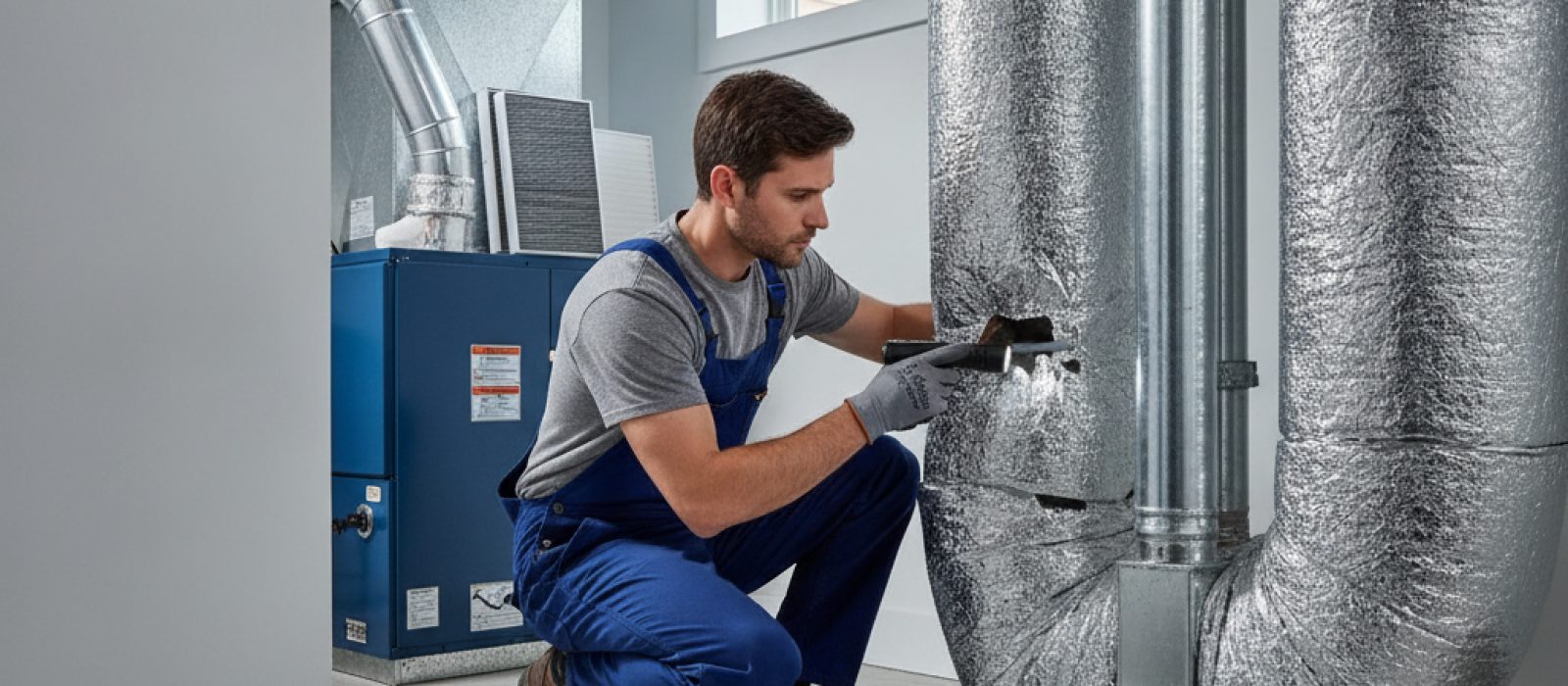
Discover the signs of rodent infestation in your HVAC system and learn how to identify, address, and prevent pest issues in your ductwork.
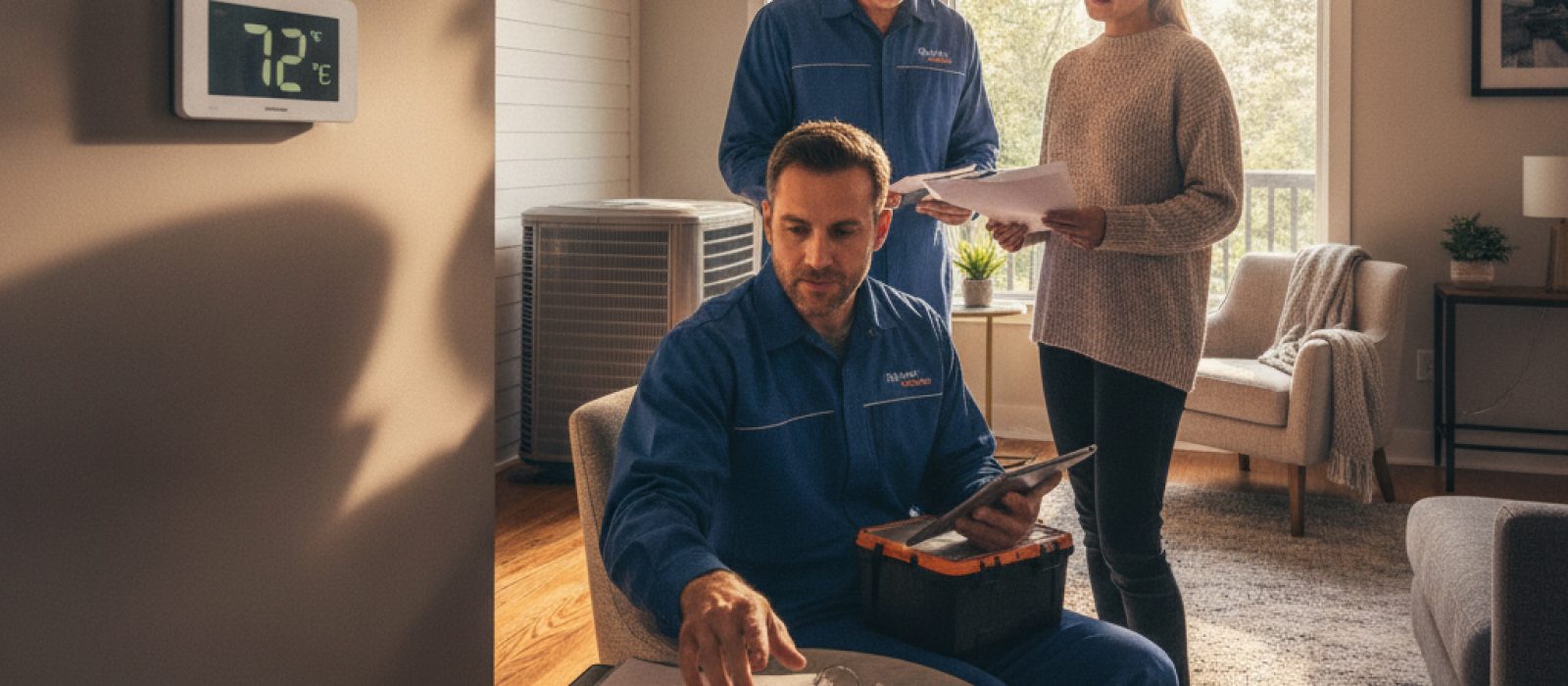
Learn why maintaining a detailed history of your HVAC service records protects your warranty, boosts resale value, and ensures system longevity.
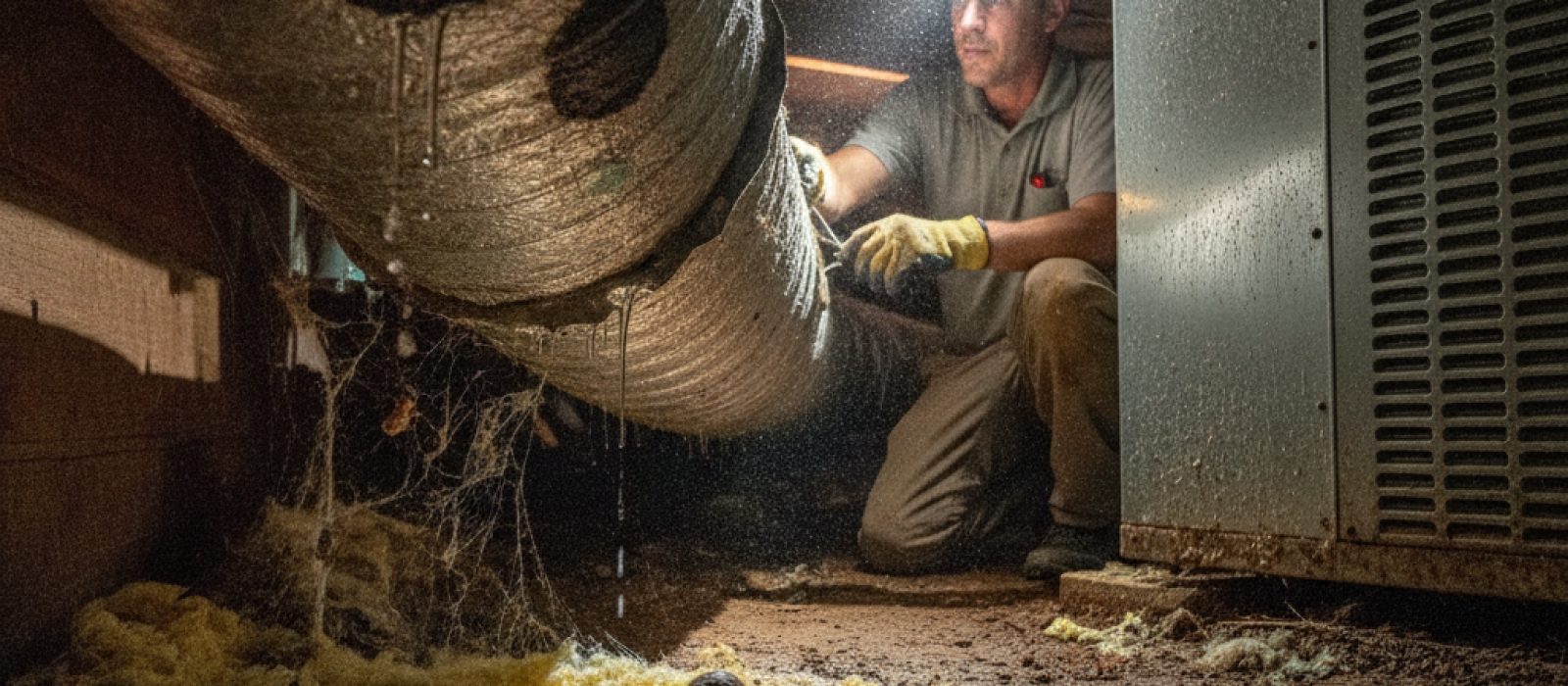
Learn how to identify and resolve common crawl space ductwork problems, including moisture buildup, pest intrusion, and damaged insulation.

Learn how upgrading or maintaining your HVAC registers and grilles can optimize home comfort, improve efficiency, and protect your indoor air quality.
Be the first to comment.