
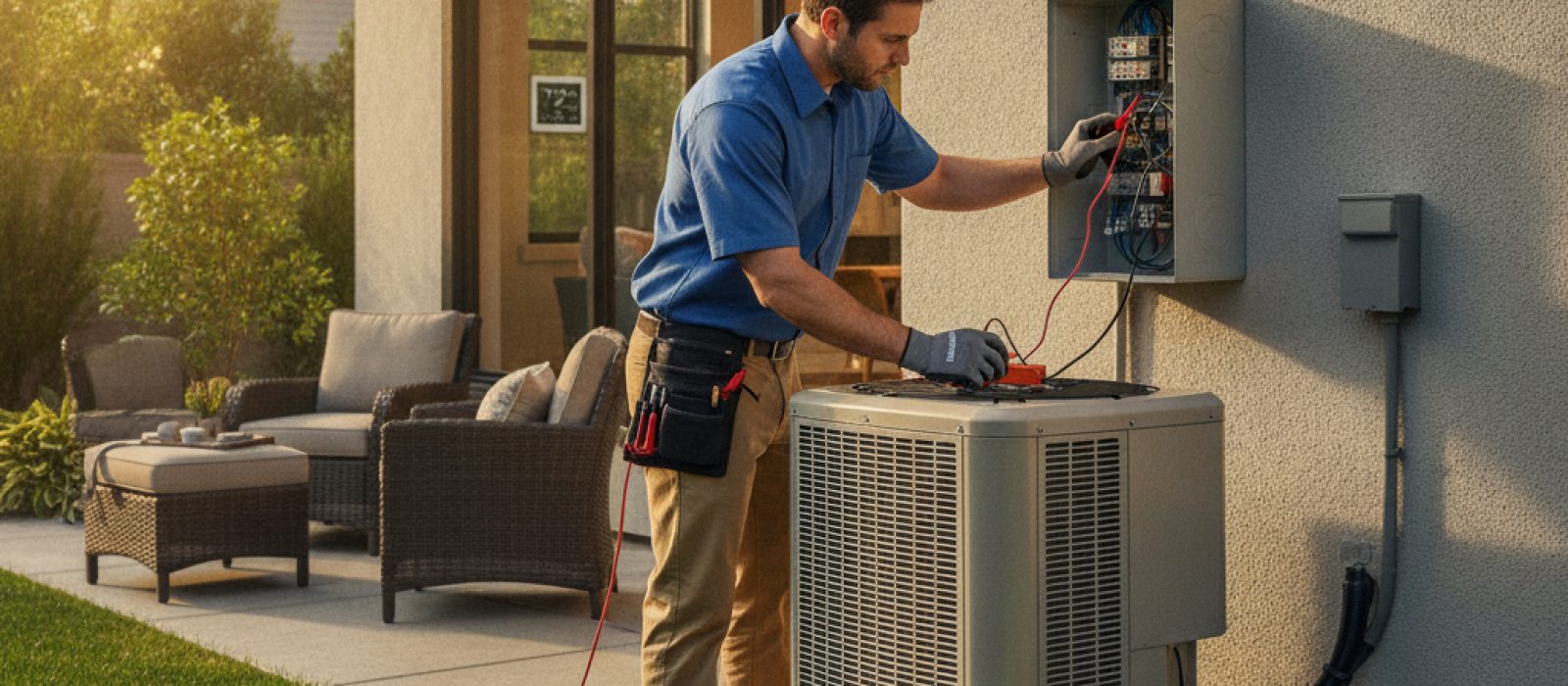
HVAC Disconnect Box: What It Is and Why It Matters
Learn the function of the HVAC disconnect box, why it is vital for safety, and how to identify when this critical component requires professional attention.
4 min read

A condensate pump is a critical component in HVAC systems where gravity cannot drain water away from the unit. As your air conditioner or high-efficiency furnace dehumidifies the air, water collects in a drain pan. The condensate pump collects this water and forces it through a discharge tube to an external drain or plumbing line. When this pump fails, water can back up into the system, leading to overflow, property damage, or the activation of safety switches that shut down your cooling or heating equipment entirely.
Identifying a failing pump early can prevent significant water damage to your home. Homeowners should monitor their systems for specific, recurring indicators that suggest the pump is no longer operating efficiently.
Before assuming the pump requires replacement, perform a few basic checks to rule out minor obstructions. Always turn off power to the HVAC system at the breaker or the local service switch before inspecting internal components to avoid electrical hazards.
Debris such as algae, dust, or mineral deposits often accumulates in the condensate line, preventing water from reaching the pump or exiting the discharge tube. Use a wet-dry vacuum to gently clear the discharge line from the outside terminal. If the line is clear but the pump remains silent, the issue may be electrical or mechanical.
The float switch is a mechanical sensor that detects water levels. If the float is stuck in the 'up' position due to slime or sediment, the pump may think the tank is full, or the safety switch may keep the system disabled. Gently clean the float mechanism and ensure it moves freely. If it feels jammed, a thorough cleaning with mild soap and water can often restore functionality.
While clearing a simple blockage or cleaning a float switch is manageable for some, electrical issues require a licensed technician. If the pump shows signs of a burnt-out motor, has a cracked housing, or if the wiring shows signs of corrosion, attempting a repair without specialized knowledge can be dangerous. Professionals provide comprehensive Maintenance & Tune-up services to ensure your entire drainage system is clear and that all safety sensors are calibrated correctly. In cases where the pump is beyond repair, a technician can provide proper installation of a new unit, ensuring it is sized correctly for your system's capacity.
Regular upkeep is the most effective way to extend the lifespan of your condensate pump. During your seasonal Maintenance & Tune-up, ensure the condensate pan is cleaned of any biological growth. Algae buildup is the leading cause of pump failure, as it clogs the sensors and the narrow discharge tubing. Some homeowners find success by occasionally flushing the drain line with a vinegar solution, though it is important to verify this is compatible with your specific equipment manufacturer’s guidelines. If you notice recurring issues despite regular cleaning, consider scheduling an inspection with experts in Indoor Air Quality to determine if high humidity levels are putting excessive strain on your drainage system.
A condensate pump is a relatively small investment that protects a much larger asset. By paying attention to the drainage cycle and keeping the lines clear, you prevent the secondary damage caused by overflows, such as mold growth, ruined flooring, or drywall damage. If you notice that your system frequently shuts down, it is often a sign that the drainage system is struggling to keep up with the volume of moisture being removed from the air. Professional assessment ensures that your plumbing lines are properly sloped and that the pump is rated for the correct lift height required by your home's configuration.
Learn the function of the HVAC disconnect box, why it is vital for safety, and how to identify when this critical component requires professional attention.

Ensure long-term comfort and efficiency by asking the right questions about your home's ductwork design during the new construction process.
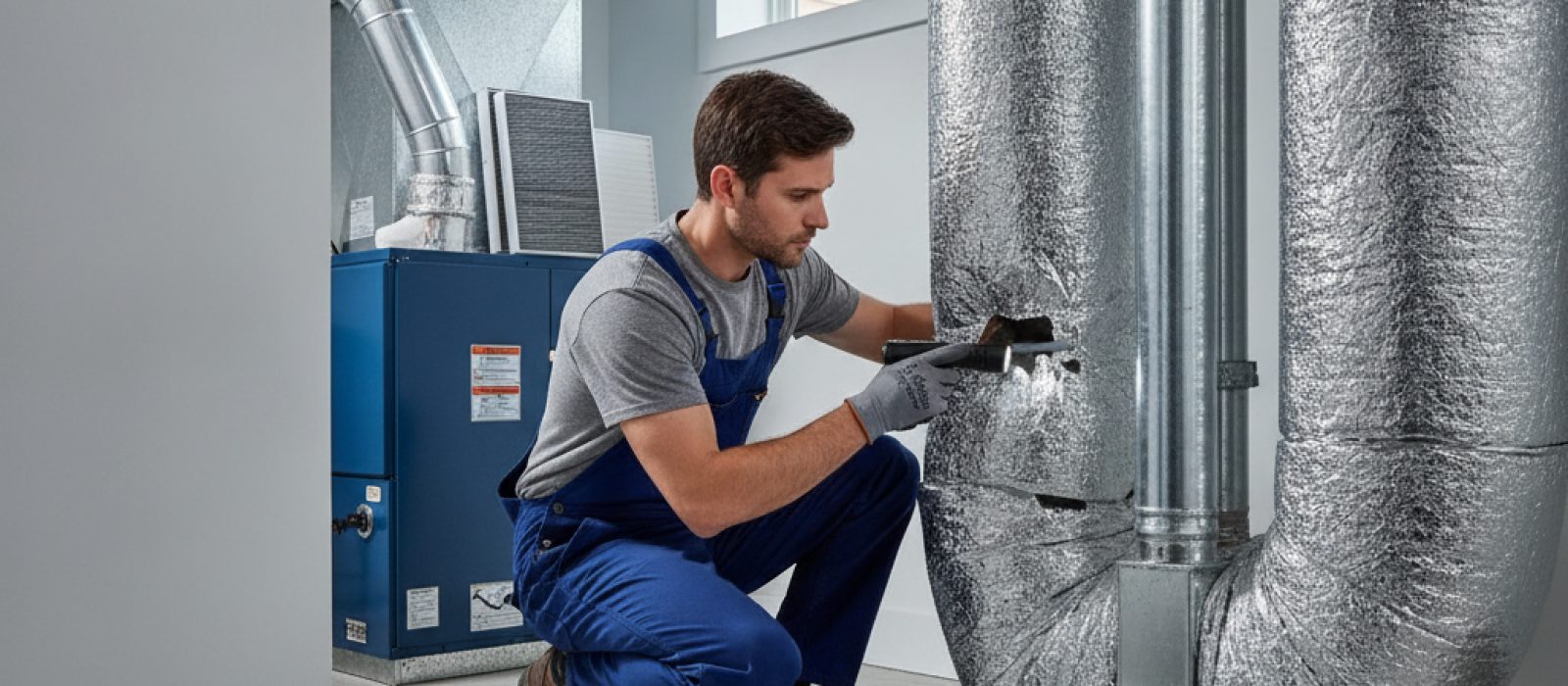
Discover the signs of rodent infestation in your HVAC system and learn how to identify, address, and prevent pest issues in your ductwork.
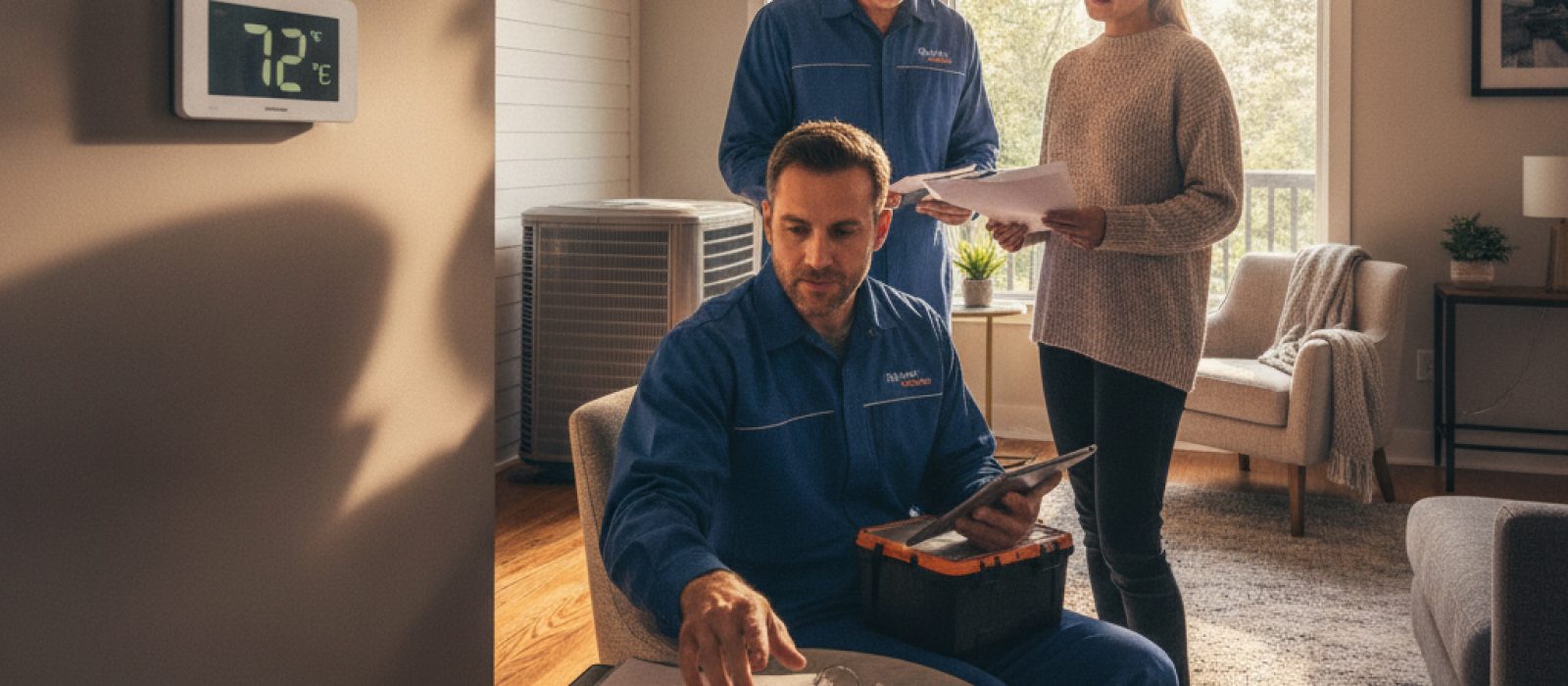
Learn why maintaining a detailed history of your HVAC service records protects your warranty, boosts resale value, and ensures system longevity.
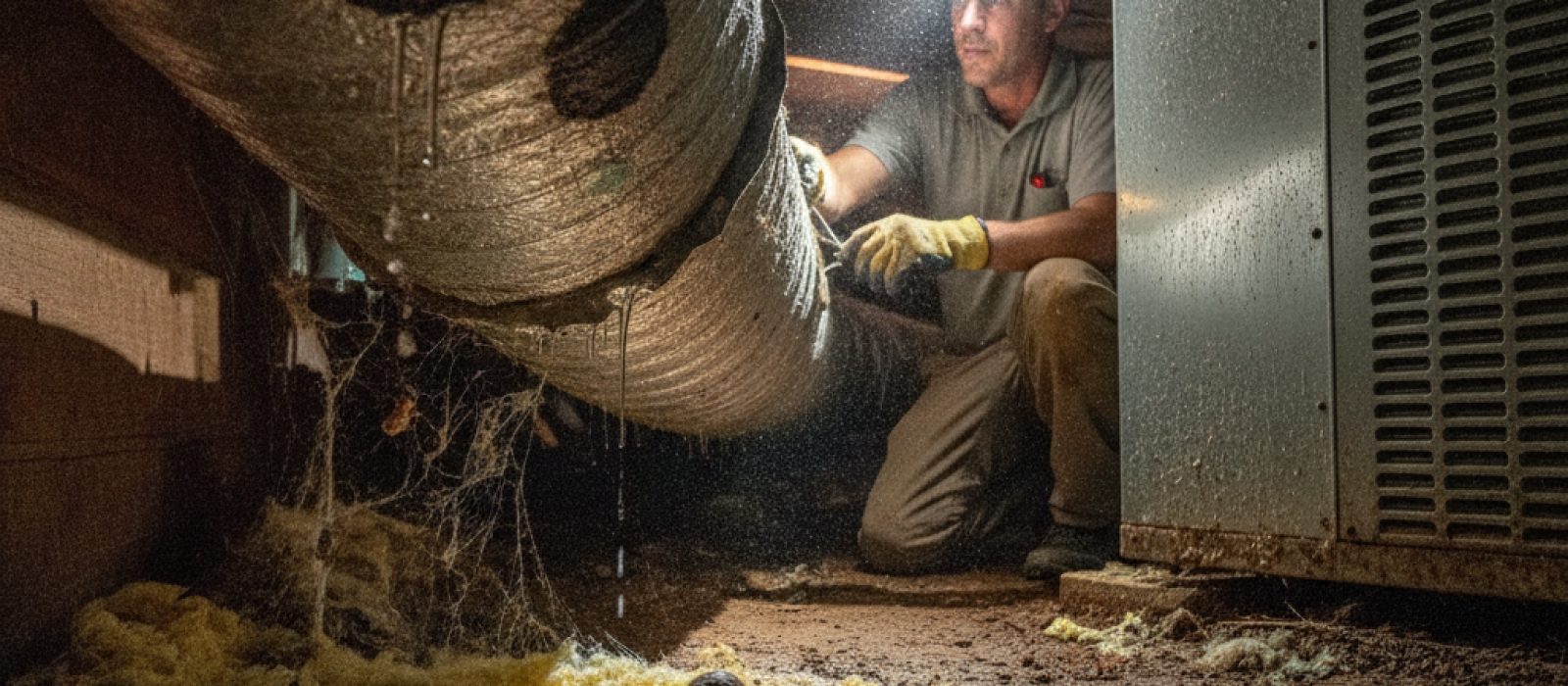
Learn how to identify and resolve common crawl space ductwork problems, including moisture buildup, pest intrusion, and damaged insulation.

Learn how upgrading or maintaining your HVAC registers and grilles can optimize home comfort, improve efficiency, and protect your indoor air quality.
Be the first to comment.