
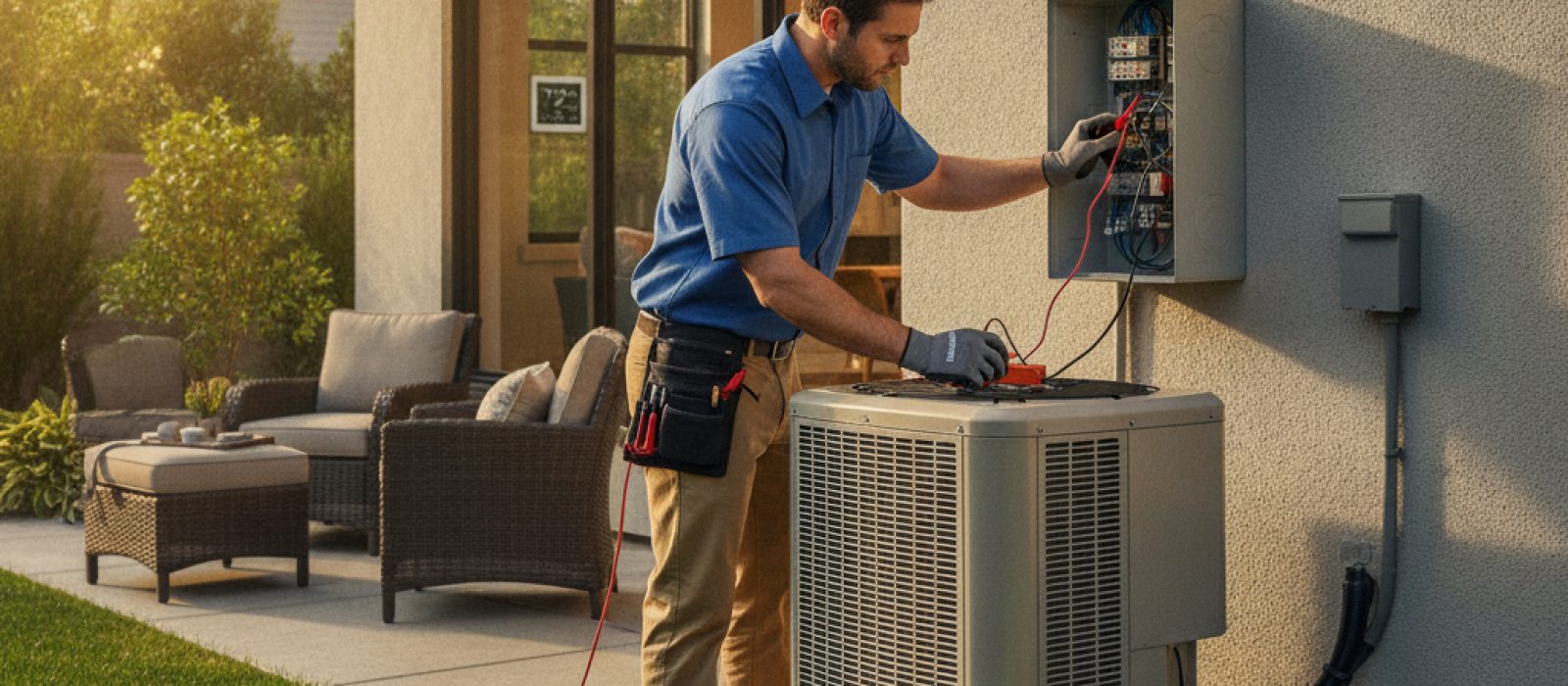
HVAC Disconnect Box: What It Is and Why It Matters
Learn the function of the HVAC disconnect box, why it is vital for safety, and how to identify when this critical component requires professional attention.
3 min read

Vacation homes and seasonal rentals face unique HVAC stressors that full-time residences do not encounter. When a property remains unoccupied for weeks or months, the lack of airflow and the absence of human intervention can lead to rapid humidity spikes, stagnant air, and mechanical neglect. This guide covers how to prepare your climate control systems for long dormant periods and how to maintain them remotely to prevent costly damage.
High humidity is the primary enemy of an empty vacation home. When temperatures shift, moisture can condense on interior surfaces, leading to mold growth, musty odors, and damage to finishes. Maintaining a consistent, moderate temperature range is essential to manage dew points effectively.
A common mistake is turning the system completely off during the off-season. Instead, set the thermostat to a 'vacation' or 'away' mode that maintains a safe range—typically between 55 and 60 degrees Fahrenheit for heating or 80 to 85 degrees for cooling. This keeps the air circulating through the return vents and helps the system control moisture levels.
Installing a smart thermostat is the single most effective upgrade for a vacation property. These devices allow for remote monitoring of indoor temperature and humidity levels from anywhere in the world. Many models also send alerts if the temperature drops below a threshold that indicates a potential pipe freeze or rises above a level that suggests an AC failure.
Beyond temperature monitoring, smart thermostats provide data on system runtime. If you notice the system running significantly more than usual, it may indicate a refrigerant leak or a failing blower motor, allowing you to schedule Maintenance & Tune-up services before a total breakdown occurs while guests are present.
Before leaving your property for an extended period, perform a visual inspection of the HVAC components. Ensure the area around the outdoor condenser is clear of debris, such as leaves, pine needles, or overgrown shrubs, which can restrict airflow and strain the compressor.
Standard residential HVAC maintenance schedules often assume daily occupancy. For vacation homes, the schedule should be adjusted based on the climate of the region. In humid coastal environments, systems may require more frequent professional inspections to prevent corrosion and fungal growth within the air handler.
Scheduling professional Heating Services or AC Services ahead of the high season ensures that your system is ready for the increased load of renters. A technician can perform a deep clean of the evaporator coils and verify that electrical connections are tight, which is crucial for systems that sit idle for months at a time.
Stagnant air collects dust and allergens, which can be particularly problematic for guests with sensitivities. If your property is located in an area with high pollen counts or wildfire risk, consider upgrading your filtration system. Advanced Indoor Air Quality solutions, such as high-MERV filters or integrated air purifiers, can help maintain a cleaner environment while the home is closed.
If you suspect the ductwork has accumulated significant debris, scheduling professional Air Duct Cleaning during the off-season prevents that dust from being circulated the moment the system kicks back on for new arrivals. Clean ducts also improve the overall efficiency of the HVAC system, reducing the energy cost of maintaining the property while it is empty.
Even with the best maintenance, mechanical failures can happen. Create an emergency plan that includes contact information for a trusted local HVAC company that offers 24/7 service. Ensure that a property manager or a neighbor has access to the utility closets and the outdoor units. Having a clear plan in place prevents minor issues from escalating into structural damage, such as a burst pipe caused by a furnace failure during a cold snap.
Learn the function of the HVAC disconnect box, why it is vital for safety, and how to identify when this critical component requires professional attention.

Ensure long-term comfort and efficiency by asking the right questions about your home's ductwork design during the new construction process.
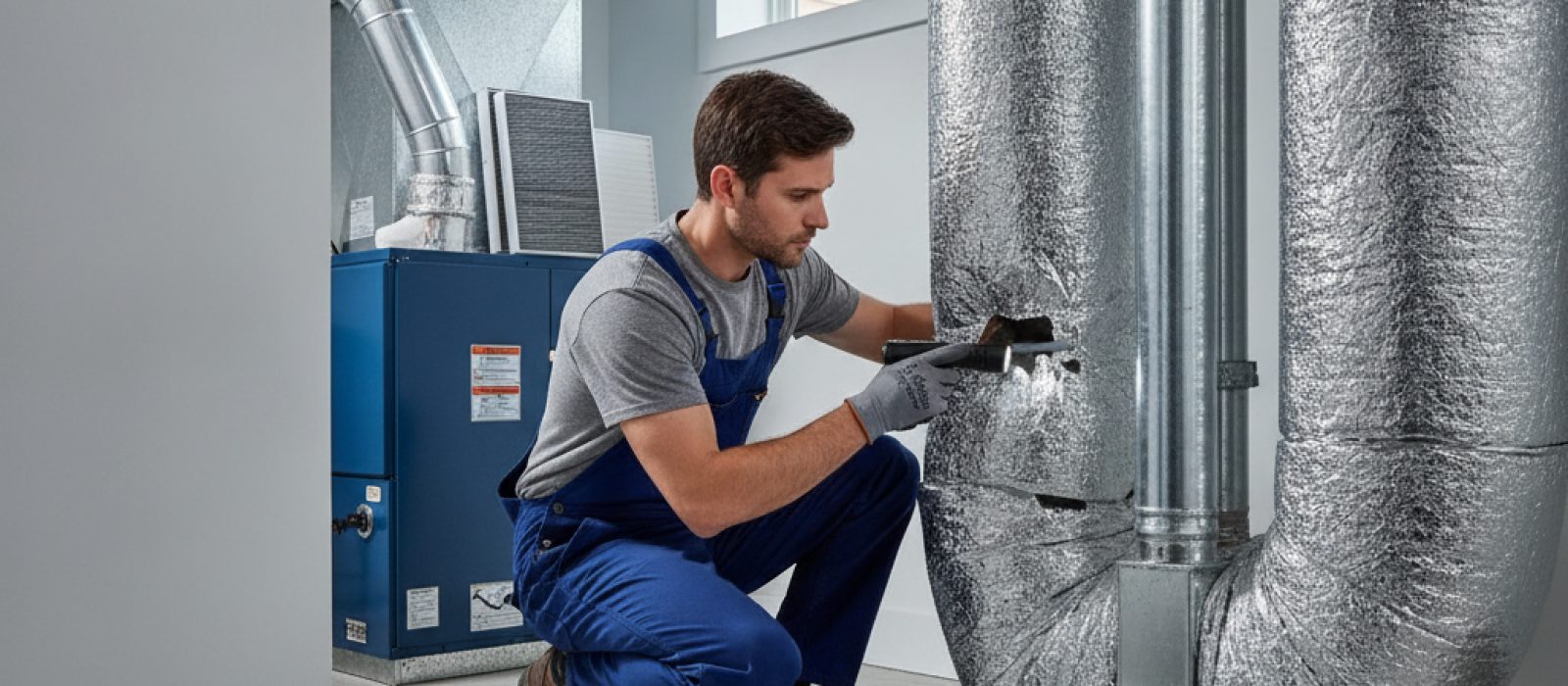
Discover the signs of rodent infestation in your HVAC system and learn how to identify, address, and prevent pest issues in your ductwork.
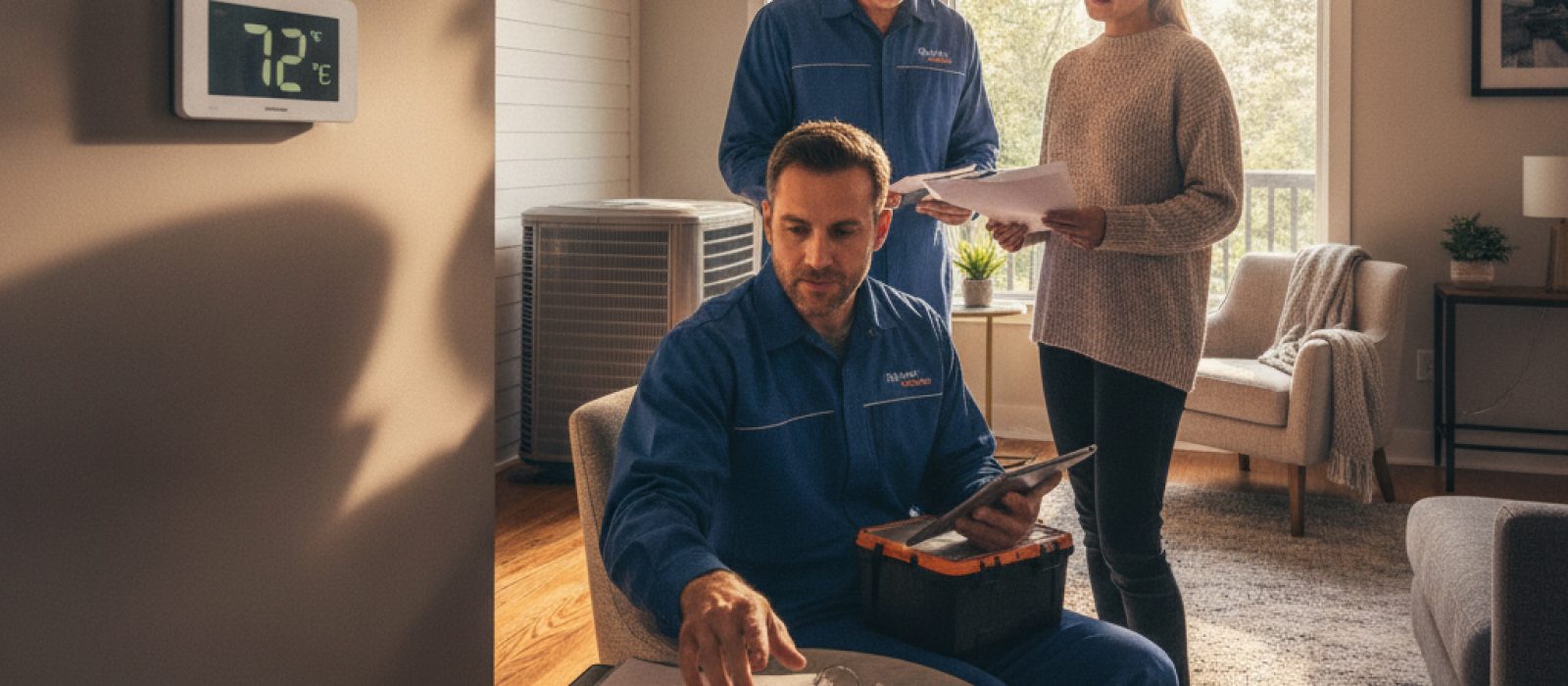
Learn why maintaining a detailed history of your HVAC service records protects your warranty, boosts resale value, and ensures system longevity.
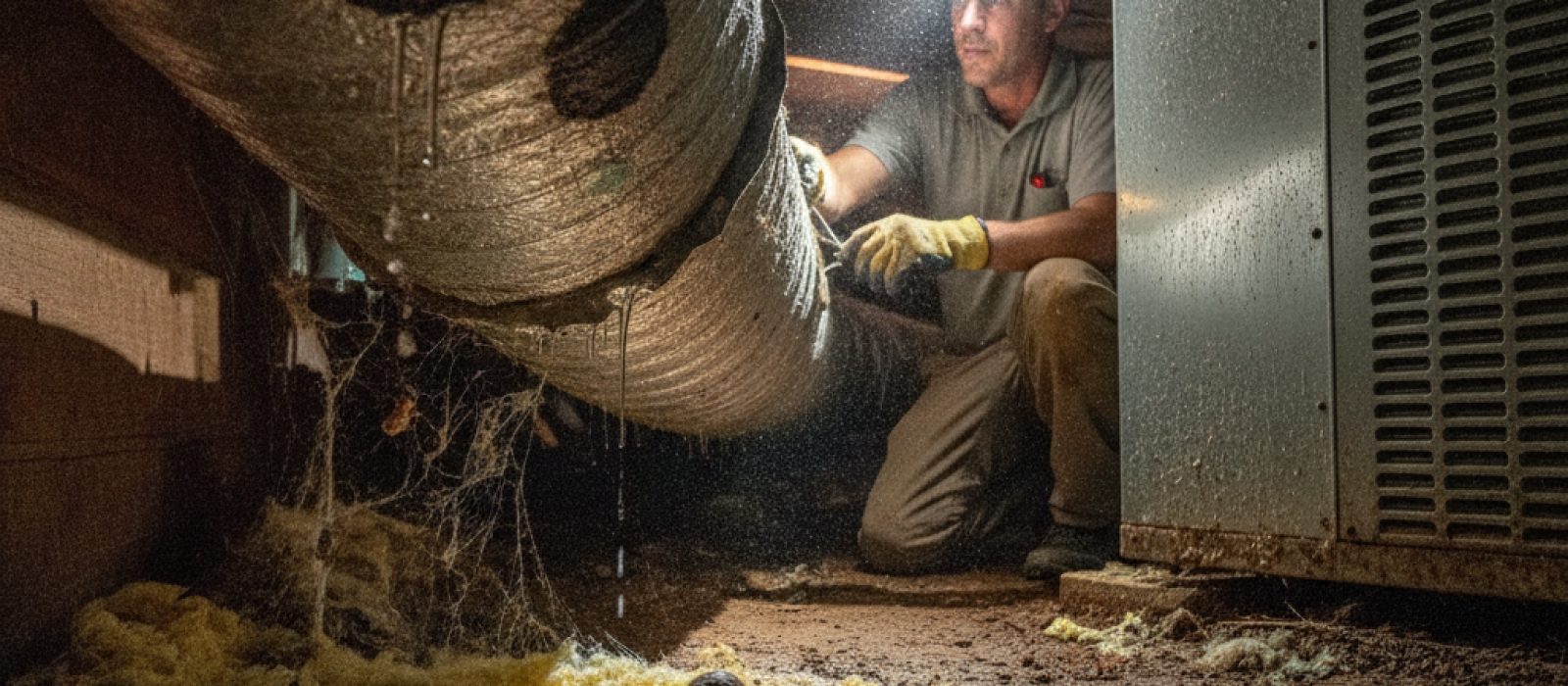
Learn how to identify and resolve common crawl space ductwork problems, including moisture buildup, pest intrusion, and damaged insulation.
Learn how upgrading or maintaining your HVAC registers and grilles can optimize home comfort, improve efficiency, and protect your indoor air quality.
Be the first to comment.