
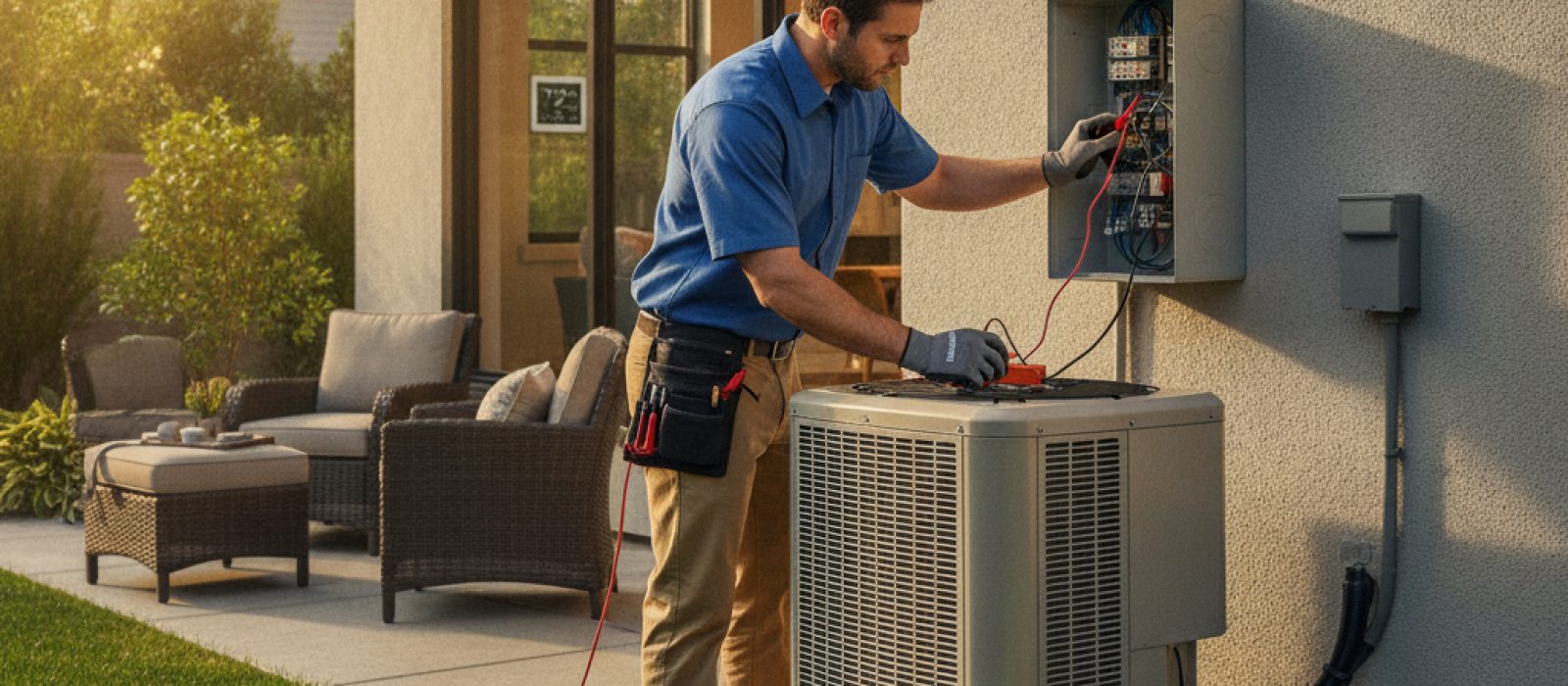
HVAC Disconnect Box: What It Is and Why It Matters
Learn the function of the HVAC disconnect box, why it is vital for safety, and how to identify when this critical component requires professional attention.
4 min read

Leaky air ducts are a common source of energy loss in residential heating and cooling systems. When ducts have gaps, loose connections, or holes, conditioned air escapes into unconditioned spaces like attics, crawl spaces, or wall cavities. This forces your furnace or air conditioner to work harder to maintain the desired temperature, leading to increased wear on equipment and higher utility bills.
Duct sealing is the process of identifying these breaches and using specialized materials to close them. By ensuring the air travels directly from the equipment to the intended rooms, the system operates as designed. This maintenance task is often overlooked because ducts are typically hidden from view, making it difficult for homeowners to visually inspect the condition of their system.
The cost of professional duct sealing varies by system and region. Because every home has a unique duct layout, contractors must evaluate the specific challenges of your infrastructure before providing an estimate. Several variables dictate the scope of the work and the final investment required.
The ease of access to your ductwork is a primary factor in project pricing. Ducts located in finished basements or tight crawl spaces require more labor to reach, inspect, and seal compared to those in open, unfinished attics. Homes with complex, multi-story configurations or custom duct runs may also require more time to ensure all joints are properly addressed.
Professionals utilize different methods to seal ducts, ranging from manual application of mastic sealant or specialized metallic tapes to automated injection systems. Manual sealing involves a technician physically inspecting joints and applying sealant by hand, which is labor-intensive but highly thorough for accessible ducts. Automated systems involve injecting a pressurized aerosol sealant throughout the duct network, which coats leaks from the inside. The choice of method depends on the size of the leaks, the accessibility of the ducts, and the specific needs of your HVAC system.
While duct sealing represents an upfront cost, the primary benefit is improved energy efficiency. When air is no longer leaking into non-living spaces, the HVAC system reaches the set temperature faster and cycles more effectively. This can reduce the load on your equipment, potentially extending the lifespan of your unit and delaying the need for premature replacement.
Beyond efficiency, sealing ducts often leads to more consistent temperatures throughout the house. If some rooms feel significantly hotter or colder than others, it is often a sign of imbalanced airflow caused by duct leaks. Addressing these leaks helps ensure that conditioned air reaches every room as intended, improving overall comfort levels.
Duct sealing is a critical component of regular Maintenance and Tune-up. When ducts leak, they do not only lose conditioned air; they can also pull air from attics or crawl spaces into the HVAC system. This introduced air often carries dust, insulation particles, and allergens, which are then distributed throughout the home.
By sealing these gaps, you prevent the intake of contaminants, which is a significant step in improving Indoor Air Quality. This is particularly important for households with residents who suffer from respiratory sensitivities. Combining sealing with routine Air Duct Cleaning ensures that the air circulating through your home remains as clean as possible, minimizing the accumulation of debris in the system.
Homeowners can perform basic visual inspections of their ductwork. By checking visible joints in unfinished areas, you may spot obvious gaps or disconnected sections. However, applying sealant is a task that generally requires professional expertise to ensure the materials used are durable and safe for HVAC applications.
Using improper materials, such as standard duct tape, is ineffective because it fails to withstand the temperature fluctuations and pressure changes within the system. Licensed professionals use industry-approved mastic or aerosol sealants that provide a long-term, airtight bond. Attempting to seal ducts without the proper tools or training may lead to incomplete seals that continue to leak energy, essentially wasting the time spent on the project.
Investing in duct sealing is not just about immediate energy savings; it is about protecting the integrity of your HVAC investment. A system that is balanced and free of leaks experiences less pressure, which reduces the chance of blower motor failure and other common malfunctions. If you are preparing for a seasonal change, discussing your ductwork condition during a standard Heating Services visit can help you determine if sealing is the right next step for your home.
Learn the function of the HVAC disconnect box, why it is vital for safety, and how to identify when this critical component requires professional attention.

Ensure long-term comfort and efficiency by asking the right questions about your home's ductwork design during the new construction process.
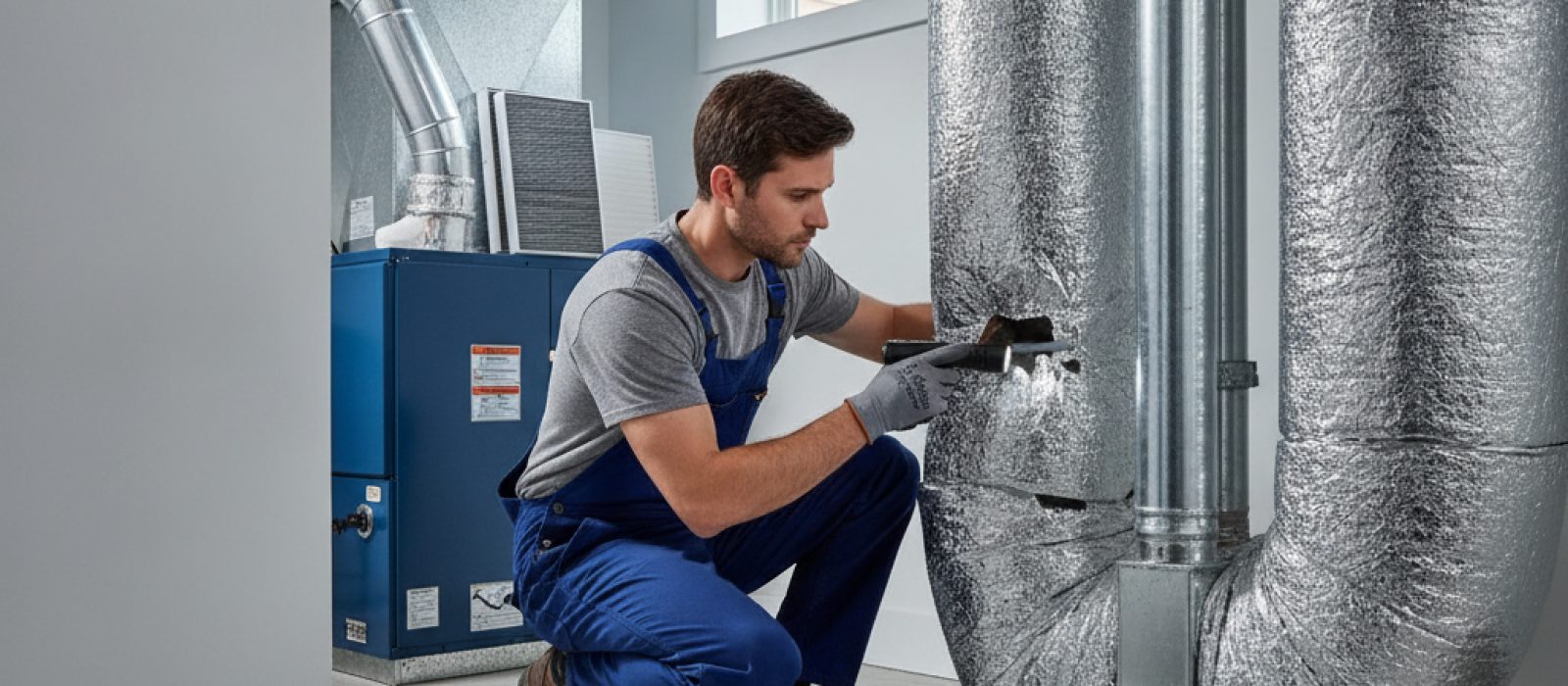
Discover the signs of rodent infestation in your HVAC system and learn how to identify, address, and prevent pest issues in your ductwork.
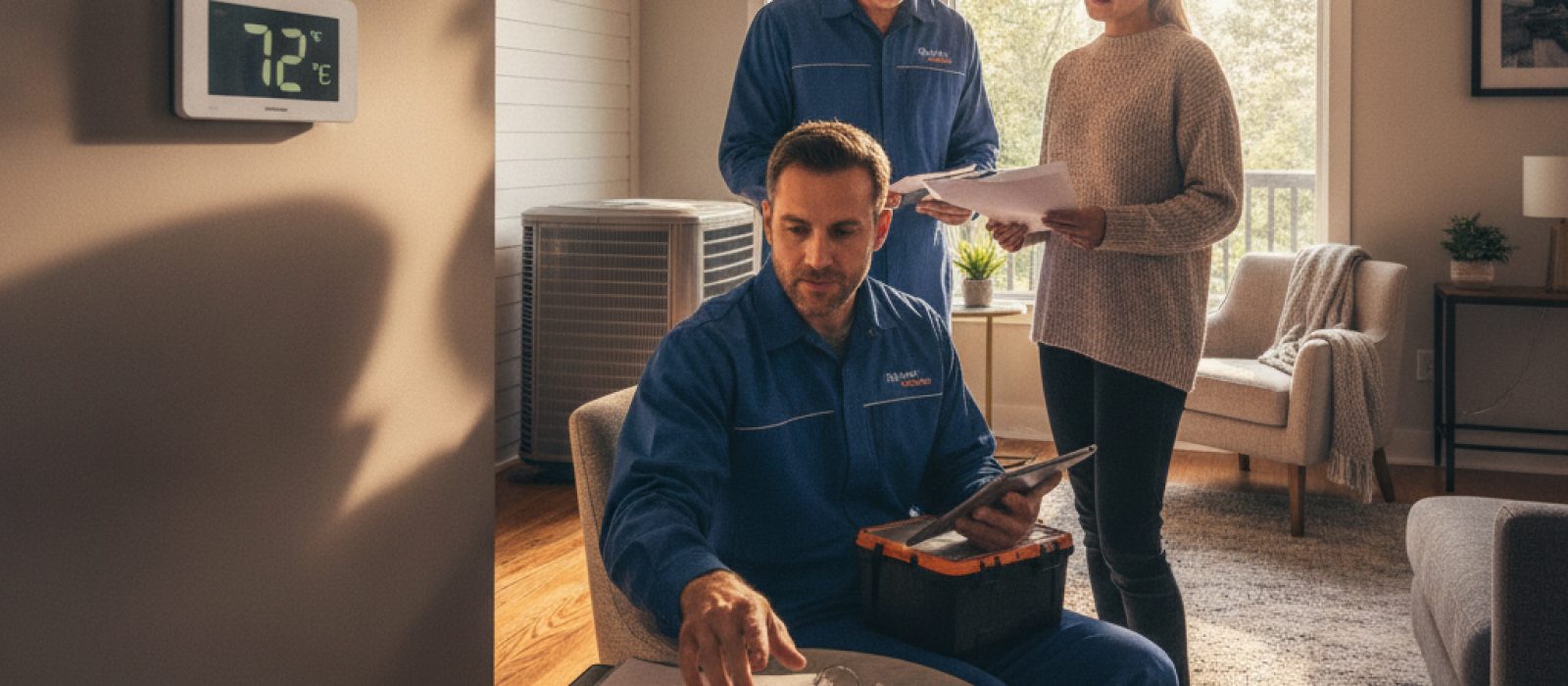
Learn why maintaining a detailed history of your HVAC service records protects your warranty, boosts resale value, and ensures system longevity.
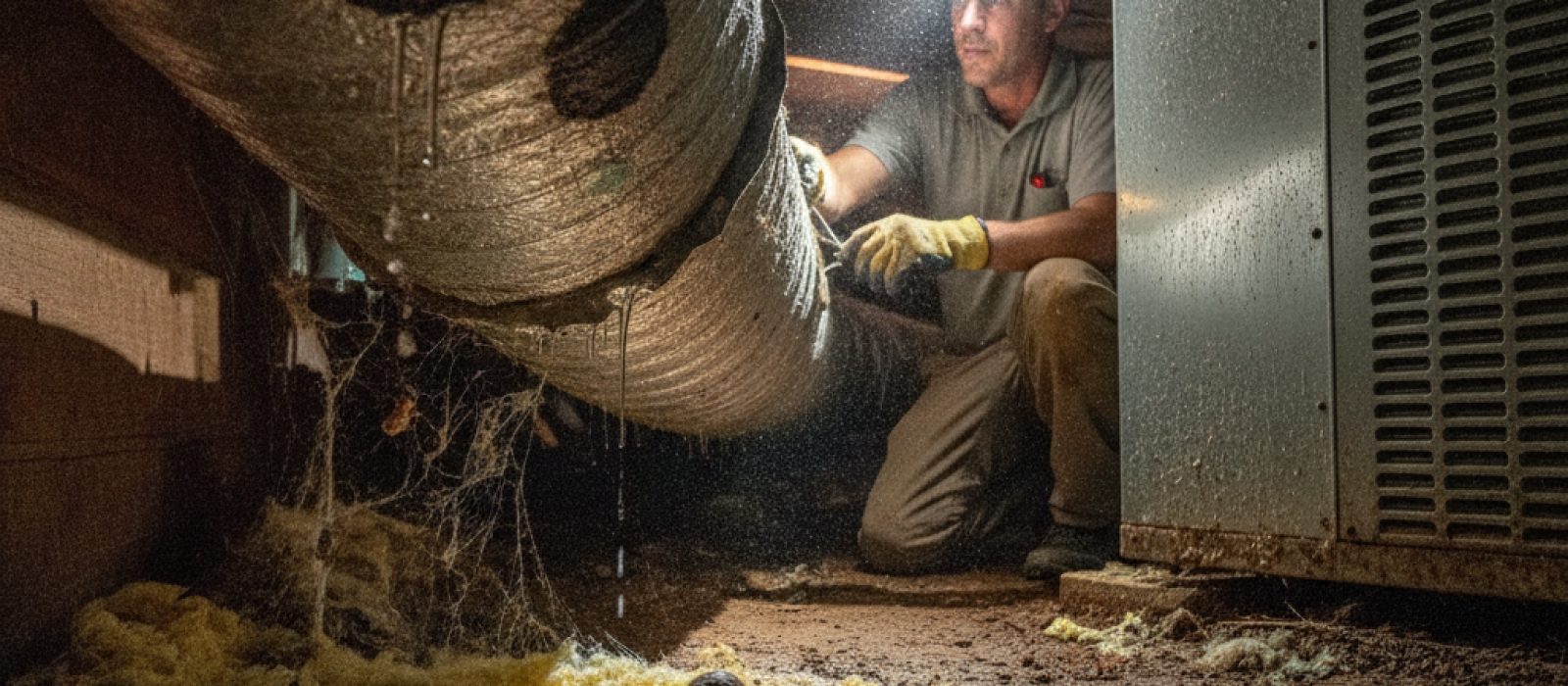
Learn how to identify and resolve common crawl space ductwork problems, including moisture buildup, pest intrusion, and damaged insulation.

Learn how upgrading or maintaining your HVAC registers and grilles can optimize home comfort, improve efficiency, and protect your indoor air quality.
Be the first to comment.