

HVAC Disconnect Box: What It Is and Why It Matters
Learn the function of the HVAC disconnect box, why it is vital for safety, and how to identify when this critical component requires professional attention.
4 min read

Ductwork acts as the circulatory system of a home’s HVAC infrastructure, moving conditioned air from the furnace or air handler to the living spaces. Homeowners often encounter two primary material types: flexible (flex) duct and rigid metal duct. Choosing between them involves balancing cost, installation complexity, and long-term maintenance requirements.
Flexible duct consists of a spring-steel wire coil encased in a heavy-duty, multi-layer plastic or polymer sleeve. Most variants include a layer of fiberglass insulation between the inner and outer sleeves to prevent thermal loss. Its primary advantage is versatility; it can be snaked through tight attics, around structural obstacles, and into confined spaces where rigid metal would be impossible to install.
Because flex duct is lightweight and modular, it is frequently used to connect the main rigid trunk line to individual supply registers. This reduces the number of joints and connectors required, which can minimize potential leakage points if the installation is performed with precision. However, flex duct is prone to kinking or sagging if not properly supported, which can significantly restrict airflow and force the blower motor to work harder.
Rigid metal duct is typically constructed from galvanized steel. This material offers a smooth, interior surface that minimizes air resistance, allowing for optimal airflow efficiency. Metal ducts are structural, meaning they do not collapse or kink under pressure, making them the preferred choice for main trunk lines where high volumes of air must move consistently across long distances.
Maintenance is a critical consideration for metal systems. Over time, the seams and joints in metal ductwork can develop small leaks, which often require professional sealing with mastic or specialized metal tape. When scheduling Ductwork Services, a technician can inspect these joints to ensure the system is airtight, preventing conditioned air from escaping into unconditioned spaces like attics or crawlspaces.
From a maintenance perspective, the two materials behave differently. Rigid metal is easier to clean because the smooth surface can withstand the mechanical brushes and suction used during professional cleanings. If you are concerned about dust, allergens, or biological growth, Air Duct Cleaning is more straightforward in metal systems, as the rigid walls hold their shape under the pressure of cleaning equipment.
Flex duct, by contrast, requires a more delicate approach to cleaning. The interior surface can be easily punctured or damaged by aggressive cleaning tools. If your home has extensive runs of flex duct, discuss the material with your technician before performing a deep clean to ensure the equipment used will not compromise the integrity of the flexible liner.
The efficiency of an HVAC system is rarely determined by the duct material alone, but rather by the quality of the installation. Poorly installed flex duct—characterized by excessive lengths, sharp bends, or lack of proper support—is a common source of system inefficiency. When the duct is stretched too tight or left to sag, the internal airflow is disrupted, leading to uneven temperatures throughout the home.
Metal ductwork requires higher skill to install, as it must be measured, cut, and shaped to fit specific dimensions. While the upfront labor cost for metal is generally higher, it often provides a longer service life and better structural stability. In many modern homes, a hybrid approach is used: rigid metal serves as the main trunk, while shorter lengths of flex duct are used for the final "run-outs" to the vents.
Regardless of the material, ductwork eventually shows signs of wear. Homeowners should monitor for specific indicators that suggest a need for professional evaluation:
If you notice these symptoms, it may be time to contact a professional for a Maintenance & Tune-up. A technician can evaluate whether the issue stems from a blocked duct, a disconnected joint, or an aging system that requires a more comprehensive approach to Heating Services. Addressing these concerns early prevents unnecessary wear on the blower motor and improves overall indoor air quality.
Metal ductwork can last for several decades if properly maintained and sealed. Flex duct typically has a shorter lifespan, as the plastic materials can become brittle over time due to temperature fluctuations and exposure to attic heat. If a home is undergoing a major renovation, replacing aging flex duct with updated, high-efficiency versions can have a noticeable impact on comfort and system longevity.
Learn the function of the HVAC disconnect box, why it is vital for safety, and how to identify when this critical component requires professional attention.

Ensure long-term comfort and efficiency by asking the right questions about your home's ductwork design during the new construction process.
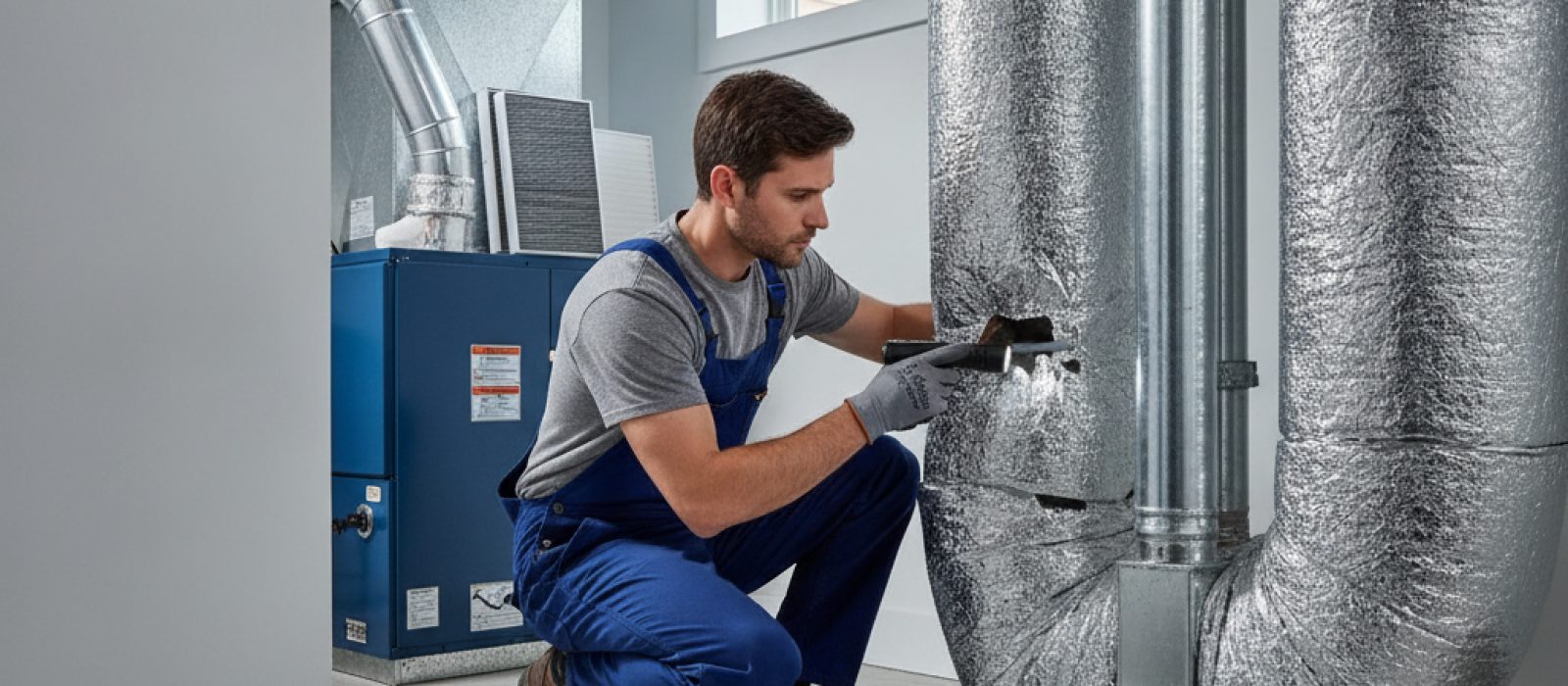
Discover the signs of rodent infestation in your HVAC system and learn how to identify, address, and prevent pest issues in your ductwork.

Learn why maintaining a detailed history of your HVAC service records protects your warranty, boosts resale value, and ensures system longevity.
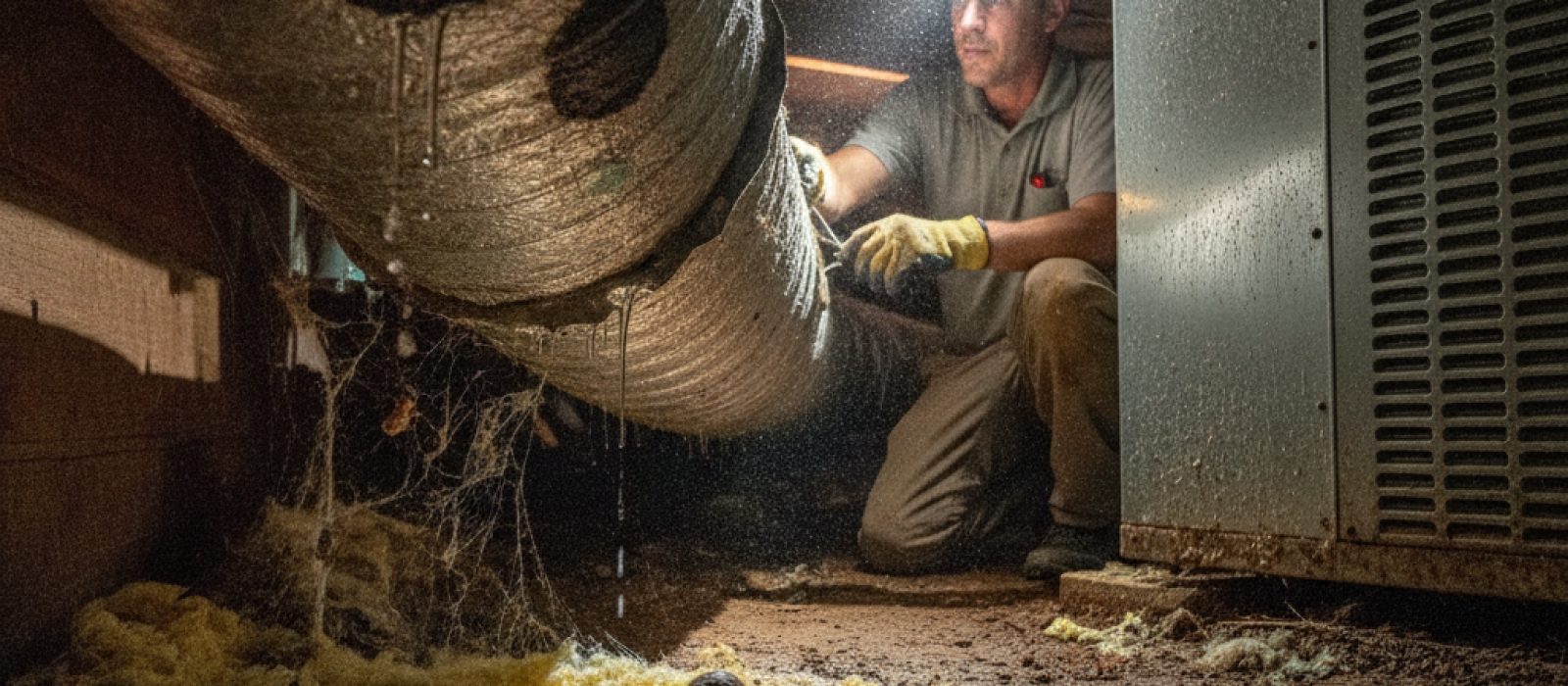
Learn how to identify and resolve common crawl space ductwork problems, including moisture buildup, pest intrusion, and damaged insulation.

Learn how upgrading or maintaining your HVAC registers and grilles can optimize home comfort, improve efficiency, and protect your indoor air quality.
Be the first to comment.