
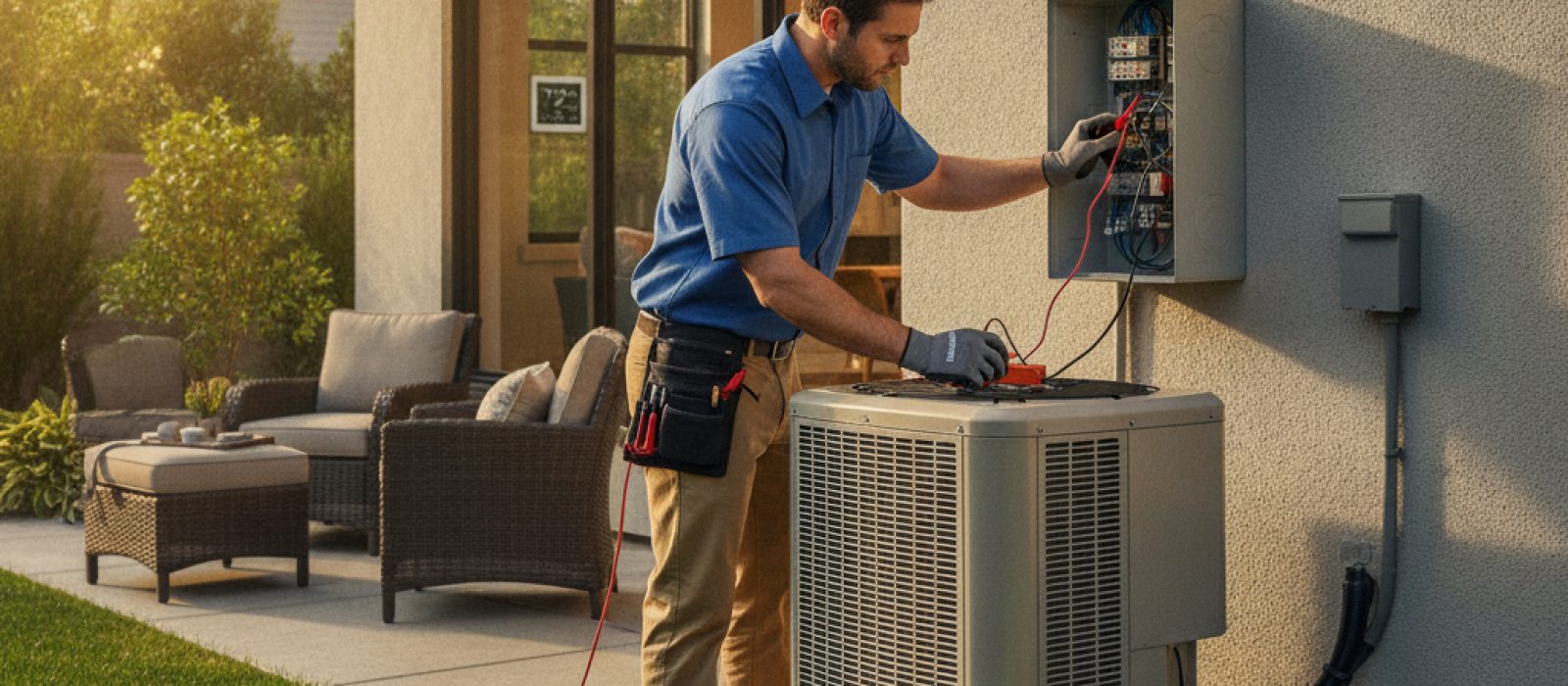
HVAC Disconnect Box: What It Is and Why It Matters
Learn the function of the HVAC disconnect box, why it is vital for safety, and how to identify when this critical component requires professional attention.
4 min read

The blower wheel, often referred to as a squirrel cage fan, serves as the primary engine for moving air through a central heating and cooling system. It draws air from the return ducts, pushes it across the evaporator coil or heat exchanger, and distributes the conditioned air throughout the home. Because this component is constantly circulating large volumes of air, it inevitably accumulates dust, pet dander, and debris over time.
When a blower wheel becomes coated with grime, its aerodynamic efficiency drops significantly. The buildup changes the shape of the fan blades, creating drag and reducing the amount of air the motor can move. This forces the system to work harder to achieve the desired temperature, leading to higher energy consumption and increased wear on mechanical components.
A dirty blower wheel rarely causes a system to stop working immediately, but the performance decline is often noticeable to observant homeowners. Reduced airflow from supply registers is the most common indicator. If the air coming out of vents feels weak, even when the fan speed is set to high, the blower may be struggling against a layer of debris.
Increased noise levels are another common symptom. As debris accumulates unevenly on the blades, it throws the blower wheel off balance. This imbalance causes vibrations that can lead to rattling, humming, or grinding sounds during operation. If left unaddressed, this vibration can prematurely damage the blower motor bearings and the housing of the unit.
Regular Maintenance & Tune-up visits are the most effective way to prevent blower wheel issues. During a professional inspection, technicians evaluate the entire air handler assembly to ensure airflow remains unobstructed. Neglecting this component often leads to secondary issues, such as frozen evaporator coils in the summer or overheating furnace heat exchangers in the winter.
When the blower wheel cannot move enough air, the temperature of the internal components shifts outside of their design parameters. In cooling mode, insufficient airflow over the evaporator coil can cause it to ice up. In heating mode, poor airflow can cause the furnace to cycle on and off rapidly—a condition known as short-cycling—which puts unnecessary stress on the ignition system and controls.
Homeowners can perform basic visual inspections to determine if professional cleaning is required. Before interacting with any part of the HVAC system, always turn off the power at the main electrical disconnect switch. Never attempt to disassemble internal components if the system is live, as the blower motor and capacitors pose electrical shock risks.
If the blower wheel is heavily impacted, professional tools such as specialized brushes, compressed air, or specialized cleaning solutions are necessary to remove the debris without damaging the delicate balance of the wheel. Because removing the blower assembly often involves detaching high-voltage wiring or removing the motor mount, these tasks are best handled by a professional during scheduled Furnace Services or AC Services.
The quality of filtration in the home is the primary defense against blower wheel contamination. High-quality air filters capture the particles that would otherwise settle on the fan blades. Check filters monthly and replace them according to the manufacturer's recommendations or sooner if the home has pets or high occupancy.
Additionally, keeping the return air ducts and the area surrounding the air handler clean prevents large debris from entering the system. If the home has recently undergone renovations, drywall dust can quickly coat the blower wheel; in these instances, an immediate inspection is recommended to ensure the system remains clean and operational. Professional Air Duct Cleaning can also assist in reducing the total amount of dust circulating within the HVAC environment, thereby extending the time between deep cleanings of the blower assembly.
While surface-level dust can sometimes be managed, deep cleaning requires specialized equipment. If you notice persistent vibrations, unusual grinding noises, or a significant drop in airflow, contact a professional. Attempting to force-clean the wheel with improper tools can bend the blades, causing permanent imbalance that will destroy the blower motor over time. A professional technician will ensure that the wheel is cleaned thoroughly and that the motor and capacitor are functioning correctly, providing peace of mind that the system is operating at its peak efficiency.
Learn the function of the HVAC disconnect box, why it is vital for safety, and how to identify when this critical component requires professional attention.

Ensure long-term comfort and efficiency by asking the right questions about your home's ductwork design during the new construction process.
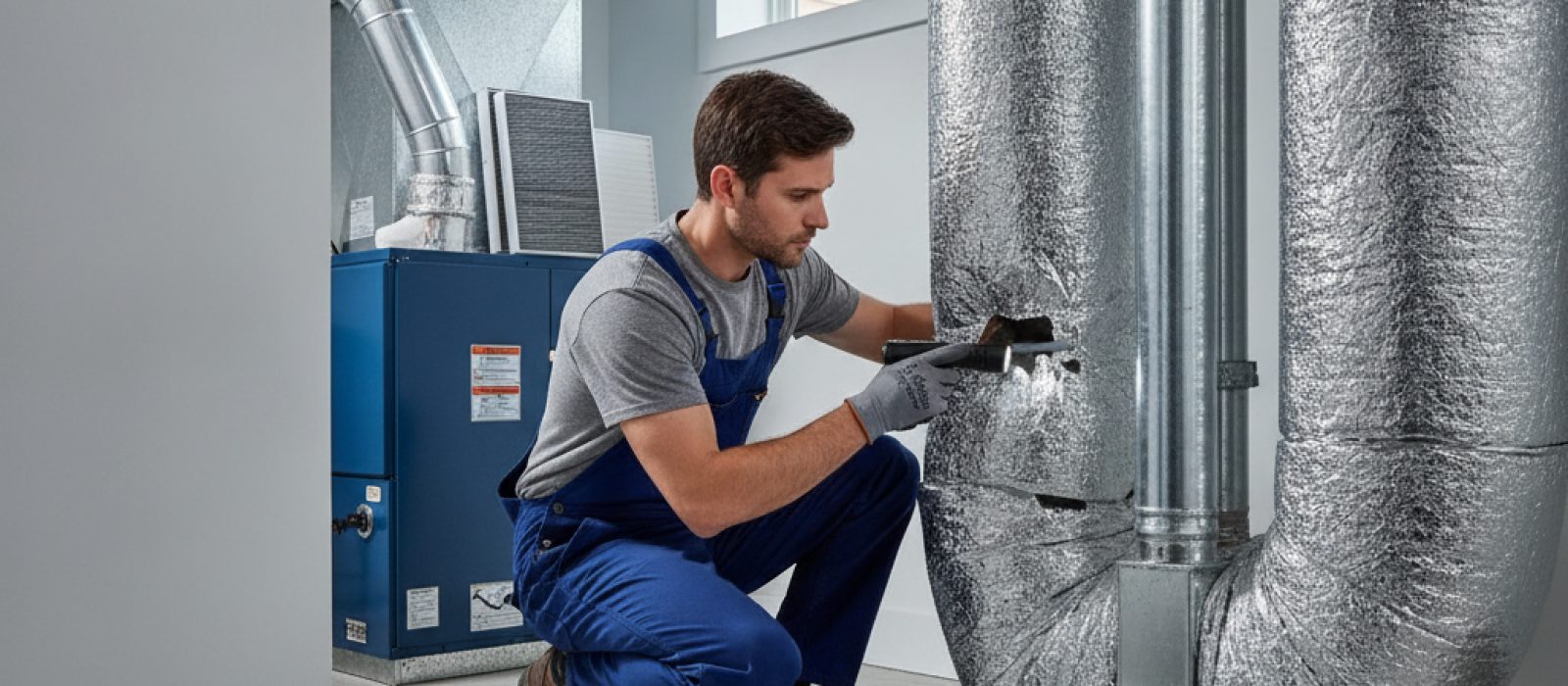
Discover the signs of rodent infestation in your HVAC system and learn how to identify, address, and prevent pest issues in your ductwork.

Learn why maintaining a detailed history of your HVAC service records protects your warranty, boosts resale value, and ensures system longevity.
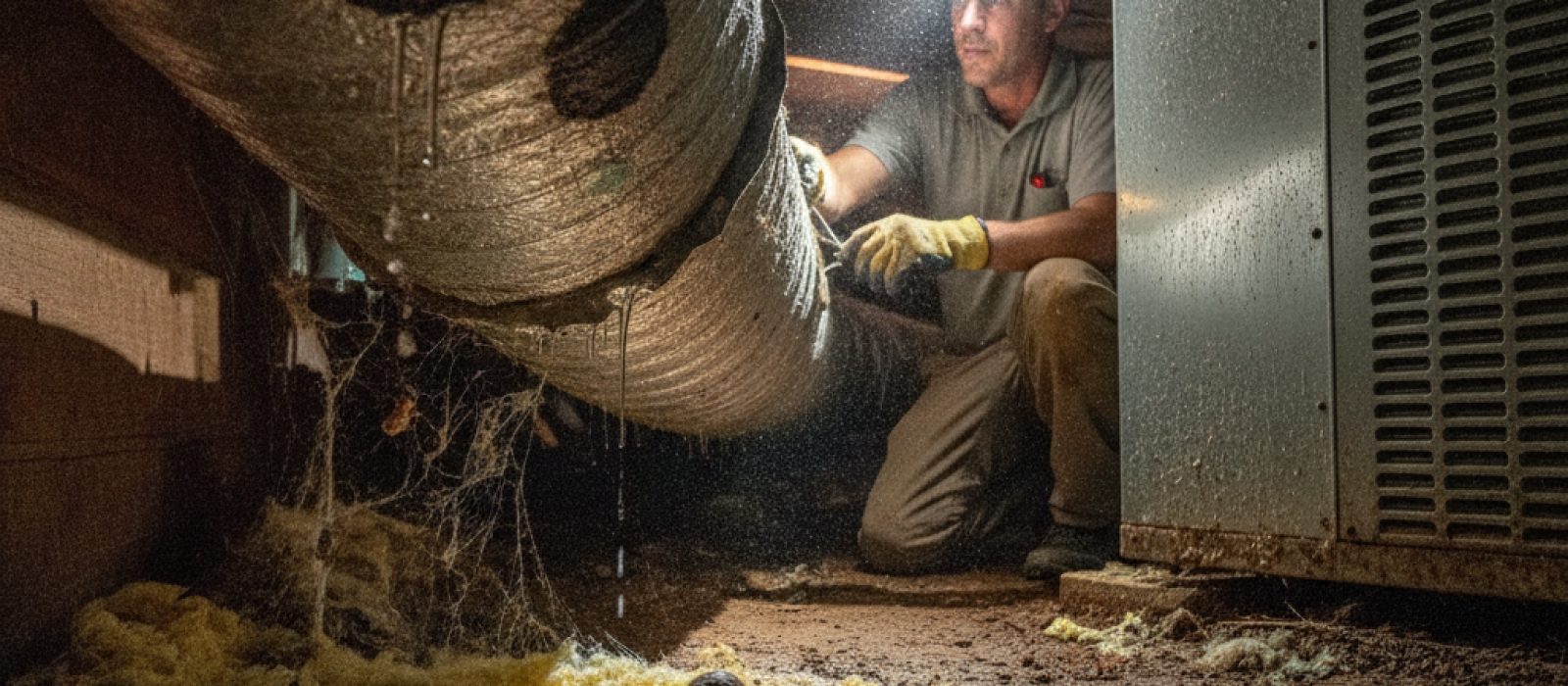
Learn how to identify and resolve common crawl space ductwork problems, including moisture buildup, pest intrusion, and damaged insulation.

Learn how upgrading or maintaining your HVAC registers and grilles can optimize home comfort, improve efficiency, and protect your indoor air quality.
Be the first to comment.