
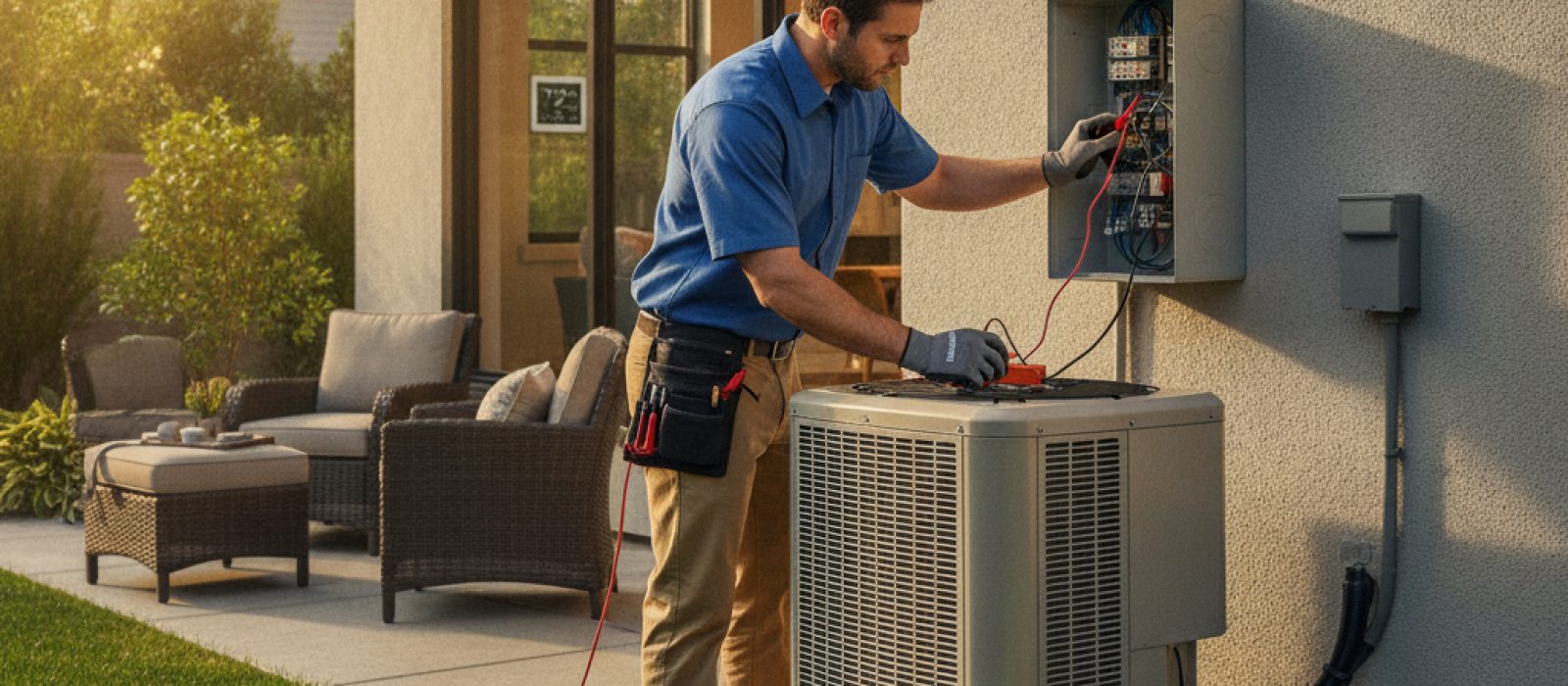
HVAC Disconnect Box: What It Is and Why It Matters
Learn the function of the HVAC disconnect box, why it is vital for safety, and how to identify when this critical component requires professional attention.
4 min read

A professional HVAC inspection is a comprehensive health check for your home's heating and cooling infrastructure. Rather than waiting for a breakdown, homeowners schedule these visits to verify that all components operate within manufacturer specifications. The cost of such a visit varies by system complexity, the age of the unit, and regional labor rates, but the investment is generally focused on preventing emergency repairs and ensuring safe operation.
During a standard maintenance visit, a technician follows a rigorous checklist designed to evaluate mechanical, electrical, and airflow performance. This process identifies minor wear before it evolves into a costly system failure. Consistent care is essential for maintaining warranty eligibility and optimizing the energy efficiency of your home.
A thorough inspection involves a systematic review of both the indoor and outdoor units. For the cooling side, technicians verify refrigerant pressures and check for leaks, as low or incorrect refrigerant levels can cause the compressor to fail prematurely. Electrical connections are inspected for heat damage or loose wiring, which are common fire hazards in aging systems.
The heating system requires a different set of diagnostic procedures. If you utilize Furnace Services, the technician will inspect the heat exchanger for cracks, which is a critical safety step to prevent carbon monoxide leakage into the living space. They will also clean the burners and verify that the ignition system functions reliably every time the thermostat calls for heat.
System performance is heavily dependent on proper airflow. Technicians measure the static pressure across the air handler to ensure the blower motor is not working against excessive resistance. If the system shows signs of restricted airflow, they may recommend Air Duct Cleaning to remove debris buildup that hinders circulation and negatively impacts your home's thermal comfort.
Beyond mechanical function, many inspections now incorporate an evaluation of Indoor Air Quality. This includes checking the condition of filtration media and assessing whether the system is effectively managing humidity levels. Proper moisture control prevents mold growth within the ductwork and improves overall respiratory comfort for occupants.
While technical diagnostics require a licensed professional, homeowners play a vital role in system longevity through basic, safe maintenance tasks. The most impactful action is the regular replacement or cleaning of air filters. A clogged filter forces the blower motor to draw more current, leading to overheating and increased energy consumption.
Keep the area around your outdoor condenser unit clear of vegetation, leaves, and debris. Maintaining at least two feet of clearance around the unit ensures adequate intake and exhaust, which allows the system to reject heat efficiently. Never attempt to remove panels from the unit or access internal electrical components, as these areas pose significant shock and injury risks.
An inspection often reveals that a system is functional but underperforming due to age or design flaws. If the technician identifies signs of leaking ducts or insufficient insulation, you may need to look into Ductwork Services to seal and repair the distribution network. Fixing these issues often provides a higher return on investment than simple component repairs.
If your system is nearing the end of its typical service life, the inspection report will likely outline the projected remaining efficiency. This provides a practical timeline for planning a future replacement rather than facing a sudden, mid-season emergency. Proactive planning allows for the evaluation of high-efficiency equipment options that can reduce long-term utility costs.
Several variables impact the final invoice for a maintenance visit. Systems that include complex zoning, multi-stage compressors, or integrated whole-home humidifiers require more time to calibrate, which may increase the service fee. Additionally, if the system is located in an attic or a cramped crawlspace, the increased labor time for access will be reflected in the final cost.
Many homeowners choose to sign up for recurring Maintenance & Tune-up programs. These agreements often provide priority scheduling and discounted rates on parts, ensuring the system receives consistent attention regardless of seasonal demand. By formalizing this relationship with a service provider, you ensure that your system history is documented, making future troubleshooting significantly faster and more accurate.
Learn the function of the HVAC disconnect box, why it is vital for safety, and how to identify when this critical component requires professional attention.

Ensure long-term comfort and efficiency by asking the right questions about your home's ductwork design during the new construction process.
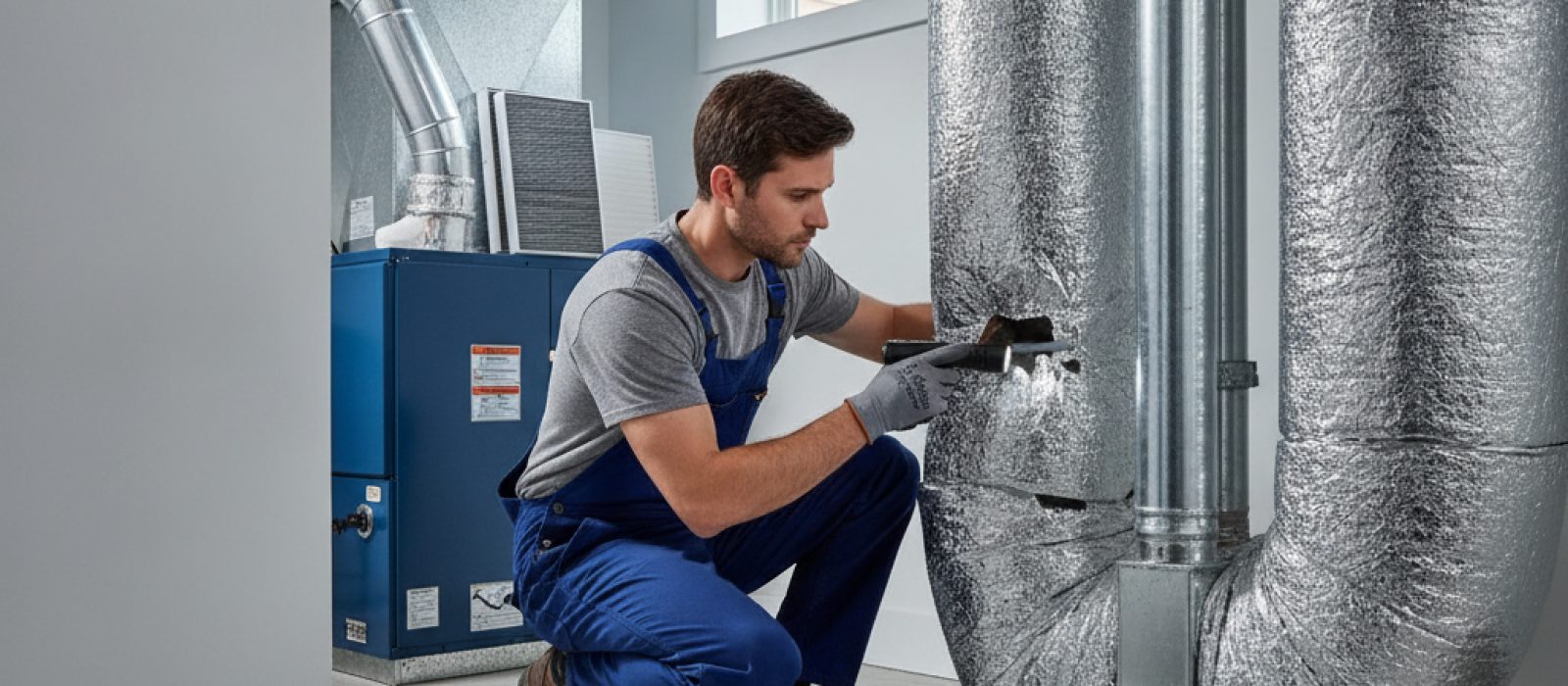
Discover the signs of rodent infestation in your HVAC system and learn how to identify, address, and prevent pest issues in your ductwork.
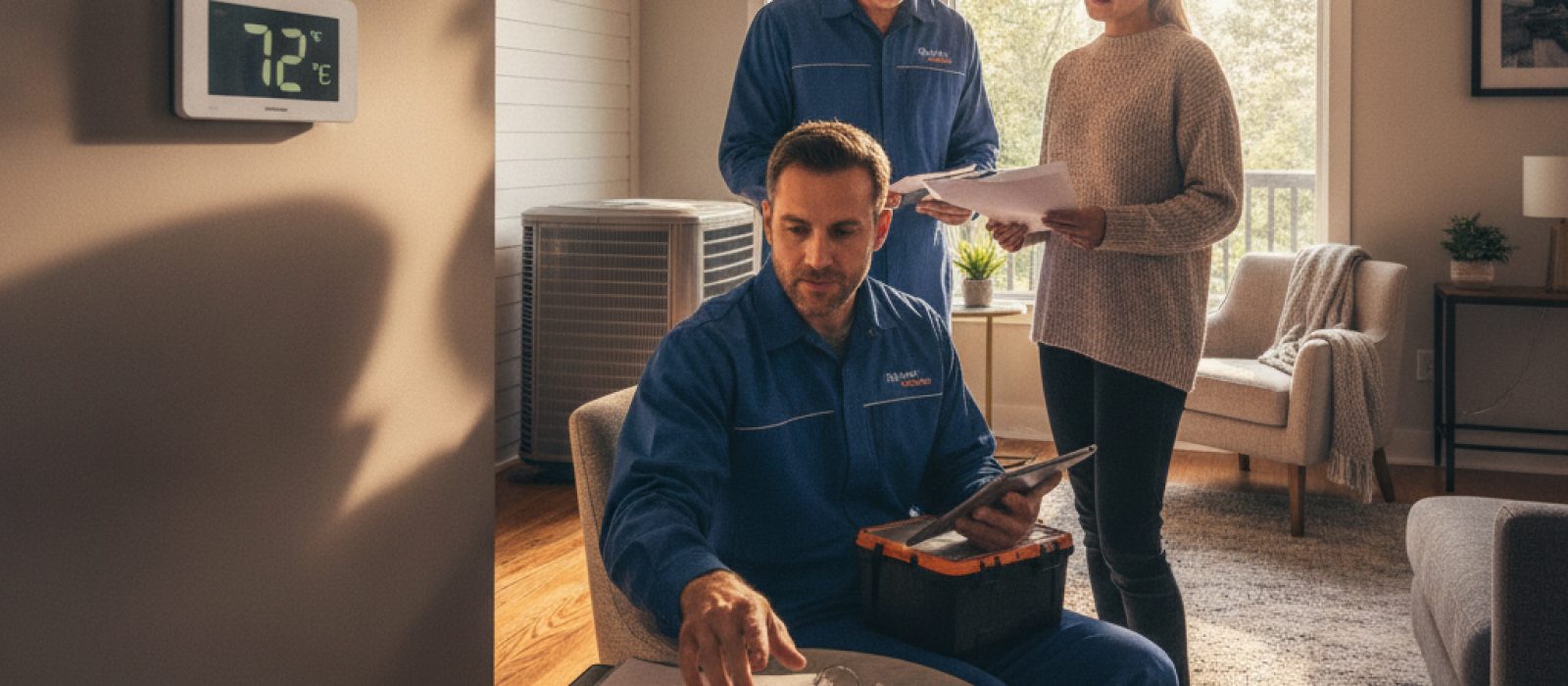
Learn why maintaining a detailed history of your HVAC service records protects your warranty, boosts resale value, and ensures system longevity.
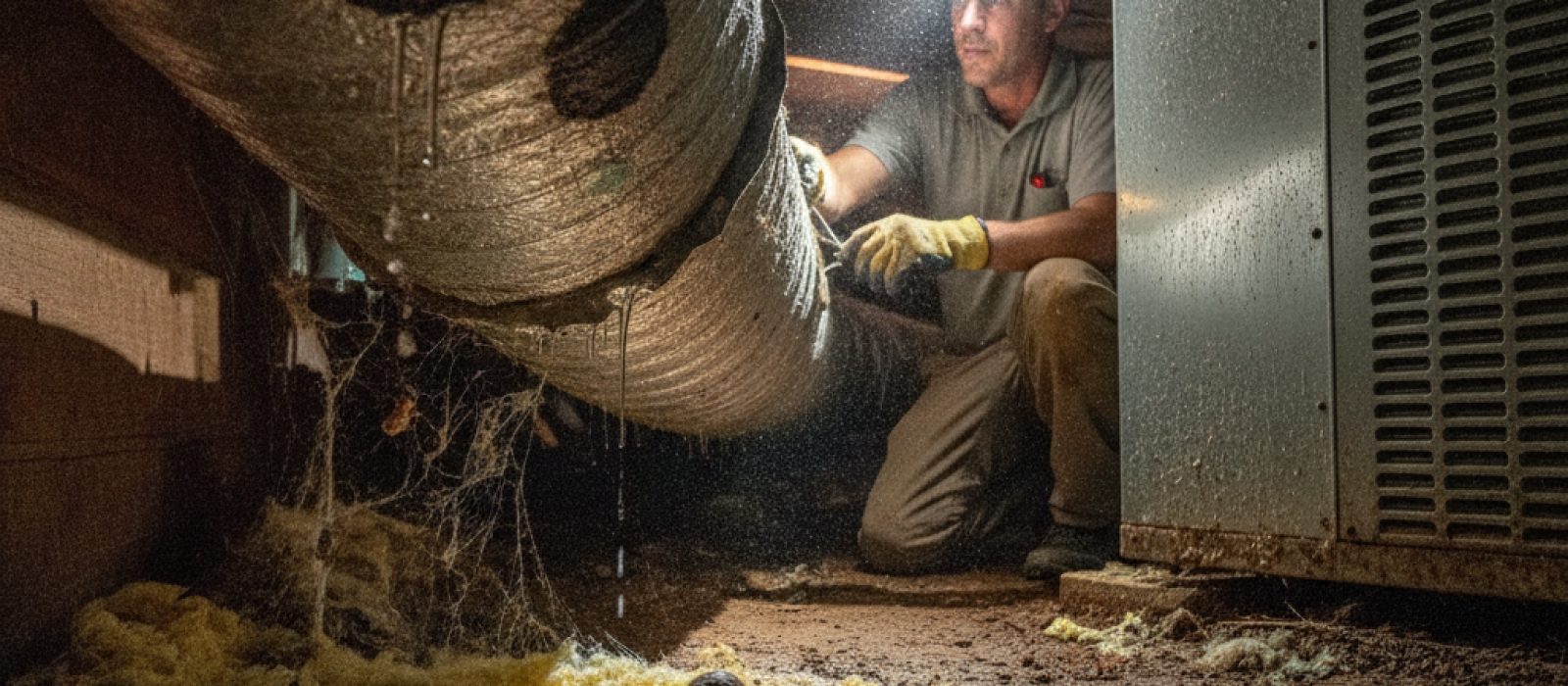
Learn how to identify and resolve common crawl space ductwork problems, including moisture buildup, pest intrusion, and damaged insulation.

Learn how upgrading or maintaining your HVAC registers and grilles can optimize home comfort, improve efficiency, and protect your indoor air quality.
Be the first to comment.