
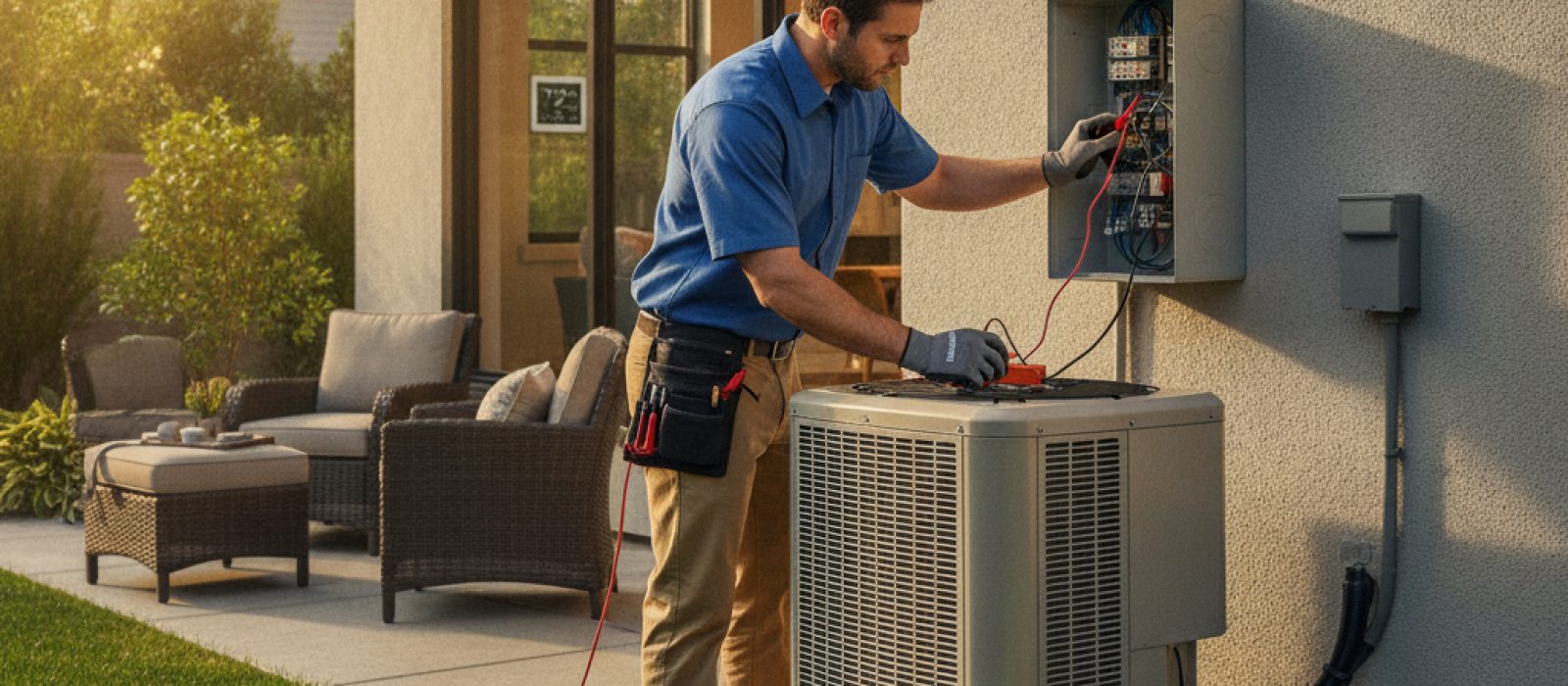
HVAC Disconnect Box: What It Is and Why It Matters
Learn the function of the HVAC disconnect box, why it is vital for safety, and how to identify when this critical component requires professional attention.
4 min read

Modern HVAC systems rely heavily on sensitive electronic control boards, variable-speed motors, and complex sensors. These components are highly susceptible to voltage spikes, which can occur during lightning storms, power grid fluctuations, or even from the cycling of large appliances within the home. When a surge occurs, the damage to these delicate circuit boards often results in immediate system failure or, more insidiously, shortened component lifespans that lead to premature equipment breakdown.
Integrating surge protection into your routine Maintenance & Tune-up schedule is a proactive approach to system care. While many homeowners focus on air filters and coil cleaning, electrical integrity is equally vital. A dedicated surge protector acts as a gatekeeper, diverting excess electrical current away from your expensive HVAC equipment and into the ground wire, effectively neutralizing the threat before it can reach the control board.
Your HVAC system is essentially a computer with a motor attached. The control board manages the communication between your thermostat and the equipment, regulating fan speeds, heating cycles, and cooling stages. Because these boards operate on low-voltage signals, even a minor power anomaly can scramble the logic or fry the delicate circuitry entirely.
Surges do not always manifest as a total loss of power. Often, they appear as 'dirty power,' which consists of micro-surges that occur daily. Over time, these micro-surges degrade the insulation on internal wiring and weaken the capacitors in your compressor. By the time a major storm season concludes, your system may have endured hundreds of these invisible events, leaving it brittle and prone to failure when you need it most.
Homeowners often ask if a standard plug-in power strip is enough to protect their HVAC system. The answer is no. A plug-in strip is designed for portable electronics, not the high-amperage demands of a central air conditioner or furnace. Effective HVAC protection requires a hard-wired surge protector installed directly at the equipment disconnect or within the electrical panel.
For maximum security, a tiered approach is best. Having both a whole-home device and unit-specific protection ensures that if a surge manages to get past your main panel, it is caught at the final destination before it reaches your system's brain.
Not every electrical event results in a smoking unit. Sometimes, surge damage is subtle. If your system begins to exhibit erratic behavior—such as the blower motor starting and stopping without a clear command, the thermostat losing connection, or the system failing to cycle properly—it may have sustained electrical damage.
If you suspect your system has been compromised, it is essential to contact a professional for an inspection. Attempting to troubleshoot or repair electrical circuits on your own can be dangerous and may void your manufacturer's warranty. During a professional assessment, a technician can check the health of your control board and wiring, ensuring that your HVAC system remains a reliable part of your home infrastructure.
Installing a surge protector involves working with high-voltage electrical connections. Because this carries a risk of shock and injury, it is not a DIY task. A licensed technician must ensure that the device is correctly grounded and properly sized for your specific equipment. An improperly installed surge protector may provide a false sense of security while failing to protect the unit during an actual surge event.
When scheduling your next appointment, consider adding surge protection to your list of upgrades. This is an ideal time to assess the overall health of your system, including checking for any underlying issues that could be exacerbated by power fluctuations. Integrating this with your regular Heating Services or AC Services ensures that your equipment is optimized for both efficiency and durability.
Investing in surge protection is not just about avoiding a single repair bill; it is about extending the lifecycle of your entire HVAC system. Replacing a damaged control board or a fried variable-speed motor can be expensive, and in some cases, the cost of repair approaches a significant portion of the value of the unit itself. By preventing these failures, you protect your initial investment and reduce the frequency of emergency repairs.
Furthermore, consistent maintenance that includes electrical safety checks can improve the performance of your system. A system that is protected from electrical stress operates more predictably, maintaining consistent comfort levels throughout your home. This level of reliability is a hallmark of well-maintained homes and is a key component of modern Energy Efficient Solutions that aim to maximize performance while minimizing waste.
Learn the function of the HVAC disconnect box, why it is vital for safety, and how to identify when this critical component requires professional attention.

Ensure long-term comfort and efficiency by asking the right questions about your home's ductwork design during the new construction process.
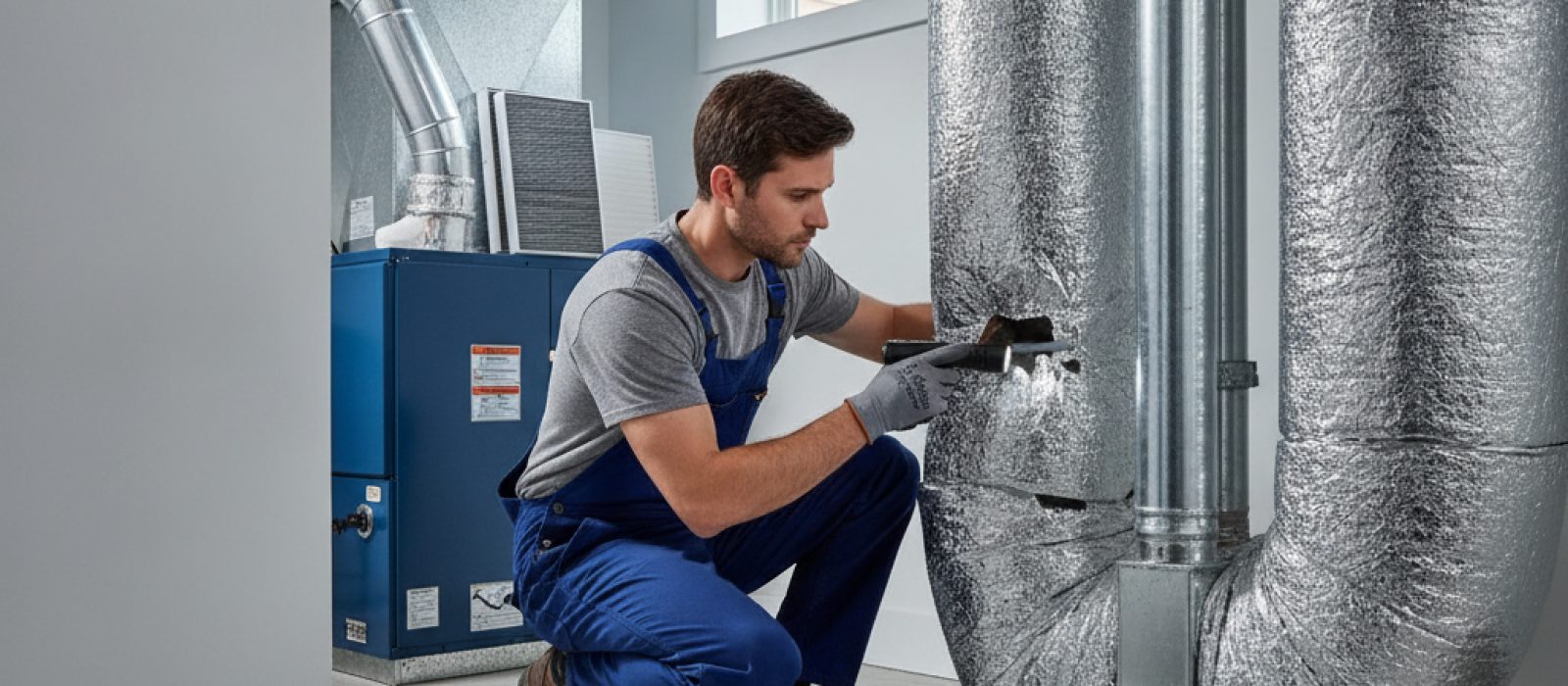
Discover the signs of rodent infestation in your HVAC system and learn how to identify, address, and prevent pest issues in your ductwork.
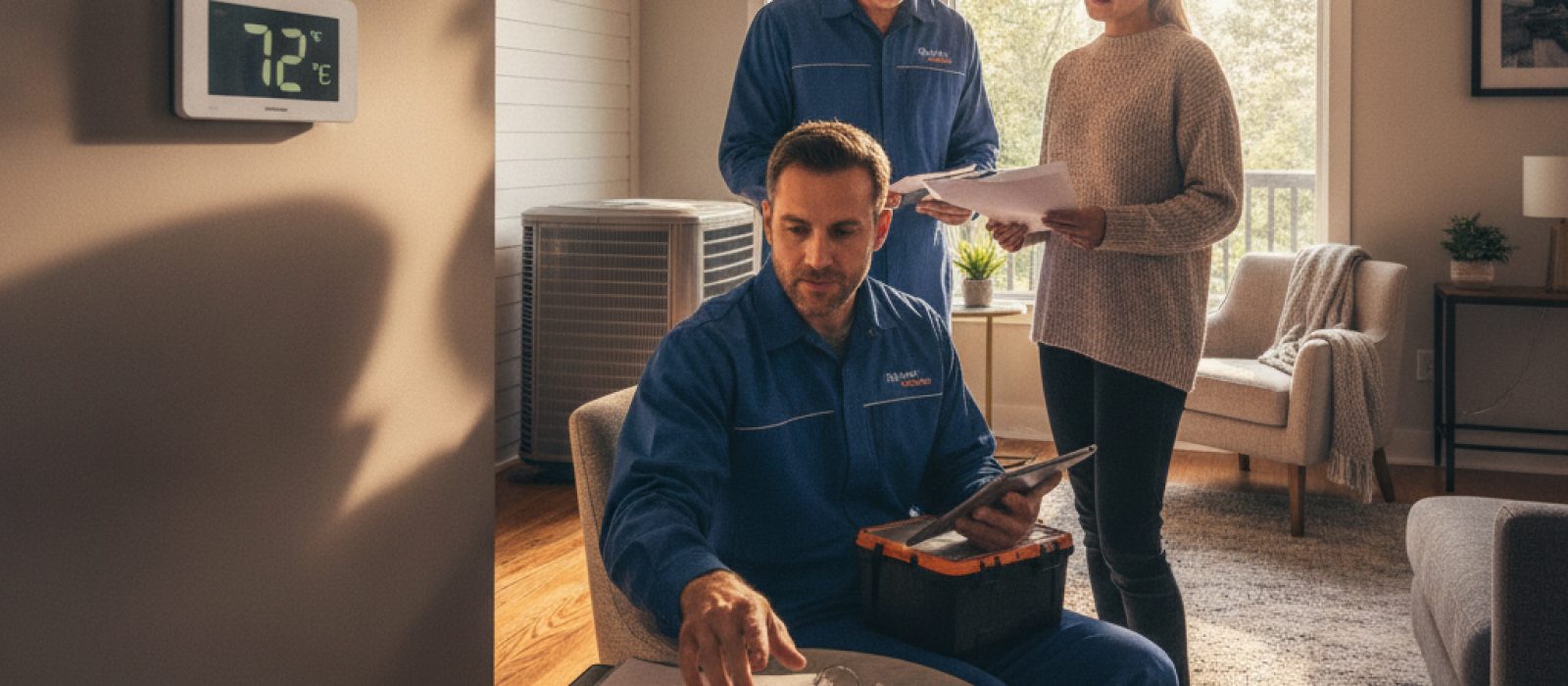
Learn why maintaining a detailed history of your HVAC service records protects your warranty, boosts resale value, and ensures system longevity.
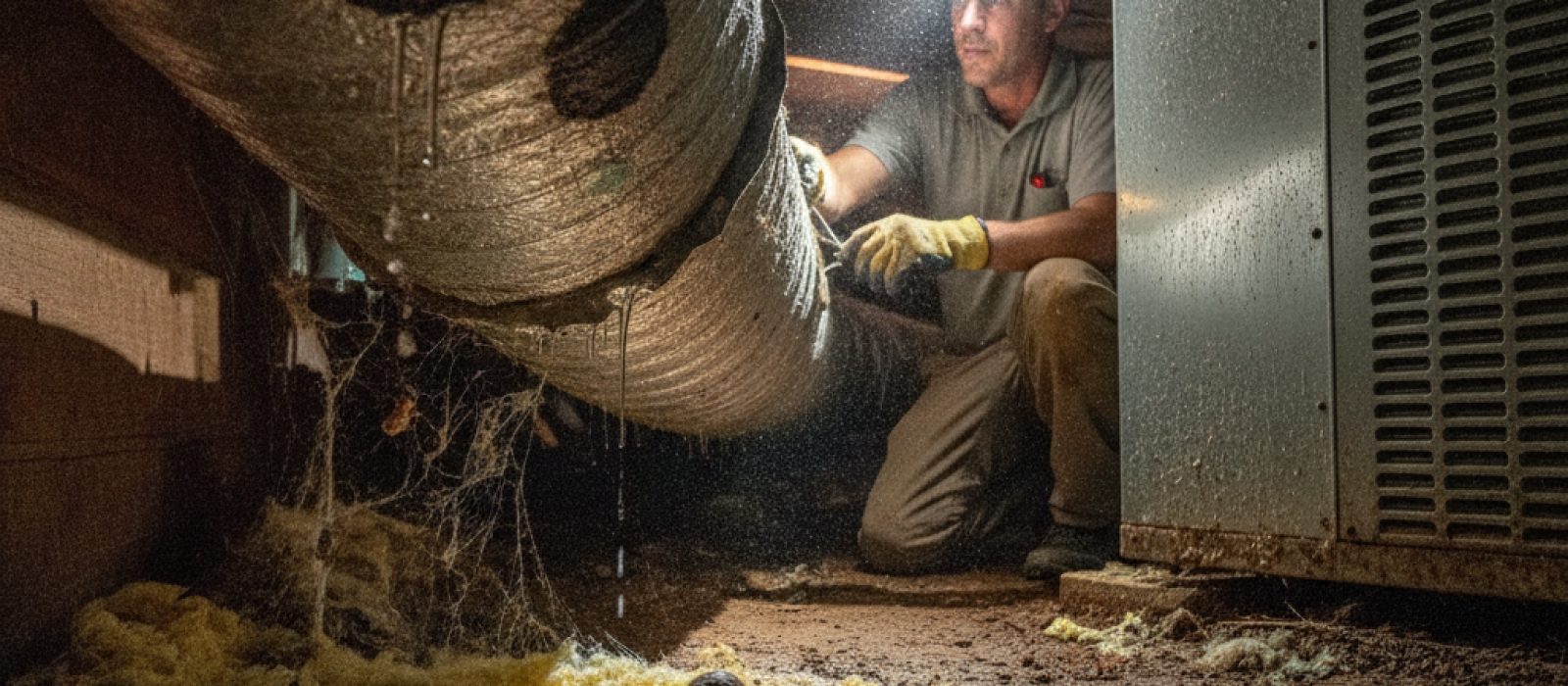
Learn how to identify and resolve common crawl space ductwork problems, including moisture buildup, pest intrusion, and damaged insulation.

Learn how upgrading or maintaining your HVAC registers and grilles can optimize home comfort, improve efficiency, and protect your indoor air quality.
Be the first to comment.